
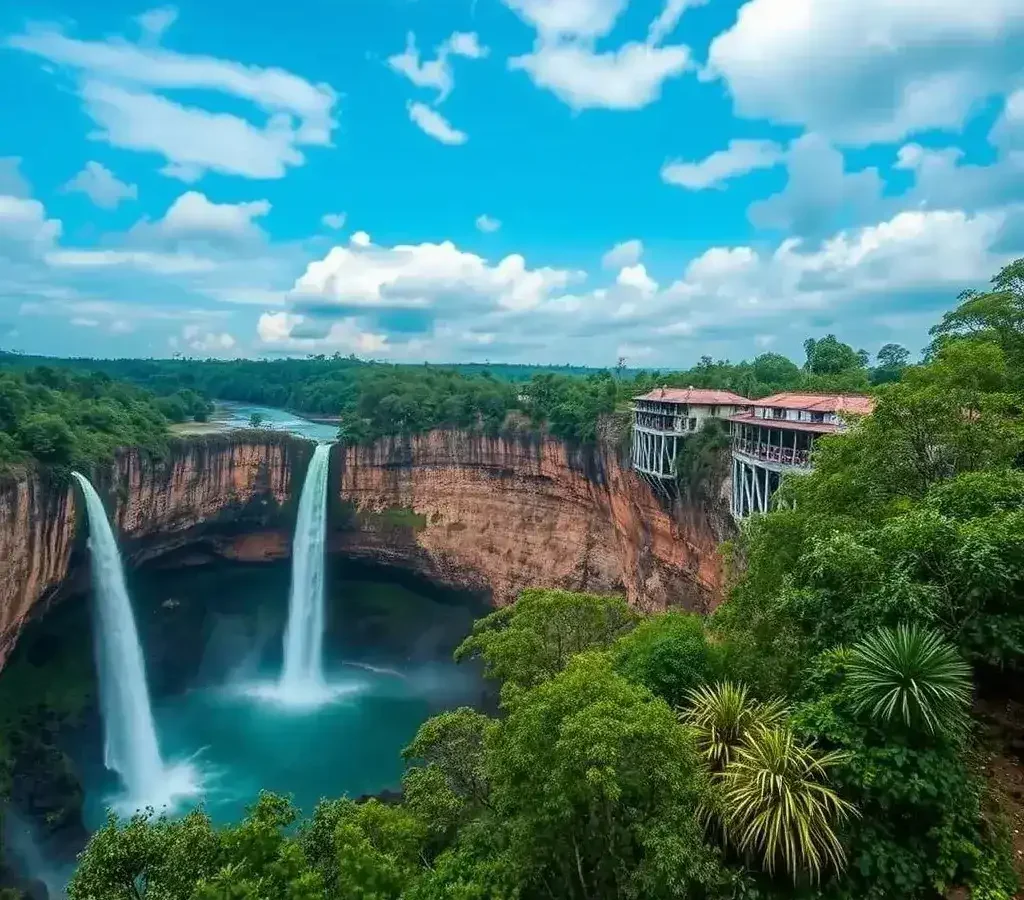

Nigeria is home to remarkable natural wonders in Nigeria, ranging from forest-covered mountains and dramatic waterfalls to warm springs, caves, lakes and wildlife-rich protected areas. For travellers who want more than city sightseeing, these destinations offer memorable ways to experience the country’s landscapes and biodiversity.
This updated guide highlights 10 places worth putting on a Nigerian travel itinerary. The selection combines major natural attractions recognised by Nigerian tourism authorities with destinations that offer different experiences, from hiking and photography to wildlife viewing and quiet nature escapes.
Table of Contents
- 10 natural wonders in Nigeria to visit
- Quick comparison of the destinations
- How to plan your nature trip
- Expert travel tips
- Common mistakes to avoid
- Frequently asked questions
10 Natural Wonders in Nigeria to Visit
1. Yankari National Park, Bauchi State
Yankari is one of Nigeria’s best-known wildlife destinations. The park covers about 2,224 square kilometres of savannah woodland and supports a variety of wildlife. The Federal Ministry of Information identifies elephants, buffaloes, waterbucks, baboons, monkeys and hippopotamuses among animals associated with the park.
One of its signature attractions is the Wiki Warm Spring. The combination of wildlife, woodland and a naturally warm spring makes Yankari particularly appealing to travellers who want a broader nature experience rather than a single viewpoint.
Because Yankari is a protected area, visitors should follow park rules and use authorised guides or escorts where required. Nigeria Parks Service advises visitors to complete registration and other formalities with park authorities before entering national parks.
2. Gurara Waterfalls, Niger State
Gurara Waterfalls is a striking waterfall destination in Niger State. The Federal Ministry of Information describes it as a major holiday attraction and notes that water levels are typically higher around April to August, while lower levels from September to March can expose more of the waterbed.
That seasonal difference matters when planning a visit. Travellers seeking a powerful waterfall scene may prefer the wetter period, while photographers who want to study the rock formation and waterbed may enjoy lower flows.
3. Ikogosi Warm Spring, Ekiti State
Ikogosi is famous for its warm and cold springs. The two water sources flow toward a meeting point while retaining their distinct thermal characteristics. The surrounding vegetation also gives the site a peaceful forest setting.
It is an excellent choice for visitors interested in unusual geological and hydrological features. Combine the visit with time in nearby Ekiti communities to experience local food, culture and hospitality.
4. Erin-Ijesha Waterfall, Osun State
Erin-Ijesha Waterfall, also known as Olumirin Waterfall, is one of the most popular waterfall attractions in southwestern Nigeria. Its forest environment and cascading water make it especially attractive to hikers, photographers and weekend travellers.
Wear shoes with good grip and prepare for uneven or slippery sections. Conditions can change after rainfall, so local guidance is useful before attempting a longer climb.
5. Olumo Rock, Ogun State
Olumo Rock rises dramatically above Abeokuta and combines natural scenery with important Yoruba history. Nigeria’s Federal Ministry of Information describes the rock as a massive granite outcrop and notes that its highest point is about 137 metres above the base.
The attraction offers more than a photo opportunity. Visitors can explore the rock, enjoy views across Abeokuta and learn about its historical importance to the Egba people. It is a practical option for travellers who want nature and heritage in the same trip.
6. Obudu Mountain Area, Cross River State
The Obudu mountain area is known for green hills, cooler temperatures and expansive scenery. Nigeria’s official tourism portal lists Obudu Mountain Resort among the country’s nature and adventure destinations.
The landscape is particularly appealing for travellers who want a mountain escape. Weather can be cooler and more changeable than in many lowland Nigerian cities, so pack layers and check local conditions before travelling.
7. Gashaka-Gumti National Park, Taraba and Adamawa States
Gashaka-Gumti is Nigeria’s largest national park and one of the country’s most important wilderness landscapes. The Nigerian Tourism Development Authority promotes it as a major nature destination, while UNESCO’s World Heritage Convention lists Gashaka Gumti National Park among Nigeria’s World Heritage properties.
The park is better suited to travellers seeking a deeper wilderness experience than a quick roadside attraction. Because it is a protected area, plan ahead, use appropriate local guidance and respect all conservation requirements.
8. Ogbunike Caves, Anambra State
Ogbunike Caves offer a different kind of natural adventure. The cave system is surrounded by vegetation and has long-standing cultural significance. UNESCO lists Ogbunike Caves among Nigeria’s properties on its World Heritage tentative list.
Visitors should treat cave exploration seriously. Uneven surfaces, darkness and wet sections can create hazards. Proper footwear, local guidance and respect for cultural practices are essential.
9. Mambilla Plateau, Taraba State
The Mambilla Plateau is a highland landscape around Gembu in Taraba State. The Federal Ministry of Information places the plateau at roughly 1,830 metres above sea level and highlights its cooler climate and scenic setting.
The plateau is ideal for travellers who enjoy expansive views, mountain landscapes and a slower pace. Its distance from many major Nigerian cities also means that transportation and accommodation should be planned carefully.
10. Agbokim Waterfalls, Cross River State
Agbokim Waterfalls is a scenic waterfall attraction surrounded by thick vegetation. The water cascades into a large pool, creating a setting suited to nature photography, sightseeing and outdoor relaxation.
Cross River’s lush environment makes this destination particularly appealing to travellers who want to combine waterfalls with forest scenery and other attractions in the region.
Quick Comparison of the 10 Destinations
| Destination | State/Region | Best for | Experience |
|---|---|---|---|
| Yankari National Park | Bauchi | Wildlife | Safari, springs, nature |
| Gurara Waterfalls | Niger | Waterfalls | Scenery, photography |
| Ikogosi Warm Spring | Ekiti | Unique natural features | Springs, relaxation |
| Erin-Ijesha Waterfall | Osun | Hiking | Waterfall, forest |
| Olumo Rock | Ogun | Nature and heritage | Climbing, sightseeing |
| Obudu Mountain Area | Cross River | Mountain escapes | Highland scenery |
| Gashaka-Gumti | Taraba/Adamawa | Wilderness | Wildlife, trekking |
| Ogbunike Caves | Anambra | Adventure | Cave exploration |
| Mambilla Plateau | Taraba | Scenery | Highland travel |
| Agbokim Waterfalls | Cross River | Nature photography | Waterfall, forest |
How to Plan a Trip to Nigeria’s Natural Wonders
Choose the experience first
Start with your main goal. Choose Yankari or Gashaka-Gumti for wildlife and protected-area experiences. Choose Gurara, Erin-Ijesha or Agbokim for waterfalls. Choose Olumo Rock or Ogbunike Caves if you want nature mixed with history and culture.
Check seasonal conditions
Rainfall can affect road conditions, waterfall flow, hiking trails and cave access. Check local conditions before departure rather than relying only on old travel photos or generic seasonal advice.
Plan transport and accommodation early
Some attractions are close to major cities, while others are remote. Confirm road conditions, opening arrangements, accommodation availability and local transport before setting out.
Respect conservation rules
Nigeria’s national parks and protected areas have rules designed to protect visitors and wildlife. Nigeria Parks Service advises visitors to register with park authorities and comply with park regulations. Follow instructions from rangers and guides, avoid disturbing animals and never remove natural or cultural objects.
Expert Tips for Exploring Natural Wonders in Nigeria
- Carry drinking water, basic medication, sunscreen and insect repellent.
- Use sturdy footwear for waterfalls, mountains and caves.
- Carry a charged phone and, for remote trips, a reliable backup power source.
- Keep emergency contacts and your accommodation details accessible.
- Use reputable local guides for caves, national parks and difficult trails.
- Respect communities, sacred spaces and local photography rules.
- Leave no litter and avoid single-use plastics where practical.
Common Mistakes to Avoid
- Ignoring weather: Heavy rain can change trail and road conditions quickly.
- Travelling without local information: Opening arrangements and access can vary.
- Underestimating terrain: A short-looking hike can still involve steep or slippery sections.
- Feeding wildlife: It can endanger both visitors and animals.
- Visiting without respecting culture: Some natural sites also have deep spiritual or historical meaning.
- Leaving rubbish behind: Responsible tourism helps protect the attractions people travel to enjoy.
Responsible Tourism Matters
Nigeria’s tourism authorities increasingly emphasise sustainable travel, community participation and environmental protection. The official Tour Nigeria platform encourages travellers to support local businesses, respect wildlife and nature, reduce plastic waste and choose accommodation that follows responsible practices.
These habits are simple but important. When travellers spend with local businesses, respect protected areas and avoid damaging natural features, tourism can support conservation and local livelihoods at the same time.
Frequently Asked Questions
1. What are the most beautiful natural wonders in Nigeria?
Popular choices include Yankari National Park, Gurara Waterfalls, Ikogosi Warm Spring, Erin-Ijesha Waterfall, Olumo Rock, Obudu, Gashaka-Gumti, Ogbunike Caves, Mambilla Plateau and Agbokim Waterfalls.
2. Which Nigerian natural wonder is best for wildlife?
Yankari National Park is one of the strongest choices for wildlife viewing because of its diverse savannah ecosystem and established park infrastructure.
3. Which natural attraction is closest to Lagos?
Olumo Rock in Abeokuta, Ogun State, is among the more accessible major natural attractions for travellers starting from Lagos, although travel time depends on traffic and road conditions.
4. What is special about Ikogosi Warm Spring?
Ikogosi is known for warm and cold springs that flow toward a meeting point while maintaining distinct thermal characteristics.
5. Is Yankari National Park safe for tourists?
Visitors should follow official park procedures, register as required and use authorised guides or ranger support where instructed. Conditions and access can change, so confirm arrangements before travelling.
6. What should I pack for a waterfall or mountain trip?
Pack sturdy footwear, water, light clothing, a rain layer, insect repellent, sunscreen, a first-aid kit and a charged phone. Adjust your packing list to the season and destination.
7. When is the best time to visit Nigerian waterfalls?
There is no single answer for every waterfall. Water levels vary by location and season. For example, the Federal Ministry of Information notes that Gurara Waterfalls is typically fuller from April to August.
8. How can tourists protect Nigeria’s natural attractions?
Follow site rules, avoid littering, do not disturb wildlife, stay on appropriate trails, respect cultural sites and support responsible local businesses and guides.
Conclusion
From the savannahs of Yankari to the forests of Cross River, the caves of Anambra and the highlands of Taraba, Nigeria has an impressive range of landscapes waiting to be explored. These natural wonders in Nigeria show that unforgettable travel does not always require leaving the country.
The best trip starts with realistic planning. Check conditions, respect local communities, use qualified guides where appropriate and travel with conservation in mind. That approach makes the experience safer while helping preserve these destinations for future visitors.
Plan Your Nigerian Nature Adventure
Save this guide, choose one destination that matches your travel style and start planning your next Nigerian nature escape. For official destination information and responsible-travel guidance, consult Tour Nigeria and Nigeria National Parks before visiting protected areas.