
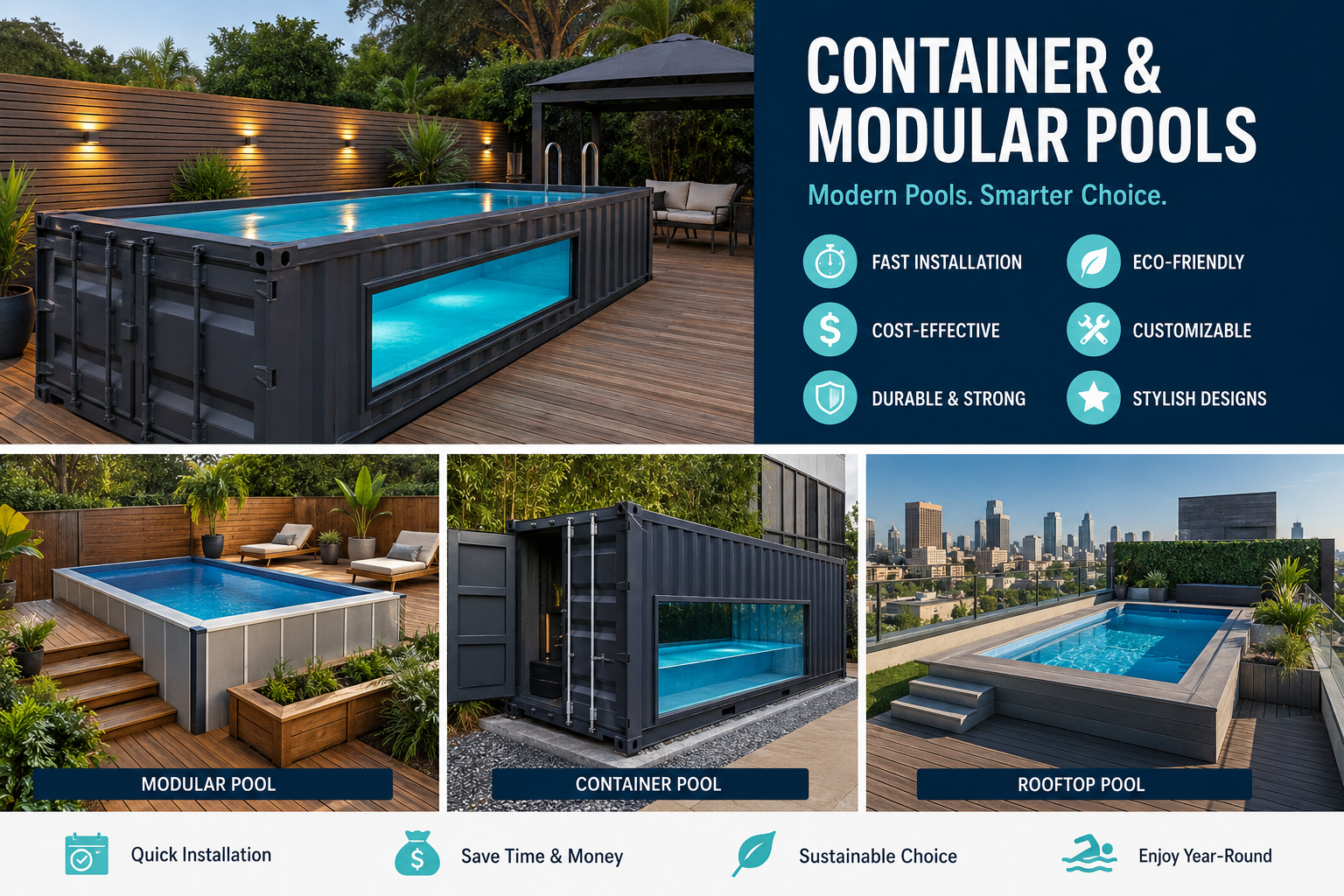

Swimming pools have always been associated with luxury, relaxation, and outdoor entertainment. However, traditional concrete pools often require months of construction, substantial budgets, and significant landscaping work. Today, homeowners are increasingly turning to Container & Modular Pools poolfolie set as a smarter alternative that combines affordability, durability, sustainability, and modern design.
These innovative pools transform shipping containers or prefabricated modular systems into beautiful swimming spaces that can be installed in just a few days. Whether you’re looking for a compact plunge pool, a family-friendly backyard retreat, or a luxurious rooftop installation, modular and container pools provide flexibility that traditional pools simply cannot match.
This comprehensive guide explores everything you need to know before investing in one.
What Are Container & Modular Pools?
Container & Modular Pools are prefabricated swimming pools built off-site before being delivered to the installation location.
There are two primary categories:
| Type | Description |
|---|---|
| Container Pools | Made from recycled or new shipping containers converted into swimming pools. |
| Modular Pools | Built using factory-manufactured panels or modules assembled on-site. |
Unlike conventional concrete pools that are built entirely in place, these systems arrive mostly completed, dramatically reducing installation time.
Why Container & Modular Pools Are Growing in Popularity
Several trends have contributed to their rapid rise.
Faster Installation
Traditional pools may take 8–16 weeks.
A modular or container pool can often be operational within one week after delivery.
Lower Construction Costs
Reduced labor and excavation requirements help homeowners save thousands of dollars.
Sustainable Construction
Many container pools reuse retired shipping containers, reducing waste and supporting environmentally friendly construction practices.
Modern Appearance
Their sleek rectangular shape perfectly complements contemporary architecture.
Portability
Some models can even be relocated if the homeowner moves.
How Container Pools Are Built
Container pools begin as steel shipping containers.
The manufacturing process generally includes:
- Structural reinforcement
- Rust treatment
- Waterproof interior coating
- Insulation
- Plumbing installation
- Electrical wiring
- Filtration system
- Interior finishing
- Exterior customization
- Quality testing
After manufacturing, the finished pool is transported directly to the property.
Understanding Modular Pool Construction
Modular pools are manufactured in sections.
Instead of arriving as one complete structure, individual panels are assembled on-site.
This approach allows greater flexibility in:
- Pool size
- Depth
- Shape
- Accessories
- Landscaping integration
Because the manufacturing occurs in controlled factory conditions, quality control is often superior to on-site concrete construction.
Benefits of Container & Modular Pools
1. Quick Installation
Time is one of their biggest advantages.
Instead of waiting months, many homeowners enjoy swimming within days.
2. Lower Overall Cost
Construction expenses are significantly reduced because there is less:
- Excavation
- Concrete work
- Labor
- Site disruption
3. Excellent Durability
Shipping containers are engineered to withstand:
- Heavy loads
- Harsh weather
- Ocean transport
- Corrosion (after proper treatment)
This makes them surprisingly strong swimming pool structures.
4. Eco-Friendly Design
Recycling steel containers reduces industrial waste.
Many manufacturers also incorporate:
- Solar heating
- LED lighting
- Energy-efficient pumps
- Saltwater filtration
5. Minimal Site Preparation
Many installations require only:
- A reinforced concrete slab
- Gravel foundation
- Utility connections
This keeps landscaping damage to a minimum.
6. Contemporary Style
Minimalist architecture has become increasingly popular.
Container pools perfectly complement:
- Modern homes
- Tiny houses
- Vacation rentals
- Luxury villas
7. Custom Features
Modern manufacturers offer numerous upgrades including:
- Glass viewing panels
- Infinity edges
- Spa sections
- Swim jets
- Heating systems
- Built-in seating
- LED lighting
- Automatic covers
8. Flexible Placement
Container pools can be:
- Above ground
- Partially buried
- Fully in-ground
- Rooftop installed (subject to engineering approval)
- Indoor installations
Container Pool Sizes
Common shipping container dimensions include:
| Container Size | Pool Length |
|---|---|
| 20-foot | Approximately 20 feet |
| 40-foot | Approximately 40 feet |
Depth usually ranges from:
- 4 feet
- 5 feet
- 6 feet
Some manufacturers offer custom depths.
Popular Modular Pool Shapes
Unlike shipping containers, modular pools come in numerous designs.
Examples include:
- Rectangle
- Square
- Lap pool
- L-shape
- Plunge pool
- Courtyard pool
- Freeform designs
This flexibility makes them suitable for nearly every backyard.
Installation Process
Installing Container & Modular Pools generally follows these steps.
Site Inspection
Professionals evaluate:
- Soil conditions
- Drainage
- Access routes
- Utility availability
Foundation Preparation
Depending on the model, foundations may include:
- Concrete slab
- Reinforced footings
- Compacted gravel base
Delivery
Container pools arrive via truck and crane.
Modular systems arrive in separate components.
Placement
The pool is carefully positioned using heavy lifting equipment.
Precision is essential to ensure proper leveling.
Utility Connections
Professionals connect:
- Water supply
- Drainage
- Electrical systems
- Pumps
- Filters
- Heating equipment
Final Testing
Before swimming begins, installers test:
- Water circulation
- Plumbing
- Electrical systems
- Water chemistry
- Safety equipment
How Much Do Container & Modular Pools Cost?
Pricing varies depending on:
- Size
- Features
- Shipping distance
- Site access
- Landscaping
- Heating options
- Decking
A general cost comparison is shown below.
| Pool Type | Estimated Price Range |
|---|---|
| Small Container Pool | $25,000–$40,000 |
| Large Container Pool | $40,000–$70,000+ |
| Modular Pool | $30,000–$80,000+ |
| Traditional Concrete Pool | $60,000–$150,000+ |
Additional expenses may include:
- Crane services
- Permits
- Electrical work
- Landscaping
- Fencing
- Deck installation
Maintenance Requirements
Maintaining Container & Modular Pools is relatively straightforward.
Regular maintenance includes:
Weekly
- Check chlorine or salt levels
- Vacuum debris
- Clean skimmer baskets
- Test pH
Monthly
- Inspect pumps
- Clean filters
- Check plumbing
- Inspect lighting
Annually
- Professional inspection
- Pump servicing
- Recoat surfaces if necessary
- Winterization in colder climates
Routine care extends the life of the pool and ensures safe swimming conditions.
Heating Options
Many homeowners choose to extend their swimming season through efficient heating systems.
Popular options include:
- Electric heat pumps
- Gas heaters
- Solar heating panels
- Wood-fired heaters (where permitted)
Heat pumps are often favored for their energy efficiency, while solar systems can reduce long-term operating costs in sunny climates.
Safety Considerations
Safety should always be part of your planning process. Depending on local regulations, you may need:
- Perimeter fencing
- Self-closing gates
- Pool alarms
- Safety covers
- Slip-resistant decking
Families with young children should also establish clear pool rules and ensure adult supervision whenever the pool is in use.
Frequently Asked Questions
1. Are Container & Modular Pools durable?
Yes. Properly manufactured pools are designed to withstand years of use, with corrosion protection, reinforced structures, and quality waterproof finishes.
2. How long does installation take?
Many container pools can be installed in just a few days once the site is prepared. Modular pools may take slightly longer, depending on their size and complexity.
3. Can these pools be installed above ground?
Absolutely. They can be installed above ground, partially in-ground, or fully in-ground, depending on the design and site conditions.
4. Are they energy efficient?
They can be. Features such as insulated walls, efficient pumps, LED lighting, and solar heating systems help reduce operating costs.
5. Do I need planning permission?
Requirements vary by location. Always check with your local building authority regarding permits, zoning rules, and safety regulations before installation.
6. Which is better: a container pool or a modular pool?
It depends on your priorities. Container pools offer a distinctive industrial look and quick installation, while modular pools provide greater flexibility in size, shape, and customization.
Conclusion
Container & Modular Pools have transformed the way homeowners think about residential swimming pools. By combining modern engineering, streamlined installation, and versatile design options, they offer an attractive alternative to traditional concrete pools. Whether your goal is to create a compact plunge pool, a stylish entertainment area, or a family-friendly backyard retreat, these prefabricated solutions can meet a wide range of needs and budgets.
Before making a purchase, compare manufacturers, evaluate your site, understand local building requirements, and consider long-term maintenance and operating costs. With thoughtful planning and professional installation, a container or modular pool can provide years of enjoyment while adding value and visual appeal to your property.
For additional guidance on pool safety and maintenance, consult resources from recognized organizations such as the Pool & Hot Tub at https://pool.net/poolfolie/