
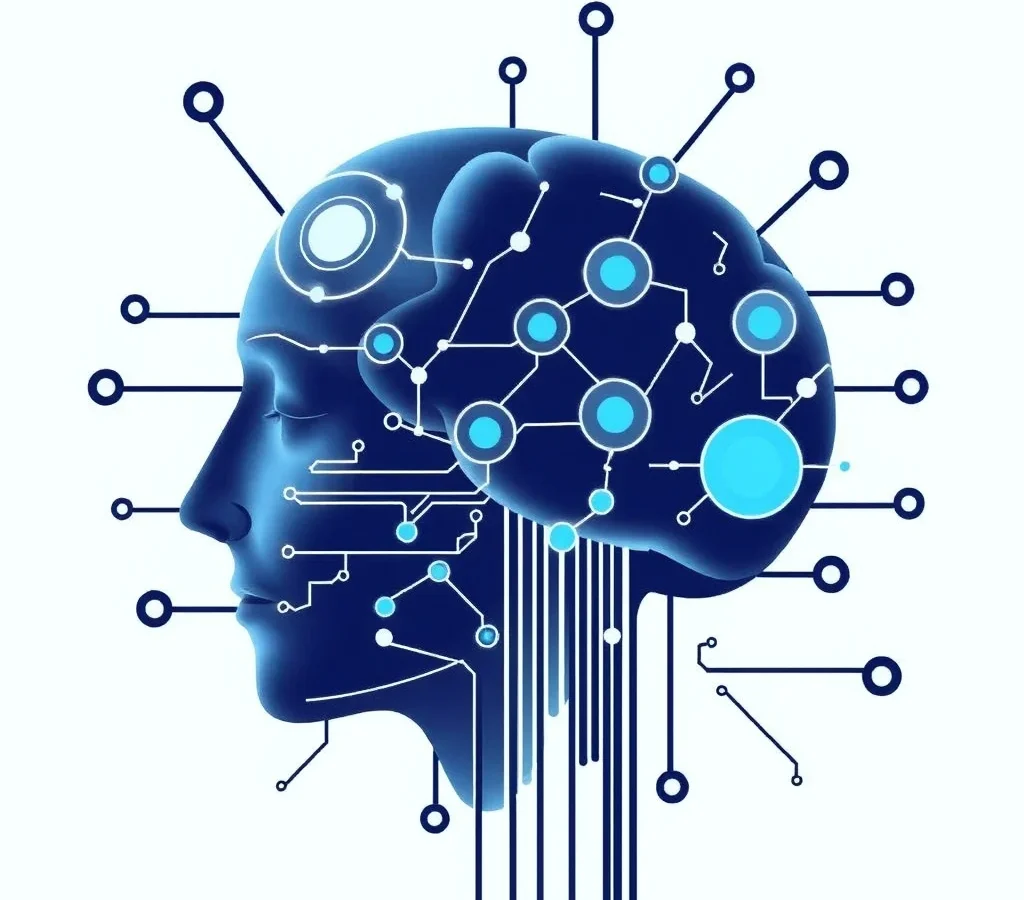

Artificial intelligence (AI) is becoming an important research tool in the scientific effort to understand aging, prevent age-related disease, and extend healthy lifespan. By combining machine learning with genomics, proteomics, medical imaging, electronic health records, and other biological data, researchers can investigate patterns that would be difficult to identify manually.
However, AI is not a shortcut to proving that a treatment can slow or reverse human aging. Its strongest role today is as an analytical and discovery tool that helps researchers generate hypotheses, identify biomarkers, prioritize drug candidates, and design better studies.
This guide explains how artificial intelligence is being used in longevity research, what the evidence shows, its potential benefits and limitations, and what researchers and readers should understand before interpreting claims about AI-powered longevity.
Table of Contents
- What Is AI in Longevity Research?
- How AI Is Used in Longevity Research
- AI Aging Clocks and Biomarkers
- AI for Drug Discovery and Therapeutics
- AI, Genomics and Multi-Omics
- AI in Clinical and Population Research
- Benefits and Opportunities
- Limitations and Ethical Challenges
- Traditional Research vs AI-Assisted Research
- Expert Tips for Evaluating AI Longevity Claims
- Common Mistakes to Avoid
- The Future of AI in Longevity Research
- Frequently Asked Questions
What Is AI in Longevity Research?
AI in longevity research refers to the use of machine learning, deep learning, statistical modeling, natural language processing, and related computational methods to analyze biological and health data associated with aging and longevity.
Aging is a complex process involving interactions among genes, proteins, metabolism, immune function, cellular damage, lifestyle, environment, and disease. This complexity creates large datasets that are well suited to computational analysis.
The National Institute on Aging (NIA) supports research using AI and machine learning to study aging biology, health outcomes, biomarkers, genetics, genomics, and exceptional longevity. Its programs include work designed to integrate multi-omics data and identify predictive biomarkers, drug targets, and potential therapeutics. NIA’s AI research portfolio provides an overview of these efforts.
How AI Is Used in Longevity Research
1. Discovering aging biomarkers
Biomarkers are measurable characteristics that can indicate biological processes, disease states, or responses to interventions. AI can analyze large numbers of molecular, imaging, physiological, behavioral, and digital measurements to identify combinations associated with aging outcomes.
This matters because chronological age alone does not describe how quickly every person’s body is aging. Better biomarkers could help researchers measure biological changes and evaluate interventions more efficiently.
2. Identifying therapeutic targets
Machine learning can search complex biological datasets for relationships among genes, proteins, pathways, diseases, and measurable traits. Researchers can then investigate promising targets experimentally.
3. Accelerating drug discovery
AI can help prioritize compounds, predict molecular properties, analyze existing scientific literature, and identify potential drug-disease relationships. These approaches may reduce the number of candidates that need to be evaluated experimentally, although laboratory and clinical validation remain essential.
4. Predicting health trajectories
Longitudinal health records can contain information about how health changes over time. AI models can examine these patterns to estimate risks or identify subgroups that warrant further study.
5. Analyzing medical images
Computer vision can identify subtle features in medical images and biological microscopy. In aging research, image analysis can help quantify changes in tissues, cells, and organs.
AI Aging Clocks and Biomarkers
One of the most discussed applications of AI in longevity research is the development of biological or aging clocks. These models estimate biological age or related physiological states using measurable features rather than simply counting years since birth.
Deep-learning aging clocks have been studied as tools for biomarker discovery, therapeutic target identification, health-trajectory prediction, and evaluation of interventions. Research reviews describe their potential across pharmaceutical development and clinical research, while also emphasizing the complexity of validating these measures. PubMed’s review of deep aging clocks summarizes this area.
Recent NIH-supported research also illustrates the broader movement toward multidimensional biological-age measurement. In 2025, NIH reported on a framework using eight metrics representing different aspects of health and biological age, with researchers investigating whether such measures can predict future disability and mortality. NIH’s report explains the research.
Why aging clocks are useful
- They can provide quantitative measures for research.
- They may reveal biological differences among people with the same chronological age.
- They can help researchers investigate candidate interventions.
- They may help identify relationships between biological states and future health outcomes.
An important caveat is that an aging-clock score is not automatically a diagnosis, a measure of remaining lifespan, or proof that a treatment will extend life. Researchers must establish reliability, biological relevance, reproducibility, and clinical validity.
AI for Drug Discovery and Therapeutics
Drug development is a major area where AI and longevity research intersect. Aging contributes to multiple chronic conditions, so researchers are interested in therapies that target mechanisms underlying age-related disease rather than treating each condition in isolation.
AI can assist with several stages of discovery:
- Finding relationships between biological targets and diseases.
- Predicting properties of candidate molecules.
- Screening large chemical libraries computationally.
- Repurposing existing medicines for new research questions.
- Prioritizing candidates for laboratory testing.
- Analyzing clinical and preclinical datasets.
The NIA has specifically supported AI and machine-learning approaches for preclinical drug development, including efforts related to Alzheimer’s disease and related dementias. Its current aging research programs also include computational approaches and in-silico models. NIA’s translational research programs describe these priorities.
AI can therefore shorten parts of the discovery cycle, but it cannot remove the need for toxicology, pharmacology, clinical trials, regulatory review, and long-term safety monitoring.
AI, Genomics and Multi-Omics
Longevity is influenced by many biological systems. Researchers can study genomics, epigenomics, transcriptomics, proteomics, metabolomics and other data types to build a more complete picture.
The challenge is that these datasets are high-dimensional and interconnected. AI can help integrate them, identify clusters, detect nonlinear relationships, and generate predictions for experimental testing.
NIA has highlighted the use of AI and machine learning to integrate genetics and multi-omics datasets from studies of exceptional longevity. The objective includes identifying molecular traits, signaling pathways, predictive biomarkers, drug targets, and therapeutics associated with healthy longevity. NIA’s overview of exceptional longevity research provides further context.
This approach is particularly valuable because exceptionally long-lived people may possess biological characteristics that protect against or delay certain age-related diseases. NIA notes that fewer than 1% of Americans live to age 100, making exceptional longevity a distinctive population for research.
AI in Clinical and Population Research
AI can also help researchers analyze real-world clinical information and longitudinal population datasets. These models may uncover patterns in disease progression, treatment response, cognitive decline, frailty, or other outcomes.
NIA’s population-studies program identifies AI and deep learning as tools for precision medicine research, including dementia subtyping, biomarker discovery, and personalized interventions. The program also emphasizes diverse cohorts, reproducibility, explainability, fairness, and trustworthy AI. NIA’s population AI research milestone outlines these priorities.
Example: cognitive and neurological aging
AI is being investigated for detecting and predicting cognitive changes. NIA reports that an AI-based speech-analysis approach predicted progression from cognitive impairment toward Alzheimer’s disease with more than 78% accuracy in one research setting. Such findings are promising, but performance in a research cohort does not automatically mean a model is ready for routine clinical use.
That distinction is essential when evaluating health-related AI: a model’s accuracy depends on the population, dataset, outcome definition, validation method, and clinical context.
Benefits and Opportunities
Faster analysis of complex data
Modern biological studies can generate enormous datasets. AI can process these data at a scale that would be impractical through manual analysis alone.
Better hypothesis generation
AI can reveal associations that researchers may not initially consider. Those associations can become hypotheses for laboratory and clinical investigation.
More precise research
AI can help identify biological subgroups and potentially support more targeted studies instead of treating all participants as biologically identical.
Potentially faster therapeutic discovery
By prioritizing promising targets and compounds, AI may reduce wasted experimental effort. The ultimate benefit depends on whether computational predictions survive real-world validation.
Integration of multiple data types
AI can combine information from genetics, laboratory measurements, imaging, clinical records, wearable devices, and other sources to support more comprehensive models.
Limitations and Ethical Challenges
AI can be powerful, but its output is only as reliable as the data, assumptions, model design, and validation behind it.
Data quality and bias
If training data underrepresent particular populations, an algorithm may perform less reliably for those groups. NIA explicitly emphasizes diverse cohorts and fair, trustworthy AI in aging research.
Correlation is not causation
An AI model can identify a statistical association without demonstrating that one biological factor causes another. Experimental research remains necessary to establish mechanisms.
Overfitting
A model can perform exceptionally well on its training data while failing on new datasets. Independent external validation is therefore crucial.
Privacy
Longevity research can involve sensitive genetic, clinical, and behavioral information. Researchers must apply appropriate governance, privacy protections, security controls, and informed-consent practices.
False longevity claims
AI-generated predictions can be exaggerated in marketing. A computational model predicting a possible intervention or biological age does not establish that a supplement, drug, or lifestyle product will extend human lifespan.
Traditional Research vs AI-Assisted Research
| Area | Traditional approach | AI-assisted approach |
|---|---|---|
| Data analysis | Often relies heavily on predefined statistical methods and manual review | Can identify complex patterns across large datasets |
| Biomarker discovery | Tests selected markers and hypotheses | Can screen many candidate features and combinations |
| Drug discovery | Laboratory screening and iterative experimentation | Can computationally prioritize candidates before experiments |
| Clinical prediction | Uses established risk models and clinician assessment | Can model complex relationships in large datasets |
| Validation | Laboratory and clinical testing | Still requires laboratory and clinical testing |
The best model is usually not AI versus traditional science. It is AI combined with rigorous experimental, clinical, statistical, and regulatory methods.
Expert Tips for Evaluating AI Longevity Research
- Look for peer-reviewed evidence. Give greater weight to reproducible research than promotional claims.
- Check the study population. Ask whether the participants resemble the people to whom the findings are being applied.
- Separate prediction from proof. A prediction is a starting point for research, not confirmation of a biological mechanism.
- Look for external validation. Strong models should be tested on independent datasets.
- Check the endpoint. Biological age, disease risk, healthspan, and lifespan are different outcomes.
- Look for prospective evidence. Longitudinal and prospective studies can provide stronger evidence about future outcomes than retrospective associations.
- Be cautious with commercial claims. A company’s use of AI does not by itself establish clinical effectiveness.
Common Mistakes to Avoid
- Assuming AI can accurately predict an individual’s exact lifespan.
- Confusing chronological age with biological age.
- Treating an experimental biomarker as a clinically validated diagnostic.
- Assuming a computational drug candidate is already an effective medicine.
- Ignoring demographic bias and dataset limitations.
- Using a single AI-generated result as proof of causation.
- Believing that AI eliminates the need for human researchers, laboratory experiments, or clinical trials.
- Interpreting early animal or cell research as established human longevity treatment.
The Future of AI in Longevity Research
The next phase of longevity research is likely to involve deeper integration between AI, multi-omics, biomarkers, imaging, wearable sensors, clinical records, and experimental biology.
Researchers are also exploring computational models sometimes described as digital twins. The goal is to build increasingly informative representations of an individual’s health and biological state that could eventually support personalized research and care. NIA identifies AI, digital twins, computational biology, biomarkers, and in-silico models among areas of interest in aging research.
Another important development is the use of AI to study cellular senescence. In 2026, NIH reported a large-scale atlas of senescent cells that used computational and AI-based methods alongside single-cell and spatial omics technologies. The work identified biological markers and potential research directions for age-related disease and experimental senolytic therapies. NIH’s 2026 report describes the findings.
These developments illustrate the likely direction of the field: AI will increasingly help researchers navigate complexity, but progress will depend on high-quality data, biological insight, rigorous validation, and carefully designed human studies.
Frequently Asked Questions
1. How is artificial intelligence used in longevity research?
AI is used to analyze biological and health datasets, discover biomarkers, build aging clocks, identify therapeutic targets, prioritize drug candidates, analyze medical images, and model health outcomes.
2. Can AI predict how long a person will live?
AI can produce statistical predictions about health outcomes in research settings, but no AI model should be treated as an exact predictor of an individual’s remaining lifespan.
3. What are AI aging clocks?
AI aging clocks are computational models that estimate biological age or related health characteristics from measurable biological or clinical data. They are research tools and require validation for specific uses.
4. Can AI discover anti-aging drugs?
AI can help identify targets and prioritize candidate compounds for testing. It cannot independently establish that a candidate is safe or effective in humans.
5. What data does AI use in longevity research?
Depending on the study, data can include genetics, epigenetics, gene expression, proteins, metabolites, medical images, electronic health records, laboratory tests, wearable measurements, and longitudinal health information.
6. Is AI already being used by major aging research organizations?
Yes. The U.S. National Institute on Aging supports AI and machine-learning research across aging biology, biomarkers, population studies, dementia research, drug discovery, and technology development.
7. What is the biggest limitation of AI in longevity research?
A major limitation is that computational associations do not automatically demonstrate causation or clinical effectiveness. Models also depend heavily on data quality, representativeness, validation, and appropriate interpretation.
8. Will AI make human longevity treatments available soon?
AI may accelerate parts of biomedical discovery, but the timeline for effective longevity interventions remains uncertain. Treatments still require rigorous preclinical and human clinical evidence and, where applicable, regulatory authorization.
Conclusion
Artificial intelligence is becoming an important component of longevity research because it can help scientists analyze biological complexity at unprecedented scale. From aging clocks and biomarker discovery to multi-omics analysis and drug discovery, AI can make it easier to identify patterns and prioritize promising research directions.
But AI should be viewed as an accelerator of scientific investigation, not a replacement for scientific validation. The most meaningful advances will come when computational predictions are combined with experimental biology, high-quality longitudinal data, diverse populations, clinical trials, and transparent research practices.
For readers interested in longevity, the safest approach is to distinguish promising research from established medicine. AI can point researchers toward what may work; rigorous science must determine whether it actually does.
Call to Action
Stay informed about emerging developments in artificial intelligence, longevity research, biomarkers, healthy aging, and biotechnology. Follow Signal Media MKG for practical, evidence-based guides that help you understand important developments without confusing early research with proven medical treatment.
Medical and research disclaimer: This article is for educational purposes only and does not provide medical advice. Longevity interventions and experimental therapies should be discussed with qualified healthcare professionals, and readers should verify claims against current peer-reviewed evidence and relevant regulatory guidance.