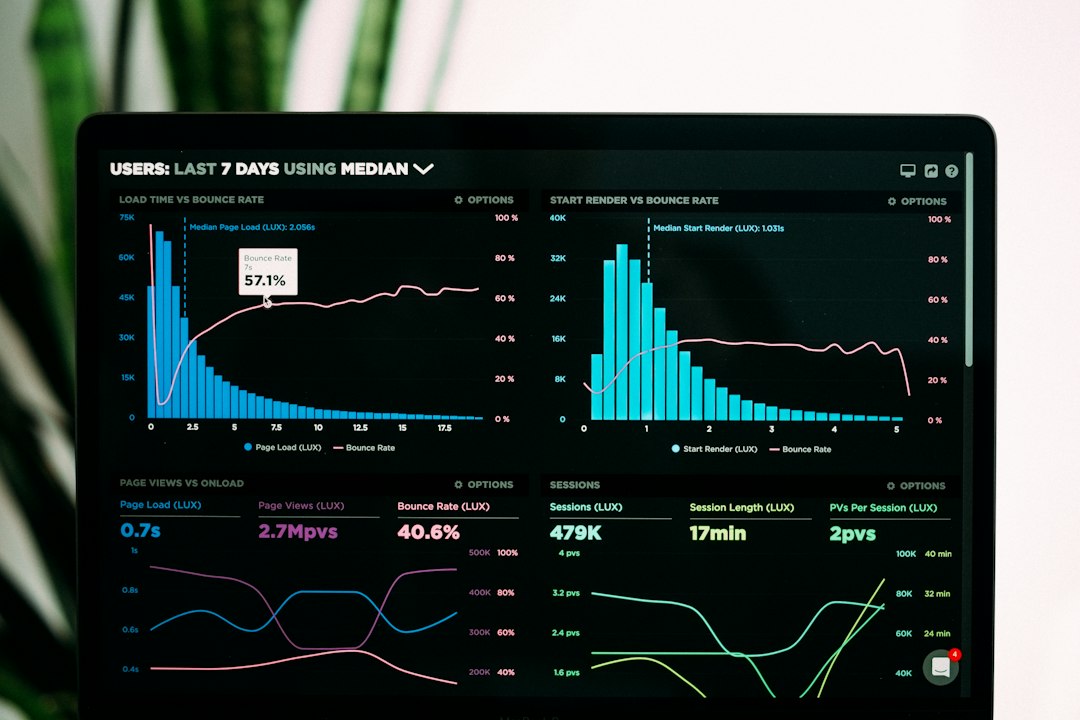

In this comprehensive guide, you will discover how to master search intent optimization to systematically align your website’s content with exactly what your audience is seeking. Understanding and satisfying the underlying motivations behind user queries is no longer just a helpful SEO tactic; it is the single most important factor determining your search visibility. By learning how to analyze search engine results pages (SERPs), categorize user goals, and structure your pages effectively, you will build a sustainable framework that drives highly qualified traffic and improves conversion rates.
النقاط الرئيسية
- User satisfaction over keyword frequency: Search engines prioritize content that directly answers questions and resolves user problems rather than pages that repeat specific search terms.
- SERP features dictate intent: Analyzing elements like featured snippets, local packs, and video carousels reveals exactly what format searchers prefer.
- Continuous adaptation is required: Search behavior changes over time, meaning intent optimization is an ongoing process of monitoring, testing, and updating your content.
How Does Search Intent Optimization Drive Modern Organic Traffic?
Search engines exist to provide users with the most relevant answers to their questions in the shortest possible time. Search intent optimization is the process of deciphering the exact reason a user types a query into a search bar and tailoring your web content to serve that precise need. When your content matches what a user expects to find, search engines reward you with higher placements, increased visibility, and sustained organic performance.
Modern search algorithms rely heavily on semantic understanding and machine learning models to interpret human language. Instead of matching literal strings of words, search systems analyze the context, search history, and implicit needs behind every query. Satisfying these deep context signals directly impacts user engagement metrics, such as dwell time and bounce rate, which act as powerful validation signals for search platforms.
If a visitor clicks on your link but quickly returns to the search results because your page does not answer their question, search engines recognize the mismatch. This behavior, often referred to as pogo-sticking, signals that your page did not satisfy the user’s journey. By optimizing for intent, you prevent this friction, build trust with your audience, and turn casual searchers into loyal customers.
What Are the Primary Types of Search Intent to Target?
To optimize your content effectively, you must first understand how user queries are classified. Traditionally, search behavior is categorized into four primary types of intent, each requiring a completely distinct content layout, tone, and call to action.
Informational Intent: The searcher is looking for knowledge, answers to specific questions, or educational resources. These queries often begin with words like “how to,” “what is,” “guide,” or “tips.” The primary goal of your content here should be to educate, clarify, and build authority without pushing for an immediate sale.
Commercial Intent: The searcher is in the investigation phase, comparing different solutions, brands, or products before making a decision. Keywords often contain terms like “best,” “vs,” “review,” or “top-rated.” Your content must provide objective analysis, comparison tables, and clear feature breakdowns to help the user make an informed choice.
Transactional Intent: The user has decided to buy and is looking for a place to complete their purchase. Queries are highly specific, including terms like “buy,” “discount,” “pricing,” or product names combined with “online store.” Optimization here focus heavily on product landing pages, fast checkout experiences, clear pricing, and compelling calls to action.
Navigational Intent: The searcher wants to reach a specific website or physical location. Examples include searching for “log in page for [Software]” or “directions to [Brand Name].” While you cannot easily hijack navigational queries for other brands, you must ensure your own brand’s digital infrastructure is perfectly optimized for these terms.
How Do You Align Content with the Modern User Journey?
Aligning your content with the user journey requires analyzing the search engine results pages to decode what the algorithms have already determined users want. Before writing a single word, execute a live search for your target keyword and carefully examine the top-ranking pages.
Look at the format of the top results. Are they long-form blog posts, product category pages, interactive calculators, or video tutorials? If the top ten results for a query are all interactive tools, publishing a 3,000-word written guide is unlikely to achieve high visibility, regardless of how well-written it is. The search engine has determined that the intent for this specific query is practical utility, not reading.
Additionally, examine the SERP features present on the page. The presence of a featured snippet suggests users want a quick, direct definition. A “People Also Ask” block highlights closely related questions you must address within your content. A map pack indicates strong local transactional intent, requiring you to optimize your local business presence alongside your landing pages.
| Intent Type | User Motivation | Common Search Terms | Optimal Content Format |
|---|---|---|---|
| Informational | Acquire knowledge or solve a problem | How to, what is, guide, tutorial | Blog posts, ultimate guides, whitepapers |
| تجارية | Compare options and read reviews | Best, versus, comparison, top 10 | Product roundups, comparison tables, reviews |
| Transactional | Complete a purchase or signup | Buy, coupon, cheap, near me | Product pages, landing pages, booking forms |
| Navigational | Find a specific website or brand page | [Brand] login, [Brand] contact | Homepage, support portals, contact pages |
What Steps Should You Take to Optimize Content for User Intent?
Once you understand the landscape, you can implement a structured optimization workflow. Start by grouping your target keywords into logical clusters based on shared intent. This prevents content cannibalization, which occurs when multiple pages on your website target the exact same user query and actively compete against one another in search rankings.
Structure your content with logical heading hierarchies (H2, H3, H4) that mirror the questions users ask. Put the most important information first, delivering a direct answer to the user’s primary query within the opening paragraphs. This is particularly crucial for satisfying conversational search systems and securing coveted featured snippet placements.
Next, optimize your visual assets and formatting to make your page easy to digest. Use bullet points for lists, bold text for key concepts, and custom graphics to break up dense walls of text. Users routinely scan pages for quick answers; if your site is difficult to read on mobile devices or slow to load, visitors will abandon your page, signaling poor intent satisfaction to search engines.
How Do Search Engines Evaluate Intent Satisfaction?
Search engines continuously refine how they interpret user behavior to ensure their search listings remain helpful and accurate. Rather than relying on simple keyword matches, algorithms assess how comprehensively your page addresses a topic. This is done through semantic analysis, examining whether your content contains the necessary related terms, synonyms, and subtopics that naturally accompany an authoritative discussion.
To gain a deeper perspective on how search platforms assess relevance, you can review Google’s official guide on how search algorithms work, which highlights the critical importance of understanding what users are actually looking for when they query. If your content provides original research, clear examples, and structured data, it demonstrates a high level of expertise, authority, and trustworthiness.
Ultimately, satisfying intent means resolving the user’s search journey on your website. If a user lands on your site, finds a comprehensive solution, and does not return to search for the same topic, your page has succeeded. This positive loop is the most reliable way to build long-term topical authority and secure top rankings.
Expert Tips for Refining Your Intent Strategy
- Prioritize the format over the word count: Do not force a simple informational query into a lengthy ebook if the user simply wants a quick definition or a downloadable template.
- Implement schema markup: Use structured data, such as FAQ schema or product schema, to help search engines understand the exact purpose of your page content.
- Review search console queries: Look at the exact phrases driving traffic to your pages in Google Search Console to identify unexpected search intents you can optimize for.
- Update outdated content regularly: User intent and expectations change; refresh your high-performing assets annually to keep up with shifting market trends.
Common Mistakes to Avoid in Intent Optimization
One of the most frequent errors in digital marketing is forcing promotional or transactional copy onto informational searches. If a user searches for a broad concept like “how to plan a budget,” they are seeking helpful advice and templates. Bombarding them immediately with aggressive sales pitches, intrusive pop-ups, or hard-sell copy will only drive them away from your site.
Another common mistake is ignoring local variations in search intent. The word “pizza” can have a local informational intent (finding nearby restaurants) or a transactional intent (ordering online). Failing to analyze the local SERP landscape can lead to highly irrelevant content strategies that fail to connect with target audiences.
Finally, do not rely purely on automated keyword metrics like volume and difficulty without performing manual SERP analysis. A keyword might look easy to rank for on paper, but if the entire first page is populated by major government or academic institutions, a commercial blog post is highly unlikely to break into those top positions.
الأسئلة الشائعة
What is search intent optimization?
Search intent optimization is the process of structuring, writing, and formatting web content to match the exact objective or problem a search engine user wants to solve. By satisfying this specific user goal, websites improve their search engine rankings, keep visitors engaged for longer, and drive higher organic conversion rates.
How does search intent affect modern organic rankings?
Search engines use advanced machine learning systems to evaluate whether your page genuinely helps a user solve their query. If visitors frequently leave your page quickly to find answers elsewhere, search engines interpret this as a mismatch in intent and will lower your rankings over time in favor of more helpful resources.
What are the four primary classifications of search intent?
The four traditional classifications of search intent are informational (seeking knowledge or tutorials), commercial (investigating and comparing brands or products), transactional (looking to complete a direct purchase), and navigational (attempting to locate a specific website, brand, or physical destination).
How can you identify search intent using search engine results pages?
You can identify search intent by analyzing the existing top-ranking results for a keyword. If the top pages are primarily blog posts, the intent is informational. If the results are filled with product pages, comparison grids, or local maps, the intent leans toward transactional, commercial, or local search respectively.
Why is intent alignment more critical than traditional keyword density?
Keyword density is an outdated metric that search engines no longer rely on. Modern algorithms use natural language processing to comprehend topical depth and context. Aligning with intent ensures your content actually answers the searcher’s question, which is what search engines actively prioritize over repetitive keyword usage.
Can a single piece of content satisfy multiple search intents?
Yes, especially for high-volume head terms where user intent is fragmented. However, it is generally best practice to target one primary search intent per page to keep the content highly focused. You can address minor secondary intents using structured subheadings, FAQs, or dedicated internal links.
How do zero-click searches alter your search intent strategy?
Zero-click searches occur when search engines answer a query directly on the SERP via featured snippets or interactive widgets. To adapt, optimize your content to provide concise answers for featured snippets while offering deeper, highly valuable insights that entice searchers to click through to your full page.
How frequently should you audit your site for intent decay?
You should audit your high-value pages for intent decay at least once every six months. Search algorithms frequently adjust the types of results they display for specific terms as consumer trends change. Regular audits allow you to update your layout, refresh facts, and maintain alignment with user expectations.
To begin improving your site’s performance, audit your top ten organic traffic-driving pages today. Identify which intent category they are targeting, analyze the current search engine results pages for those keywords, and adjust your headings and calls to action to ensure they perfectly match what your audience expects to find. Consistent refinement of your intent-matching strategy will lead to sustained, high-quality organic growth.