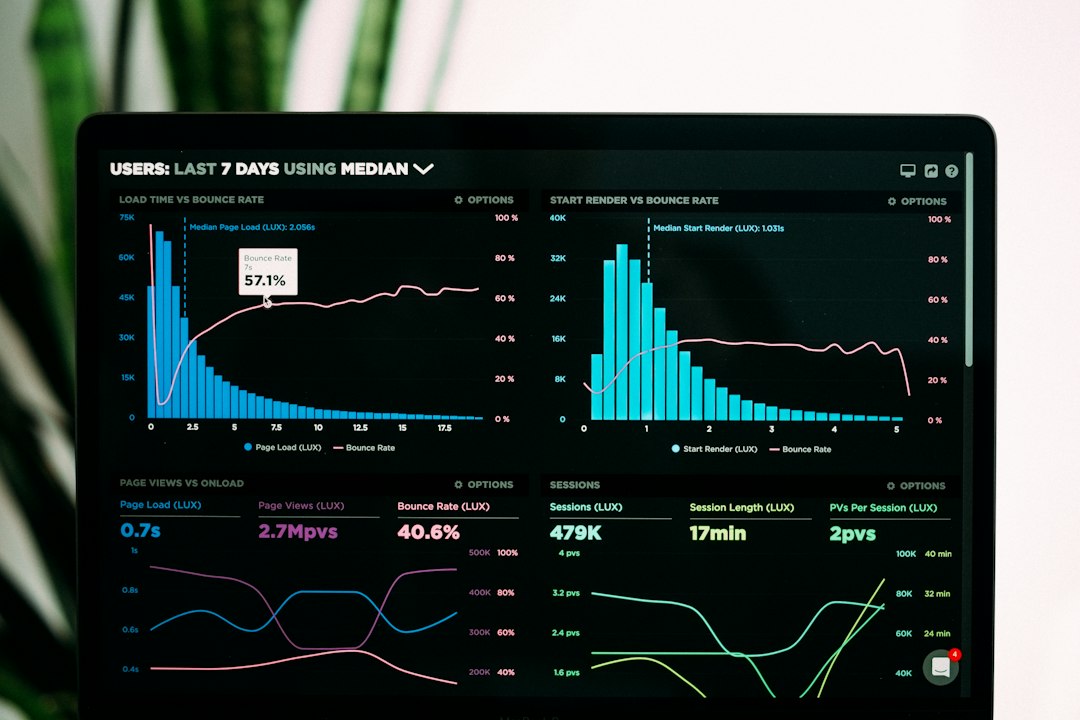

Mastering खोज इरादा अनुकूलन is the single most effective strategy to improve organic rankings, elevate engagement, and drive high-converting traffic in 2026. In this comprehensive guide, you will learn how to accurately decode search engine results pages, categorize audience expectations, and structure your content to satisfy exact user queries. By aligning your website with specific user needs, you can systematically secure higher rankings while eliminating high bounce rates.
मुख्य बातें:
- Search intent determines whether search engines view your content as a valuable solution or a non-responsive result.
- Matching the four core intent types—informational, navigational, commercial, and transactional—is critical for sustainable SEO growth.
- Aligning content structure, page layout, and calls to action directly with SERP signals boosts user engagement and retention.
Why Does Search Intent Drive Modern SEO Success?
Search engines exist to provide users with the most relevant, accurate, and efficient answers possible. When a user enters a query into a search bar, algorithms analyze thousands of signals to determine what that individual wants to accomplish. Achieving top rankings requires understanding the psychological goal behind each query rather than relying solely on target keywords.
Modern ranking systems evaluate detailed engagement signals, content layout, and user satisfaction metrics. When your page matches search intent optimization principles, visitors remain on your page longer, read deeper, and complete key actions. These positive user interactions signal to search engines that your content deserves consistent, high-visibility positioning on search result pages.
How Do You Classify the Four Primary Types of Search Intent?
Every search query falls into one or more fundamental intent categories. Recognizing these categories allows you to choose the ideal page format, word count, and visual hierarchy for your content.
Informational Intent
Users with informational intent want to learn something specific, solve a problem, or build foundational knowledge. Examples include queries like “how to clean suede shoes” or “what is organic traffic.” Content targeting this intent should focus on educational depth, direct answers, and intuitive subheadings.
Navigational Intent
Navigational searches occur when users seek a specific website, brand, or portal. Queries like “Google Search Console login” or “Shopify pricing page” reflect a precise destination. Optimizing for navigational queries requires clear sitelinks, clean metadata, and reliable site architecture so visitors arrive quickly.
Commercial Investigation Intent
Before purchasing, consumers perform research to evaluate options, read reviews, or compare solutions. Queries such as “best SEO tools for small business” signify commercial intent. Effective content formats include comparison tables, pros and cons lists, and objective evaluations to guide buying decisions.
Transactional Intent
Transactional queries represent the final stage of the buyer journey, where users intend to purchase, sign up, or download immediately. Keywords often contain verbs like “buy,” “order,” or specific product models. Pages satisfying transactional intent must prioritize quick loading speeds, clear pricing, customer reviews, and streamlined checkout processes.
How Can You Conduct a Search Intent Audit Step by Step?
Executing a search intent audit ensures your existing content satisfies current search engine standards and audience expectations. Follow these four practical steps to evaluate and refine your target URLs.
1. Analyze Top-Ranking Competitors
Search engine result pages (SERPs) provide the exact blueprint for user intent. Search your primary topic and carefully review the top five organic listings. Note whether the dominant formats are step-by-step guides, short tool pages, video tutorials, or product listing pages.
2. Evaluate Active SERP Features
Pay close attention to dynamic SERP features such as People Also Ask blocks, featured snippets, video carousels, and shopping modules. A query dominated by video elements signals that searchers prefer visual demonstrations over text-heavy articles.
3. Identify Content Gaps and Formatting Standards
Examine how top-ranking pages structure their information. Check whether they rely on bulleted lists, comparative data, or expert commentary. Identify critical details your competitors missed so you can provide superior context in your own content.
4. Refine Metadata and Page Headlines
Your meta title, meta description, and primary subheadings should clearly communicate your page’s target outcome. Aligning your title tag directly with the primary user objective boosts click-through rates from the SERP.
Content Formats Matched to Search Intent Types
Selecting the correct content structure is essential for meeting user expectations. The comparison table below outlines how to map intent categories to appropriate page formats and call-to-action strategies.
| इरादा प्रकार | Primary User Goal | Recommended Content Format | Ideal Call to Action |
|---|---|---|---|
| सूचनात्मक | Learn or answer a question | In-depth guides, tutorials, FAQs | Newsletter signup, free resource download |
| नेविगेशनल | Reach a specific destination | Homepage, login page, contact page | Direct sign-in, main menu link |
| वाणिज्यिक | Compare products or solutions | Comparison tables, product roundups | View pricing, request product demo |
| लेन-देन | Complete a purchase or registration | E-commerce product page, sign-up form | Add to cart, buy now, start trial |
What Evidence Shows the Impact of Intent Alignment?
Aligning page structure with explicit user expectation is grounded in official search quality guidelines. According to the official Google Search Essentials documentation, creating helpful, reliable, people-first content designed for human users—rather than manipulating algorithms—is the primary requirement for sustained indexing and ranking success.
For instance, a corporate training company targeting the query “best leadership workshops” originally directed organic traffic to a aggressive sales landing page. The page suffered from high bounce rates and stagnant rankings because searchers wanted unbiased comparative information rather than an immediate sales pitch. After converting the page into a detailed buyer’s guide featuring curriculum comparisons, video previews, and pricing tiers, organic traffic increased significantly while session duration doubled.
Actionable Expert Tips for Search Intent Optimization
- Answer the Core Query Fast: Provide a direct summary answer within the first 100 words to reassure users they have landed on the right page.
- Monitor Intent Shifts Periodically: Search intent can evolve based on seasonal market changes or economic trends. Re-evaluate your key landing pages annually to ensure they still align with live SERP layouts.
- Incorporate Visual Signals: If top-ranking pages feature infographics, custom diagrams, or step-by-step screenshots, add similar original media to improve engagement.
- Guide Users to Secondary Goals: Informational readers often transition into commercial prospectors. Include relevant contextual links that lead readers deeper into your content funnel.
What Are the Most Common Search Intent Mistakes to Avoid?
Avoiding critical errors during content creation preserves your search visibility and prevents wasted publishing effort. Keep these frequent mistakes in mind:
- Misjudging Keyword Objective: Treating a keyword as transactional when searchers want educational content leads to high bounce rates and low conversions.
- Overloading Pages with Intrusive Elements: Displaying aggressive pop-ups or full-screen banners before answering the primary search query alienates visitors.
- Ignoring SERP Feature Requirements: Failing to format content for featured snippets or People Also Ask boxes costs you valuable top-of-page real estate.
- Publishing Generic Thin Content: Rephrasing top search results without offering original insights, structured data, or practical advice fails to build topical authority.
अक्सर पूछे जाने वाले प्रश्न
What is search intent in SEO?
Search intent represents the fundamental goal or motivation behind a user’s online query. It indicates whether the searcher wants to research a topic, find a specific website, compare commercial products, or make a direct purchase online.
How do search engines evaluate user intent?
Search engines evaluate intent using natural language processing algorithms, query patterns, user interaction metrics, and content structural elements across top-ranking pages to match queries with optimal content formats.
What happens if content misaligns with search intent?
When content misaligns with search intent, visitors quickly exit the page to select a different search result. Search engines interpret high bounce rates and brief dwell times as signals that the content is unhelpful, resulting in reduced rankings.
Can a single web page target multiple search intents?
Yes, certain broad search queries carry mixed intent where users seek both educational concepts and product options. Pages addressing mixed intent should answer primary informational needs first while offering clear pathways to commercial options.
How often should you re-evaluate page search intent?
It is best practice to re-evaluate search intent during routine content maintenance, typically every 6 to 12 months, or whenever a core revenue-generating page experiences an unexpected decline in organic rankings.
How does search intent affect keyword difficulty?
Transactional and commercial keywords generally carry higher difficulty ratings because they drive immediate business revenue. Informational keywords often feature higher search volume but require structured marketing funnels to capture leads.
What tools help analyze search intent accurately?
SEO platforms like Google Search Console, Ahrefs, and Semrush offer keyword intent categorizations. However, manually analyzing live top 10 search results remains the most accurate method to decode true user expectations.
Does voice search change how we optimize for search intent?
Voice search queries tend to be longer, conversational, and phrased as complete questions. Optimizing for voice intent requires direct, concise answers structured clearly beneath natural question headings.
Achieving sustained organic growth requires a deliberate focus on intent alignment across your web assets. By analyzing live SERP layouts, matching page structures to explicit user goals, and delivering clear value immediately, you build long-term topical authority. Select five of your primary traffic pages today, perform a quick search intent audit against current top-ranking competitors, and make targeted structural improvements to strengthen your organic performance.