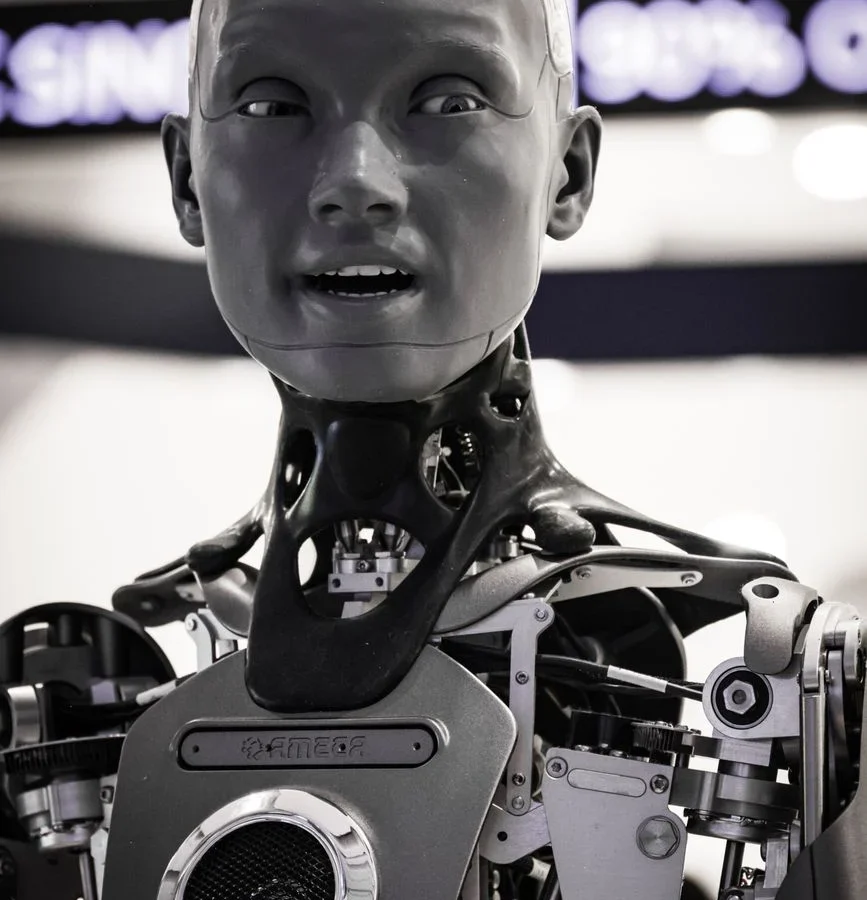

ヒューマノイドロボット は人体のような構造を持つロボットで、通常は胴体、頭、腕、手、2本の足を含みます。目的は、ロボットを人間に見せるだけではありません。人間型のデザインは、ロボットが人間の体、道具、ドア、棚、車両、作業台の周りで動作することを可能にします。
最近の人工知能、コンピュータビジョン、センサー、アクチュエーター、バッテリー、シミュレーション、ロボティクスソフトウェアの進歩は、ヒューマノイドシステムへの関心を加速させています。企業や研究機関は、産業作業、物流、研究、教育、医療支援、その他の環境でのテストを行っています。
しかし、ヒューマノイドロボティクスは依然として難しい工学の課題です。信頼できる歩行、バランス、巧妙な操作、安全な相互作用、電力管理、知覚、リアルタイムの意思決定はすべて連携して機能する必要があります。
目次
- ヒューマノイドロボットとは?
- ヒューマノイドロボットの動作原理
- ヒューマノイドロボットの主要コンポーネント
- AIとヒューマノイドロボット
- ヒューマノイドロボットの応用
- ヒューマノイド対他のロボット
- 潜在的な利点
- 課題と制限
- 安全とセキュリティ
- ヒューマノイドロボティクスの未来
- 専門家のヒント
- 一般的な誤解
- よくある質問
ヒューマノイドロボットとは?
ヒューマノイドロボットは、その物理的デザインが人間の体に十分に似ている機械で、人間に似た動きや相互作用を支援します。多くのヒューマノイドは、二本の足、二本の腕、胴体、センサーのプラットフォームのような頭部、手またはグリッパーを使用します。
このデザインは、人に最適化された空間で実用的な利点を提供できます。人間の高さで棚に手が届くことができ、階段を使用し、馴染みのある道具を操作し、標準的な作業エリアを移動できるロボットは、専門の機械よりも環境の変更が少なくて済むかもしれません。
しかし、ヒューマノイドの形状が常に最良の選択であるわけではありません。産業用ロボット、自治型モバイルロボット、ロボットアーム、車輪付きプラットフォーム、専門機械は、特定のタスクにおいてヒューマノイドを上回ることができます。正しいロボットは、仕事と環境に依存します。
ヒューマノイドロボットの動作原理
1. 知覚
カメラ、深度センサー、慣性測定ユニット、力センサー、マイクロフォン、その他のセンサーは、ロボットとその周囲に関する情報を提供します。コンピュータビジョンシステムは、物体、表面、人、障害物、場所を特定できます。
2. ローカライズとマッピング
ロボットは自分の位置を推定し、周囲の環境を理解する必要があります。システムによっては、これには同時位置特定とマッピング、視覚慣性推定、事前構築された地図、またはその他のナビゲーション技術が含まれる場合があります。
3. 動作計画
ソフトウェアは、ロボットが障害物を避けながらタスクを達成するために、体、腕、手、足をどのように動かすべきかを決定します。
4. アクチュエーション
電動モーター、ギアボックス、トランスミッション、その他のアクチュエーターは、制御信号を物理的な動きに変換します。アクチュエーターは、ロボットの意図したタスクに対して十分なトルク、速度、精度、および制御性を提供する必要があります。
5. バランスと制御
歩行は、ロボットが常に重心と地面との接触を管理しなければならないため、車輪で移動するロボットよりもはるかに難しいです。センサーと制御アルゴリズムは、安定性を維持するために動きを継続的に調整します。
6. 操作
手や腕は、別の困難な問題を引き起こします。箱を持ち上げることは、形の不規則な物体、柔軟な材料、小さな部品、または正確な力が必要な工具を操作することと比較して、比較的簡単です。
7. 意思決定
高水準のソフトウェアはロボットが何をすべきかを決定し、低水準の制御システムはその決定を安全な物理的動きに翻訳します。AIモデルは、知覚、言語、タスク計画、および行動を結びつけるためにますます使用されています。
ヒューマノイドロボットの主要コンポーネント
| コンポーネント | 目的 | 典型的な課題 |
|---|---|---|
| センサー | 周囲およびロボットの状態を測定する | ノイズ、遮蔽、レイテンシ、センサーフュージョン |
| アクチュエーター | 物理的な動きを生み出す | 電力、熱、効率、精度、および耐久性 |
| 制御システム | 動きと安定性を維持する | リアルタイム計算および動的環境 |
| 手/グリッパー | 物体を操作する | 器用さと信頼できる力の制御 |
| コンピュータハードウェア | 知覚、計画、およびAIを実行する | 性能、電力消費、および熱制限 |
| バッテリー | モバイル電力を提供する | エネルギー密度、重量、充電、運航時間 |
AIとヒューマノイドロボット
人工知能は、多くの現実世界のタスクが固定されたルールだけでは完全に説明できないため、人型ロボティクスの重要な要素になりつつあります。AIはロボットが物体を認識し、言語を解釈し、行動を推定し、デモから学び、環境の変化に対して一般化するのを助けることができます。
視覚と言語と行動を結びつけるモデルは、特に重要な研究の方向性です。これらのシステムは、視覚的観察と言語による指示を物理的な行動と結びつけようとします。すべての動きを個別にプログラミングする代わりに、開発者は状況や目標を適切な行動に関連付けるようにシステムを訓練または構成できます。
機械学習はシミュレーションと制御にも使用されます。ロボットは、選択された行動が物理ハードウェアに移される前に、仮想環境でタスクを練習できます。これにより、物理的なトレーニングデータを収集する際のコストとリスクの一部を軽減できますが、シミュレーションは現実世界を完全に再現するわけではありません。
AIは従来のロボティクス工学の必要性を取り除くものではありません。安全コントローラー、動作計画、状態推定、センサーフュージョン、アクチュエーター制御、緊急システムは依然として不可欠です。
ヒューマノイドロボットの応用
製造
人型ロボットは、産業環境における繰り返しの材料取り扱いや点検支援、部品移動、その他のタスクのために調査されています。主要な魅力は、人間のためにすでに設計された作業空間でロボットを展開できる可能性です。
倉庫業と物流
倉庫には、人間のワークフローに基づいて設計された棚、ビン、カート、パッケージ、作業ステーションがあります。人型ロボットは、特に柔軟性が最大の速度よりも重要な場合、ピッキング、運搬、仕分け、その他の物理的なタスクで支援することが最終的に可能です。
研究開発
人型プラットフォームは、 locomotion、作業、知覚、学習、人間とロボットの相互作用を研究するための挑戦的な物理環境を研究者に提供します。
医療と介護
研究者は、医療および介護環境で選択された物理的または管理的タスクをサポートできるロボットを探索しています。これらのアプリケーションは、特に強力な安全性、信頼性、プライバシー、人間の監督要件を必要とします。
教育
人型プラットフォームは、プログラミング、ロボティクス、人工知能、制御システム、人間とロボットの相互作用を教えるために使用できます。
家事
家庭用ロボットは、家が多くの異なる物体、表面、レイアウト、予期しない状況を含む非構造的な環境であるため、最も野心的な分野の1つです。一般的な家庭支援は、制御された環境でのデモンストレーションよりもかなり難しいままです。
ヒューマノイドロボットと他のロボット
| ロボットタイプ | 強み | 最適なフィット | 典型的なトレードオフ |
|---|---|---|---|
| 人型ロボット | 人間と互換性のある移動と操作 | 人のために設計された柔軟な環境 | 複雑さ、エネルギー使用、コスト |
| ロボットアーム | 正確な繰り返し操作 | 製造ワークセル | 追加システムなしでの限られた移動性 |
| 車輪付き移動ロボット | 適切な床での効率的な移動 | 倉庫と屋内物流 | 階段や不均一な地形の難しさ |
| 特化された機械 | 高度に最適化されたタスクパフォーマンス | 安定した反復プロセス | 設計されたタスク外では柔軟性が低い |
したがって、ヒューマノイドは外観ではなく、総タスク経済と運用要件によって評価されるべきです。環境が許す場合、より単純なロボットがより良いエンジニアリングソリューションとなることがあります。
ヒューマノイドロボットの潜在的な利点
- 人間の環境との互換性: 二本足と人間のようなリーチにより、既存のスペースや設備へのアクセスが可能になります。
- タスクの柔軟性: 汎用プラットフォームは、複数のタイプの物理的作業を実行することができます。
- 潜在的な労働力支援: ロボットは選択された反復的で身体的に要求の厳しい、または危険なタスクを処理することができます。
- 再利用性: 多目的なプラットフォームは、ソフトウェアやツールの変更を通じて複数のタスクに適応できる可能性があります。
- 研究プラットフォーム: ヒューマノイドは高度なAI、制御、知覚、操作のための貴重なテストベッドを提供します。
課題と制限
エネルギー消費
二足歩行と持続的なバランスを保つことはエネルギーを必要とします。バッテリーの重さは、ロボットが運ばなければならない質量を増やしつつ稼働時間を増加させるための難しいエンジニアリングのトレードオフを生み出します。
巧みな操作
人間の手は非常に優れています。その柔軟性、触覚感度、強さ、信頼性、低コストの生物学的操作を再現することは依然として難しいです。
実世界での信頼性
ロボットはデモ中にタスクを成功裏に実行することができても、照明、物の配置、床の状態、予期しない人々、損傷したパッケージ、または不慣れな物体の変化に苦労することがあります。
人の周りの安全
ヒューマノイドロボットは多くの提案されたアプリケーションで人間の近くで操作するように設計されています。したがって、安全な物理的相互作用には注意深い機械設計、センシング、制御制限、故障検出、および緊急行動が必要です。
コストとメンテナンス
高度なロボットは複雑な機械的、電気的、計算的、およびソフトウェアシステムを含みます。メンテナンス、交換部品、キャリブレーション、充電インフラ、および専門的なサポートは経済性に実質的な影響を与えることがあります。
AIの信頼性
An AI system may make incorrect classifications or choose an inappropriate action. Physical robots need safety layers that prevent uncertain software decisions from becoming dangerous physical behavior.
安全とセキュリティ
Humanoid robots combine software and physical machinery, so cybersecurity can become a physical-safety concern. A compromised robot could potentially be instructed to move, access systems, or perform actions outside its intended operating boundaries.
Security should include authenticated communications, protected software updates, strong identity and access controls, network segmentation where appropriate, logging, secure development practices, and carefully designed fail-safe behavior.
Physical safety also requires layered controls. Emergency stops, force limits, collision detection, safe operating zones, redundant sensing where justified, and controlled recovery behavior can reduce risk.
Robots intended for industrial environments should be evaluated against applicable workplace safety standards and the requirements of the deployment jurisdiction.
ヒューマノイドロボティクスの未来
The next phase of humanoid robotics is likely to focus less on impressive demonstrations and more on reliability, useful work, operating cost, maintenance, and measurable productivity.
AI could make robots more adaptable by allowing them to learn task variations from demonstrations, instructions, simulation, and operational data. Better tactile sensing and dexterous hands could also expand the range of objects that robots can manipulate.
Another important development is the integration of robotics with simulation, digital environments, edge computing, and advanced AI hardware. Our Spatial Computing guide provides additional context on systems that connect digital information with physical environments.
Haptics may also become increasingly relevant because touch and force feedback can help robots understand contact with objects and allow people to interact with machines more naturally. See our Haptic Technology guide for more background.
Even if humanoids become substantially more capable, specialized robots will remain important. The future of robotics is more likely to be a combination of robot types than a world in which one form replaces every other machine.
専門家のヒント
- Evaluate the task before the robot: Start with the operational problem and determine whether a humanoid actually provides an advantage.
- Measure total cost: Include charging, maintenance, downtime, supervision, integration, and safety infrastructure.
- Separate AI from safety controls: High-level AI should not be the only mechanism preventing dangerous physical actions.
- Test edge cases: Evaluate unusual objects, people entering the workspace, sensor failures, network outages, and unexpected physical conditions.
- Use simulation strategically: Simulation can accelerate development, but physical testing remains essential.
- Plan for maintenance: Mechanical wear, calibration, batteries, actuators, sensors, and software updates all affect availability.
一般的な誤解
- “Humanoid means human-level intelligence.” Body shape says little about a robot’s reasoning or autonomy.
- “Humanoids are automatically better than specialized robots.” Specialized machines can be cheaper, faster, and more reliable for constrained tasks.
- “AI makes robots fully autonomous.” Physical autonomy still requires reliable sensing, control, safety systems, and environmental robustness.
- “A successful demonstration proves commercial readiness.” Production deployment requires repeatability, uptime, maintenance, safety, integration, and economic justification.
- “Humanoid robots only matter for factories.” Potential applications also include logistics, research, education, healthcare support, and other environments, although many remain experimental or limited.
よくある質問
1. ヒューマノイドロボットとは何ですか?
A humanoid robot is a robot designed with a human-like body structure, often including a torso, two arms, two legs, a head-like sensor platform, and hands or grippers.
2. なぜ企業はヒューマノイドロボットを開発しているのですか?
One reason is that many workplaces and tools are designed for humans. A robot with similar reach and mobility may be able to operate in existing environments without completely redesigning them.
3. ヒューマノイドロボットはAIによって制御されていますか?
Many modern humanoid research and commercial systems use AI for perception, planning, learning, language interaction, or task execution. They also rely on conventional robotics control systems for precise and safe physical movement.
4. 今日のヒューマノイドロボットは何ができますか?
Capabilities vary substantially. Current systems can demonstrate walking, object manipulation, navigation, inspection, and selected industrial or research tasks. Their reliability and autonomy depend heavily on the platform and environment.
5. ヒューマノイドロボットは人間の周りで安全ですか?
Safety depends on the robot’s design, software, operating environment, and controls. Systems intended to work near people require layered physical and software safety mechanisms and appropriate testing.
6. ヒューマノイドロボットは産業用ロボットアームとどう異なりますか?
Industrial robotic arms are usually optimized for precise tasks in controlled workcells. Humanoids emphasize mobility and the ability to interact with environments designed for people.
7. ヒューマノイドロボットの最大の課題は何ですか?
There is no single challenge. Reliable whole-body control, dexterous manipulation, perception, energy efficiency, safety, durability, cost, and generalization to unfamiliar situations are all significant challenges.
8. ヒューマノイドロボットは人間の労働者を置き換えるのでしょうか?
Some tasks may become increasingly automated, particularly repetitive or physically demanding work. However, the impact on employment will vary by industry and task, and humanoid robots still face substantial technical and economic limitations.
結論
Humanoid robots combine robotics, artificial intelligence, computer vision, sensing, motion control, mechanical engineering, and increasingly sophisticated learning systems. Their human-compatible form could make them useful in environments that were built around people, particularly where flexibility matters.
At the same time, humanoid robotics is far from a solved problem. Walking, manipulation, energy management, safety, reliability, maintenance, and economic viability remain difficult. The most important progress will come from robots that deliver dependable value in real environments rather than simply impressive demonstrations.
As AI and robotics continue to converge, humanoid systems will remain an important area to watch. Their eventual role will depend on how effectively developers solve the engineering, safety, economic, and human factors that stand between prototypes and dependable everyday machines.
Follow SignalMediaMKG for more practical technology guides covering robotics, AI, automation, computing, and emerging technologies.




