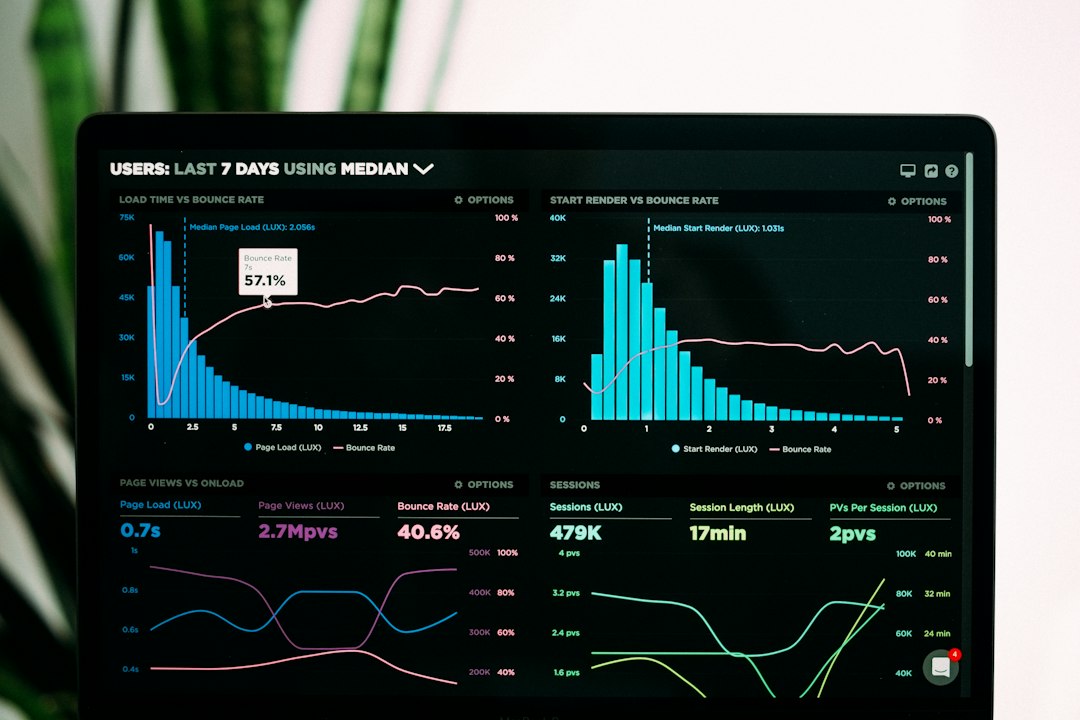

High bounce rates and declining organic visibility in modern search environments often point to a single systemic failure: mismatching user expectations. True organic search growth requires moving past raw keyword volume to analyze what a searcher actually wants to accomplish. Mastering 検索意図最適化 ensures your content aligns with user expectations, improves search engine trust, and drives meaningful conversions.
In this comprehensive guide, you will learn how to analyze search queries, structure your content to satisfy specific user requirements, and implement an editorial workflow that prioritizes semantic relevance. By aligning your optimization tactics with searcher behavior, you can build sustainable topical authority that survives search engine algorithm updates.
重要なポイント:
- Intent matching is the primary ranking factor in modern, entity-based semantic search engines.
- Categorizing search queries into distinct informational, navigational, commercial, and transactional buckets ensures content format alignment.
- Regularly auditing search engine results pages (SERPs) prevents content decay by adapting to real-time intent shifts.
目次
- Why is understanding search intent critical for modern SEO?
- How do we classify user search intent?
- How to map keywords to content formats
- Step-by-step search intent optimization framework
- Comparison of search intent types
- Proven examples of search intent alignment
- Expert tips for optimizing intent
- Common mistakes to avoid in intent mapping
- よくある質問
Why is understanding search intent critical for modern SEO?
Search engines have evolved from basic keyword-matching systems into highly sophisticated semantic engines. They no longer look simply for literal word matches on a page; instead, they analyze the deeper context behind a user’s query. This shift means that publishing highly optimized copy is useless if that copy does not solve the searcher’s immediate problem.
When users enter a query, they expect a specific type of answer. If your page provides a lengthy background article when the user wanted a quick calculator, they will immediately leave your site. This behavior signals to search engines that your page is not a helpful result, which eventually lowers your organic search positions.
By prioritizing the searcher’s goals, you align your content with the search engine’s primary objective: providing the most helpful answer in the shortest amount of time. This alignment builds long-term authority and ensures your search visibility remains stable over time.
How do we classify user search intent?
To optimize your content effectively, you must first understand the main categories of user queries. Historically, search behavior has been split into four primary categories, each requiring a distinct content approach.
Informational queries occur when a user wants to learn more about a topic, concept, or process. These searchers are not looking to make a purchase immediately; they want comprehensive, easy-to-understand explanations, guides, or tutorials. For these queries, deep-dive blog posts and educational resources are the most effective formats.
Navigational queries happen when a user searches for a specific brand, website, or login portal. The user already knows where they want to go and uses the search engine as a shortcut. Optimizing for navigational intent involves ensuring your brand name, login pages, and core company portals are clearly indexed and easily accessible.
Commercial queries represent the research phase of the buying cycle. Users know they want to purchase a product or service, but they are comparing different options, reading reviews, or looking for lists of features. To target these queries, focus on comparison articles, product roundups, and detailed feature breakdowns.
Transactional queries are highly focused search terms used when a user is ready to make an immediate purchase or complete a specific action. These queries often include words like ‘buy,’ ‘discount,’ ‘pricing,’ or ‘download.’ The optimal landing pages for transactional queries are streamlined product pages, checkout forms, or lead capture pages.
To understand how search engines evaluate helpfulness based on query satisfaction, you can refer to the official Google Search Quality Evaluator Guidelines, which detail how human evaluators grade content based on how well it meets user needs. Aligning your content with these standards is critical for achieving sustainable search visibility.
How to map keywords to content formats
Once you have identified the primary intent of your target keywords, you must map them to the correct content format. Using the wrong format is one of the most common reasons high-quality content fails to rank.
For example, if you target the keyword ‘best project management software’ with a landing page that only describes your proprietary tool, you will struggle to rank. The SERP for this query is dominated by comparison lists and third-party reviews, indicating that searchers want to evaluate multiple options. To rank, you must provide the comparison format they expect.
Conversely, if a user searches for a specific tool’s pricing page, they do not want to read a 2,000-word blog post about project management theory. They want a clear, concise pricing table with an obvious call-to-action button. Aligning your content structure with these expectations is the core of successful search intent optimization.
Step-by-step search intent optimization framework
To implement a repeatable optimization workflow, follow this structured framework for every new topic you target.
First, analyze the active search engine results page for your target keyword. Look closely at the top-ranking results and note the prevailing content formats. Are they step-by-step guides, product lists, interactive tools, or video carousels? The existing results represent what the search engine has determined users find most helpful.
Second, examine the ‘People Also Ask’ (PAA) boxes and related search queries. These sections provide direct insight into the subtopics and secondary questions your target audience is asking. Integrating these related questions into your content structure helps you build comprehensive topical depth.
Third, identify the required depth of information. Some queries demand highly technical, code-level explanations, while others require simple, high-level summaries. Match your writing tone, vocabulary, and structural complexity to the sophistication level of your target audience.
Fourth, design your user experience to match the intent. For informational queries, ensure your text is highly readable, using clear headings and bullet points. For transactional pages, remove unnecessary text blocks and focus on clean navigation, clear pricing, and fast load times.
Comparison of search intent types
The following table outlines how different intent categories require distinct structural and conversion approaches:
| 意図のタイプ | ユーザーゴール | Optimal Format | Primary CTA Focus |
|---|---|---|---|
| 情報的 | Learn or solve a problem | Guides, tutorials, blogs | Newsletter signups, resources |
| ナビゲーション的 | Find a specific website | Homepages, brand hubs | Direct portal access, logins |
| 商業的 | Compare products or services | Comparison tables, reviews | Free trials, product demos |
| 取引的 | Complete a purchase or task | Product pages, checkouts | Add to cart, immediate buy |
Proven examples of search intent alignment
Analyzing real-world search scenarios illustrates the power of proper intent mapping. Consider a B2B software company targeting the term ‘enterprise payroll integration.’ Initially, they published a sales-focused landing page showcasing their specific product’s features. Because searchers were looking for technical integration tutorials rather than a sales pitch, the page struggled to break into the top 30 search results.
After auditing the query, the company restructured the content into a detailed developer integration guide, complete with code snippets, API documentation, and a step-by-step workflow diagram. By shifting the page’s format from transactional to informational, the content quickly rose to the top search positions and drove highly qualified technical leads.
Another example involves a consumer finance brand targeting ‘best high-yield savings accounts.’ Rather than using standard paragraph blocks to list different banks, they designed an interactive comparison table featuring real-time interest rates, minimum deposit requirements, and monthly fees. Providing this structured, easy-to-compare format perfectly matched the commercial research intent of the users, resulting in a substantial increase in organic search traffic and affiliate conversions.
Expert tips for optimizing intent
- Analyze SERP features: Pay close attention to featured snippets, images, and video modules on the search results page to understand what media formats users prefer.
- Audit intent shifts: Search intent is not static; it can change seasonally or as technology evolves. Review your top-performing pages quarterly to ensure they still match the live SERPs.
- Optimize for the next step: Design your internal linking structure to guide users naturally from informational articles to commercial resources, and finally to transactional pages.
- Prioritize above-the-fold layout: Ensure your page immediately signals to the user that they are in the right place by matching the main header directly to their search query.
Common mistakes to avoid in intent mapping
- Writing for search engines instead of users: Stuffing keywords into a page without actually answering the searcher’s core question leads to poor user engagement and lower rankings.
- Forcing transactional pitches on informational content: Trying to close a sale too early in the research phase alienates users who are simply looking for objective educational content.
- ユーザーエクスペリエンスの無視: Even if your content matches search intent perfectly, slow page load times, intrusive pop-ups, and poor mobile layout will cause users to bounce.
- Assuming intent based on search volume: High-volume keywords often contain a mix of different intents. Always look at the actual search results page to verify what content format is succeeding.
よくある質問
検索意図最適化とは何ですか?
Search intent optimization is the practice of aligning online content with the specific goal or motivation of a search engine user. Instead of focusing solely on keyword placement, this approach ensures the format, tone, and information on a page match what the user expects to find.
How do I identify the search intent of a keyword?
You can identify the intent of a keyword by searching for it on Google and analyzing the top results. If the results are mostly blog posts, the intent is informational. If they are product pages, the intent is transactional. If they are comparison lists, the intent is commercial.
Can a single keyword have multiple search intents?
Yes, some keywords have mixed or fractured intent. For example, a user searching for ‘remote work software’ might be looking for a general list of options (commercial) or ready to purchase a specific platform (transactional). In these cases, search engines often display a mix of different content formats.
検索意図はコンバージョン率にどのように影響しますか?
Matching search intent properly is critical for conversions. If you send a user looking for commercial comparisons to a transactional checkout page, they are likely to leave. Delivering the exact content format corresponding to their buying stage builds trust and increases conversion rates.
Why did my page rank drop if the content is high quality?
A sudden drop in search rankings can happen if the search engine shifts its understanding of a query’s dominant intent. If users start preferring interactive calculators over long-form articles for a specific query, pages containing only text will lose visibility, regardless of how well they are written.
What are common indicators of mismatched search intent?
The most common indicators of mismatched search intent include high bounce rates, low average time on page, and poor conversion rates. If users land on your page and quickly return to the search results, it signals to search engines that your content did not satisfy their expectations.
Should I create separate pages for different intent types?
Yes, you should create dedicated pages for different intent types to avoid confusing both users and search engine crawlers. For instance, you should have one detailed informational guide explaining a topic, and a separate transactional page optimized for purchasing the related service.
How often should I review my content’s search intent alignment?
It is best to review your top-performing pages at least once a year, or quarterly for highly competitive keywords. Search engine algorithms and user behaviors change constantly, and regular audits ensure your content continues to serve the target audience’s needs.
To start improving your search visibility and conversion rates, begin by auditing your top ten organic traffic-generating pages. Compare each page’s current structure against the active search engine results for its target keyword, and adjust the content format where necessary to ensure perfect alignment with user expectations.