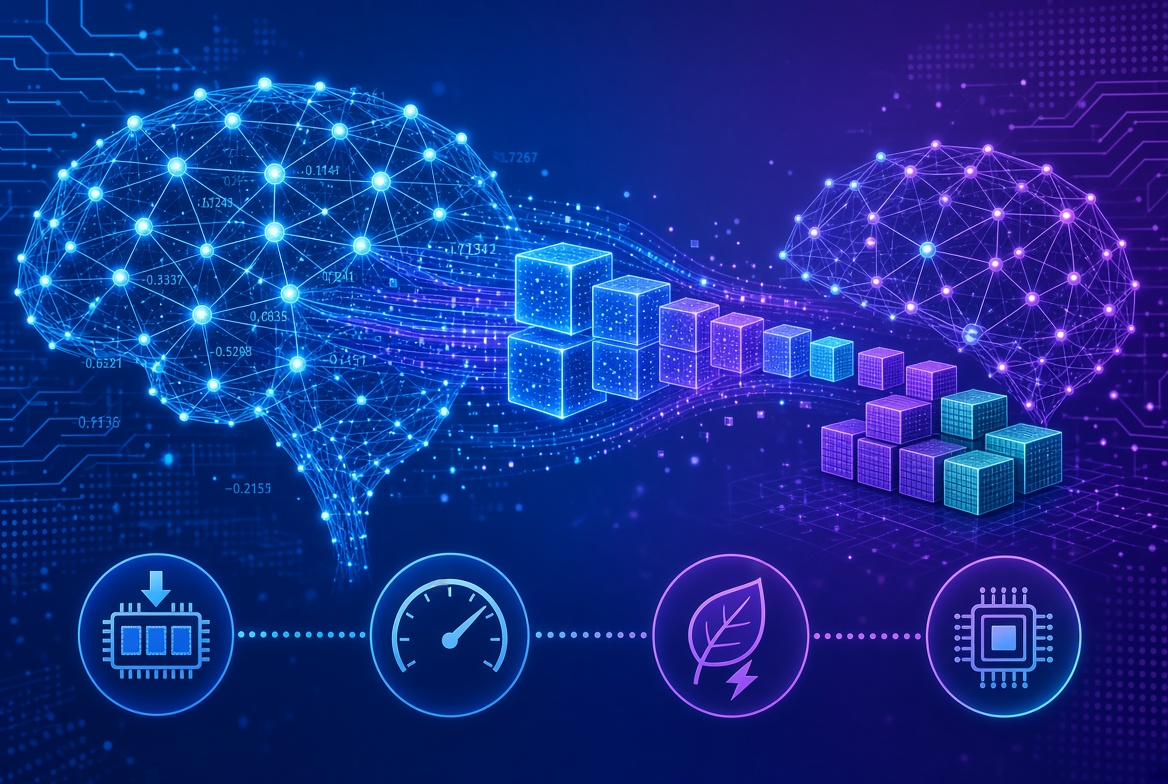
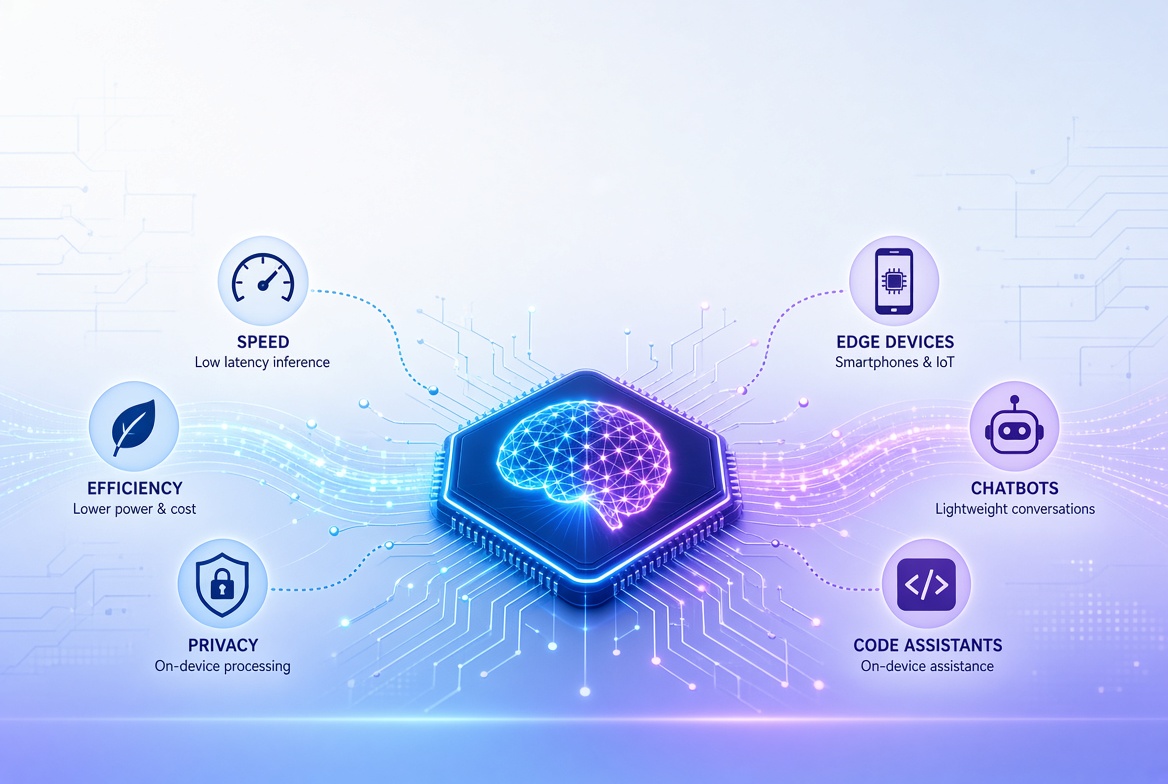
Energy-efficient computing is the design and operation of computing systems so they deliver useful work while consuming as little energy as reasonably possible. It applies to processors, servers, storage, networking, data centers, operating systems, applications, and end-user devices.
Energy efficiency matters because modern digital services increasingly depend on large amounts of computation. Cloud platforms, artificial intelligence, streaming, mobile applications, enterprise systems, and connected devices all require physical hardware and electricity. Improving efficiency can therefore reduce operating costs, extend battery life, lower cooling requirements, and support broader sustainability goals.
This guide explains how energy-efficient computing works, the technologies behind it, practical optimization techniques, measurement approaches, and the relationship between computing efficiency and sustainable software engineering.
목차
- What Is Energy-Efficient Computing?
- Why Energy Efficiency Matters
- Hardware Techniques
- Software Techniques
- Data Center Efficiency
- Cloud and Edge Computing
- How Energy Efficiency Is Measured
- Energy Efficiency Approaches Compared
- Practical Example
- 전문가의 팁
- 일반적인 실수들
- 자주 묻는 질문
What Is Energy-Efficient Computing?
Energy-efficient computing aims to maximize useful computational work for a given amount of electrical energy. It is broader than simply choosing a processor with a lower power rating. Efficiency depends on the complete system, including hardware utilization, software workload, memory access, data movement, cooling, storage, networking, and workload scheduling.
A system can therefore become more energy efficient by doing the same amount of work with less energy or by delivering more useful work without a proportional increase in energy consumption.
Energy efficiency also differs from instantaneous power consumption. Power is the rate at which energy is consumed, while energy represents consumption over time. A system that briefly uses high power may consume less total energy than a slower system that runs for much longer.
Why Energy-Efficient Computing Matters
Computing infrastructure requires electricity not only for processors but also for memory, storage, networking, power conversion, cooling, and facility operations. On battery-powered devices, energy efficiency directly affects how long a device can operate between charges.
For organizations, efficiency can also influence infrastructure economics. If a workload can process the same volume using fewer server-hours or less storage activity, the organization may be able to reduce infrastructure demand and operating expenditure.
Energy efficiency is also an important part of sustainable technology. Our Green Software Engineering guide explains how software design and operations can incorporate environmental efficiency into the development lifecycle.
Hardware Techniques for Energy-Efficient Computing
Energy-Efficient Processors
Modern processors use techniques such as dynamic voltage and frequency scaling, multiple performance states, specialized accelerators, and heterogeneous cores to balance performance and energy use. The appropriate architecture depends heavily on the workload.
Specialized Accelerators
GPUs, neural processing units, digital signal processors, and other accelerators can perform specific workloads more efficiently than general-purpose CPUs. However, an accelerator is not automatically more efficient for every task. Data movement, utilization, memory access, and workload size all matter.
Power Management
Computing devices can reduce energy consumption during periods of low demand by lowering clock frequency, entering low-power states, powering down unused components, or adjusting performance dynamically.
Efficient Memory and Storage
Memory and storage systems can consume significant energy, particularly at scale. Efficient caching, storage tiering, compression, and access patterns can reduce unnecessary activity.
Software Techniques for Energy Efficiency
Optimize Algorithms
Algorithmic efficiency can have a major effect on energy use. An algorithm that performs substantially less computation for the same result can reduce processor activity and execution time.
Reduce Unnecessary Processing
Applications should avoid repeated calculations, excessive polling, redundant background tasks, and processing data that is not required. Caching and batching can reduce repeated work when applied appropriately.
Minimize Data Movement
Moving data between processors, memory, storage, networks, and devices consumes resources. Keeping frequently used data close to where it is processed and reducing unnecessary transfers can improve efficiency.
Optimize Client-Side Work
Web and mobile applications should avoid excessive JavaScript execution, unnecessary animations, frequent network requests, and background processing. Efficient applications can reduce CPU activity and battery drain on user devices.
Manage Workloads Intelligently
Schedulers can consolidate workloads when appropriate, reduce idle infrastructure, and place flexible jobs where available resources can be used efficiently.
Energy Efficiency in Data Centers
Data center efficiency involves more than server processors. Facilities must manage cooling, power distribution, networking, storage, and physical space alongside computing workloads.
A commonly used facility-level metric is Power Usage Effectiveness, or PUE. PUE compares total data center energy consumption with the energy delivered to computing equipment. A lower PUE generally indicates that a smaller share of facility energy is being used for overhead such as cooling and power infrastructure.
However, PUE should not be treated as a complete measure of computing sustainability. It does not directly measure how efficiently applications perform useful work or the carbon intensity of the electricity being used.
Energy-Efficient Computing in Cloud and Edge Environments
Cloud computing can make resource allocation more flexible, but efficiency still depends on how workloads are configured. Overprovisioned virtual machines, idle databases, unused storage, and poorly configured containers can consume resources without producing useful work.
Right-sizing, autoscaling, workload scheduling, and resource cleanup can reduce waste. Kubernetes can help organizations manage containerized workloads and resource requests, although platform capabilities do not automatically guarantee energy efficiency. See our Kubernetes guide for more on container orchestration.
Edge computing introduces a different optimization problem. Processing information closer to users or devices can reduce network traffic and latency, but distributed edge infrastructure can also increase the number of physical systems that must be powered. The right architecture depends on workload characteristics and operating conditions.
How Energy Efficiency Is Measured
Measuring energy efficiency requires a meaningful unit of useful work. Depending on the system, teams might examine joules per computation, watt-hours per transaction, energy per inference, energy per completed request, or device battery consumption over a defined workload.
Useful measurements include:
- Power: instantaneous electrical consumption, typically expressed in watts.
- Energy: consumption over time, commonly expressed in watt-hours or joules.
- Performance: throughput, latency, completed jobs, or transactions.
- Efficiency: useful work delivered per unit of energy.
- Utilization: how much available compute capacity is actually being used.
Measurements should be taken under representative workloads. A benchmark that produces excellent results under artificial conditions may not reflect production behavior.
Energy-Efficient Computing Approaches Compared
| Approach | 주요 초점 | Typical Benefit | Key Consideration |
|---|---|---|---|
| Hardware optimization | Processors and components | Lower energy per operation | Workload compatibility |
| Software optimization | Algorithms and application behavior | Less unnecessary computation | Requires profiling and testing |
| Data center optimization | Cooling and facility systems | Lower infrastructure overhead | Facility design and operating conditions |
| Cloud optimization | Resource allocation | Less idle capacity | Accurate sizing and monitoring |
| Edge optimization | Workload location | Potentially less data movement | Distributed hardware overhead |
Practical Example: Optimizing a Data Processing Job
Imagine a batch application that processes one million records every night. The original implementation repeatedly reads the same data, performs unnecessary calculations, keeps an oversized compute environment running, and writes intermediate results that are never reused.
An engineering team could improve the workload by reducing repeated reads, optimizing the algorithm, batching operations, caching reusable data, and right-sizing the compute environment. The job may finish faster while consuming fewer compute resources.
The important point is that efficiency should be measured against the useful result. If the optimized workload processes the same million records with less energy and equal or better reliability, the improvement can be quantified.
Expert Tips for Energy-Efficient Computing
- Profile first: identify the components and operations consuming the most resources.
- Measure energy with a defined workload: avoid relying solely on theoretical power ratings.
- Optimize the largest bottlenecks: a major algorithmic or infrastructure improvement can outweigh many tiny code changes.
- Watch utilization: permanently reserved capacity can waste energy when workloads are intermittent.
- Consider data movement: processing is only one part of the energy equation.
- Test performance and efficiency together: a slower system is not automatically greener.
- Automate resource cleanup: unused environments and storage can continue consuming resources.
- Monitor continuously: efficiency can regress as applications and workloads evolve.
일반적인 실수들
- Confusing low power with low energy: execution time also affects total consumption.
- Assuming newer hardware is always more efficient: efficiency depends on workload and utilization.
- Ignoring software: inefficient algorithms can waste energy regardless of hardware improvements.
- Measuring only CPU utilization: memory, storage, networking, and accelerators can also be important.
- Ignoring idle capacity: underutilized infrastructure can consume substantial resources.
- Optimizing one component in isolation: moving work elsewhere may simply shift the energy cost.
- Using unrealistic benchmarks: synthetic workloads may not represent production behavior.
자주 묻는 질문
1. What is energy-efficient computing?
It is the design and operation of computing systems to deliver useful computational work while minimizing unnecessary energy consumption.
2. What is the difference between power and energy?
Power describes the rate of energy consumption, while energy describes the total amount consumed over a period. Both are important when evaluating computing efficiency.
3. How can software reduce energy consumption?
Software can reduce energy use through efficient algorithms, fewer unnecessary operations, optimized database queries, caching, reduced data movement, and sensible background processing.
4. Are GPUs always more energy efficient than CPUs?
No. GPUs can be highly efficient for suitable parallel workloads, but the result depends on utilization, data movement, memory behavior, workload size, and the alternative implementation.
5. What is PUE in data centers?
Power Usage Effectiveness is a facility-level metric comparing total data center energy consumption with the energy delivered to computing equipment. It is useful but does not measure application-level efficiency.
6. Can cloud computing improve energy efficiency?
Cloud platforms can provide flexible resource allocation, autoscaling, and shared infrastructure, but inefficient configurations can still waste resources. Workload sizing and monitoring remain important.
7. Why does data movement matter for energy efficiency?
Moving data between processors, memory, storage, networks, and devices requires resources. Reducing unnecessary transfers can improve overall system efficiency.
8. How does energy-efficient computing relate to Green Software Engineering?
Energy efficiency is a major component of Green Software Engineering. Green Software Engineering applies the broader sustainability perspective across software design, infrastructure, operations, and resource use.
결론
Energy-efficient computing is about delivering more useful computation with less unnecessary energy. It combines efficient hardware, optimized software, sensible infrastructure design, intelligent workload management, and reliable measurement.
The strongest results usually come from treating efficiency as a system-level concern. Improving an algorithm, reducing data movement, right-sizing cloud resources, optimizing cooling, and eliminating idle capacity can all contribute to a more efficient computing environment.
Want more practical technology guides? Explore the Technology section on SignalMediaMKG for additional explanations of modern computing and software engineering.