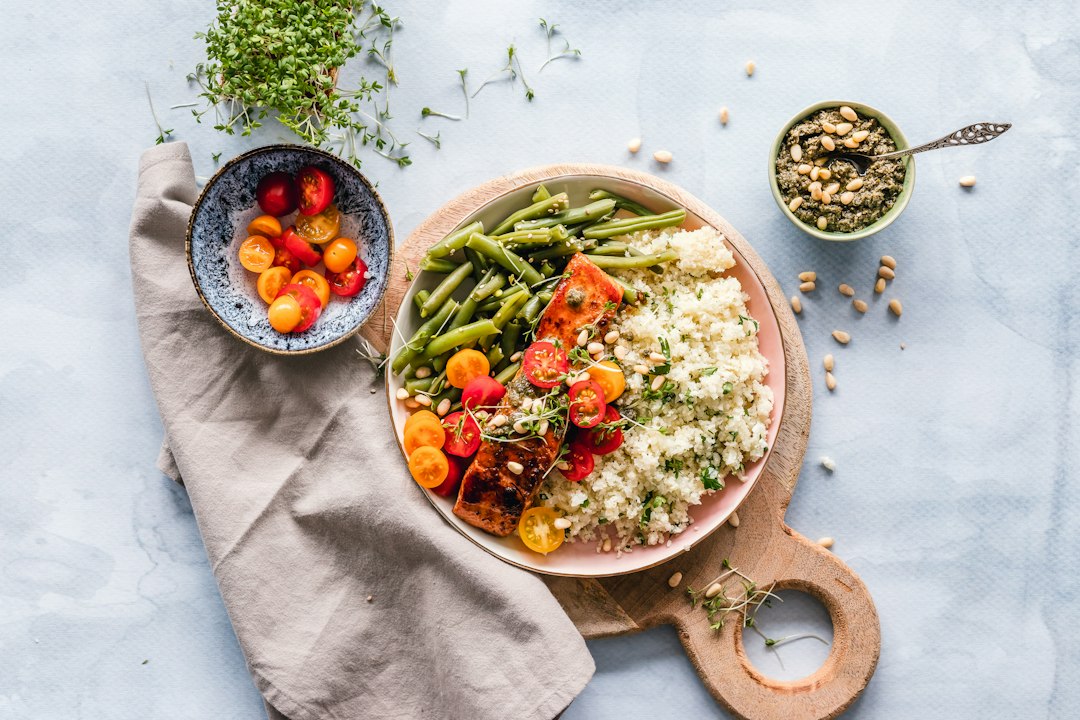
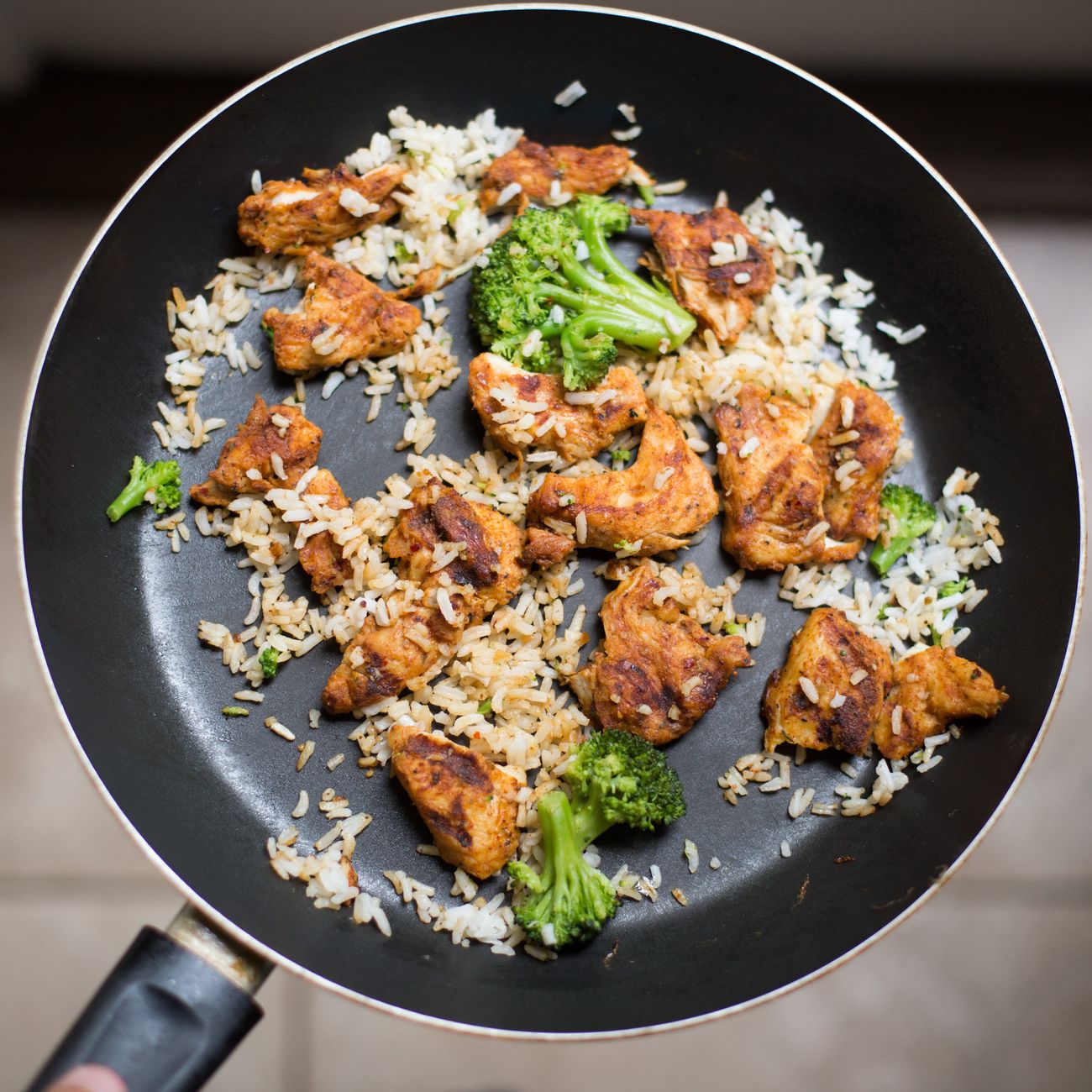
나이지리아 요리는 아프리카에서 가장 다양한 음식 전통 중 하나입니다. 전역에 걸쳐 현지 재료, 요리 기술, 이주, 무역 및 문화 축제가 놀라운 요리 범위를 만들어냈습니다. 연기 나는 수야와 페퍼 수프부터 졸로프 밥, 얌 밀가루, 에구시 수프, 모이 모이 및 지역 특선 요리에 이르기까지 나이지리아 음식은 단일 국가 메뉴 이상의 것을 제공합니다.
미식가에게 나이지리아 요리를 탐험하는 것은 지역, 재료, 식사 환경을 통한 여정으로 가장 잘 접근할 수 있습니다. 길가의 그릴, 가족 주방, 전통 부카, 현대 레스토랑, 축제 모임은 각기 다른 나라의 음식 문화를 드러낼 수 있습니다.
이 가이드는 인기 있는 나이지리아 요리, 지역 특선 요리, 전통 재료, 음식 경험 및 나이지리아 요리를 책임감 있게 자신 있게 발견하기 위한 실용적인 팁을 탐구합니다.
목차
- 나이지리아 요리를 독특하게 만드는 요소는?
- 지역 맛과 음식 전통
- 모든 음식 애호가가 시도해야 할 나이지리아 요리
- 길거리 음식과 캐주얼 다이닝
- 필수적인 서아프리카 재료
- 전통적이고 현대적인 식사 경험
- 나이지리아 요리 한눈에 보기
- 나이지리아 음식을 탐험하기 위한 전문가의 팁
- 피해야 할 일반적인 실수
- 식품 안전과 식단 고려사항
- 자주 묻는 질문
나이지리아 요리를 독특하게 만드는 요소는?
나이지리아 요리는 나라의 특별한 문화적 다양성을 반영합니다. 서로 다른 공동체는 농작물, 가축, 생선, 기후 및 지역에서 구할 수 있는 조미료를 중심으로 음식 전통을 발전시켰습니다. 따라서 이름이 비슷한 두 가지 요리는 지역과 요리사에 따라 뚜렷하게 다른 맛을 낼 수 있습니다.
대담한 양념과 겹겹이 쌓인 맛
고추, 양파, 토마토, 새우, 발효 재료, 허브 및 향신료는 종종 나이지리아 요리의 기초를 이루고 있습니다. 매운 맛은 일반적이지만 나이지리아 음식은 단지 음식을 매운 맛으로 만드는 것만이 아닙니다. 좋은 요리는 매운 맛과 단맛, 산미, 맛, 훈제 맛 및 질감을 균형 있게 조화시킵니다.
주식이 완전한 식사를 만듭니다
얌, 카사바, 쌀, 콩, 옥수수, 기장 및 플랜테인은 중요한 주식입니다. 많은 식재료는 풍미가 풍부한 수프와 스튜와 함께 어울리는 음식으로 변형됩니다. 국가통계청은 나이지리아 음식 소비 데이터에서 밥과 스튜, 푸푸와 수프, 투우와 수프, 아말라와 수프, 가리와 수프, 그리고 으깬 얌과 수프와 같은 음식을 문서화했습니다.
음식은 환대와 밀접하게 연결되어 있습니다
식사는 종종 사회적 역할을 합니다. 결혼식, 종교적 축하, 가족 모임 및 지역 행사에서는 대가족 메뉴가 자주 등장합니다. 따라서 나이지리아 음식을 먹는 것은 단지 레시피를 맛보는 것 이상일 수 있으며, 환대와 지역 문화를 엿볼 수 있는 창을 제공할 수 있습니다.
지역 맛과 음식 전통
나이지리아 음식을 정의하는 단일한 방법은 없습니다. 지역 요리는 겹치고 진화하며 여행하지만, 넓은 패턴은 방문객들이 마주치는 것들을 이해하는 데 도움이 될 수 있습니다.
서남부 나이지리아 요리
남서부 음식 전통에는 아말라와 에웨두, 그베기리, 오파다 쌀과 소스, 콩 기반 식사 및 매운 스튜와 같은 요리가 포함됩니다. 요루바의 요리 전통은 또한 으깬 얌, 다양한 수프 및 풍미가 가득한 쌀 요리 등을 보여줍니다.
남동부 나이지리아 요리
이그보 음식 전통에는 채소, 씨앗, 생선, 고기 및 뿌리채소를 중심으로 한 수프와 요리가 포함됩니다. 에구시 수프, 쓴잎 수프 및 오하 수프는 익숙한 예시이지만, 레시피는 가정과 공동체 간에 크게 다를 수 있습니다.
남남부 및 해안 요리
나이저 델타 및 다른 해안 지역의 공동체는 해산물, 잎 채소, 팜 제품 및 향기로운 수프와 관련된 강한 전통을 가지고 있습니다. 아팡 수프, 해산물 요리 및 매운 수프가 미식가들이 만날 수 있는 음식 중 일부입니다.
북부 나이지리아 요리
북부 음식 전통에는 곡물, 콩, 고기, 유제품 및 향기로운 향신료가 포함됩니다. 수프와 함께 제공되는 투우, 마사, 수야, 후라 및 다양한 쌀 요리는 북부 요리 문화의 폭을 보여줍니다.
모든 음식 애호가가 시도해야 할 나이지리아 요리
졸로프 쌀
졸로프 라이스는 나이지리아에서 가장 인지도가 높은 요리 중 하나입니다. 쌀은 양파와 향신료가 포함된 양념된 토마토와 고추 베이스에서 조리됩니다. 요리사에 따라 레시피가 다르며, 인기 있는 서아프리카 졸로프 논쟁은 기술과 맛에 대한 수많은 논쟁을 만들어냈습니다.
첫 맛을 비교할 때 가정식 레스토랑, 파티 케이터러 및 현대 레스토랑의 졸로프를 비교해 보세요. 차이는 놀라울 정도로 드러날 수 있습니다.
수야
수야는 매운 땅콩 기반의 양념 혼합물, 일반적으로 야지라고 불리는 것으로 양념된 꼬치 고기입니다. 고기는 일반적으로 얇게 썰어 불에 구워져 훈제 엣지와 독특한 구운 향을 냅니다.
갓 구운 수야는 회전율이 높고 음식이 뜨겁게 준비되고 제공되는 곳에서 경험하는 것이 가장 좋습니다. 위생과 올바른 조리는 특히 고기에 대해 중요합니다.
에구시 수프
에구시 수프는 주재료로 간 멜론 씨앗을 사용하며, 잎 채소, 고기, 생선 또는 기타 단백질이 포함될 수 있습니다. 일반적으로 으깬 얌, 에바, 세모비타 또는 푸푸와 같은 스와로우 음식과 함께 먹습니다.
아말라와 에웨두
아말라는 전통적으로 얌 가루 또는 다른 가루 종류로 만들어진 어두운 매끄러운 스와로우입니다. 에웨두는 저트 잎으로 만들어진 미끄러운 녹색 수프이며, 보통 그베기리와 매운 스튜와 함께 제공됩니다.
절인 얌과 수프
으깬 얌은 부드럽고 신축성 있는 질감을 가지며, 전통적으로 에구시, 채소 수프 또는 다양한 지역 요리와 함께 제공됩니다. 잘 조리된 수프와 함께 먹을 때 특히 만족스러우며, 많은 질감과 풍미를 제공합니다.
모이 모이
모이 모이는 혼합 콩으로 만든 찐 두부로, 고추, 양파 및 기타 재료로 양념될 수 있습니다. 아침 식사, 사이드 디시 또는 쌀 기반 식사의 반찬으로 적합합니다.
아카라
아카라는 양념된 콩 반죽을 튀겨 바삭하고 고소한 프리터로 만든 것입니다. 인기 있는 거리 음식 및 아침 식사로, 종종 팝, 빵 또는 기타 반찬과 함께 먹습니다.
고추 수프
매운 수프는 생선, 닭고기, 염소 고기 또는 기타 단백질을 사용할 수 있는 매운 향기로운 육수입니다. 향신료 프로필은 레시피에 따라 달라져 지역적 및 레스토랑 해석을 비교하는 데 유용합니다.
오파다 쌀과 소스
오파다 쌀은 독특한 매운 소스와 함께 제공되는 지역 연관 쌀 품종입니다. 그 earthy한 향과 질감은 표준 튀김이나 졸로프 라이스를 넘어 지역 기반 쌀 요리를 탐구하고자 하는 식사자들에게 인기가 높습니다.
플랜테인 요리
플랜테인은 튀긴 도도, 삶은 플랜테인 및 구운 플랜테인을 포함한 다양한 형태로 등장합니다. 이는 콩, 쌀, 계란, 스튜 또는 구운 음식과 함께할 수 있으며 단맛, 고소한 맛 및 훈제 맛의 유용한 대조를 제공합니다.
길거리 음식과 캐주얼 다이닝
거리 음식은 나이지리아 음식 문화를 탐험하는 가장 접근 가능한 방법 중 하나입니다. 도시마다 미식가들은 수야, 아카라, 구운 옥수수, 구운 플랜테인, 삶은 얌, 튀긴 플랜테인, 퍼프-퍼프, 미트파이 및 기타 스낵을 만날 수 있습니다.
왜 길거리 음식을 탐험할 가치가 있는가
- 종종 표준화된 레스토랑 메뉴보다 지역의 기호를 반영합니다.
- 준비 과정은 고객과 가까운 곳에서 이루어져 요리 과정이 경험의 일부가 됩니다.
- 가격은 정식 레스토랑보다 흔히 낮지만 위치와 재료에 따라 다릅니다.
- 바쁜 상인들은 현지 고객들이 자주 선택하는 것을 드러낼 수 있습니다.
나이지리아의 공식 가계 조사 자료는 수야, 응콥비, 이세우, 아순, 아카라, 퍼프-퍼프, 구운 플랜테인, 구운 얌을 포함하여 가정 외에서 소비되는 다양한 음식을 나열합니다. 이러한 기록은 국가 조사에 문서화된 캐주얼 및 조리된 식품 카테고리의 폭을 보여줍니다.
필수적인 서아프리카 재료
| 재료 | 일반적인 요리 역할 | 이를 접할 수 있는 음식들 |
|---|---|---|
| 고추 | 열기와 맛 | 스튜, 소스, 페퍼 수프, 조로프 |
| 토마토 | 소스 베이스와 산도 | 조로프, 스튜, 쌀 요리 |
| 양파 | 아로마와 단맛 | 거의 모든 주요 짭짤한 카테고리 |
| 에구시/멜론 씨앗 | 몸, 풍부함과 고소한 맛 | 에구시 수프 |
| 카사바 | 주식 탄수화물 | 가리, 푸푸 및 관련 음식 |
| 얌 | 주식 탄수화물 | 빻은 얌, 삶은 얌, 얌가루 |
| 콩 | 단백질이 풍부한 주식 | 모이 모이, 아카라, 콩 요리 |
| 플랜테인 | 달콤하거나 짭짤한 반찬 | 도로, 구운 플랜테인, 삶은 플랜테인 |
| 새우 | 우마미와 해산물의 깊이 | 수프와 스튜 |
| 야자 제품 | 풍부함, 색상 및 아로마 | 수프와 지역 요리 |
2023년 나이지리아 국가 농업 샘플 조사에서는 옥수수, 카사바, 쌀, 수수, 콩, 얌, 멜론/에구시 등 지역 식단에 나타나는 재료들의 농업적 중요성을 보여줍니다.
전통적이고 현대적인 식사 경험
부카 경험
부카 또는 지역 식당은 일상적인 나이지리아 식사에 대한 실용적인 소개를 제공할 수 있습니다. 간단한 서비스, 풍성한 양, 쌀과 스튜, 콩, 스왈로우 음식 및 수프와 같은 친숙한 요리를 기대하세요.
가족 스타일의 식사
나이지리아 가족과 함께 식사하거나 문화적 음식 행사에 참여하면 식당 메뉴로는 알 수 없는 맥락을 제공받을 수 있습니다. 어떤 특정 음식이 함께 제공되는 이유, 요리를 어떻게 먹는지, 어떤 재료가 특별한지 배울 수 있습니다.
전통적인 나이지리아 레스토랑
현대 레스토랑은 점점 더 나이지리아 재료를 프레젠테이션, 시식 메뉴, 퓨전 기법 및 선별된 음료 페어링을 통해 재해석하고 있습니다. 이러한 경험은 전통적인 맛을 보다 격식 있는 환경에서 제공받고자 하는 여행자들에게 소중할 수 있습니다.
시장과 음식 투어
시장은 방문객들에게 재료가 접시에 오르기 전에 소개할 수 있습니다. 지식이 풍부한 현지 가이드는 낯선 농산물, 향신료, 간식 및 지역 이름을 설명하며 방문객들이 음식 환경을 존중하며 탐색하는 데 도움을 줄 수 있습니다.
나이지리아 요리 한눈에 보기
| 경험 | 가장 적합한 곳 | 예상할 수 있는 것 |
|---|---|---|
| 노점상 | Quick local tasting | Affordable, informal, highly local |
| Buka/canteen | Everyday Nigerian meals | Rice, beans, soups, swallows and stews |
| Traditional restaurant | Regional dishes | Broader menu and seated dining |
| Contemporary restaurant | Curated food experience | Modern presentation and interpretation |
| Food market | Ingredient discovery | Produce, spices, snacks and local specialties |
나이지리아 요리를 탐험하기 위한 전문가 팁
- Start with familiar flavors: If you are new to spicy food, begin with milder portions and increase the heat gradually.
- Ask how a dish is eaten: Local diners can explain which soup pairs with which swallow and whether a dish is normally eaten by hand or with utensils.
- Try regional versions: Do not judge Nigerian cuisine from one restaurant or one city. Recipes can change significantly between regions.
- Observe turnover: For prepared foods, busy vendors often provide fresher batches, but cleanliness and safe handling still matter.
- Learn the names: Knowing terms such as eba, amala, tuwo, moi moi, akara and suya makes menus easier to navigate.
- Balance your meal: Pair rich or starchy foods with vegetables, beans, lean proteins or other nutrient-dense options where appropriate.
- Respect food culture: Ask before photographing people, kitchens or food rituals, especially in family or community settings.
- Keep an open mind: Texture can be as important as flavor. Foods such as ewedu and fufu may feel unfamiliar before they become favorites.
나이지리아 음식을 탐험할 때의 일반적인 실수
모든 나이지리아 음식이 매우 매운 것이라고 가정하기
Chili is important, but heat levels vary by dish, cook and region. Ask for a mild version when necessary rather than avoiding the cuisine entirely.
졸로프 밥만 시도하기
Jollof is famous, but stopping there misses a huge portion of Nigerian culinary culture. Include soups, swallows, beans dishes, grilled foods, snacks and regional specialties in your exploration.
식감을 무시하기
Many Nigerian dishes are designed around contrasts in texture. Smooth swallows, thick soups, crisp fried foods and smoky grilled meats all contribute to the experience.
레스토랑 메뉴와 완전한 지역 요리를 혼동하기
A restaurant may specialize in one community, style or price segment. Use several food experiences to build a more accurate picture.
식품 안전을 소홀히 하기
Adventure should not mean ignoring hygiene. Pay attention to food temperature, preparation surfaces, water quality and general cleanliness.
식품 안전과 식단 고려사항
Foodies should explore confidently but sensibly. Choose reputable vendors, eat foods that are properly cooked and served hot when appropriate, and take care with unfamiliar ingredients if you have allergies.
If you have a food allergy, ask specific questions about peanuts, tree nuts, seafood, dairy, eggs and other ingredients. Yaji used for suya commonly contains groundnuts or peanuts, so people with peanut allergies should verify ingredients before eating it.
People following vegetarian, vegan, gluten-free or other restricted diets should communicate their needs clearly. Nigerian cuisine includes many plant-based dishes, but soups and stews may contain meat, fish, crayfish or stock even when those ingredients are not obvious from the dish name.
자주 묻는 질문
가장 유명한 나이지리아 음식은 무엇인가?
Jollof rice is arguably the most internationally recognizable Nigerian dish, but suya, egusi soup, pounded yam, moi moi, akara and many regional foods are also widely known.
첫 방문자가 나이지리아에서 먹어야 할 것은 무엇인가?
A good introductory list includes jollof rice, suya, moi moi, akara, egusi soup with a swallow, pepper soup and a plantain dish. Choose versions prepared by reputable vendors or restaurants.
나이지리아 음식이 항상 매운가?
No. Many dishes use chili, but the intensity varies. You can ask restaurants or vendors to reduce the pepper level.
나이지리아의 스와로는 무엇인가?
Swallow is a group of soft, dough-like staple foods such as eba, fufu, amala and pounded yam. They are commonly used to scoop and eat soups rather than eaten alone.
수야는 무엇으로 만들어지는가?
Suya is commonly made from thinly sliced beef, although chicken and other meats can also be used. It is seasoned with a spicy spice mixture and grilled over heat.
채식주의자에게 좋은 나이지리아 음식은 무엇인가?
Options can include beans, moi moi, akara, some vegetable soups and certain plantain or yam dishes. However, recipes vary, so confirm that meat, fish, crayfish and animal-based stock have not been added.
관광객이 나이지리아 길거리 음식을 먹을 수 있는가?
Yes, many travelers enjoy Nigerian street food. Choose vendors with good turnover and visible hygiene practices, and prefer foods that are thoroughly cooked and served hot.
나이지리아 요리를 경험하는 가장 좋은 방법은 무엇인가?
Combine different settings: try a local canteen, a reputable restaurant, a street-food experience and, where possible, a food market or cultural food event. This gives you a broader view of Nigerian culinary traditions.
결론
Nigerian cuisine is best understood as a collection of interconnected regional food cultures rather than a single list of national dishes. Its strength lies in diversity: smoky grills, rich soups, fermented foods, beans, rice, yam, cassava, plantain, seafood, grains and bold pepper-based sauces all contribute to the experience.
For foodies, the most rewarding approach is to taste widely, ask questions and pay attention to the people and traditions behind each meal. A plate of jollof rice may introduce you to Nigerian food, but exploring suya, egusi soup, amala, moi moi, akara, pepper soup and regional specialties can reveal a much richer culinary story.
행동 촉구
Ready to explore Nigerian cuisine? Choose three dishes you have never tried, visit a reputable local restaurant or food vendor, and turn your next meal into a culinary discovery. Share your favorite Nigerian dish with fellow food lovers and keep exploring the regional flavors that make Nigeria’s food culture so distinctive.
Research note: Food traditions and recipes vary by household, community and region. National statistics cited in this article describe survey categories or agricultural production and should not be interpreted as a ranking of dishes or a complete measure of culinary popularity.