
Breaking into the world of video creation can feel overwhelming, especially when your carefully crafted content fails to show up in search results. YouTube is the second largest search engine in the world, meaning millions of creators compete daily for viewer attention. Without a clear optimization strategy, even the most engaging videos remain buried beneath a mountain of uploads.
Understanding how the platform indexes and recommends videos transforms your channel from an invisible hobby into a discoverable media asset. Search optimization on this platform relies heavily on helping the algorithm understand your video’s topic while keeping viewers engaged from the first second to the last. This guide walks you through the foundational steps needed to improve your visibility, attract organic viewers, and grow your channel sustainably.
What Is YouTube SEO?
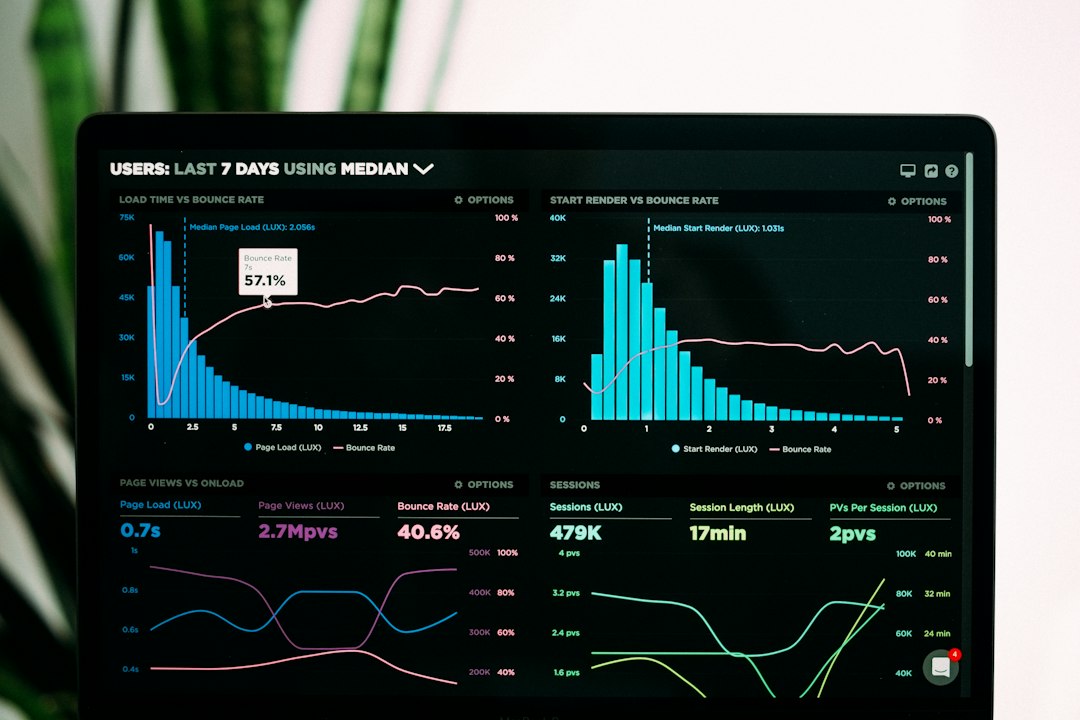
YouTube SEO is the practice of optimizing your channel, playlists, and individual videos to rank higher in the platform’s organic search results and recommendation feeds. Unlike traditional search engines that rely purely on text, this platform analyzes both your metadata—such as titles, descriptions, and tags—and user behavior signals like watch time, click-through rate, and audience retention.
The primary goal is to align your content with what users are actively searching for while signaling to the algorithm that your video delivers a satisfying viewing experience. When viewers find your content helpful and stay until the end, the system rewards you with broader reach.
Key Ranking Factors You Need to Know
Algorithm updates continuously refine how videos are ranked, but certain core metrics remain critical for long-term success. Creators who focus on these fundamental pillars consistently outperform those who chase short-term algorithmic tricks.
- Watch Time: The total amount of time viewers spend watching your videos.
- Audience Retention: The percentage of a video that users actually watch.
- Click-Through Rate (CTR): The percentage of people who click your video after seeing your thumbnail and title.
- Relevance: How closely your metadata and content match the user’s search query.
- Betrokkenheid: Likes, comments, shares, and subscriber conversions after watching.
Conducting Keyword Research for Video Content
Finding the right terms to target ensures you create content people actually want to watch. Start by typing your broad topic into the YouTube search bar and observing the auto-fill suggestions. These dropdown terms represent real phrases that users type into the search box.
Next, evaluate existing videos ranking for those terms. Look at their view counts, subscriber bases, and video quality. If top-ranking videos have low view counts or outdated information, you have identified a strong opportunity to create a superior piece of content that can capture that traffic.
Optimizing Your Video Metadata
Metadata tells the algorithm what your video is about. Every text element should be clear, descriptive, and naturally integrated with your primary target terms.
| Metadata Element | Best Practice | Common Pitfall |
|---|---|---|
| Video Title | Keep under 60 characters, front-load the main keyword, and make it compelling. | Using vague titles or clickbait that misleads viewers. |
| Omschrijving | Write at least 150 words summarizing the video, including secondary keywords naturally. | Stuffing keywords at the bottom without adding context. |
| Tags | Include 5 to 8 specific tags reflecting your main topic and variations. | Adding irrelevant popular tags just to gain unrelated views. |
Expert Tips
Implementing advanced optimization techniques accelerates your channel growth and builds long-term authority within your niche.
- Design custom thumbnails that feature expressive human faces and legible text readable on mobile devices.
- Structure your video script with a strong hook in the first fifteen seconds to maximize audience retention.
- Include timestamps in your description to help viewers navigate long-form tutorials easily.
- Analyze your YouTube Analytics traffic source report to see which search terms drive the most organic traffic.
Veelgemaakte Fouten om te Vermijden
Steering clear of standard pitfalls saves you months of wasted effort and prevents algorithmic penalties.
- Keyword stuffing your video descriptions or tags with unrelated popular search terms.
- Neglecting the first three lines of your description where preview snippets appear in search results.
- Focusing entirely on subscriber count rather than improving individual video watch time and retention.
- Failing to include clear calls to action that encourage viewers to subscribe or watch related content.
Veelgestelde vragen
How long does it take for YouTube SEO to work?
Optimization results vary based on your channel’s authority and niche competition. Some videos rank within days if targeting low-competition long-tail keywords, while competitive terms may take several weeks or months as the algorithm gathers enough audience retention data.
Do video tags still matter for ranking?
Video tags play a minor role compared to titles, descriptions, and engagement metrics. They remain useful primarily for clarifying common misspellings of your primary keywords or specific brand terminology rather than driving primary discovery.
What is a good click-through rate on YouTube?
A healthy click-through rate generally ranges between 2% and 10% for most channels, though newly published videos often experience higher initial rates from existing subscribers. Aiming for consistent improvement in thumbnail design helps lift this metric over time.
How important are closed captions for video search?
Closed captions and transcripts provide additional text context that the algorithm crawls to understand spoken content. Uploading accurate custom transcripts improves accessibility and strengthens topical relevance signals for search indexing.
Should I include timestamps in my descriptions?
Adding timestamps improves user experience by allowing viewers to jump directly to specific sections. Google often displays these chapters directly in standard search engine results, increasing your overall organic visibility.
How many keywords should i target per video?
Focus on one primary keyword phrase per video to maintain a clear topical focus. You can safely incorporate three to five closely related secondary terms within your description and spoken script naturally.
Does video length affect search rankings?
Video length has no direct ranking weight, but longer videos often accumulate higher total watch time if viewer retention remains strong. Focus on making your video long enough to thoroughly answer the user’s intent without unnecessary filler.
How can i improve audience retention?
Improve retention by eliminating slow introductions, using dynamic editing techniques, adding visual aids or B-roll, and delivering on the promise made in your title and thumbnail early in the video.
Conclusie
Mastering optimization for video platforms requires a balanced approach combining technical metadata best practices with genuine viewer engagement. By conducting thoughtful keyword research, crafting compelling titles, and prioritizing audience retention, you build a sustainable foundation for long-term channel growth. Start applying these strategies to your upcoming uploads and monitor your analytics to refine your approach over time.
Ready to scale your video strategy? Explore our comprehensive guide on long-tail keyword research to uncover hidden traffic opportunities for your channel.