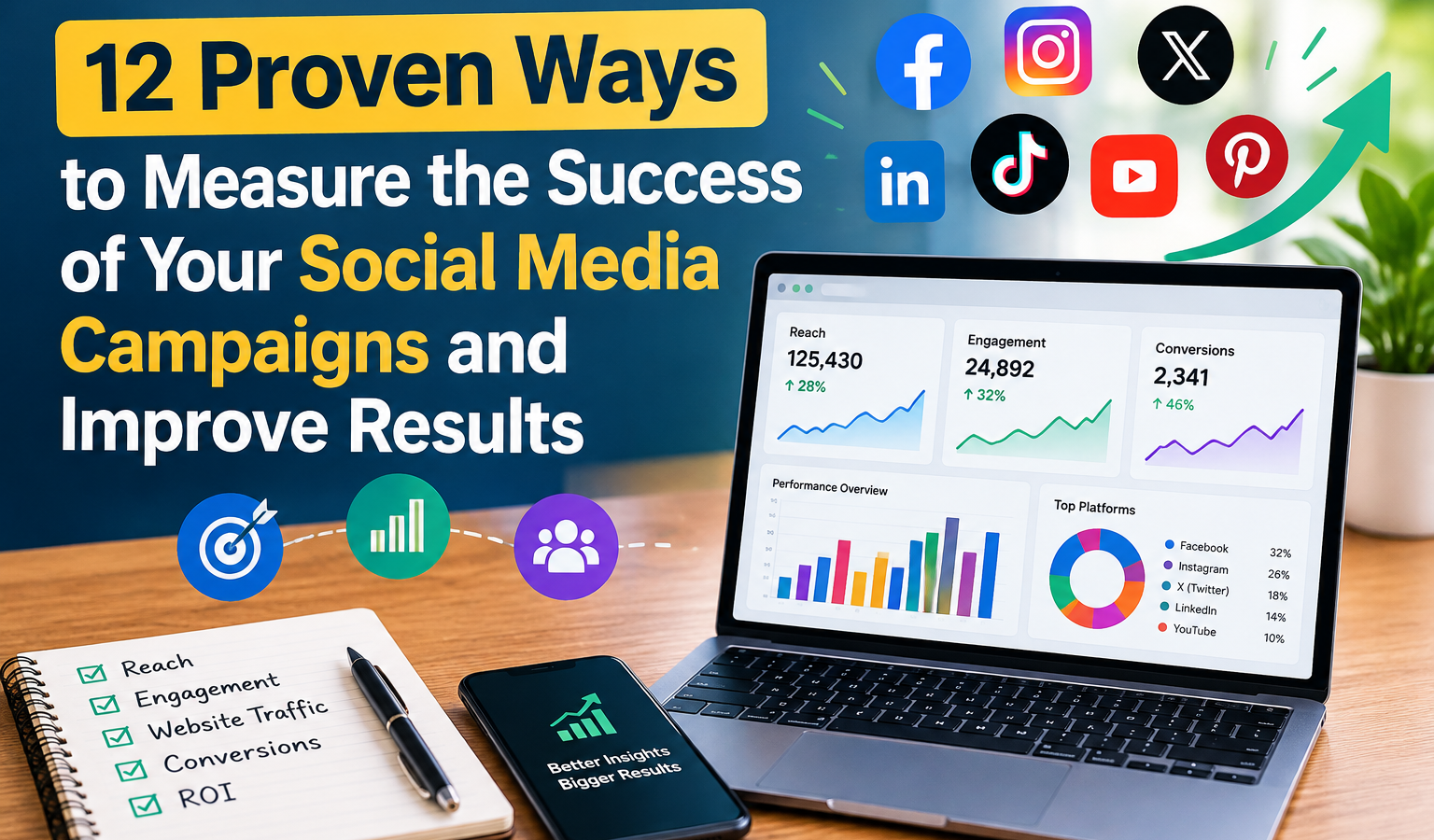

โซเชียลมีเดียได้กลายเป็นหนึ่งในช่องทางการตลาดดิจิทัลที่ทรงพลังที่สุดสำหรับธุรกิจทุกรูปแบบ ไม่ว่าคุณจะโปรโมตผลิตภัณฑ์ สร้างการรับรู้แบรนด์ สร้างโอกาสในการขาย หรือมีส่วนร่วมกับลูกค้า แคมเปญแต่ละรายการถือเป็นการลงทุนด้านเวลา ความคิดสร้างสรรค์ และงบประมาณ แต่การเริ่มต้นแคมเปญก็เป็นเพียงแค่จุดเริ่มต้น คำถามที่แท้จริงคือ: คุณจะรู้ได้อย่างไรว่าแคมเปญนั้นได้ผลจริงหรือไม่?
การวัดความสำเร็จของแคมเปญโซเชียลมีเดียของคุณช่วยให้คุณเข้าใจว่าสิ่งใดที่ขับเคลื่อนผลลัพธ์ ค้นหาโอกาสในการปรับปรุง และตัดสินใจทางการตลาดโดยอิงจากข้อมูล แทนที่จะพึ่งพาการคาดคะเนหรือเมตริกความงาม ธุรกิจที่วิเคราะห์ผลการดำเนินงานของแคมเปญอย่างสม่ำเสมอสามารถเพิ่มการมีส่วนร่วมของผู้ชม ปรับแต่งการใช้จ่ายโฆษณา และเพิ่มผลตอบแทนจาก การลงทุน (ROI)
แพลตฟอร์มโซเชียลมีเดียในปัจจุบันมีการเข้าถึงข้อมูลเชิงวิเคราะห์ที่น่าประทับใจ ตั้งแต่การเข้าชมและการมีส่วนร่วมไปจนถึงการแปลงและต้นทุนการได้มาซึ่งลูกค้า อย่างไรก็ตาม ไม่เมตริกใดมีความสำคัญเท่ากัน โพสต์ที่มีการกดไลค์หลายพันรายการอาจสร้างมูลค่าทางธุรกิจเล็กน้อย ในขณะที่แคมเปญที่มีการตอบสนองน้อยกว่าอาจส่งผลต่อยอดขายหรือการสร้างโอกาสที่ยอดเยี่ยม
คู่มือเล่มนี้สำรวจ 12 วิธีที่พิสูจน์แล้วในการวัดความสำเร็จของแคมเปญโซเชียลมีเดียของคุณอธิบายว่าทำไมเมตริกแต่ละอย่างถึงสำคัญ, และแบ่งปันเคล็ดลับที่เป็นประโยชน์เพื่อช่วยคุณปรับปรุงผลลัพธ์ในอนาคต.
ทำไมการวัดความสำเร็จในสื่อสังคมจึงสำคัญ
การตลาดที่ประสบความสำเร็จสร้างขึ้นจากผลลัพธ์ที่สามารถวัดได้ โดยไม่ติดตามผลการดำเนินงานจะทำให้ยากที่จะระบุได้ว่าคอนเทนต์, การโฆษณา, และกลยุทธ์โดยรวมของคุณกำลังสร้างผลลัพธ์ทางธุรกิจที่มีความหมายหรือไม่.
การวิเคราะห์ผลการดำเนินงานเป็นประจำช่วยให้คุณ:
- เข้าใจพฤติกรรมของผู้ชม.
- จัดสรรงบการตลาดได้อย่างมีประสิทธิภาพมากขึ้น.
- ปรับปรุงคุณภาพของเนื้อหา.
- เพิ่มการมีส่วนร่วม.
- สร้างโอกาสที่มีคุณภาพมากขึ้น.
- เสริมสร้างความสัมพันธ์กับลูกค้า.
- เพิ่มผลตอบแทนจากการลงทุนของแคมเปญ.
ที่สำคัญที่สุด, การวัดผลช่วยเปลี่ยนสื่อสังคมจากแพลตฟอร์มการเผยแพร่ให้เป็นทรัพย์สินทางธุรกิจเชิงกลยุทธ์.
เริ่มต้นด้วยเป้าหมายแคมเปญที่ชัดเจน
ก่อนการวัดผลการดำเนินงาน, กำหนดว่าสิ่งที่เรียกว่าความสำเร็จนั้นเป็นอย่างไร แคมเปญแต่ละแคมเปญมีวัตถุประสงค์ที่แตกต่างกัน, และเมตริกที่คุณติดตามควรสอดคล้องกับเป้าหมายเหล่านั้น.
วัตถุประสงค์แคมเปญทั่วไปประกอบด้วย:
- การเพิ่มการรับรู้แบรนด์
- การขับเคลื่อนการเข้าชมเว็บไซต์
- การสร้างโอกาสทางธุรกิจ
- การเพิ่มยอดขายออนไลน์
- การเติบโตของผู้ติดตาม
- การกระตุ้นการดาวน์โหลดแอพ
- การปรับปรุงการมีส่วนร่วมของลูกค้า
- การสร้างความภักดีในชุมชน
การใช้กรอบ SMART—เฉพาะเจาะจง, สามารถวัดได้, ทำได้จริง, เกี่ยวข้อง, และมีระยะเวลา—ให้รากฐานที่มั่นคงสำหรับการประเมินความสำเร็จ.
1. วัดขอบเขต
การเข้าถึงแสดงถึงจำนวนบุคคลที่ไม่ซ้ำกันที่เห็นเนื้อหาของคุณ
เมตริกนี้ตอบคำถามที่สำคัญคำถามหนึ่งว่า:
แคมเปญของคุณเข้าถึงผู้ใช้งานแต่ละคนจริงๆ ได้มากแค่ไหน?
การเข้าถึงสูงแสดงว่าคอนเทนต์ของคุณถูกส่งไปยังกลุ่มเป้าหมายอย่างมีประสิทธิภาพ
เพื่อปรับปรุงการเข้าถึง:
- เผยแพร่เนื้อหาอย่างสม่ำเสมอ
- ใช้แฮชแท็กที่เกี่ยวข้อง
- กระตุ้นให้คนแชร์
- โพสต์ในช่วงเวลาที่ผู้ชมมีความเคลื่อนไหวสูงสุด
- ร่วมมือกับผู้สร้างหรือพันธมิตร
- ทดลองใช้วิดีโอแบบสั้น
แม้ว่าการเข้าถึงจะไม่ได้รับประกันการมีส่วนร่วมหรือการแปลง แต่ก็ให้มาตรฐานที่มีประโยชน์สำหรับการมองเห็นของแคมเปญ
2. ติดตามการแสดงผล
แตกต่างจากการเข้าถึง การแสดงผลจะนับทุกครั้งที่เนื้อหาของคุณถูกแสดง—แม้ว่าผู้ใช้งานคนเดียวกันจะเห็นมันหลายครั้งก็ตาม
การติดตามการแสดงผลช่วยให้คุณเข้าใจ:
- การมองเห็นเนื้อหา
- การเปิดเผยแบรนด์
- ความถี่ของโฆษณา
- ความคุ้นเคยของผู้ชม
การเปรียบเทียบการแสดงผลกับการเข้าถึงยังสามารถเปิดเผยได้ว่าผู้ชมของคุณเห็นเนื้อหาของคุณซ้ำหลายครั้งซึ่งอาจเป็นประโยชน์ต่อการจดจำแบรนด์หรือเป็นสัญญาณให้ปรับปรุงครีเอทีฟของคุณ
3. ติดตามอัตราการมีส่วนร่วม
อัตราการมีส่วนร่วมยังคงเป็นหนึ่งในตัวชี้วัดที่มีค่าที่สุดของคุณภาพเนื้อหา
มันสะท้อนให้เห็นว่าผู้ใช้มีปฏิสัมพันธ์กับโพสต์ของคุณอย่างกระตือรือร้นเพียงใดผ่านการกระทำเช่น:
- ถูกใจ
- ความคิดเห็น
- แชร์
- บันทึก
- ตอบกลับ
- รีโพสต์
- คลิก
สูตรอัตราการมีส่วนร่วมที่ง่ายคือ:
(การมีส่วนรวมทั้งหมด ÷ การเข้าถึงทั้งหมด) × 100
อัตราการมีส่วนร่วมสูงแสดงว่าคอนเทนต์ของคุณสอดคล้องกับผู้ชมและกระตุ้นการมีส่วนร่วมที่มีความหมาย.
วิธีปรับปรุงการมีส่วนร่วมประกอบด้วย:
- การตั้งคำถาม.
- การสร้างแบบสำรวจที่สามารถมีส่วนร่วมได้.
- การเผยแพร่เนื้อหาการศึกษา.
- การแชร์อัปเดตเบื้องหลัง.
- การตอบกลับความคิดเห็นอย่างรวดเร็ว.
- การใช้ภาพและวิดีโอที่ดึงดูดใจ.
การสนทนาที่มีคุณภาพมักจะสำคัญกว่าจำนวนการตอบสนองทั้งหมด.
4. วิเคราะห์อัตราการคลิก (CTR)
อัตราการคลิกวัดว่าผู้ใช้คลิกที่การเรียกร้องให้ดำเนินการของคุณบ่อยเพียงใดหลังจากเห็นคอนเทนต์ของคุณ.
CTR มีความสำคัญโดยเฉพาะสำหรับแคมเปญที่ออกแบบมาเพื่อดึงดูดการเข้าชมไปยัง:
- หน้าลงจอด
- หน้าผลิตภัณฑ์
- บทความในบล็อก
- การลงทะเบียนเข้าร่วมกิจกรรม
- ฟอร์มการแนะนำ
สูตรคือ:
CTR = (คลิก ÷ การแสดงผล) × 100
CTR ที่สูงมักจะแสดงให้เห็นว่าหัวข้อ, สื่อน่าดึงดูด และการกระตุ้นให้ดำเนินการตรงกับความตั้งใจของผู้ชม.
เพื่อเพิ่ม CTR:
- เขียนหัวข้อที่ชัดเจน.
- ใช้ภาพที่น่าสนใจ.
- เก็บการกระตุ้นให้ดำเนินการให้เฉพาะเจาะจง.
- ให้หน้าแลนดิ้งตรงตามความคาดหวังของผู้ใช้.
- ทดสอบรูปแบบสื่อน่าดึงดูดที่แตกต่างกัน.
5. วัดปริมาณการเข้าชมเว็บไซต์จากสื่อสังคมออนไลน์
ปริมาณการเข้าชมเว็บไซต์แสดงให้เห็นว่าสิ่งที่คุณทำในสื่อสังคมออนไลน์สามารถผลักผู้ใช้ให้ออกไปจากแพลตฟอร์มได้หรือไม่.
โดยใช้แพลตฟอร์มวิเคราะห์ คุณสามารถระบุได้ว่า:
- แหล่งที่มาของการเข้าชม
- เครือข่ายสังคมที่มีประสิทธิภาพสูงสุด
- พฤติกรรมของผู้ใช้
- ระยะเวลาของเซสชัน
- อัตราการเด้งกลับ
- เส้นทางการแปลง
หากแคมเปญสร้างปริมาณการเข้าชมที่สำคัญแต่มีการแปลงเพียงเล็กน้อย ปัญหาอาจอยู่ที่หน้าแลนดิ้งของคุณมากกว่าที่จะอยู่ที่เนื้อหาทางสังคมของคุณ.
6. ติดตามอัตราการแปลง
การแปลงหมายถึงการกระทำที่มีความหมายที่ผู้ใช้ทำหลังจากมีปฏิสัมพันธ์กับแคมเปญของคุณ.
ตัวอย่างรวมถึง:
- Purchasing a product
- Completing a lead form
- Booking a consultation
- Downloading a resource
- Registering for a webinar
- Subscribing to a newsletter
The conversion rate formula is:
Conversions ÷ Visitors × 100
Optimizing conversion rates often involves improving both social messaging and the post-click experience.
Performance Dashboard Example
| เมตริก | ทำไมมันถึงสำคัญ | เป้าหมายหลัก |
|---|---|---|
| การเข้าถึง | Audience visibility | Brand awareness |
| การแสดงผล | Content exposure | Awareness |
| อัตราการมีส่วนร่วม | ความเกี่ยวข้องของเนื้อหา | Community growth |
| Click-Through Rate | Interest in content | Website traffic |
| Website Visits | User acquisition | การสร้างลีด |
| Conversion Rate | Business results | Sales and leads |
7. Calculate Return on Investment (ROI)
One of the most important ways to evaluate any social media campaign is by calculating its Return on Investment (ROI). While engagement metrics show how audiences interact with your content, ROI reveals whether those interactions are generating real business value.
The basic formula is:
ROI = [(Revenue – Campaign Cost) ÷ Campaign Cost] × 100
For example, if your campaign costs $2,000 and generates $8,000 in sales, your ROI is 300%.
When calculating ROI, consider all campaign expenses, including:
- Advertising spend
- Graphic design
- Video production
- Copywriting
- Marketing software
- Influencer partnerships
- Employee time
Not every campaign is designed to generate immediate sales. Brand awareness or community-building campaigns may require different success metrics, but tracking ROI over time provides valuable insight into long-term marketing effectiveness.
8. Measure Return on Ad Spend (ROAS)
If you’re running paid social media campaigns, Return on Ad Spend (ROAS) is one of the most valuable performance indicators.
Unlike ROI, ROAS focuses specifically on advertising costs.
ROAS Formula:
Revenue Generated ÷ Advertising Spend
ตัวอย่างเช่น:
- Advertising Spend: $1,000
- Revenue: $5,000
ROAS = 5:1
A higher ROAS generally indicates that your advertising strategy is performing efficiently.
To improve ROAS:
- Refine audience targeting.
- Test multiple ad creatives.
- Optimize landing pages.
- Monitor campaign frequency.
- Remove underperforming ads quickly.
9. Monitor Audience Growth
Follower count alone doesn’t determine campaign success, but consistent audience growth often indicates increasing brand awareness and trust.
Instead of focusing solely on total followers, monitor:
- Monthly follower growth
- Audience quality
- Audience demographics
- Unfollow rate
- Engagement per follower
A smaller audience with high engagement usually delivers greater marketing value than a large audience with little interaction.
Organic audience growth is often a sign that your content consistently provides value.
10. Evaluate Video Performance
Video continues to dominate social media across platforms such as Facebook, Instagram, LinkedIn, TikTok, and YouTube.
When measuring video campaigns, consider more than total views.
Important video metrics include:
- Average watch time
- Completion rate
- Audience retention
- แชร์
- ความคิดเห็น
- Click-through rate
- Conversions
High completion rates often indicate that your content is engaging from beginning to end.
If viewers consistently stop watching early, consider:
- Shorter introductions
- Better storytelling
- Faster pacing
- Stronger visuals
- Clearer messaging
11. Measure Customer Sentiment
Not all engagement is positive.
Customer sentiment analysis helps determine how people actually feel about your brand.
Monitor:
- Positive comments
- Negative feedback
- Neutral conversations
- Brand mentions
- Review ratings
- Direct messages
Understanding sentiment allows businesses to respond quickly to customer concerns while identifying opportunities to strengthen brand reputation.
Several social listening platforms can automatically categorize conversations and identify emerging trends.
12. Track Customer Acquisition Cost (CAC)
Customer Acquisition Cost measures how much it costs to acquire a new customer through your social media marketing efforts.
Formula:
Total Campaign Cost ÷ New Customers Acquired
Lower acquisition costs generally indicate more efficient campaigns.
Improving CAC often involves:
- Better audience targeting
- Stronger landing pages
- Higher conversion rates
- Improved creative
- Optimized sales funnels
CAC becomes even more valuable when compared with Customer Lifetime Value (CLV), helping businesses understand long-term profitability.
Use the Right Analytics Tools
Tracking these metrics is much easier with reliable analytics tools.
Popular options include:
การวิเคราะห์แพลตฟอร์มพื้นฐาน
- Facebook Insights
- Instagram Insights
- LinkedIn Analytics
- TikTok Analytics
- Pinterest Analytics
- YouTube Studio
การวิเคราะห์เว็บไซต์
- Google Analytics 4 (GA4)
- Google Search Console
แพลตฟอร์มการจัดการโซเชียลมีเดีย
- Hootsuite
- Buffer
- Sprout Social
- Metricool
- Later
These tools provide valuable insights into audience behavior, campaign performance, and conversion tracking.
How Artificial Intelligence Is Improving Social Media Analytics
Artificial intelligence has transformed how marketers analyze campaigns.
AI-powered tools can now:
- Predict content performance
- Identify audience trends
- Detect sentiment automatically
- Recommend posting times
- Generate performance summaries
- Highlight anomalies in campaign data
Instead of spending hours reviewing spreadsheets, marketers can use AI to uncover actionable insights more efficiently.
However, AI should complement—not replace—human analysis and strategic decision-making.
Common Mistakes When Measuring Campaign Success
Avoiding these common pitfalls will help you make better decisions.
มุ่งเน้นเพียงแค่เมตริกความงาม
High likes or follower counts don’t always translate into meaningful business results.
เพิกเฉยต่อเป้าหมายทางธุรกิจ
Every metric should support a specific campaign objective.
ติดตามเมตริกมากเกินไป
Concentrate on the KPIs that matter most for your goals rather than overwhelming yourself with unnecessary data.
ไม่ทดสอบเนื้อหา
A/B testing headlines, visuals, calls-to-action, and posting times helps identify what resonates with your audience.
ไม่ทำการตรวจสอบข้อมูลอย่างสม่ำเสมอ
Campaign analysis should be an ongoing process rather than something performed only after a campaign ends.
Best Practices for Improving Future Campaign Results
Successful marketers continuously optimize their strategies.
Consider these best practices:
- Define clear objectives before launching campaigns.
- Use consistent branding across platforms.
- Create content tailored to each social network.
- Test multiple creative variations.
- Review analytics weekly.
- Focus on audience value rather than promotional content alone.
- Respond quickly to comments and messages.
- Repurpose high-performing content.
- Invest in quality visuals and video.
- Stay informed about platform algorithm updates.
Small, consistent improvements often produce significant long-term gains.
คำถามที่พบบ่อย
เมตริกที่สำคัญที่สุดในการวัดความสำเร็จของโซเชียลมีเดียคืออะไร?
There isn’t a single metric that applies to every campaign. The most important KPI depends on your objective, whether that’s awareness, engagement, lead generation, or sales.
ฉันควรตรวจสอบผลการดำเนินการของแคมเปญบ่อยแค่ไหน?
It’s best to monitor campaigns regularly. Weekly reviews help identify trends, while monthly and quarterly reports provide a broader view of long-term performance.
การกดไลค์และผู้ติดตามเพียงพอในการวัดความสำเร็จหรือไม่?
No. While they indicate visibility and audience growth, they don’t necessarily reflect business outcomes. Metrics like conversions, ROI, and engagement provide a more complete picture.
อัตราการมีส่วนร่วมที่ดีคืออะไร?
A “good” engagement rate varies by platform and industry, but consistently improving engagement over time is often more important than hitting a universal benchmark.
ธุรกิจขนาดเล็กจะปรับปรุงผลลัพธ์ทางโซเชียลมีเดียได้อย่างไร?
Focus on understanding your audience, creating valuable content, engaging consistently, and using analytics to refine your strategy rather than trying to be active on every platform.
ทำไม ROI ถึงสำคัญในตลาดโซเชียลมีเดีย?
ROI helps determine whether your campaigns are generating enough value to justify the resources invested, making it one of the most important metrics for long-term success.
บทสรุป
Measuring the success of your social media campaigns involves much more than counting likes or followers. By focusing on meaningful metrics such as reach, engagement, click-through rate, conversions, ROI, ROAS, customer acquisition cost, audience sentiment, and video performance, you can gain a deeper understanding of how your campaigns contribute to your overall business goals.
Successful social media marketing is an ongoing process of testing, learning, and improving. Use the insights you gather to refine your content strategy, optimize advertising campaigns, and better serve your audience. Over time, data-driven decisions will help you build stronger relationships, maximize your marketing budget, and achieve sustainable growth across your social media channels.
The most successful brands don’t just create content—they measure its impact, learn from the results, and continuously adapt. By applying the twelve proven strategies outlined in this guide, you’ll be well-positioned to improve campaign performance and deliver measurable results in 2026 and beyond.