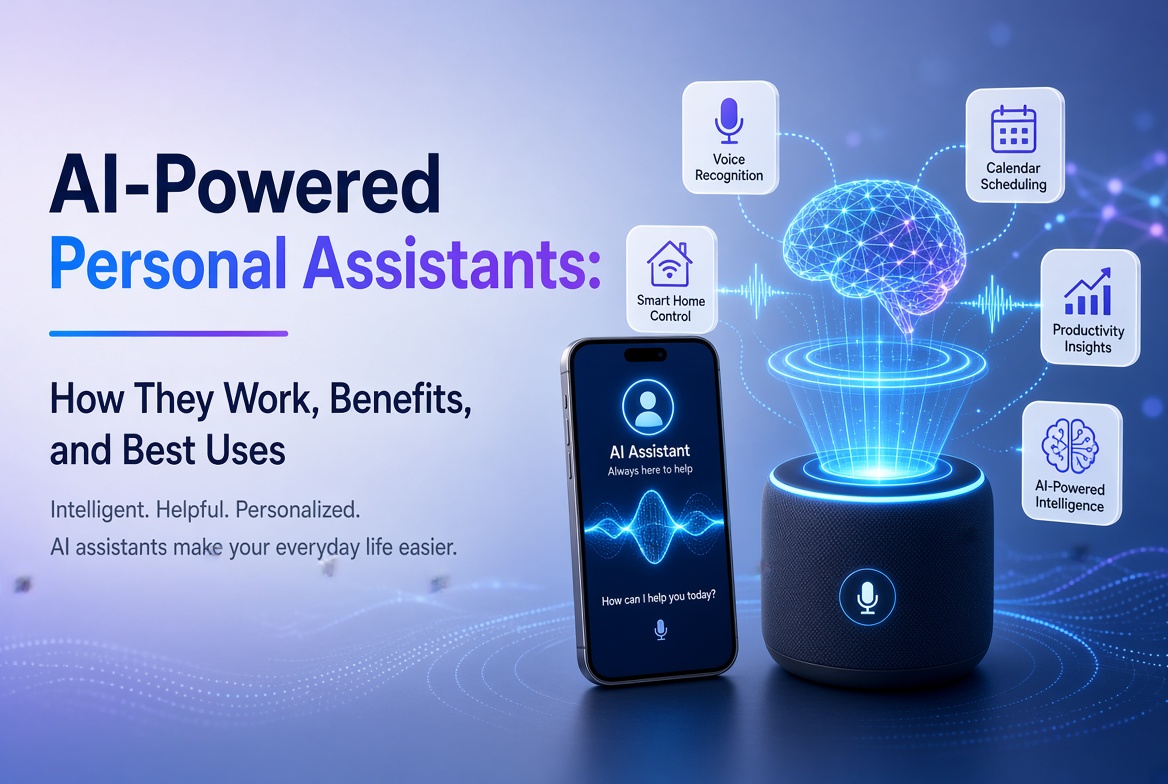

ปัญญาประดิษฐ์กำลังเปลี่ยนวิธีที่ผู้คนจัดระเบียบกิจกรรมประจำวัน จัดการข้อมูล เสร็จสิ้นงาน และโต้ตอบกับบริการดิจิทัล หนึ่งในแอปพลิเคชันที่มีประโยชน์มากที่สุดของเทคโนโลยีนี้คือ ผู้ช่วยส่วนตัวที่ใช้ AI.
แตกต่างจากผู้ช่วยดิจิทัลแบบดั้งเดิมที่ตอบสนองต่อคำสั่งเสียงที่กำหนดไว้ล่วงหน้าหรือคำถามง่ายๆ ผู้ช่วยส่วนตัวที่ข powered โดย AI สมัยใหม่สามารถเข้าใจภาษาธรรมชาติ สรุปข้อมูล ร่างเอกสาร ช่วยวางแผนตาราง และสนับสนุนการทำงานที่ซับซ้อนมากขึ้น ขึ้นอยู่กับความสามารถและสิทธิ์ บางตัวสามารถโต้ตอบกับแอปพลิเคชัน ค้นหาข้อมูล และทำงานอัตโนมัติเพื่อกำจัดงานที่ซ้ำซ้อนได้ด้วย
ผู้ช่วยเหล่านี้กำลังกลายเป็นเครื่องมือที่มีประโยชน์สำหรับนักเรียน วิชาชีพ นักธุรกิจ ผู้สร้างเนื้อหา และธุรกิจที่ต้องการปรับปรุงประสิทธิภาพโดยไม่เพิ่มภาระงาน
อย่างไรก็ตาม ไม่ใช่ว่าผู้ช่วย AI ทุกตัวจะมีความสามารถเหมือนกัน บางตัวเชี่ยวชาญในการสนทนาและการวิจัย ในขณะที่บางตัวมุ่งเน้นที่การนัดหมาย การเขียน การเขียนโค้ด หรือการรวมเข้ากับซอฟต์แวร์ธุรกิจ
คู่มือนี้จะอธิบายว่าสิ่งที่ผู้ช่วยส่วนตัวที่ข powered โดย AI คืออะไร วิธีการทำงาน จุดเด่นหลัก การประยุกต์ใช้งานจริง ข้อกำหนด และวิธีการเลือกทางเลือกที่เหมาะสม
สารบัญ
- ผู้ช่วยส่วนตัวที่ขับเคลื่อนด้วย AI คืออะไร?
- ผู้ช่วยส่วนตัวที่ขับเคลื่อนด้วย AI ทำงานอย่างไร
- ประเภทของผู้ช่วยส่วนตัวที่ขับเคลื่อนด้วย AI
- คุณสมบัติหลักที่ต้องมองหา
- ผลประโยชน์ของผู้ช่วยส่วนตัวที่ข powered โดย AI
- การใช้งานจริงในชีวิตประจำวัน
- แอปพลิเคชันสำหรับธุรกิจและผู้ประกอบการ
- ผู้ช่วย AI เทียบกับผู้ช่วยดิจิทัลแบบดั้งเดิม
- ข้อจำกัดและความเสี่ยงด้านความปลอดภัย
- วิธีการเลือกผู้ช่วย AI ที่เหมาะสม
- อนาคตของผู้ช่วยส่วนตัวที่ใช้ AI
- คำถามที่พบบ่อย
- บทสรุป
ผู้ช่วยส่วนตัวที่ขับเคลื่อนด้วย AI คืออะไร?
ผู้ช่วยส่วนตัวที่ใช้ AI คือแอปพลิเคชันซอฟต์แวร์ที่ใช้ปัญญาประดิษฐ์เพื่อช่วยผู้คนในการทำงาน ดึงข้อมูล จัดระเบียบกิจกรรม และตัดสินใจ
ระบบเหล่านี้มักจะรับคำสั่งผ่านข้อความ เสียง หรืออินเทอร์เฟซที่รองรับอื่นๆ พวกเขาจะตีความคำขอ กำหนดคำตอบที่เหมาะสม และอาจใช้เครื่องมือเพิ่มเติมในการทำงานให้เสร็จสิ้น
ยกตัวอย่าง ผู้ใช้อาจขอให้ผู้ช่วย AI:
- สรุ Ber หน้าเป็นรายงานที่ยาว
- ร่างอีเมลอย่างมืออาชีพ
- อธิบายแนวคิดทางเทคนิคที่ซับซ้อน
- สร้างตารางการศึกษาเป็นรายสัปดาห์
- เปรียบเทียบผลิตภัณฑ์หลายๆ ตัว
- สร้างไอเดียสำหรับธุรกิจ
- ช่วยแก้ไขปัญหาซอฟต์แวร์
- จัดระเบียบบันทึกให้เป็นลิสต์ของการทำงานที่สามารถดำเนินการได้
ระบบที่พัฒนาแล้วมากขึ้นสามารถเชื่อมต่อกับปฏิทิน เอกสาร บริการอีเมล แพลตฟอร์มการจัดการโครงการ หรือแอปพลิเคชันอื่นๆ ด้วยสิทธิ์ที่เหมาะสม การรวมกันเหล่านี้ทำให้ผู้ช่วยสามารถดึงข้อมูลหรือดำเนินการแทนที่จะให้คำแนะนำเพียงอย่างเดียว
ความสามารถที่แท้จริงแตกต่างกันไปตามผลิตภัณฑ์ บางตัวผู้ช่วยสร้างการตอบสนองเท่านั้น ในขณะที่ผู้ช่วยอื่นๆ รองรับการวิเคราะห์ไฟล์ การวิจัยทางเว็บ การรวมแอปพลิเคชัน และการทำงานหลายขั้นตอน
อะไรทำให้ผู้ช่วย AI แตกต่างจากซอฟต์แวร์ปกติ?
ซอฟต์แวร์แบบดั้งเดิมมักปฏิบัติตามคำสั่งที่กำหนดไว้ล่วงหน้า ตัวอย่างเช่น แอปพลิเคชันปฏิทินอนุญาตให้ผู้ใช้สร้างการนัดหมาย ตั้งค่าการเตือนความจำ และดูตารางเวลา
ผู้ช่วย AI สามารถช่วยตีความคำขอเช่น “ช่วยฉันจัดระเบียบสัปดาห์ของฉันให้รอบเส้นตายการทำงานสามรายการและการนัดหมายสองรายการ”
มันอาจเสนอแผนการ จัดระบุความขัดแย้งที่อาจเกิดขึ้น และจัดระเบียบข้อมูลให้เป็นแผนที่ใช้ได้จริง
อย่างไรก็ตาม ข้อเสนอแนะของมันยังต้องการการตรวจสอบ หากผู้ช่วยไม่มีการเข้าถึงปฏิทินจริงของผู้ใช้ มันไม่สามารถระบุการนัดหมายที่มีอยู่ได้อย่างเชื่อถือได้
ความแตกต่างที่สำคัญคือผู้ช่วย AI สามารถตีความคำสั่งที่ยืดหยุ่นและสร้างการตอบสนองที่มีบริบท ขณะที่แอปพลิเคชันทั่วไปมักต้องการให้ผู้ใช้ใช้งานด้วยการควบคุมเฉพาะและการทำงานตามที่กำหนดไว้ล่วงหน้า.
ผู้ช่วยส่วนตัวที่ขับเคลื่อนด้วย AI ทำงานอย่างไร
ผู้ช่วยส่วนตัวที่ขับเคลื่อนด้วย AI รวมเทคโนโลยีหลายอย่างเพื่อตีความคำสั่งและผลิตผลลัพธ์ที่มีประโยชน์.
แม้ว่าการนำไปใช้จะแตกต่างกัน แต่ระบบสมัยใหม่น้อยมากจะพึ่งพาการรวมกันระหว่างส่วนประกอบต่อไปนี้.
1. การประมวลผลภาษาธรรมชาติ
การประมวลผลภาษาธรรมชาติช่วยให้คอมพิวเตอร์ตีความและสร้างภาษามนุษย์.
เมื่อผู้ใช้ถามคำถาม ผู้ช่วยจะวิเคราะห์คำ บริบท และเจตนาที่น่าจะอยู่เบื้องหลังคำร้องขอ.
ตัวอย่างเช่น คำสั่ง “ทำให้รายงานนี้สั้นลงและเข้าใจง่าย” ต้องการให้ระบบรับรู้ว่าผู้ใช้ต้องการสรุปหรือเขียนใหม่ให้ง่ายขึ้นแทนที่รายงานใหม่ทั้งหมด.
ความสามารถในการประมวลผลภาษา ทำให้สามารถโต้ตอบกับซอฟต์แวร์โดยใช้คำสั่งในการสนทนาทั่วไปได้.
2. โมเดลภาษาขนาดใหญ่
ผู้ช่วย AI สมัยใหม่จำนวนมากใช้โมเดลภาษาขนาดใหญ่เพื่อเข้าใจคำสั่ง สร้างข้อความ สรุปเอกสาร อธิบายแนวคิด และช่วยในงานที่ต้องใช้การคิด.
โมเดลเหล่านี้เรียนรู้รูปแบบจากข้อมูลการฝึกอบรมและใช้รูปแบบเหล่านั้นเพื่อสร้างการตอบสนอง.
พวกเขาสามารถทำงานที่เกี่ยวข้องกับภาษาได้หลากหลายโดยไม่ต้องการแอปพลิเคชันแยกต่างหากสำหรับคำขอแต่ละครั้ง.
อย่างไรก็ตาม โมเดลภาษาอาจผลิตข้อมูลที่น่าเชื่อถือแต่ไม่ถูกต้อง ผู้ใช้ควรตรวจสอบข้อเท็จจริงสำคัญ การคำนวณ การตีความทางกฎหมาย และผลลัพธ์ที่สำคัญอื่นๆ.
3. การจัดการบริบท
บริบทช่วยให้ผู้ช่วยตีความคำร้องขอในปัจจุบันเมื่อเปรียบเทียบกับข้อความก่อนหน้านี้หรือข้อมูลที่ให้ไว้
ตัวอย่างเช่น หากผู้ใช้ให้เอกสารและจากนั้นถามว่า “คุณสามารถเปลี่ยนสิ่งนี้ให้เป็นจุดยอดห้าจุดได้ไหม?” ผู้ช่วยสามารถใช้เอกสารเป็นบริบทสำหรับคำสั่งติดตามนี้ได้.
ผลิตภัณฑ์บางตัวยังมีคุณสมบัติในการปรับเปลี่ยนหรือจดจำอย่างต่อเนื่อง ขึ้นอยู่กับการตั้งค่าและนโยบายความเป็นส่วนตัว.
บริบทไม่ควรสับสนกับการจำที่ไม่มีขีดจำกัด ผู้ช่วยอาจไม่ได้เข้าถึงการสนทนาทั้งหมดที่เคยเกิดขึ้น ไฟล์ที่เชื่อมต่อ หรือบันทึกภายนอกทั้งหมด.
4. เครื่องมือภายนอกและการรวมระบบ
ผู้ช่วย AI บางตัวสามารถเชื่อมต่อกับบริการภายนอกเพื่อเรียกข้อมูลหรือดำเนินการตามงาน.
ตัวอย่างรวมถึง:
- แอปพลิเคชันปฏิทินสำหรับการตั้งเวลา.
- บริการอีเมลสำหรับการจัดการข้อความ.
- ระบบเอกสารสำหรับการเข้าถึงไฟล์.
- Web search tools for researching current information.
- Project management applications for tracking tasks.
- Business software for retrieving authorized records.
These integrations can make an assistant substantially more useful because it can work with information beyond the text provided directly in a conversation.
However, access must be configured appropriately. A system should not receive more permissions than it needs to perform its intended tasks.
5. การทำงานอัตโนมัติและการดำเนินการงาน
More advanced assistants can divide complex requests into smaller steps and execute some of those steps using available tools.
For example, preparing a meeting brief might involve gathering information, reviewing documents, organizing findings, and producing a summary.
Depending on the product, some steps may happen automatically, while others require user approval.
Actions with significant consequences—such as sending messages, deleting files, publishing content, or making purchases—should have suitable confirmation and permission controls.
6. การตอบรับและการประเมินผล
AI assistant quality can be evaluated through user feedback, task completion rates, factual accuracy, response relevance, and other performance indicators.
Developers use testing and evaluation processes to identify failures and improve system behavior.
For individual users, providing clear instructions and checking outputs can also improve results. However, user feedback does not guarantee that a system will learn from every correction or remember it in future sessions.
ประเภทของผู้ช่วยส่วนตัวที่ขับเคลื่อนด้วย AI
AI assistants can be grouped according to their primary functions and interaction methods.
1. ผู้ช่วย AI ที่พูดคุยได้
Conversational assistants allow users to ask questions, discuss ideas, request explanations, and complete writing tasks through natural language.
They are useful for research assistance, brainstorming, learning, summarization, and general productivity.
Examples include ChatGPT and other conversational AI products.
2. ผู้ช่วยที่ควบคุมด้วยเสียง
Voice assistants allow users to interact with devices through spoken instructions.
They may support tasks such as setting timers, checking information, controlling compatible smart-home equipment, or initiating supported device functions.
Their capabilities depend on the operating system, connected services, available languages, and device permissions.
3. ผู้ช่วยด้านประสิทธิผล
Productivity-focused assistants help users manage work-related activities.
Common applications include summarizing meetings, drafting documents, organizing information, creating task lists, and supporting project planning.
Some integrate directly with office software and workplace collaboration platforms.
4. ผู้ช่วยด้านการวิจัย
Research assistants help users investigate topics, compare sources, summarize findings, and organize information.
Some can search the web or retrieve information from uploaded documents and connected knowledge bases.
Research quality depends on source reliability, retrieval accuracy, and whether the assistant distinguishes verified facts from uncertain claims.
5. ผู้ช่วยการเขียนโปรแกรม
Coding assistants help software developers write, explain, review, and troubleshoot code.
They can generate code suggestions, explain error messages, propose tests, and assist with documentation.
Generated code should be reviewed for correctness, security, performance, licensing considerations, and compatibility before deployment.
6. ผู้ช่วยธุรกิจเฉพาะทาง
Specialized assistants are designed around particular industries or workflows.
Examples include customer support assistants, sales assistants, financial analysis tools, and internal knowledge assistants.
Their usefulness depends on how well they integrate with existing systems and how accurately they handle the information relevant to their tasks.
7. เอเจนต์ AI
AI agents are systems designed to pursue objectives through a sequence of actions, often using external tools.
A conventional assistant might explain how to organize a project. An agent-enabled system might help create tasks, organize documents, and update a project board if it has the necessary integrations and permissions.
Not every AI assistant is an agent, and the degree of autonomy varies considerably.
คุณสมบัติหลักที่ควรมองหาในผู้ช่วยส่วนตัว AI
Choosing an assistant based only on popularity can lead to a poor fit. The right solution should match the tasks you need to complete.
ความเข้าใจภาษาธรรมชาติ
The assistant should understand ordinary instructions and handle reasonable follow-up questions.
The ability to clarify ambiguous requests is particularly useful when working on complex tasks.
การวิเคราะห์เอกสารและไฟล์
For work involving reports, spreadsheets, PDFs, or presentations, file analysis can save time.
Check which formats are supported, whether the assistant can process large files, and how uploaded information is handled.
การวิจัยบนเว็บ
Access to current web information is useful for researching products, market developments, news, and technical documentation.
A good research workflow should make it possible to inspect the original sources rather than relying entirely on generated summaries.
การรวมแอปพลิเคชัน
If you regularly use calendars, email, document storage, or project management software, integrations may significantly improve productivity.
Before connecting an application, review the requested permissions and determine whether the integration can read information, modify records, or perform external actions.
การปรับแต่ง
Some assistants support custom instructions, specialized workflows, reusable templates, or domain-specific configurations.
These capabilities can help standardize recurring tasks.
การควบคุมความเป็นส่วนตัวและความปลอดภัย
Review the provider’s data-handling policies, available retention settings, access controls, and options for managing connected applications.
For business use, consider whether the product meets relevant contractual, regulatory, and organizational requirements.
ค่าใช้จ่ายและขีดจำกัดการใช้งาน
Free plans may be sufficient for occasional tasks, while paid plans may provide higher limits, additional tools, or business features.
Evaluate the total cost relative to the time saved and the quality of the results.
ผลประโยชน์ของผู้ช่วยส่วนตัวที่ข powered โดย AI
AI assistants can deliver practical benefits when used for suitable tasks.
1. ประหยัดเวลา
One of the most immediate benefits is reducing the time required for repetitive information-processing tasks.
An assistant can help draft a document, summarize a report, prepare a checklist, or organize notes in a fraction of the time manual work might require.
The result still needs review, especially when accuracy is important.
2. ปรับปรุงประสิทธิภาพการทำงาน
AI assistants can help users move from an initial idea to an organized plan.
For example, an entrepreneur could use an assistant to brainstorm business ideas, develop a content outline, prepare a customer survey, and organize the resulting work into actionable steps.
3. สนับสนุนการเรียนรู้
Students and professionals can use AI assistants to explain unfamiliar concepts, generate practice questions, clarify technical terminology, and create study plans.
Effective learning requires active engagement. Users should attempt to understand and verify the material rather than simply accepting every generated answer.
4. ลดงานซ้ำซาก
Templates, reusable instructions, and supported integrations can simplify recurring tasks.
For example, a content creator might use an assistant to generate article outlines from a list of topics, while reviewing every outline before drafting the final article.
5. เพิ่มความเข้าถึง
Text-to-speech, speech recognition, language simplification, and conversational interfaces can make some digital activities easier for people with different accessibility needs.
The effectiveness of these features varies by language, device, disability, and application.
6. สนับสนุนความคิดสร้างสรรค์
AI assistants can help users generate ideas, compare alternative approaches, develop fictional concepts, and overcome the initial difficulty of starting a project.
Human judgment remains important for originality, relevance, factual accuracy, and the final creative direction.
7. ทำให้ความรู้ทางเทคนิคเข้าถึงได้ง่ายขึ้น
Users without advanced technical training can ask for explanations of programming concepts, website configuration, cybersecurity practices, and software troubleshooting.
For complicated technical changes, users should still test recommendations carefully and maintain backups where appropriate.
การใช้งานจริงของผู้ช่วยส่วนตัวที่ powered โดย AI ในชีวิตประจำวัน
AI assistants can support many everyday activities.
การวางแผนส่วนบุคคล
Users can create daily routines, weekly plans, shopping lists, and preparation checklists.
For example, a user could describe their priorities and available time and ask for a realistic schedule.
The assistant should not be assumed to know the user’s actual appointments unless it has authorized access to the relevant calendar.
การเขียนและการสื่อสาร
AI assistants can help draft emails, summarize correspondence, improve grammar, and adjust writing tone.
Users should check names, dates, factual statements, and sensitive information before sending generated messages.
การวิจัยและการเปรียบเทียบ
An assistant can help identify comparison criteria for phones, computers, software, educational courses, or service providers.
For decisions involving current prices or rapidly changing specifications, information should be verified against reliable, up-to-date sources.
การเรียนรู้ทักษะใหม่
A learner can request a structured course plan, ask follow-up questions, and practice with examples.
A good learning workflow includes exercises, independent problem-solving, and verification of important concepts.
การจัดระเบียบบ้าน
Users can create meal-planning schedules, maintenance checklists, travel preparation lists, and household budgets.
For financial planning, generated calculations should be checked, and users should avoid sharing unnecessary sensitive information.
ผู้ประกอบการและธุรกิจขนาดเล็กสามารถใช้ผู้ช่วย AI ได้อย่างไร
AI-powered personal assistants are particularly useful when entrepreneurs have limited time or cannot afford to hire specialists for every task.
1. การวางแผนเนื้อหา
Website owners can use assistants to generate topic ideas, create article outlines, identify content gaps, and plan publishing schedules.
For SEO, however, keyword suggestions should be checked against actual search demand, competition, user intent, and the site’s existing content.
Automatically generated articles should be reviewed for originality, accuracy, usefulness, and unnecessary repetition.
2. การสนับสนุนลูกค้า
Businesses can use AI assistants to answer routine questions, explain product features, and direct customers to relevant information.
Customer-facing systems should be tested carefully and should escalate complicated, sensitive, or uncertain issues to a human representative.
3. การตลาดและการขาย
Assistants can help draft promotional copy, develop campaign ideas, prepare product descriptions, and organize customer feedback.
Claims about product capabilities, prices, and discounts should be verified before publication.
4. การพัฒนาเว็บไซต์
AI tools can help developers plan website features, explain code, investigate errors, and produce test cases.
Generated code should be reviewed for security vulnerabilities, compatibility, performance, and maintainability.
Website owners should maintain backups and test significant changes before applying them to a production environment.
5. งานด้านบริหาร
Entrepreneurs can use AI assistants to prepare meeting agendas, summarize notes, draft proposals, and organize internal procedures.
Where integrations are available, certain administrative tasks can be partially automated.
Access to business records should follow the principle of least privilege.
6. การวิเคราะห์ข้อมูล
Some assistants can analyze spreadsheets, summarize datasets, identify patterns, and help create visualizations.
Users should confirm that the assistant interpreted the columns correctly and applied suitable calculations.
Sensitive customer, employee, or financial data should only be processed through systems approved for that information.
ผู้ช่วย AI เทียบกับผู้ช่วยดิจิทัลแบบดั้งเดิม
Although both types help users complete tasks, their capabilities can differ significantly.
| ฟีเจอร์ | Traditional Digital Assistants | Modern AI-Powered Assistants |
|---|---|---|
| Interaction | Often relies on predefined commands | Often supports flexible natural-language instructions |
| Question answering | Frequently limited to specific functions | Can explain a wide range of topics |
| การเขียน | มักจะมีจำกัด | Can draft, rewrite, and summarize text |
| Context handling | Often task-specific | May use conversation context and supplied information |
| Research | Often relies on predefined services | May support document retrieval and web research |
| Automation | Commonly based on defined routines | May support more flexible multistep workflows |
| การปรับแต่ง | Often focused on device settings and routines | May support custom instructions and specialized workflows |
| Reliability | Depends on the defined function | Depends on the task, model, tools, and available information |
These are general distinctions rather than absolute rules. Traditional assistants may include AI capabilities, and modern AI assistants may still rely on predefined commands for certain actions.
ข้อจำกัดและความเสี่ยงด้านความปลอดภัย
AI-powered personal assistants are useful, but they introduce limitations that users must understand.
คำตอบที่ไม่ถูกต้องหรือหล misleading
AI models can generate inaccurate information, invent details, or misinterpret instructions.
Verify important claims using authoritative sources, especially when dealing with health, legal, financial, or security matters.
ปัญหาความเป็นส่วนตัว
Conversations may contain personal, financial, professional, or confidential information.
Before sharing sensitive information, review the provider’s privacy policy and available data controls.
Avoid supplying passwords, authentication codes, payment credentials, or confidential records unless a specific, trusted workflow requires the information and appropriate safeguards are in place.
การกระทำที่ไม่ได้รับอนุญาต
An assistant connected to external applications may have permission to modify documents, send messages, or change records.
Use limited permissions, confirmation steps, and activity monitoring for sensitive actions.
การฉีดพรอมต์และเนื้อหาที่เป็นอันตราย
Assistants that retrieve web pages, read documents, or interact with external tools may encounter instructions designed to manipulate their behavior.
External content should be treated as potentially untrusted. Systems should not allow retrieved text to override security policies or grant itself additional permissions.
การพึ่งพาเกินไป
Relying on AI for every decision can weaken independent judgment and make it harder to recognize errors.
Use AI to support thinking, not replace necessary verification, expertise, or personal responsibility.
ค่าใช้จ่ายและความพร้อมใช้งาน
Advanced features may require paid subscriptions, compatible devices, reliable connectivity, or access to supported integrations.
Users should compare actual capabilities and costs before committing to a service.
วิธีการเลือกผู้ช่วยส่วนตัวที่ใช้ AI ที่เหมาะสม
Use the following process to select a suitable assistant.
Step 1: Identify your main objective.
Decide whether you need help with writing, research, scheduling, programming, business operations, or general productivity.
Step 2: Compare relevant features.
Look for the tools and integrations required for your tasks. Avoid paying for advanced capabilities you will rarely use.
Step 3: Test with realistic tasks.
Try the assistant on several representative activities and evaluate accuracy, usefulness, response quality, and ease of use.
Step 4: Review privacy and security.
Understand how your information is handled, what permissions integrations require, and what controls are available.
Step 5: Evaluate the cost.
Compare subscription fees, usage limits, and any additional costs with the expected benefits.
Step 6: Establish a verification process.
Decide which outputs require review before being used, published, or acted upon.
Step 7: Reassess periodically.
AI products change rapidly. Review your chosen assistant when your needs change or better alternatives become available.
อนาคตของผู้ช่วยส่วนตัวที่ใช้ AI
AI personal assistants are evolving from systems that mainly answer questions into tools that can support more complete workflows.
Several developments are likely to influence their future.
เอเจนต์ AI ที่มีความสามารถมากขึ้น
Assistants may increasingly support multistep activities such as organizing projects, preparing research, coordinating information, and interacting with authorized applications.
Reliable execution will depend on better planning, tool integration, permission controls, and error recovery.
การโต้ตอบหลายรูปแบบ
Assistants increasingly support combinations of text, images, audio, and other information formats.
This may make it easier to analyze documents, interpret visual information, discuss spoken content, and interact with software in more natural ways.
การช่วยเหลือที่เป็นส่วนตัวมากขึ้น
Some products may offer improved personalization through user-approved preferences, conversation history, and connected information sources.
Personalization should remain transparent and provide appropriate controls over sensitive information.
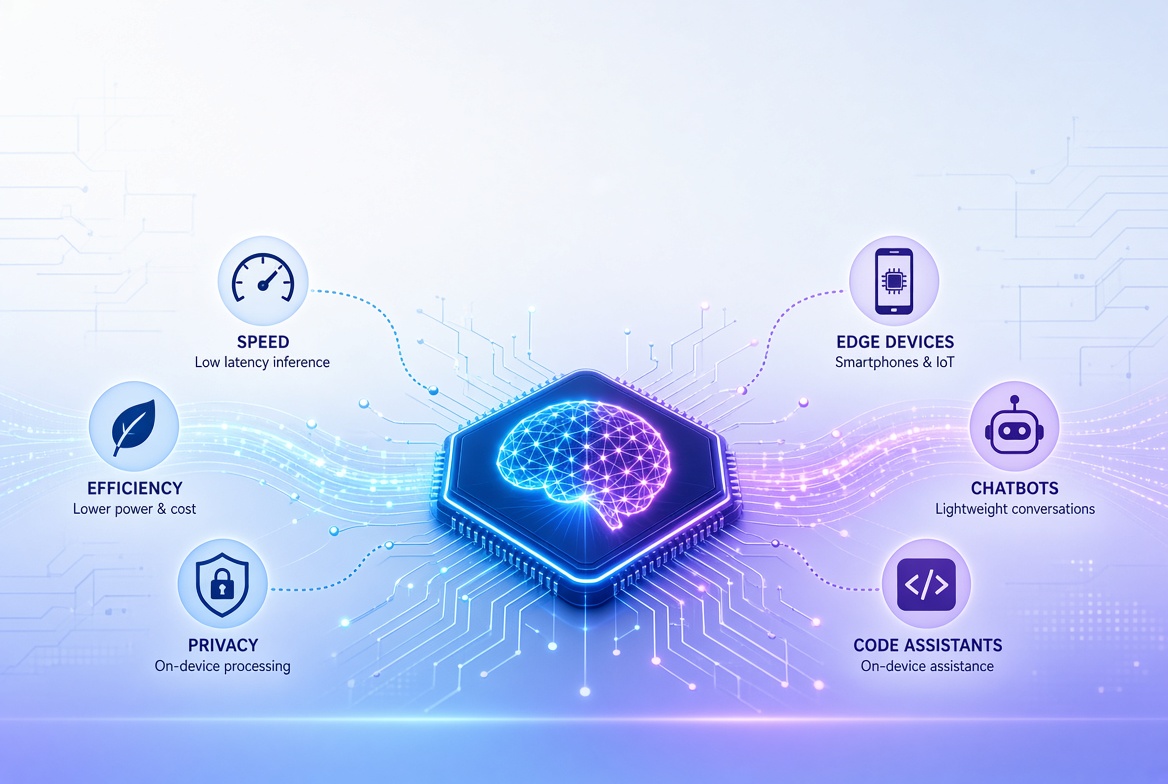
AI บนอุปกรณ์
AI processing on compatible phones, computers, and other devices may allow certain tasks to run locally.
Depending on the implementation, local processing can reduce reliance on remote servers and improve responsiveness. It does not automatically guarantee privacy or eliminate all security risks.
การรวมเข้าด้วยกันที่ลึกซึ้งยิ่งขึ้นกับซอฟต์แวร์ธุรกิจ
Assistants may become more closely integrated with office applications, customer support systems, developer tools, and business platforms.
Organizations will need to manage permissions, audit actions, verify results, and ensure that automation follows established policies.
ความสำคัญต่อความเชื่อถือได้ที่มากขึ้น
As assistants take on more important tasks, users and organizations will increasingly need measurable evidence of accuracy, consistency, and safe operation.
Human oversight will remain important for consequential decisions and actions that require professional judgment.
คำถามที่พบบ่อย
1. ผู้ช่วยส่วนตัวที่ใช้ AI คืออะไร?
An AI-powered personal assistant is software that uses artificial intelligence to help users answer questions, organize information, draft content, plan activities, and perform supported tasks through natural-language instructions.
2. ตัวอย่างของผู้ช่วยส่วนตัวที่ใช้ AI มีอะไรบ้าง?
Examples include ChatGPT and other conversational AI assistants, voice-enabled assistants, coding assistants, research tools, and productivity assistants integrated into business software. Their capabilities differ by product and subscription.
3. ผู้ช่วยส่วนตัวที่ใช้ AI สามารถทำให้การทำงานประจำวันอัตโนมัติได้หรือไม่?
Yes. Depending on the application and its permissions, an assistant may help organize schedules, prepare documents, summarize messages, create task lists, or interact with connected applications. Sensitive actions should have suitable approval controls.
4. ผู้ช่วยส่วนตัวที่ใช้ AI มีค่าใช้จ่ายหรือไม่?
Some offer free access with usage limits, while others require paid subscriptions for advanced models, higher limits, business features, or integrations. Availability and pricing depend on the provider and may change.
5. ผู้ช่วยส่วนตัวที่ใช้ AI ใช้แล้วปลอดภัยหรือไม่?
They can be used safely for many tasks when appropriate precautions are followed. Users should protect sensitive information, review application permissions, verify important outputs, and avoid granting unnecessary access to personal or business systems.
6. ผู้ช่วย AI สามารถเข้าถึงโทรศัพท์หรือคอมพิวเตอร์ของฉันได้หรือไม่?
Access depends on the product, device, operating system, integrations, and permissions granted. Some assistants can perform limited device functions or interact with connected applications, while others operate primarily within a chat interface.
7. ผู้ช่วยส่วนตัวที่ใช้ AI สามารถช่วยธุรกิจขนาดเล็กได้หรือไม่?
Yes. They can support content planning, customer support, marketing, administrative work, research, and software development. Businesses should evaluate output quality, data protection, implementation costs, and measurable results.
8. ความแตกต่างระหว่างผู้ช่วย AI กับเอเจนต์ AI คืออะไร?
An AI assistant generally helps users through conversation and task support. An AI agent is designed to pursue an objective by planning and executing a sequence of actions using available tools. Some assistants include agent capabilities, but not all assistants operate autonomously.
บทสรุป
AI-powered personal assistants are becoming practical tools for managing information, improving productivity, supporting learning, and simplifying business operations.
Their usefulness extends beyond answering questions. Depending on their capabilities, they can help draft documents, analyze files, research topics, organize projects, and interact with connected applications.
However, choosing the right assistant requires careful consideration of accuracy, privacy, security, integrations, cost, and the tasks it can reliably perform.
For individuals and entrepreneurs, the best starting point is to identify a repetitive or time-consuming task, test an appropriate assistant, and measure whether it improves the result.
As AI systems become more capable, the most effective users will be those who combine automation with critical thinking, appropriate security controls, and human judgment.
Explore more technology guides on SignalMediaMKG to learn how emerging digital tools can improve productivity, strengthen security, and support smarter business decisions.