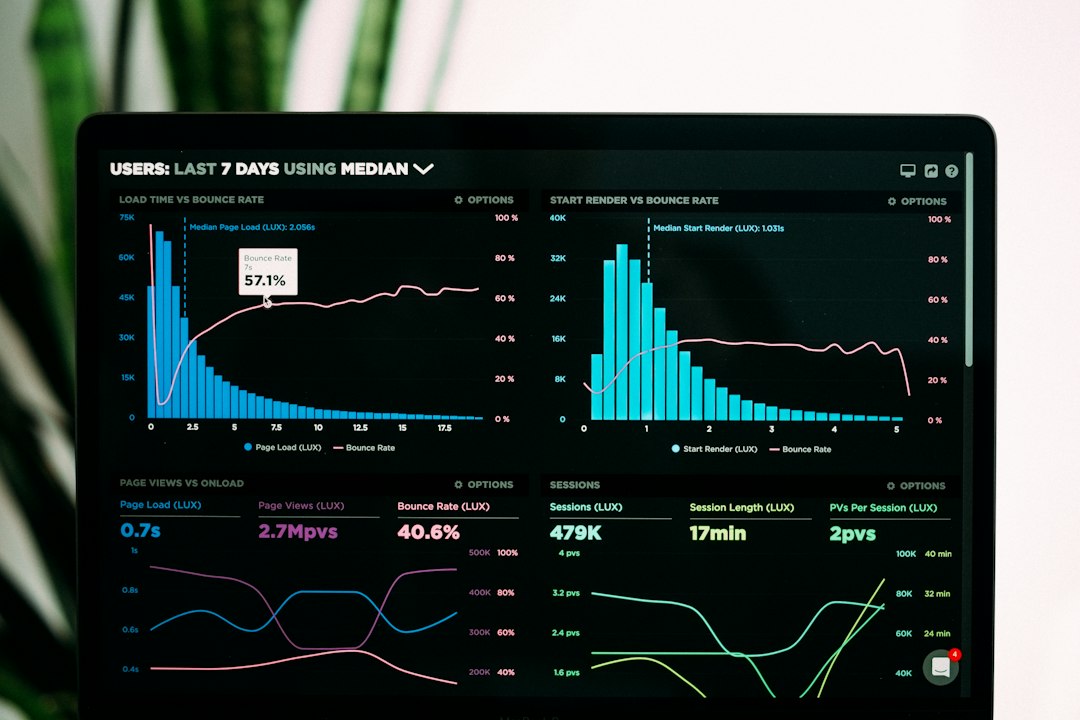

When organic search traffic suddenly stalls, the cause is rarely a technical penalty; more often, it is a gradual drop known as content decay. Implementing a structured content decay SEO strategy allows you to systematically detect declining web pages, update outdated information, and reclaim lost search engine rankings before your competitors dominate the SERPs. In this guide, you will learn how to identify declining URLs using analytics data, prioritize pages for updates, and execute a proven refresh workflow that restores organic performance.
สาระสำคัญ
- Content decay occurs naturally as user intent shifts, competitors update their guides, or statistics become obsolete.
- A proactive content decay SEO strategy focuses on updating high-potential existing assets rather than constantly creating new pages.
- Regular performance audits help catch declining impression trends early, allowing minor edits to yield substantial traffic recovery.
What Causes Content Decay in Search Engines?
Content decay refers to the progressive loss of organic search traffic, rankings, and keyword visibility across published pages over time. It represents a natural lifecycle phase for unmonitored digital content. Understanding why specific URLs lose rankings helps you select the correct remediation approach.
Shifting Search Intent and Evolving Queries
Search engines continuously refine how they interpret user queries based on real-time behavior. Over time, the core search intent behind a keyword might shift from broad informational research to specific product comparisons. If an aging blog post fails to address current searcher intent directly, search engine algorithms prioritize fresh, direct answers instead.
Competitor Optimization and Content Upgrades
Your search engine rankings do not exist in a vacuum. Competitors frequently perform content audits to target top-performing SERP results. When rival publications update their guides with original data, interactive charts, or improved user experience, your unedited content naturally moves down the ranking stack.
Outdated Information and Technical Friction
Articles containing outdated statistics, inactive external links, or obsolete media lose trust signals over time. Both human readers and search crawlers penalize pages that offer obsolete advice, resulting in higher bounce rates and reduced organic authority.
How Do You Identify Decaying Pages on Your Website?
Diagnosing decaying pages requires analyzing multi-month performance trends rather than short-term weekly traffic fluctuations. A brief drop could reflect seasonal variations, whereas a continuous six-month decrease highlights structural content decay.
Leveraging Search Analytics and Performance Reports
To pinpoint affected URLs, compare your website’s performance over the past six to twelve months against the preceding period. Focus on pages that demonstrate a noticeable reduction in organic clicks or declining click-through rates (CTR) despite maintaining stable impressions.
Categorizing Decaying Content by Severity
Not every declining page requires a full rewrite. Segmenting affected content into distinct operational categories helps streamline your optimization workflow:
- Minor Decay: Pages experiencing a 10–20% decline in organic traffic. These usually require quick metadata tweaks, updated facts, and fresh internal links.
- Moderate Decay: Pages suffering a 20–50% traffic drop. These require updated sections, expanded semantic keyword depth, and structural heading revisions.
- Severe Decay: Pages losing over 50% of historical traffic. These necessitate a total rewrite, consolidation with secondary pages, or strategic 301 redirection.
Comparison Matrix: Content Refresh Strategies
Selecting the optimal action plan for each declining page prevents wasted resources and yields the highest return on optimization effort.
| Strategy | ดีที่สุดสำหรับ | Effort Level | ประโยชน์หลัก |
|---|---|---|---|
| การรีเฟรชเนื้อหา | High-authority pages with minor to moderate traffic drops | ปานกลาง | Rapidly restores rankings by updating existing page equity |
| Content Consolidation | Multiple thin or overlapping articles targeting similar keywords | สูง | Eliminates keyword cannibalization and aggregates link authority |
| Content Pruning & Redirecting | Obsolete pages with zero traffic, low quality, and no backlinks | ต่ำ | Improves overall domain crawl budget efficiency and site quality |
Step-by-Step Execution Plan for a Content Decay SEO Strategy
Executing a structured content optimization process turns declining assets back into valuable traffic drivers. Follow these steps to audit and upgrade your existing published content.
Step 1: Conduct a Comprehensive Search Performance Audit
Export your performance data from search reporting tools, comparing the latest 180 days against the previous period. Filter the list to isolate published blog posts and landing pages showing continuous losses in organic clicks. Prioritize pages that historically generated significant conversions or qualified leads.
Step 2: Analyze Current Top-Ranking Competitors
Search your primary target keyword in an unpersonalized browser session to evaluate top-ranking competitors. Take note of their structural formatting, subheadings, custom visuals, and supplementary tools. Identify coverage gaps where your existing content lacks depth or practical examples.
Step 3: Expand Topical Coverage and Semantic Relevance
Enhance content depth by addressing contextually related subtopics and common user questions. Align your content updates with Google’s documentation on creating helpful, people-first content to ensure search engines recognize your article as accurate, comprehensive, and authoritative.
Step 4: Update On-Page SEO and Technical Assets
Refresh metadata by drafting engaging title tags and meta descriptions that reflect updated facts. Replace broken links, update obsolete industry data, optimize image alt text, and preserve the original URL slug to protect accumulated backlink equity.
Step 5: Strengthen Internal Linking and Trigger Re-Indexing
Add contextually relevant internal links from newly published, high-traffic articles pointing toward the refreshed page. Once published, submit the updated URL through your search console interface to accelerate re-crawling and indexing.
Real-World Evidence and Performance Metrics
Industry research demonstrates that systematically updating existing published posts yields faster traffic growth than publishing brand-new content. Web sites that execute regular content refreshes frequently observe traffic increases between 50% and 100% on optimized pages within 60 to 90 days. Updating existing content leverages established URL authority, backlink history, and domain age, making ranking recovery significantly more efficient than starting from scratch.
Expert Tips for Sustaining High Search Visibility
Maintaining top rankings requires a proactive maintenance schedule rather than occasional reactive updates. Integrate these strategies into your broader editorial roadmap:
- Establish a quarterly content audit schedule to spot early traffic drops before rankings collapse.
- Display both the original publication date and the “last updated” date clearly on informational guides.
- Build structured internal linking hubs to distribute page authority continuously to priority assets.
- Monitor search engine results pages for new layout features, such as featured snippets or video carousels.
Common Mistakes to Avoid When Fixing Decaying Content
Avoid these common mistakes during your content refresh process to prevent accidental ranking losses:
- Changing URL Permalinks Unnecessarily: Changing an established URL breaks existing backlinks and internal link equity unless seamless redirects are configured.
- Making Surface-Level Cosmetic Changes: Updating a publication date without adding substantive value or new information fails to satisfy search algorithms.
- Ignoring Keyword Cannibalization: Creating new duplicate articles instead of updating existing posts splits organic authority across competing pages.
- Overlooking User Experience Friction: Neglecting page load speed, mobile responsiveness, or intrusive layouts damages user engagement signals.
คำถามที่พบบ่อย
How often should you audit your website for content decay?
You should conduct a content decay audit every three to six months. Quarterly reviews allow you to catch minor traffic drops early and perform quick updates before rankings drop significantly.
Can content decay affect pages that used to rank number one?
Yes. Top-ranking pages are primary targets for competitors and remain vulnerable to changing user intent, algorithm updates, and outdated information over time.
Should you change the URL slug when updating decaying content?
No, keep the original URL slug whenever possible. Changing permalinks disrupts historical backlink authority and requires complex redirect rules.
What is the difference between content decay and keyword cannibalization?
Content decay is the gradual decline in search traffic on an aging page over time. Keyword cannibalization occurs when multiple pages on your site accidentally target the same search query, diluting authority.
How long does it take to see traffic recovery after refreshing an article?
Most updated articles show noticeable traffic recovery within two to eight weeks after search engines re-crawl and re-index the updated content.
Should outdated statistics be updated or removed entirely?
Update obsolete figures with current, verified research whenever available. If newer data is unavailable, remove the specific metric or replace it with qualitative context.
Is content pruning better than updating old articles?
Updating is preferred for pages that possess backlink authority or relevant topic value. Pruning (deleting or redirecting) is best reserved for completely irrelevance, low-quality pages that cannot be saved.
Does changing the published date harm search engine rankings?
Updating the published date is beneficial provided you made substantial, meaningful improvements to the accuracy, depth, and quality of the article.
Managing ongoing organic growth requires balancing new content creation with consistent asset maintenance. By embedding a systematic content decay SEO strategy into your standard publishing operations, you protect historical search equity, increase organic conversion rates, and ensure your site consistently provides authoritative answers to your target audience. Export your recent performance data today, identify your primary declining URLs, and apply these refresh practices to reclaim your search visibility.