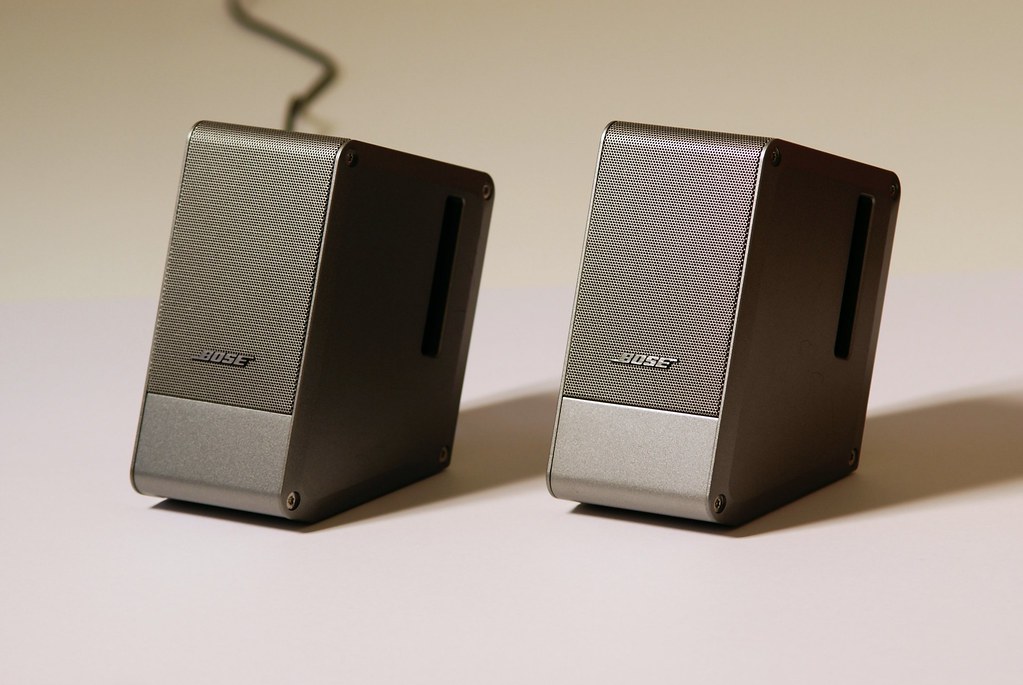

Voice search has fundamentally transformed how everyday users interact with the internet. Instead of typing concise phrases like "best coffee shops NYC," consumers now ask smart speakers and mobile assistants complete, conversational questions such as "Where is the closest artisanal coffee shop that is open right now?" This shift toward natural language processing means traditional keyword targeting is no longer sufficient on its own. Adapting your website for voice search optimization is essential for capturing high-intent mobile traffic and maintaining organic visibility.
As voice-activated devices become ubiquitous in homes, vehicles, and smartphones, search engine algorithms prioritize direct, concise answers. If your content fails to match conversational search queries, your brand risks missing out on a rapidly growing segment of organic traffic. This guide explores actionable strategies to optimize your digital presence, capture featured snippets, and align your content architecture with modern voice search habits.
Understanding Voice Search Intent
Voice search queries differ significantly from typed queries in both length and structure. While a typed search is often truncated for speed, a voice search mirrors human speech patterns. Users expect immediate, accurate answers, often while multitasking. Consequently, understanding the underlying search intent is critical for successful voice search optimization.
Search intent behind voice queries typically falls into three primary categories:
- ข้อมูล: Quick questions seeking factual answers (e.g., "How do I remove red wine stains from linen?")
- การนำทาง: Localized or brand-specific inquiries (e.g., "What time does the downtown post office close today?")
- เชิงธุรกรรม: Immediate purchasing or booking requests (e.g., "Book a table for two at an Italian restaurant near me")
Core Strategies for Voice Search Optimization
Optimizing your website requires a shift toward conversational content, technical readiness, and localized accuracy. Implementing these strategies helps search engines easily parse your content and select it for spoken answers.
Target Long-Tail Conversational Keywords
Voice searches use natural phrasing and question words like who, what, where, when, why, and how. Incorporating long-tail keywords that mirror how people actually speak increases your chances of ranking for voice queries. Build dedicated sections around user questions rather than isolated keyword phrases.
Optimize for Featured Snippets
Digital assistants typically pull the spoken answer directly from Google’s featured snippet, often referred position zero. Structuring your content with clear, concise definitions, bulleted lists, and structured data helps search engines identify your content as a definitive source.
Prioritize Local SEO and Mobile Performance
A vast majority of voice searches happen on mobile devices, often with local intent. Ensuring your Google Business Profile is fully updated, maintaining consistent NAP (Name, Address, Phone) data, and achieving fast mobile page load speeds are foundational requirements.
Voice Search vs. Traditional Text Search Comparison
| ฟีเจอร์ | Traditional Text Search | Voice Search |
|---|---|---|
| Query Length | Short, fragmented keywords (2–3 words) | Long, conversational sentences (5+ words) |
| Device Usage | Desktop computers and mobile browsers | Smartphones, smart speakers, and wearables |
| เจตนาการค้นหา | Broad research or navigation | Immediate answers and local intent |
| Result Delivery | Multiple blue links on a search results page | A single spoken answer read aloud |
เคล็ดลับจากผู้เชี่ยวชาญ
- Write content using a natural, conversational tone that directly addresses reader questions.
- Structure paragraphs with a direct answer in the first sentence, followed by supporting context.
- Implement FAQ schema markup to help search engine crawlers identify question-and-answer pairs.
- Monitor mobile-specific performance metrics inside Google Search Console to track voice-driven queries.
ข้อผิดพลาดทั่วไปที่ควรหลีกเลี่ยง
- Relying exclusively on short, single-word keywords that fail to capture conversational intent.
- Neglecting technical mobile optimization and slow-loading page elements.
- Failing to claim and optimize local business listings for "near me" searches.
- Writing overly complex, academic paragraphs that are difficult for screen readers and digital assistants to parse.
- Ignoring structured data markup, which provides crucial context to search engine bots.
คำถามที่พบบ่อย
What is voice search optimization?
Voice search optimization is the practice of formatting and structuring website content so that search engines select it as the spoken answer for voice-activated queries on mobile devices and smart speakers.
Why is voice search important for SEO?
Voice search is increasingly popular due to the widespread adoption of mobile assistants and smart home devices. Optimizing for it captures high-intent traffic that traditional text-based strategies might miss.
How do I find voice search keywords?
You can find voice search keywords by analyzing the People Also Ask section in Google search results, monitoring customer support inquiries, and using keyword tools to target long-tail question phrases.
Does voice search affect local SEO?
Yes. A significant percentage of voice searches carry local intent, such as finding open businesses or directions. Local SEO optimization is vital for capturing these mobile-driven queries.
What role do featured snippets play in voice search?
Featured snippets are critical because digital assistants often read the featured snippet directly aloud as the primary answer to a user’s spoken question.
How does schema markup help with voice search?
Schema markup provides explicit clues about the meaning of a page, helping search engines understand question-and-answer formats, product details, and local business information.
Should I create a separate page for voice search?
No, you do not need separate pages. Instead, integrate conversational questions and clear, concise answers naturally into your existing content and FAQ sections.
How can I measure voice search traffic?
While search engines do not always separate voice traffic explicitly, you can track long-tail question queries and mobile impressions using Google Search Console.
บทสรุป
Voice search optimization is no longer an experimental tactic; it is a vital component of a comprehensive modern SEO strategy. By aligning your content with natural language patterns, answering specific user questions, and maintaining technical excellence, you position your website to capture valuable organic traffic. Start auditing your content today to ensure your brand remains visible wherever your audience searches.