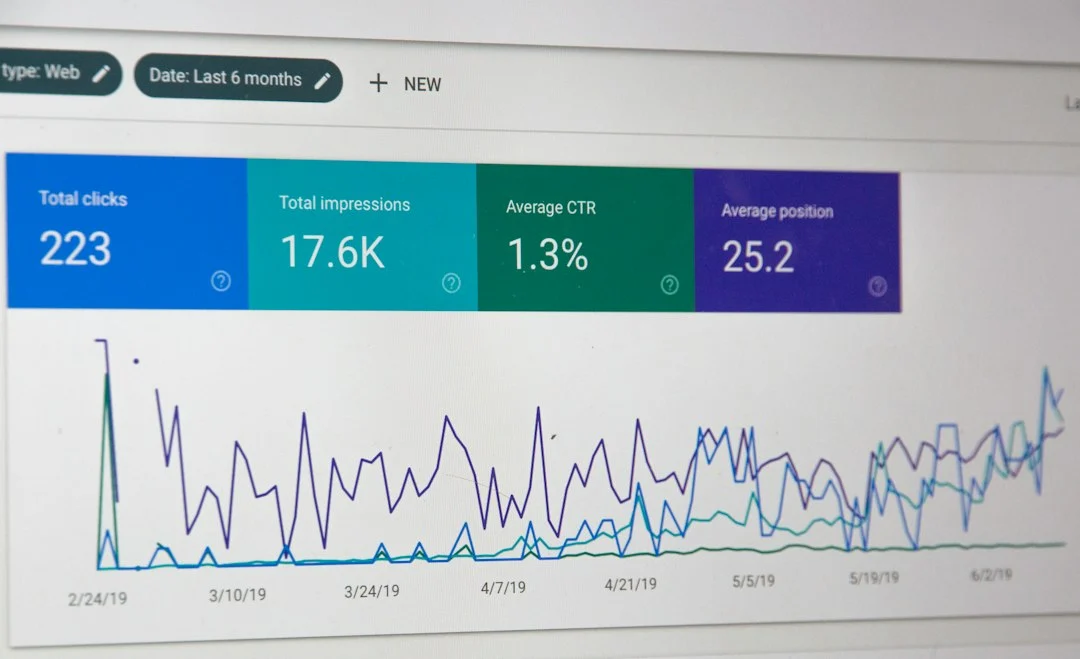

每個網站擁有者都希望獲得更高的排名、更多的自然流量以及更多的轉換率。然而,許多企業在不知不覺中犯下了關鍵的 SEO 錯誤 這阻礙了他們實現這些目標。
令人沮喪的現實是,即使是一個微小的 SEO 錯誤 也會顯著影響搜尋能見度。緩慢的網站、糟糕的關鍵字定位、損壞的連結或薄弱的內容策略可能會悄悄損害效能,而競爭對手則在搜尋結果中不斷攀升。
好消息是?大多數的 SEO 錯誤都是可以修復的。
在本綜合指南中,您將發現最常見的 SEO 錯誤、它們的重要性,以及如何在它們進一步損害您的排名和流量之前加以糾正。
為什麼 SEO 錯誤比以往任何時候都更重要
搜尋引擎變得更聰明了。
Google 的演算法現在會評估:
- 內容質量
- 使用者體驗
- 網站效能
- 權威性訊號
- 搜尋意圖對齊
- 技術健康度
隨著搜尋的不斷發展,曾經微不足道的錯誤現在可能會對排名產生重大影響。
了解 SEO 錯誤的真實成本
許多網站擁有者低估了優化不良的後果。
排名下降
當 Google 識別出品質或技術問題時,排名可能會迅速下降。
從第 3 名掉到第 10 名會大幅減少流量。
自然流量減少
排名下降意味著點擊量減少。
由於自然搜尋通常驅動網站流量的大部分,因此 SEO 錯誤會直接影響業務增長。
轉換率降低
糟糕的 SEO 通常會導致糟糕的使用者體驗。
遇到載入緩慢、導航混亂或內容不相關的訪客不太可能進行轉化。
錯誤一:忽略搜尋意圖
最大的 SEO 錯誤之一是創建與使用者實際需求不符的內容。
資訊型與交易型內容
考慮以下搜尋:
資訊性意圖
- 什麼是 SEO?
- SEO 是如何運作的?
交易性意圖
- 購買 SEO 軟體
- 聘請 SEO 顧問
如果您的內容與使用者意圖不符,無論關鍵字優化如何,排名都會受到影響。
如何修復
- 在創建內容之前分析搜尋結果
- 將內容格式與意圖相匹配
- 徹底回答使用者問題
- 專注於解決問題
錯誤二:糟糕的關鍵字研究
許多網站將關鍵字作為目標,僅僅是因為它們具有高搜尋量。
鎖定錯誤的關鍵字
高搜尋量的關鍵字通常具備:
- 激烈的競爭
- 低轉化潛力
- 不匹配的受眾
相反,應優先考慮:
- 相關關鍵字
- 長尾詞
- 意圖導向搜尋
- 真實客戶語言
如何修復
使用關鍵字研究工具並評估:
| 因素 | 重要性 |
|---|---|
| 搜索意圖 | 高 |
| 相關性 | 高 |
| 競爭 | 中 |
| 搜尋量 | 中 |
| 轉換潛力 | 高 |
錯誤 #3:關鍵字堆砌
幾年前,過度重複關鍵字可以提高排名。
如今,這會損害排名。
自然優化策略
避免這樣寫:
「SEO 錯誤是重要的 SEO 錯誤,因為 SEO 錯誤會影響排名。」
改為:
- 自然地書寫
- 使用相關詞彙
- 著重於可讀性
- 將使用者置於搜尋引擎之上
Google 理解上下文的能力比以往好得多。
錯誤 #4:發布薄弱內容
薄弱內容缺乏深度、價值和實用性。
例子包括:
- 極短的文章
- 通用內容
- 未經編輯的 AI 生成頁面
- 幾乎沒有原創資訊的頁面
建立有價值的內容
高效能的內容通常包括:
- 詳細解釋
- 示例
- 研究
- 專家見解
- 可執行的建議
在競爭激烈的搜尋結果中,內容深度往往能勝出。
錯誤 #5:重複內容問題
重複內容可能會混淆搜尋引擎。
常見原因包括:
- 多個網址版本
- 產品變體
- 複製的內容
- 分頁問題
標準網址(Canonical)最佳實務
使用標準標籤 (canonical tags) 來指定頁面的首選版本並整合排名信號。
定期審核有助於及早發現重複內容問題。
錯誤 #6:忽視技術性 SEO
如果技術性 SEO 薄弱,即使是極佳的內容也可能失敗。
可檢索性問題
搜尋引擎必須能夠有效率地存取頁面。
常見問題包括:
- 遭封鎖的資源
- 損壞的內部連結
- Poor site architecture
- Incorrect robots.txt settings
索引編製錯誤
Some pages never rank because they aren’t indexed properly.
Check regularly for:
- Noindex tags
- Canonical issues
- Sitemap problems
- Coverage errors
Mistake #7: Slow Website Speed
Speed is both an SEO factor and a user experience factor.
核心網頁指標(Core Web Vitals)影響
Slow websites often experience:
- Higher bounce rates
- Lower engagement
- Reduced conversions
- Poor rankings
如何修復
Improve speed by:
- Compressing images
- Reducing JavaScript
- Using caching
- Optimizing hosting
Every second matters.
Mistake #8: Poor Mobile Experience
Google uses mobile-first indexing.
If your mobile experience is poor, rankings may suffer.
行動優先索引
Ensure:
- Responsive design
- Readable text
- Fast mobile performance
- Easy navigation
Most users now browse primarily from mobile devices.
Mistake #9: Weak Internal Linking
Many websites overlook internal linking opportunities.
建立內容連結
Strong internal links help:
- Distribute authority
- Improve navigation
- Increase page discovery
- Strengthen topical relevance
Every important page should receive meaningful internal links.
Mistake #10: Ignoring Meta Tags
Meta titles and descriptions remain important.
優化標題與描述
Effective titles:
- Include target keywords
- Encourage clicks
- Match search intent
Effective descriptions:
- Summarize content
- Highlight benefits
- Increase click-through rates
Poor metadata often leads to missed traffic opportunities.
Mistake #11: Broken Links and Redirect Errors
Broken links damage both user experience and SEO.
維護網站健康
Regularly check for:
- 404 pages
- Redirect chains
- Redirect loops
- Outdated URLs
Healthy websites provide smooth navigation experiences.
Mistake #12: Low-Quality Backlinks
Not all backlinks help rankings.
重質不重量
避免:
- Spam directories
- Link farms
- 付費鏈接計劃
Focus on:
- Relevant websites
- Industry publications
- Editorial mentions
- Digital PR opportunities
One authoritative backlink can outperform dozens of low-quality links.
Mistake #13: Ignoring Structured Data
Structured data helps search engines understand content.
豐富結果機會
Schema markup can improve visibility through:
- 常見問題
- Reviews
- Products
- Articles
- Events
Rich results often increase click-through rates.
Mistake #14: Not Tracking SEO Performance
Many businesses implement SEO without measuring results.
分析與 Search Console
Monitor:
- 自然流量
- Rankings
- Click-through rates
- Conversions
- Technical errors
Data-driven decisions outperform guesswork.
Mistake #15: Forgetting User Experience
SEO is increasingly connected to user satisfaction.
互動訊號
Positive experiences encourage:
- Longer visits
- More page views
- Higher engagement
- Better conversions
Focus on users first, and rankings often follow.
Advanced SEO Mistakes Businesses Make
Experienced marketers also make strategic mistakes.
例子包括:
- Chasing algorithm updates
- Over-optimizing content
- Ignoring brand authority
- Publishing without promotion
- Failing to update older content
SEO success requires long-term thinking.
How to Conduct an SEO Mistake Audit
Use this checklist:
✅ Review keyword targeting
✅ Analyze search intent alignment
✅ Check page speed
✅ Test mobile usability
✅ Audit backlinks
✅ Fix broken links
✅ Review metadata
✅ Validate structured data
✅ Analyze internal linking
✅ Monitor search performance
Conduct audits quarterly to identify issues before they affect rankings.
For official SEO guidance, visit .
常見問題
1. 最常見的 SEO 錯誤有哪些?
Common mistakes include poor keyword research, ignoring search intent, slow page speed, duplicate content, weak internal linking, and technical SEO issues.
2. SEO 錯誤會降低排名嗎?
Yes. Many SEO mistakes directly affect crawlability, indexing, relevance, user experience, and authority, leading to ranking declines.
3. 我應該多久對網站進行一次 SEO 問題審核?
Most websites should conduct SEO audits every three to six months, while larger sites may require monthly reviews.
4. 關鍵字堆砌仍然有害嗎?
Absolutely. Modern search engines prioritize natural language and user experience over excessive keyword repetition.
5. 頁面載入速度對 SEO 有多重要?
Page speed is very important because it affects both rankings and user satisfaction.
6. 損壞的連結會影響 SEO 嗎?
Yes. Broken links create poor user experiences and can waste crawl resources.
7. 重複內容會傷害排名嗎?
Duplicate content can dilute ranking signals and make it harder for search engines to determine which page should rank.
8. 最快能修復的 SEO 錯誤是什麼?
Updating title tags, fixing broken links, improving metadata, and correcting indexing issues can often provide quick improvements.
結論
The most damaging SEO 錯誤 are often the ones that go unnoticed. Poor keyword targeting, technical issues, slow page speeds, weak content, and neglected user experiences can quietly erode rankings and traffic over time.
The good news is that every mistake covered in this guide can be identified and corrected. By conducting regular audits, focusing on user needs, maintaining technical health, and continuously improving content quality, businesses can protect their search visibility and create a stronger foundation for long-term growth.
SEO success isn’t about avoiding every mistake forever—it’s about finding problems early and fixing them before they become costly.




