
The landscape of vehicle ownership is undergoing a massive transformation, and with it, the way we protect our vehicles is changing rapidly. As we head into 2026, drivers are facing a complex mix of escalating premium costs, advanced vehicle technologies, and highly personalized insurance models. Understanding these shifts is no longer just about compliance; it is a financial necessity for anyone looking to keep their household budget under control.
In this comprehensive guide, we will break down the defining auto insurance trends 2026 has in store. From the mainstream adoption of telematics to the unique challenges of insuring electric vehicles and the integration of artificial intelligence in claims processing, you will discover what to expect and how to position yourself for the lowest possible rates.
Table of Contents
- The Shifting Landscape of Auto Insurance in 2026
- Key Drivers of Auto Insurance Trends in 2026
- 2026 Cost Projections and Market Realities
- Expert Tips for Navigating 2026 Auto Insurance Costs
- Common Mistakes to Avoid When Renewing Your Policy
- Frequently Asked Questions
- Conclusion
The Shifting Landscape of Auto Insurance in 2026
For decades, auto insurance pricing relied almost exclusively on static demographic data. Factors like your age, ZIP code, credit score, and driving record determined your risk profile. While these metrics still matter, the industry in 2026 is moving rapidly toward dynamic, behavior-based pricing. Insurers are leveraging real-time data to assess risk on an individual level, rewarding safe behaviors while charging premium rates for riskier habits.
This shift is driven primarily by the high cost of modern vehicle repairs. Today’s cars are essentially computers on wheels, packed with advanced driver-assistance systems (ADAS), sensors, and complex battery packs. While these technologies reduce the frequency of accidents, they drastically increase the severity and cost of claims when collisions do occur. As a result, insurance companies are redesigning their policies to offset these high repair costs.
Key Drivers of Auto Insurance Trends in 2026
Several major technological and environmental factors are converging to reshape the auto insurance market this year. Let’s explore the primary catalysts behind these changes.
1. Telematics and Behavior-Based Insurance (BBI)
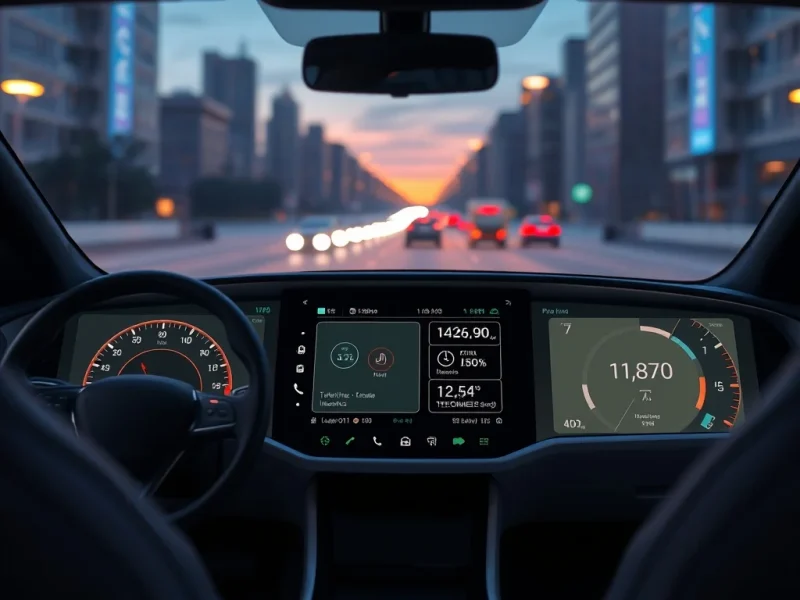
Telematics is no longer an optional discount program; in 2026, it is becoming the industry standard. By utilizing smartphone apps or built-in vehicle diagnostics, insurers monitor your actual driving habits—such as hard braking, rapid acceleration, cornering speeds, and time of day spent on the road. Safe drivers can unlock substantial discounts, while those with aggressive driving habits may face higher premiums. This shift toward pay-how-you-drive models offers drivers more direct control over their monthly expenses.
2. The Complexities of Electric Vehicle (EV) Insurance
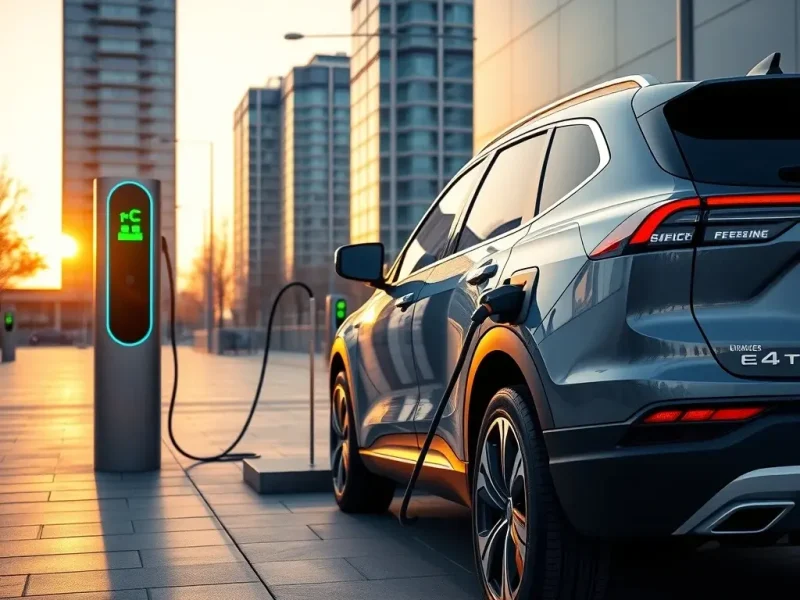
As electric vehicles capture a larger share of the automotive market, insuring them has become a specialized challenge. EVs feature highly sophisticated battery packs that represent a significant portion of the vehicle’s total value. Even minor structural accidents can compromise battery integrity, often leading insurers to write off the vehicle as a total loss rather than risking a costly and complex battery replacement. Consequently, EV owners can expect specialized premium structures tailored to these unique repair risks in 2026.
3. AI-Driven Claims and Automation
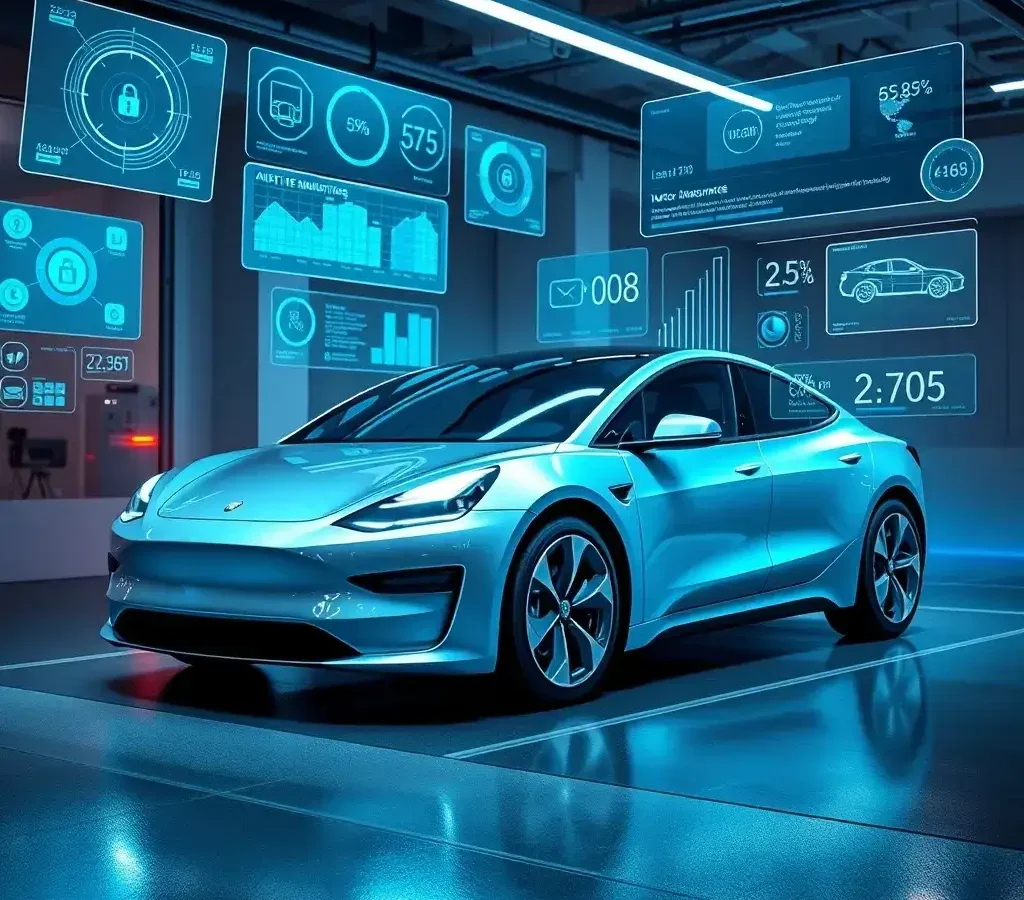
Artificial intelligence is streamlining the insurance ecosystem from underwriting to claims settlement. In 2026, many minor accident claims are processed entirely by AI algorithms. Drivers can upload photos of vehicle damage via an app, and computer vision technology estimates repair costs instantly, sometimes issuing payouts within hours. While this automation reduces administrative overhead for insurance companies, it also underscores the importance of digital literacy for policyholders looking for quick resolutions.
4. Climate Impact and Geographic Risk Adjustments
Extreme weather events, from severe hailstorms to historic flooding, are forcing insurance companies to re-evaluate geographic risk. Areas once considered low-risk are experiencing volatile weather patterns, leading to localized premium hikes. Insurers are using advanced climate modeling to adjust rates dynamically, making comprehensive coverage more expensive in regions prone to environmental disruptions.
2026 Cost Projections and Market Realities
To help you visualize how the market is shifting, the table below compares traditional insurance dynamics with the emerging trends dominating 2026.
| Insurance Metric | Traditional Approach | 2026 Trend & Outlook | Impact on Drivers |
|---|---|---|---|
| Pricing Basis | Demographics & driving history | Real-time telematics & mileage | High personalization; rewards safe drivers |
| EV Premiums | Slightly higher than gas vehicles | Specialized, high-repair-cost rates | EV owners must shop around for specialized policies |
| Claims Processing | Manual inspections & adjusters | AI-driven photo analysis & instant payouts | Faster payouts but less human interaction |
| Climate Risk | Broad regional assessments | Micro-targeted, climate-modeled pricing | Higher comprehensive costs in volatile zones |
Expert Tips for Navigating 2026 Auto Insurance Costs
While macro-economic factors are driving rates upward, you are not powerless. Implementing these modern, actionable strategies can help you secure the best possible rates in 2026:
- Embrace Telematics Wisely: If you have a short commute or practice exceptionally safe driving habits, opt into your insurer’s telematics program. Just ensure you understand the privacy policy and how your data is used.
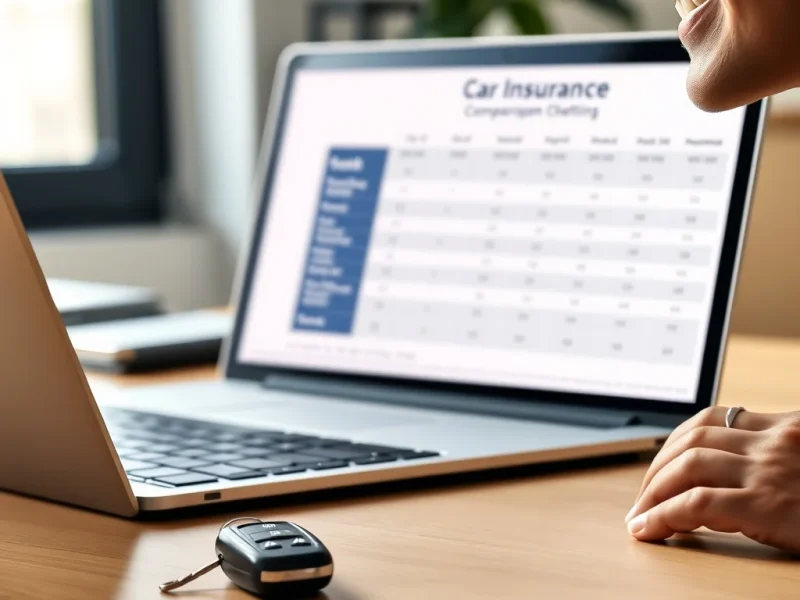
- Shop Around Before Renewal: Loyalty rarely pays in the modern insurance market. Use online comparison tools to get quotes from at least three different carriers every 12 months.
- Bundle Strategically: Bundling your auto insurance with homeowners, renters, or umbrella policies remains one of the most effective ways to secure double-digit discounts.
- Evaluate Your Deductibles: Raising your deductible from $500 to $1,000 can significantly lower your monthly premium. Just ensure you have the higher deductible amount saved in an emergency fund.
- Maintain a Strong Credit Profile: In states where it is legally permissible, insurers use credit-based insurance scores to determine risk. Keeping your credit utilization low can keep your insurance rates down.
Common Mistakes to Avoid When Renewing Your Policy
Avoid these frequent pitfalls to ensure you do not overpay or leave yourself underinsured:
- Accepting Automatic Renewals Unchecked: Letting your policy auto-renew without reviewing new rate adjustments or shopping the market is a direct path to paying a “loyalty penalty.”
- Underestimating Annual Mileage: If you transition to a remote or hybrid work model, update your annual mileage with your insurer. Overestimating your mileage means paying for risk you do not generate.
- Dropping Necessary Coverages to Save Money: Dropping comprehensive or collision coverage on a financed or valuable vehicle to lower premiums can leave you financially devastated in an accident.
- Ignoring Policy Discounts: Many drivers qualify for discounts they never claim, such as professional association memberships, green vehicle discounts, or paperless billing incentives.
Frequently Asked Questions
What are the major auto insurance trends in 2026?
The dominant trends in 2026 include the widespread adoption of telematics and behavior-based pricing, rising premiums driven by complex EV repair costs, the integration of AI for automated claims processing, and more precise geographic risk modeling due to extreme weather patterns.
Why are car insurance rates rising so fast in 2026?
Rates are rising primarily due to the increased cost of vehicle repairs. Modern cars contain advanced technology, sensors, and computer systems that are expensive to replace. Additionally, inflation, rising labor costs at repair shops, and a higher frequency of severe weather claims have forced insurers to raise rates.
How does telematics affect auto insurance rates?
Telematics tracks your actual driving habits—such as speed, braking patterns, and mileage—via a smartphone app or vehicle device. Safe drivers who avoid aggressive maneuvers and drive less can earn substantial premium discounts, while risky driving behavior may result in rate increases depending on the carrier.
Will insuring an electric vehicle (EV) cost more in 2026?
Generally, yes. EVs often cost more to insure than comparable gas-powered vehicles in 2026 because of high battery replacement costs and the specialized labor required to repair electric drivetrains. However, shopping with specialized insurers can help mitigate these higher premiums.
How can I lower my car insurance premium in 2026?
You can lower your premium by enrolling in telematics programs, raising your deductibles, bundling multiple policies, maintaining a strong credit score, taking advantage of low-mileage discounts, and shopping around for new quotes at least once a year.
What role does AI play in 2026 auto insurance claims?
AI is used to automate and accelerate the claims process. Policyholders can submit photos of vehicle damage through mobile apps, allowing AI algorithms to instantly estimate repair costs and authorize payments, significantly reducing the time it takes to resolve minor claims.
Does climate change impact car insurance premiums?
Yes. Increased frequencies of severe weather events like floods, wildfires, and hailstorms have led to higher comprehensive claim payouts. Insurers are raising premiums, particularly in high-risk geographic zones, to offset these growing environmental losses.
Should I switch to a pay-per-mile insurance plan?
A pay-per-mile plan is highly beneficial if you drive fewer than 10,000 miles per year. If you work from home, use public transit, or only use your vehicle for short local trips, switching to a mileage-based plan can save you hundreds of dollars annually compared to a traditional policy.
Conclusion
Navigating the auto insurance trends 2026 presents requires a proactive approach. As technology, climate risks, and vehicle complexities continue to drive premiums upward, staying informed and utilizing modern tools like telematics and comparison shopping are your best defenses against rising costs. Take control of your financial future by reviewing your current policy limits, exploring behavior-based savings, and ensuring you are not paying for coverage you do not need.
Ready to optimize your coverage for the year ahead? Start by requesting customized quotes online or contacting an independent insurance agent to evaluate your options today.