
As electric vehicles (EVs) transition from niche novelties to mainstream choices, drivers face a new set of ownership realities. Beyond charging logistics and battery health, one of the most significant adjustments is navigating electric vehicle insurance. While the core coverage options remain similar to traditional auto insurance, the risk profiles, repair costs, and premium structures for EVs are uniquely distinct.
Understanding these differences is crucial for both current EV owners and those considering making the switch. This guide explores why electric vehicle insurance behaves differently than standard auto insurance, what factors drive its cost, and how you can find the most competitive rates without sacrificing essential coverage.
Why Electric Vehicle Insurance Differs from Gas-Powered Car Insurance
At its core, a car insurance policy is designed to protect you financially against damage and liability. However, the physical makeup of an electric vehicle introduces unique variables that insurers must account for. The primary differences lie in the technology, the cost of parts, and the specialized labor required to repair these vehicles.
Unlike internal combustion engine (ICE) vehicles, EVs are powered by large, complex lithium-ion battery packs. These batteries are incredibly expensive to manufacture and replace, often accounting for a significant percentage of the vehicle’s total value. Additionally, EVs are packed with advanced driver assistance systems (ADAS), sensors, and specialized software. When an EV is involved in an accident, even a minor fender bender can damage sensitive electronic components, leading to high repair bills.
Furthermore, repairing an electric vehicle requires certified technicians who understand high-voltage systems. Because there are fewer certified EV repair shops compared to traditional mechanics, labor rates are often higher, and repair times can be longer. Insurers factor these elevated repair costs directly into their premium calculations.
Key Factors Influencing EV Insurance Costs
When insurance companies calculate your premium for an electric vehicle, they evaluate several risk factors. While traditional elements like your driving record, location, and age still play a major role, EV-specific details carry substantial weight.
| Feature / Risk Factor | Electric Vehicles (EVs) | Gas-Powered Vehicles (ICE) |
|---|---|---|
| Average Replacement Cost | High (due to expensive battery packs and integrated tech) | Moderate (standard parts are widely available) |
| Repair Complexity | Requires specialized high-voltage certified technicians | Can be serviced by most standard mechanics |
| Acceleration & Torque | Instant torque increases risk of high-speed collisions | Gradual acceleration patterns |
| Vehicle Weight | Heavier batteries increase collision impact force | Lighter average curb weight |
As shown above, the physical characteristics of EVs inherently alter the risk assessment. The heavy weight of an EV, caused by its battery pack, means it can cause more damage to other vehicles or property in an accident, potentially raising the liability portion of your premium. Additionally, the instant torque and rapid acceleration of electric motors can lead to more severe accidents, particularly for drivers unaccustomed to the performance dynamics.
Average Cost of Electric Vehicle Insurance
On average, insuring an electric vehicle costs about 15% to 30% more than insuring a comparable gas-powered car. However, this premium gap is slowly narrowing as EVs become more common, supply chains stabilize, and more mechanics receive specialized training.
The specific model you choose also heavily influences your rate. For instance, insuring a high-performance luxury EV like a Tesla Model S or a Porsche Taycan will cost significantly more than insuring a budget-friendly electric hatchback like a Chevrolet Bolt or a Nissan Leaf. Luxury EVs not only have higher replacement values but also feature proprietary technology that can only be repaired at authorized brand service centers.
How to Save Money on Electric Vehicle Insurance
While electric vehicle insurance can be more expensive, there are several highly effective strategies you can use to lower your premiums and secure affordable coverage.
- Ask for Green Vehicle Discounts: Many insurance providers offer specialized discounts for drivers of electric, hybrid, or alternative-fuel vehicles to encourage eco-friendly driving.
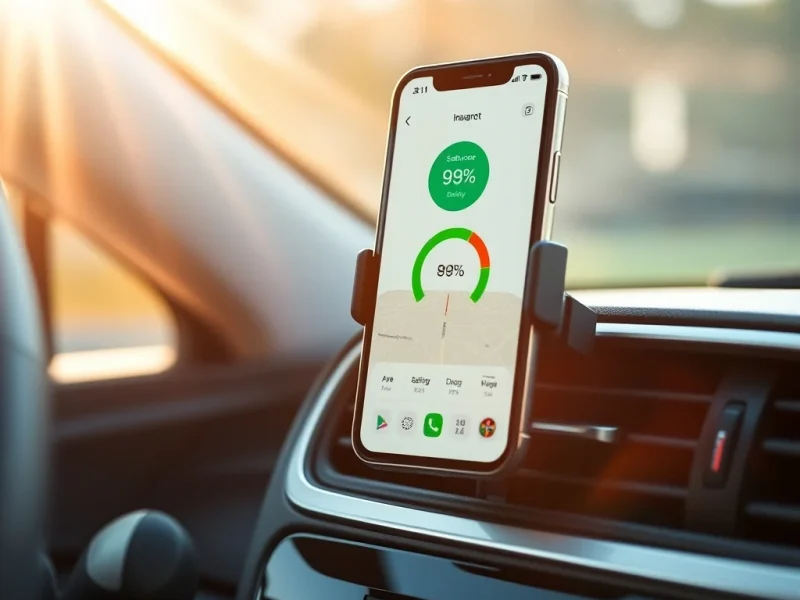
- Leverage Telematics and Usage-Based Insurance: If you do not drive long distances daily, a pay-per-mile or telematics program can track your driving habits and reward safe, low-mileage behavior with lower rates.
- Bundle Your Policies: Combining your auto insurance with home, renters, or condo insurance is one of the easiest ways to secure a multi-policy discount.
- Install Safety and Security Features: Many EVs come standard with advanced safety suites, but ensuring your insurer is aware of active anti-theft systems and lane-assist technologies can trigger additional discounts.
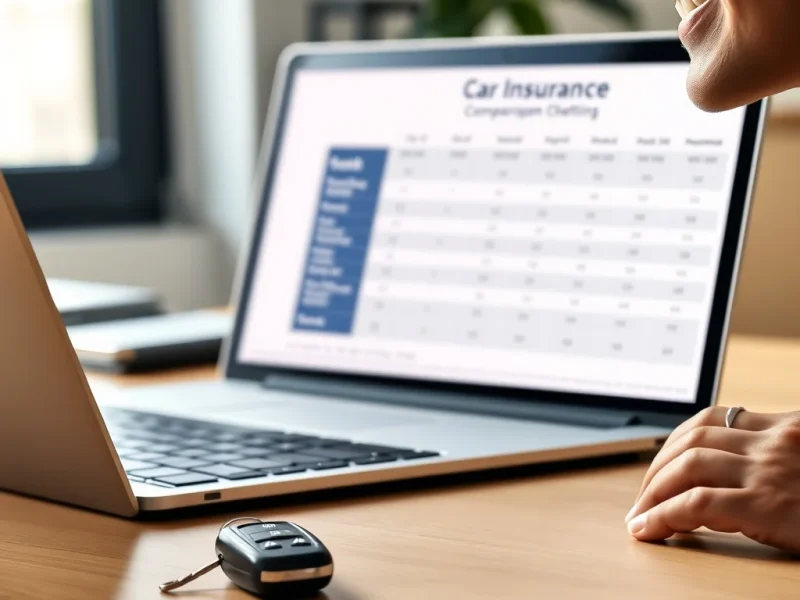
- Shop Around and Compare Quotes: Insurance companies underwrite risk differently. Obtaining quotes from multiple carriers is the single most effective way to find the lowest rate for your specific EV model.
Expert Tips for EV Owners
To maximize the value of your policy and protect your investment, consider these expert recommendations:
- Verify Battery Coverage: Ensure your comprehensive and collision coverage explicitly includes the vehicle’s battery pack against accidental damage, road debris, and thermal events.
- Check Roadside Assistance Details: Confirm that your roadside assistance plan includes flatbed towing. Standard hook-and-chain towing can damage an EV’s electric motors. Some plans also offer mobile charging if you run out of battery on the road.
- Consider OEM Parts Coverage: Because aftermarket parts for electric vehicles are rare, adding an Original Equipment Manufacturer (OEM) parts endorsement ensures your car is repaired using genuine factory components.
Common Mistakes to Avoid
Avoid these frequent pitfalls when securing insurance for your electric vehicle:
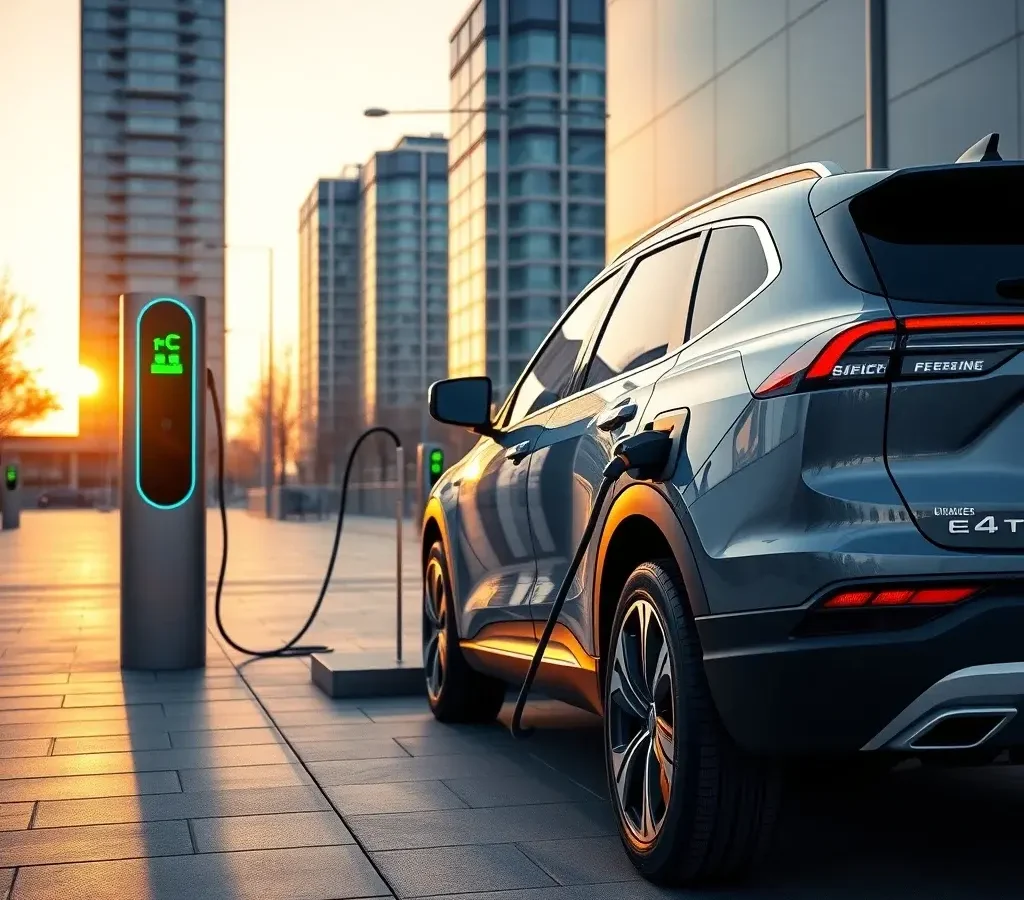
- Assuming Home Charging Stations Are Covered: Your auto policy typically will not cover damage to your home charging station. You must ensure your homeowners insurance policy extends coverage to your wall charger and associated electrical upgrades.
- Skipping Gap Insurance on Financed EVs: Electric vehicles can experience rapid depreciation. If your EV is totaled early in your ownership, gap insurance covers the difference between the car’s actual cash value and what you owe on your loan.
- Failing to Research Insurance Costs Before Buying: Before signing the paperwork on a new EV, call your insurance agent to get a quote. Some models are surprisingly expensive to insure, which could impact your overall monthly budget.
- Ignoring Specialized EV Insurers: Some newer digital insurance companies specialize specifically in electric vehicles and may offer more tailored coverage options than traditional legacy carriers.
Frequently Asked Questions
Why is electric vehicle insurance more expensive than gas car insurance?
Electric vehicle insurance is typically more expensive because EVs cost more to repair and replace. The high price of lithium-ion batteries, the need for specialized repair technicians, and the use of advanced sensors and materials all contribute to higher claim payouts for insurance companies, which are passed on to drivers in the form of higher premiums.
Does EV insurance cover the battery pack?
Yes, standard comprehensive and collision coverage will cover your EV’s battery pack if it is damaged in an accident, by vandalism, or due to severe weather. However, insurance does not cover natural battery degradation over time, which is typically covered under the manufacturer’s warranty.
Are there specific discounts available for electric vehicle insurance?
Many major insurance companies offer a “green vehicle” or “alternative fuel” discount for electric vehicle owners. Additionally, EV drivers can qualify for standard discounts such as safe driver discounts, multi-car discounts, paperless billing, and bundling incentives.
Is a home charging station covered under my auto insurance policy?
Generally, no. Your auto insurance policy covers the vehicle itself. A home charging station installed in your garage or on your property is typically covered under your homeowners insurance policy under the “other structures” or “personal property” sections. It is wise to notify your home insurance provider after installing one.
How does a vehicle’s battery range affect insurance premiums?
The battery range itself does not directly affect premiums, but vehicles with larger batteries are often heavier and more expensive to purchase. Because larger batteries cost more to replace, vehicles with extended ranges may carry slightly higher collision premiums than standard-range models.
Do I need special roadside assistance for an electric vehicle?
Yes, it is highly recommended. Because towing an EV incorrectly can damage its regenerative braking system, your roadside assistance plan must specify flatbed towing. Some modern roadside assistance packages also offer emergency roadside charging services if your battery runs completely out of power.
Can I get usage-based or telematics insurance for an EV?
Absolutely. Many EV manufacturers offer proprietary telematics insurance programs that monitor your actual driving habits directly from the vehicle’s onboard computer. Traditional insurers also offer app-based telematics that can help safe EV drivers secure lower premiums.
Does gap insurance make sense for a new electric vehicle?
Yes. Because the EV market is evolving rapidly, depreciation can occur quickly, especially when federal or state tax credits lower the market value of used models. If you finance or lease your EV with a low down payment, gap insurance protects you from paying out-of-pocket if the vehicle is totaled.
Conclusion
While electric vehicle insurance comes with a premium compared to traditional gas-powered vehicles, understanding the underlying cost factors empowers you to make smarter financial decisions. By focusing on specialized discounts, leveraging telematics, and actively comparing quotes from multiple providers, you can protect your high-tech investment without overpaying. As you plan your next vehicle purchase or renewal, take the time to review your policy to ensure your EV, its battery, and your home charging setup are fully protected.
If you are ready to transition to an electric vehicle or want to optimize your current coverage, start comparing electric vehicle insurance quotes today to secure the best rates and specialized coverages for your eco-friendly drive.