
The landscape of vehicle protection is undergoing its most radical transformation in decades. As we navigate the year, auto insurance trends 2026 reveal an industry shifting away from generalized risk pools and moving rapidly toward hyper-personalized, real-time pricing models. Driven by advancements in artificial intelligence, connected vehicle data, and shifting economic realities, drivers are finding that how they drive matters far more than traditional demographic brackets.
For years, insurers relied on static factors like zip codes, credit scores, and age to determine premiums. Today, those legacy metrics are taking a backseat to telematics, advanced driver assistance systems (ADAS), and algorithmic risk assessments. Understanding these developments is no longer just for industry insiders; it is essential for any consumer looking to keep their annual coverage costs manageable in an increasingly expensive world.
The Rise of Hyper-Personalization Through Telematics
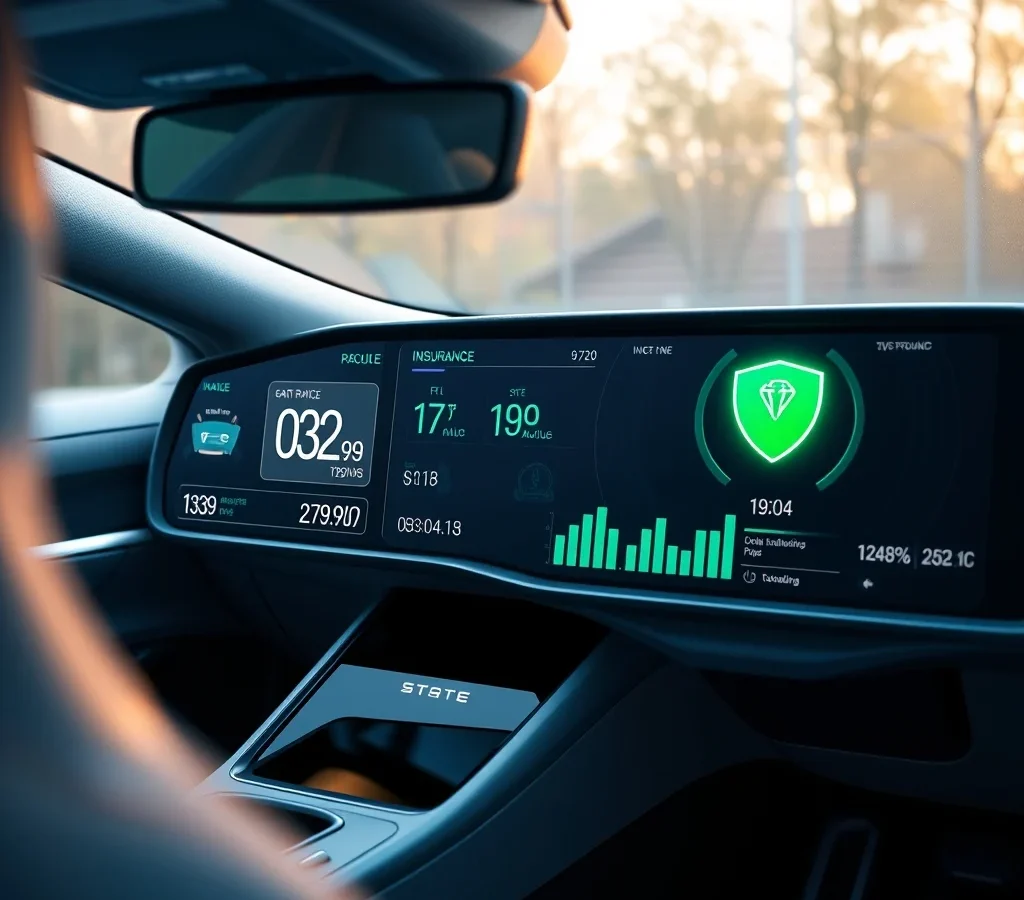
The most significant of the auto insurance trends 2026 has brought to the forefront is the normalization of usage-based insurance (UBI) and behavior-based insurance (BBI). Rather than treating telematics as an optional discount program for tech-savvy drivers, many major carriers now position behavioral tracking as the baseline standard for policy underwriting.
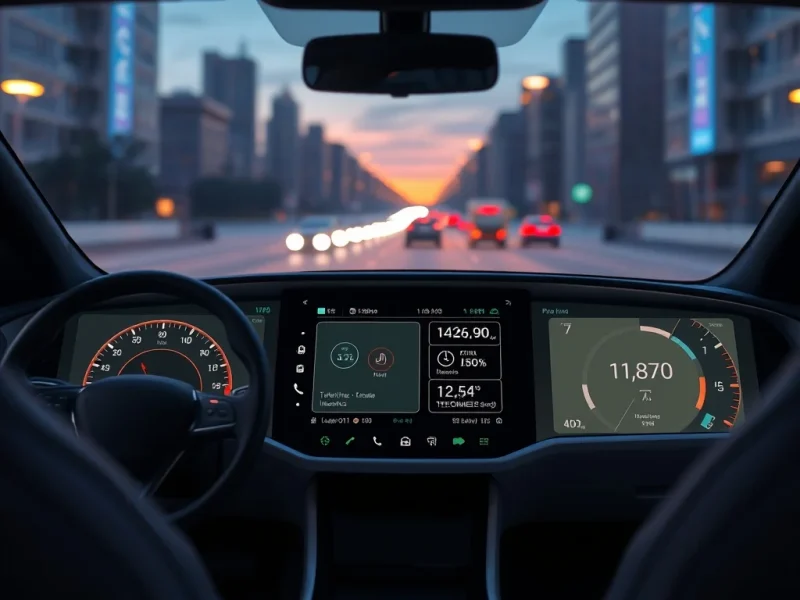
Modern telematics systems do not just monitor speed and hard braking. In 2026, connected vehicles transmit highly granular data streams directly to insurers. This includes cornering G-forces, the time of day the vehicle is operated, phone distraction metrics, and even how consistently the driver engages semi-autonomous driving features. For cautious drivers, this shift offers unprecedented opportunities to secure lower rates, while high-risk drivers face steeper premium increases than ever before.
How AI and Automation Speed Up Claims
Artificial intelligence is no longer a futuristic concept in the insurance sector; it is the engine running the backend of almost every major carrier. The claims process, which historically took weeks of manual inspection and paperwork, has been compressed into minutes through digital claims processing.
When an accident occurs, drivers can upload photos and videos of the damage directly through a mobile application. AI computer vision models instantly analyze the imagery, cross-reference it with historical parts and labor pricing databases, and generate an accurate repair estimate. In many minor collision cases, claims are approved and payouts initiated before the tow truck even arrives at the repair facility. This automation dramatically reduces administrative overhead for insurance companies, helping to offset some of the inflationary pressures on premiums.
The EV Insurance Paradox
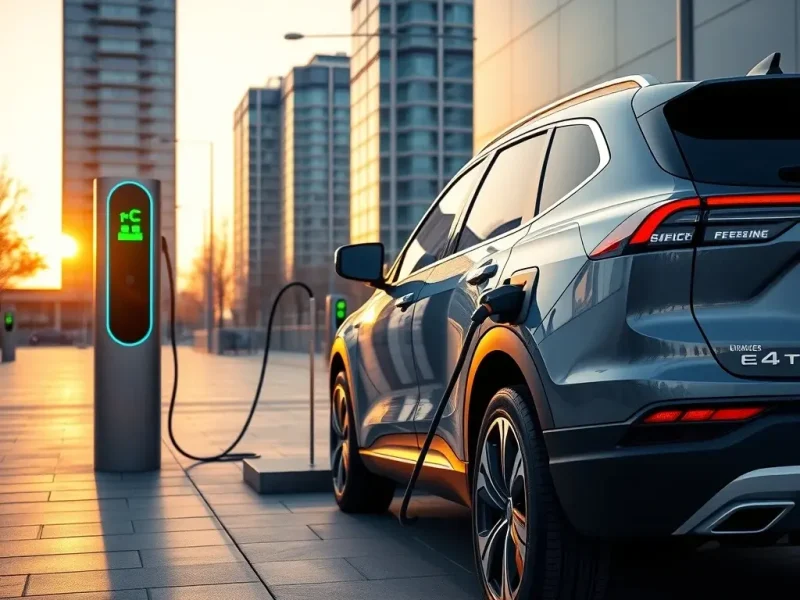
Electric vehicles (EVs) present a unique challenge in 2026. While EVs feature fewer moving parts and are statistically less prone to mechanical failure, their insurance premiums remain disproportionately high compared to traditional internal combustion engine (ICE) vehicles. This paradox is driven by several critical factors:
- High Battery Replacement Costs: Even minor undercarriage damage can compromise an EV’s battery pack, often resulting in a total loss designation because the battery pack can account for up to 50% of the vehicle’s total value.
- Specialized Labor Shortages: Repairing electric drivetrains and structural battery packs requires specialized technician training, leading to higher labor rates and longer cycle times at certified repair shops.
- Advanced Sensor Integration: EVs are packed with cameras, radar, and LiDAR sensors. Even simple bumper replacements require expensive recalibration processes to ensure safety systems function correctly.
Comparing Traditional vs. 2026 Insurance Models
To visualize how rapidly the industry is changing, consider the fundamental differences between legacy insurance structures and the modern framework defining the market today.
| Feature | Traditional Insurance Model | 2026 Modern Insurance Model |
|---|---|---|
| Pricing Basis | Demographics, credit history, zip code, claims history. | Real-time driving behavior, mileage, active safety system usage. |
| Claims Processing | Manual adjuster inspections, paper forms, multi-week resolution. | AI image analysis, automated estimation, instant digital payouts. |
| Policy Flexibility | Fixed annual or semi-annual contracts with flat rates. | Dynamic monthly pricing, pay-per-mile options, on-demand coverage. |
| Safety Incentives | No-claims discounts applied retroactively at renewal. | Real-time coaching, gamified driving scores, immediate premium adjustments. |
Expert Tips to Lower Your Premiums
Navigating these shifts requires a proactive approach. If you want to keep your coverage affordable, consider implementing these expert-vetted strategies:
- Opt into Telematics Wisely: If you have a short commute and practice safe driving habits, enrolling in a usage-based program can yield premium reductions of up to 40%.
- Bundle Strategically: Multi-policy discounts remain highly effective. Combining auto, home, or renters insurance with a single carrier provides immediate loyalty discounts.
- Leverage Vehicle Safety Technology: Ensure your insurer is aware of all active safety features on your vehicle, such as automatic emergency braking, lane-keep assist, and driver monitoring systems.
- Review Your Deductible: If you have a solid emergency fund, raising your deductible from $500 to $1,000 can reduce your comprehensive and collision premiums by 15% to 30%.
Common Mistakes to Avoid in 2026
As the market evolves, traditional money-saving assumptions can backfire. Avoid these common pitfalls to protect your budget:
- Ignoring Mileage Tracking: With remote and hybrid work remaining prevalent, paying for a standard 12,000-mile policy when you only drive 5,000 miles a year is a costly oversight. Transitioning to a pay-per-mile structure can save hundreds of dollars annually.
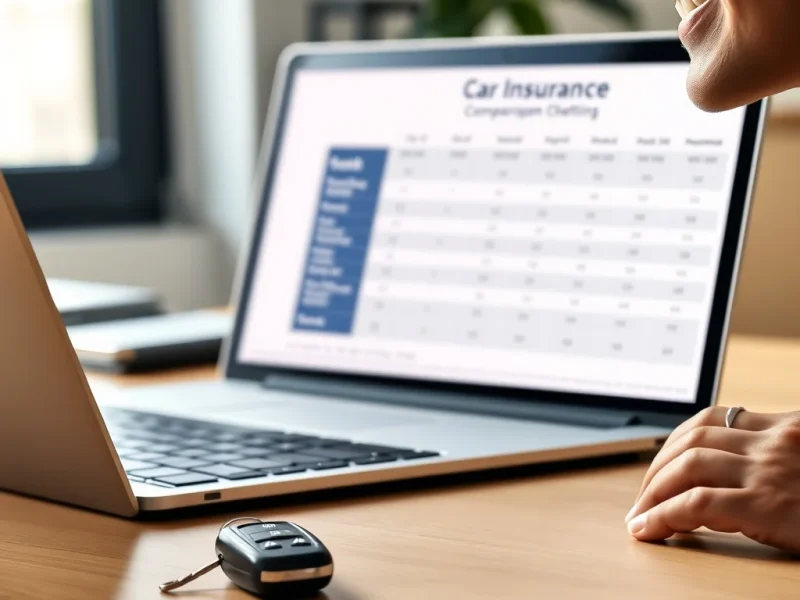
- Failing to Shop Around at Renewal: Automatic renewals often come with an “optimizing tax” where loyal customers are quietly charged higher rates. Always compare quotes at least once a year.
- Neglecting Data Privacy Settings: While telematics programs offer savings, failing to read the terms of service can result in your driving data being shared with third-party brokers. Choose carriers with transparent data-handling policies.
Frequently Asked Questions
What are the major auto insurance trends 2026 has introduced?
The primary trends include the widespread adoption of behavior-based telematics, AI-driven instant claims processing, specialized insurance products tailored for electric vehicles, and dynamic monthly pricing models that replace traditional flat-rate annual premiums.
How will artificial intelligence affect my car insurance rates in 2026?
AI helps insurers price risk more accurately and process claims with minimal human intervention. While this efficiency lowers administrative costs for insurers, drivers with poor driving habits or high-risk profiles may see their rates increase as AI algorithms identify subtle risk patterns.
Is telematics-based insurance mandatory in 2026?
While not legally mandated by governments, telematics has become the default offering for many top-tier insurers. Drivers who choose to opt out of data sharing may find themselves ineligible for the most competitive rates and face higher baseline premiums.
Why are electric vehicle insurance premiums still higher than gas cars?
EV insurance remains expensive due to high battery replacement costs, a shortage of specialized repair technicians, and the high cost of replacing and recalibrating the advanced sensors embedded throughout the vehicle’s bodywork.
How do advanced driver assistance systems (ADAS) impact insurance costs?
ADAS features like automatic emergency braking and collision avoidance systems reduce the frequency of accidents, which can lower your liability premiums. However, because these systems are expensive to repair when an accident does occur, collision coverage costs may remain flat or increase slightly.
Can I still get a traditional flat-rate auto insurance policy?
Yes, traditional policies are still widely available. However, they are becoming relatively more expensive as insurers reserve their best rates for customers willing to participate in data-sharing and telematics programs.
What is the average cost of car insurance in 2026?
The average cost varies widely by state, vehicle type, and individual driver profile. However, due to inflation, rising vehicle repair complexity, and climate-related weather claims, average premiums nationwide have risen approximately 8% to 12% over the last two years.
How can I protect my data privacy with telematics insurance?
To protect your privacy, carefully review your insurer’s privacy policy. Look for carriers that explicitly state they do not sell driving data to third-party marketing firms or consumer reporting agencies, and ensure you can easily opt-out or delete your data if you switch companies.
Conclusion
The auto insurance landscape of 2026 demands a more engaged, informed consumer. By embracing the technological shifts, understanding the impact of your driving habits, and actively shopping for policies that reward safe behavior, you can successfully navigate these trends and secure the most cost-effective coverage possible. Take control of your premium today by contacting your agent or exploring modern, data-driven quote options online.