
The landscape of vehicle ownership is undergoing its most rapid transformation in a generation, and the way we protect our vehicles is changing just as quickly. As we look toward 2026, the intersection of advanced automotive technology, artificial intelligence, and shifting economic realities is completely rewriting the rules of car insurance. Drivers who rely on outdated insurance strategies risk paying significantly more than necessary for coverage that may no longer fit their needs.
For years, auto insurance rates were calculated using broad demographic buckets: age, ZIP code, credit score, and driving record. Today, we are moving rapidly toward a model built on real-time, individualized risk. Understanding these auto insurance trends 2026 is essential for any driver looking to maintain robust coverage without breaking the bank.
The Driving Forces Behind Auto Insurance Trends in 2026
Several macro trends are converging to reshape the auto insurance market. From the cars we drive to the software underwriting our policies, the industry is transitioning from a reactive model to a highly predictive, digital-first ecosystem.
1. The Ubiquity of Telematics and Usage-Based Insurance (UBI)
By 2026, usage-based insurance (UBI) is no longer a niche discount program; it is becoming the industry standard. Telematics technology—which monitors your acceleration, braking speed, cornering, and phone distraction—allows insurers to price policies based on how you actually drive, rather than how your demographic group drives on average.
Drivers are increasingly opting into these programs to offset rising baseline premiums. For safe drivers, telematics offers a direct pathway to substantial discounts. For insurers, it provides invaluable data that helps them price risk with unprecedented accuracy.
2. Artificial Intelligence and Hyper-Personalized Underwriting
Artificial intelligence has moved beyond basic customer service chatbots. In 2026, sophisticated machine learning algorithms analyze thousands of data points in real time to generate hyper-personalized insurance quotes. This means your premium can adjust dynamically based on refined risk models, seasonal driving patterns, and even real-time weather data.
3. Rising Repair Costs and Advanced Vehicle Technology
Modern vehicles are essentially rolling computers. Even basic compact cars are now equipped with Advanced Driver Assistance Systems (ADAS), including bumper-mounted radar sensors, windshield cameras, and ultrasonic park assist. While these features reduce the frequency of accidents, they dramatically increase the cost of repairs when a collision does occur.
A simple fender bender that once cost $500 to repair can now easily exceed $3,000 because of the need to replace and recalibrate sensitive electronic sensors. This reality is a primary driver behind the elevated car insurance rates 2026 consumers are experiencing.
Comparing Traditional vs. 2026 Auto Insurance Models
To understand how much the market has shifted, it is helpful to compare the traditional insurance models of the past decade with the emerging standards of 2026.
| Feature | Traditional Insurance | 2026 Modern Insurance |
|---|---|---|
| Pricing Basis | Demographics, credit score, historical records | Real-time driving behavior, mileage, vehicle tech |
| Claims Processing | Manual inspection, phone calls, weeks to resolve | AI-photo analysis, automated payouts, instant approval |
| Policy Flexibility | Fixed annual or semi-annual contracts | Pay-per-mile, on-demand, and subscription-based |
| Safety Incentives | No-claims bonuses after 1-3 years | Immediate feedback and weekly/monthly premium adjustments |
EV and Hybrid Insurance in 2026
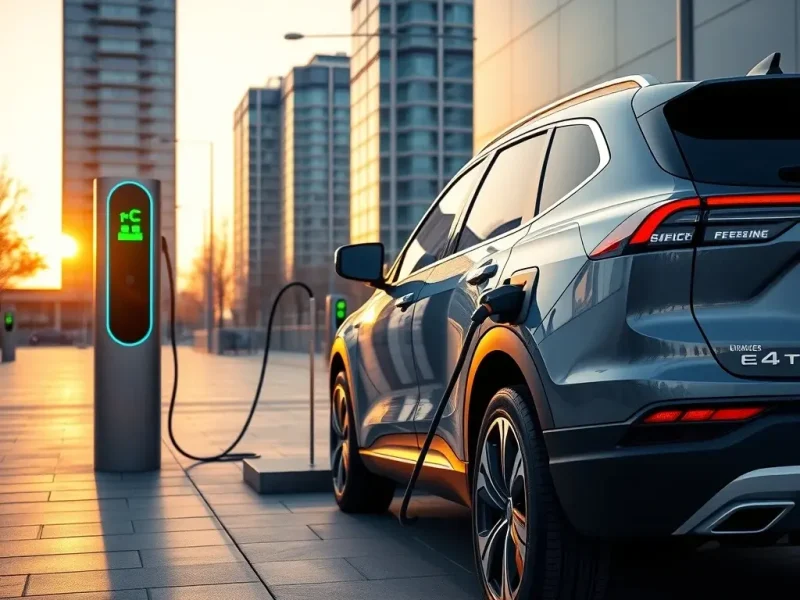
Electric vehicles (EVs) and hybrid cars continue to command a unique position in the insurance market. While EV adoption has matured, insuring these vehicles remains more expensive than insuring traditional internal combustion engine (ICE) vehicles. This premium discrepancy is driven by several factors:
- Battery Replacement Costs: The battery pack remains the most expensive component of an EV. Even minor undercarriage damage can lead insurers to write off the entire vehicle rather than risk battery degradation or thermal runaway.
- Specialized Labor: Repairing EVs requires specialized technicians and certified facilities, which command higher hourly labor rates.
- Proprietary Parts: Many EV manufacturers tightly control their parts supply chains, leading to longer repair delays and higher rental car expenses during claims.
However, by 2026, insurers are introducing specialized EV policies that offer discounts for utilizing public charging networks safely, maintaining battery health, and utilizing semi-autonomous driving features responsibly.
Expert Tips to Lower Your Premiums in 2026
Navigating the new insurance landscape requires a proactive approach. Use these actionable strategies to keep your auto insurance affordable:
- Embrace Telematics Wisely: If you have a short commute and gentle driving habits, sign up for your insurer’s telematics program. Just ensure you understand their data privacy policy first.
- Inquire About ADAS Discounts: Ensure your insurer is fully aware of all the active safety features on your vehicle. Many companies now offer specific discounts for automatic emergency braking and lane-keep assist.
- Bundle and Consolidate: Bundling your auto policy with home, renters, or umbrella insurance remains one of the most reliable ways to secure an instant discount of 10% to 25%.
- Shop Digitally and Regularly: Don’t let loyalty cost you. Use digital comparison tools to review quotes at least once a year, as insurers frequently adjust their pricing algorithms.
Common Mistakes to Avoid in the New Insurance Era
As insurance policies become more complex, it is easy to make mistakes that leave you either overpaying or dangerously underinsured.
- Assuming “Full Coverage” Covers Everything: Full coverage is a colloquial term, not a legal definition. It typically includes liability, collision, and comprehensive coverage, but excludes crucial add-ons like gap insurance, roadside assistance, or OEM parts riders.
- Ignoring Mileage Changes: If you transitioned to a remote or hybrid work model, notify your insurer. Lower annual mileage directly correlates with lower risk and lower premiums.
- Failing to Disclose All Drivers: Omitting a licensed teen driver or household member to save money is considered material misrepresentation and can lead to a denied claim when you need it most.
Frequently Asked Questions
How will auto insurance rates change in 2026?
While overall rates are expected to stabilize compared to the hyper-inflationary spikes of previous years, baseline premiums will remain elevated due to the high cost of high-tech vehicle repairs and labor. However, safe drivers who utilize telematics will have more opportunities to secure personalized discounts.
What is usage-based insurance (UBI) and should I opt-in?
Usage-based insurance uses an app or an in-car device to track your driving habits. If you are a cautious driver who avoids late-night trips, hard braking, and rapid acceleration, opting in can save you up to 30% or more on your premiums.
Why is electric vehicle insurance more expensive?
EV insurance is pricier because of the high cost of lithium-ion battery packs, the need for specialized repair technicians, and longer wait times for proprietary manufacturer parts. These factors increase both physical damage claims and secondary costs like rental car coverage.
How does AI affect my insurance claims process?
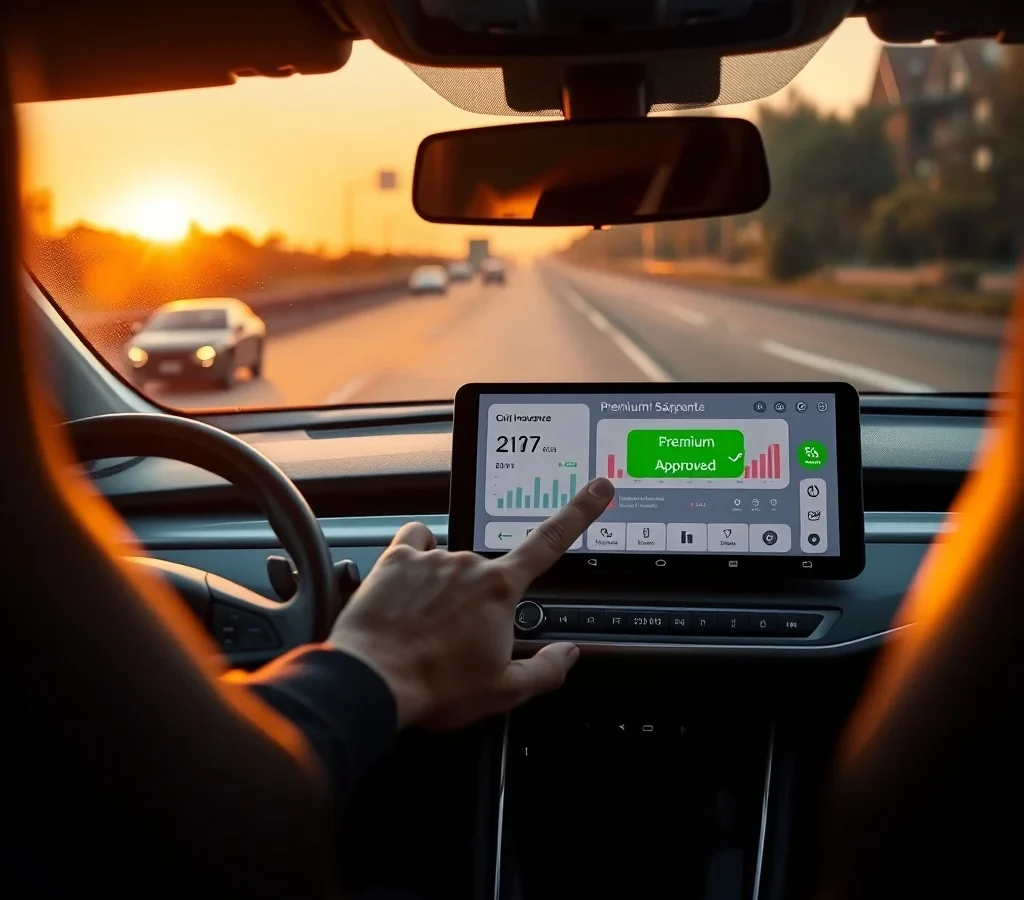
AI streamlines the claims process by allowing policyholders to upload photos of vehicle damage directly through a mobile app. Machine learning algorithms can analyze the images, estimate repair costs, and approve payouts in minutes rather than weeks.
Can I opt out of sharing my driving data?
Yes. Traditional, demographic-based policies remain widely available. However, opting out of data sharing may mean you miss out on the steepest discounts, as insurers increasingly reward drivers who transparently prove their safe habits.
What is embedded car insurance?
Embedded insurance is coverage purchased directly from the vehicle manufacturer or dealership at the point of sale. Many modern car brands are integrating insurance directly into the vehicle purchase or lease process, utilizing the car’s built-in sensors to calculate rates.
How do ADAS features affect my premiums?
Advanced Driver Assistance Systems (ADAS) like collision warning and automatic braking can lower your premium by reducing the likelihood of an accident. However, they can also increase your comprehensive and collision rates due to the high cost of replacing these sensors if damaged.
What is the best way to compare online quotes in 2026?
The best approach is to use independent, digital comparison platforms that allow you to input your details once and receive real-time quotes from multiple carriers. Make sure to compare identical coverage limits and deductibles to ensure an accurate comparison.
Conclusion: Preparing Your Wallet for the Future of Auto Insurance
The year 2026 represents a turning point for the auto insurance industry. The shift toward data-driven, personalized pricing means that drivers no longer have to be passive consumers. By understanding how telematics, vehicle technology, and AI impact your rates, you can make informed decisions that protect both your vehicle and your financial well-being.
If you haven’t reviewed your car insurance policy in the last twelve months, now is the time to act. Reach out to your provider, explore telematics options, and compare quotes online to ensure you are getting the best possible rate for your unique driving profile.