
The automotive landscape is moving at a breakneck pace. Evolving vehicle technologies, shifting climate patterns, and macroeconomic pressures are converging to create a brand-new landscape for drivers. Understanding the dominant auto insurance trends 2026 is no longer just for industry insiders—it is a financial necessity for every vehicle owner. Drivers who fail to adapt to these changes risk facing unprecedented premium hikes, while proactive consumers can leverage new insurance models to secure highly competitive rates.
For years, auto insurance was calculated using static demographic data: your age, zip code, credit score, and driving record. While these factors still play a role, the industry is shifting toward real-time, behavior-based, and highly personalized risk assessment. This guide explores the pivotal forces driving these changes and provides actionable strategies to keep your coverage robust and your premiums manageable in 2026.
The Primary Forces Driving Auto Insurance Trends in 2026
Several macro trends are colliding to reshape how insurers calculate risk and price their policies. To understand where your premiums are going, it is essential to look at the underlying drivers of the industry.
1. The Escalating Cost of Vehicle Repairs
Modern vehicles are essentially computers on wheels. Even basic models are now equipped with Advanced Driver Assistance Systems (ADAS), which include lidar, radar, cameras, and ultrasonic sensors. While these features significantly reduce the frequency of minor accidents, they drastically increase the cost of repairs when a collision does occur.
A simple bumper replacement that used to cost $500 now frequently exceeds $3,000 because the sensors housed within the bumper must be replaced and carefully calibrated. This surge in repair severity is a primary driver behind rising car insurance rates 2026.
2. Extreme Weather and Climate Risks
Insurers are grappling with an increase in the frequency and severity of natural disasters. Hailstorms, wildfires, and localized flooding are no longer confined to historically high-risk zones. In response, comprehensive insurance claims have skyrocketed. To offset these historic losses, insurance carriers are adjusting their regional risk algorithms, leading to premium increases even for drivers with spotless records.
3. The Maturation of Connected Vehicles
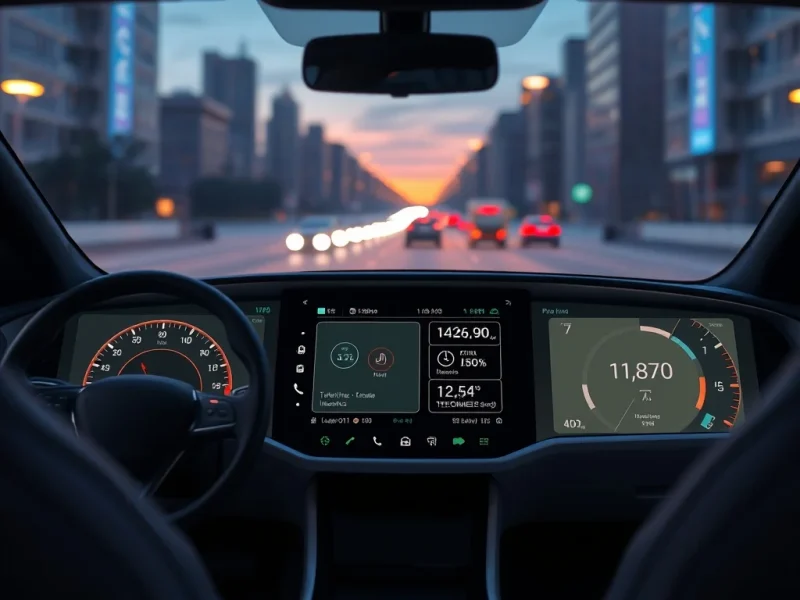
By 2026, the vast majority of new cars sold will feature built-in cellular connectivity. This allows auto manufacturers to collect granular driving data directly from the vehicle without requiring a plug-in OBD-II device or a smartphone app. This seamless data pipeline is accelerating the adoption of telematics and usage-based insurance (UBI) models across the globe.
The Rise of Telematics and Usage-Based Insurance
The transition from traditional risk profiling to real-time behavioral tracking is the most impactful trend of 2026. Usage-based insurance is quickly becoming the default option rather than a niche alternative.
Telematics programs monitor key driving behaviors, including:
- Braking habits: Frequent hard braking signals tailgating or distracted driving.
- Acceleration: Rapid acceleration can indicate aggressive driving tendencies.
- Time of day: Driving during late-night hours (typically 12:00 AM to 4:00 AM) carries statistically higher accident risks.
- Speeding: Consistently exceeding posted speed limits directly correlates with higher claim severity.
- Phone distraction: Some mobile-app-based telematics programs can detect if you use your phone while the vehicle is in motion.
For low-mileage drivers, pay-per-mile car insurance is emerging as a highly popular sub-category. If you work from home or rely on public transit, paying a low base rate plus a few cents per mile driven can slash your monthly premium by up to 50% compared to a traditional policy.
Electric Vehicles and the 2026 Insurance Premium Gap
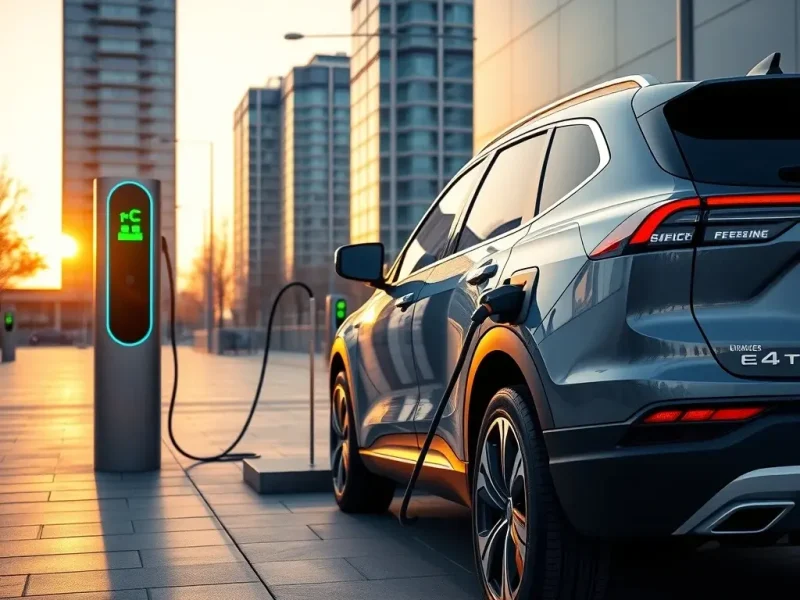
Electric vehicles (EVs) present a unique challenge for insurance carriers. On one hand, they feature state-of-the-art safety technology. On the other hand, their battery packs are incredibly expensive to replace. Even minor undercarriage damage can lead to an insurer declaring an EV a total loss due to the prohibitive cost of diagnostic testing and battery replacement.
In response, specialized electric vehicle insurance products have matured. By 2026, insurers are using more refined data to differentiate between EV models, meaning that some highly repairable EVs will see rate stabilization, while models with complex, unrepairable structural battery packs will continue to command premium pricing.
Comparing 2026 Auto Insurance Models
To help you determine which coverage structure aligns best with your budget and lifestyle, consider this comparison of the dominant insurance models in 2026:
| Insurance Model | Pricing Mechanism | Ideal Driver Profile | Key Advantage | Potential Drawback |
|---|---|---|---|---|
| Traditional Coverage | Static demographics (age, zip code, credit, driving history) | Commuters with consistent, predictable driving patterns | Price certainty; no active monitoring or data sharing | Does not reward exceptionally safe daily driving habits |
| Behavior-Based (Telematics) | Dynamic pricing based on real-time driving behavior metrics | Cautious drivers who avoid hard braking and late-night driving | Significant premium discounts for safe habits | Rates can rise if you frequently drive aggressively or at night |
| Pay-Per-Mile | Low flat monthly fee + a variable rate per mile driven | Remote workers, urban dwellers, and multi-vehicle households | Extremely low costs for low-mileage vehicles | Unanticipated road trips can quickly increase monthly costs |
Expert Tips for Navigating the 2026 Insurance Market
If you want to stay ahead of rising rates and secure the best possible coverage, implement these proactive strategies:
- Audit your annual mileage: If your daily commute has changed permanently, update your policy. Overestimating your annual mileage by even 3,000 miles can result in paying unnecessarily high premiums.
- Shop around every six months: The proprietary algorithms insurers use to price risk are changing rapidly. A company that was expensive for you last year might be highly competitive today as they adjust their target demographics.
- Consider higher deductibles: If you have a healthy emergency fund, raising your collision and comprehensive deductibles from $500 to $1,000 can lower your monthly premium by 15% to 30%.
- Leverage bundle discounts: Bundling your auto coverage with homeowners, renters, or umbrella policies remains one of the most effective ways to secure double-digit discounts.
Common Mistakes to Avoid
- Opting out of telematics without calculating the math: Many drivers reflexively decline telematics due to privacy concerns. However, if you are a safe, predictable driver, you are likely leaving hundreds of dollars on the table annually.
- Failing to update your coverage on older vehicles: If your car’s market value has dropped significantly, keeping low deductibles and full coverage might not make financial sense. Calculate whether dropping collision and comprehensive coverage is more cost-effective.
- Ignoring your credit profile: In many states, your credit score heavily influences your insurance tier. Improving your credit score can have a surprisingly positive impact on your premium.
- Accepting automatic renewals blindly: Insurance companies often use “price optimization” algorithms, which can gradually raise rates on loyal customers who are deemed unlikely to shop around. Always compare quotes before signing a renewal.
Frequently Asked Questions
How will auto insurance trends 2026 affect my monthly premiums?
Overall, average premiums are expected to rise due to inflation, expensive high-tech vehicle repairs, and increased climate-related claims. However, drivers who embrace telematics, maintain clean driving records, and drive low-mileage vehicles will have access to deeper discounts than ever before, helping to offset these macro-level rate increases.
Is telematics car insurance safe for data privacy?
Insurance companies are highly regulated regarding how they handle and protect consumer data. Most carriers do not sell your personal driving data to third parties for marketing purposes. However, it is essential to read the specific privacy policy of your insurer to understand exactly what data is collected, how it is secured, and who has access to it.
Why is electric vehicle insurance more expensive than gas-powered cars?
Electric vehicles cost more to insure primarily because of their high repair costs. EV battery packs are expensive, specialized repair shops are limited, and parts can take longer to source. Additionally, even minor structural damage can lead to a vehicle being declared a total loss to avoid the liability of a compromised battery system.
What is pay-per-mile car insurance, and who benefits most?
Pay-per-mile insurance charges a flat monthly base rate plus a small per-mile fee (typically a few cents). This model is ideal for low-mileage drivers, such as remote workers, retirees, or urban residents who rely on public transportation and drive less than 8,000 miles per year.
How does climate change influence car insurance rates 2026?
As extreme weather events like floods, wildfires, and severe hailstorms become more frequent and unpredictable, insurance companies face record payouts. To remain solvent, insurers must raise comprehensive coverage premiums across wider geographic areas, meaning even drivers in historically safe regions may see rate adjustments.
Can artificial intelligence help lower my car insurance quotes online?
Yes. AI is streamlining the underwriting and quoting process, allowing insurers to offer highly personalized rates instantly. Additionally, AI-driven claims processing reduces administrative overhead for insurance companies, and some of these operational savings are passed down to consumers in the form of more competitive pricing.
How can I lower car insurance premiums in this new market?
The most effective ways to lower your premiums include enrolling in a telematics program, raising your deductibles, maintaining a clean driving record, improving your credit score, bundling multiple policies, and comparing quotes from at least three different carriers every year.
What happens if I opt out of sharing driving data with insurers?
If you choose not to share your driving data, you will simply remain on a traditional auto insurance policy. Your rates will be calculated using standard demographic and geographic metrics. While you won’t be penalized, you will miss out on the potential discounts reserved for safe drivers in telematics programs.
Conclusion
The auto insurance landscape of 2026 demands a proactive mindset. As technology and climate shifts continue to pressure traditional insurance models, staying informed is your best defense against rising costs. By embracing personalized coverage models like telematics, optimizing your mileage, and shopping around regularly, you can secure robust protection that fits your lifestyle and budget.
Take Control of Your Auto Insurance Rates
Don’t let rising market trends dictate your household budget. Take action today by requesting personalized online quotes and exploring whether a usage-based or pay-per-mile policy can help you save. Take a few minutes to review your current policy terms, compare your options, and ensure you are positioned to get the best possible value in 2026.