
Finding ways to lower your car insurance premiums can feel like an uphill battle, especially with rising rates across the industry. If you are a safe driver or someone who does not spend hours on the road every day, traditional insurance models might be costing you more than they should. This is where usage-based car insurance steps in as a modern, data-driven alternative designed to reward good driving habits.
By leveraging smart technology to monitor how, when, and where you drive, insurance companies can now customize your premiums to match your actual risk level. But how does this technology work, and is it truly the best option for your wallet? In this comprehensive guide, we will break down the mechanics of usage-based programs, evaluate their pros and cons, and help you decide if making the switch is the right move for you.
How Does Usage-Based Car Insurance Work?
Usage-based car insurance, often referred to as telematics insurance, relies on real-time data collected directly from your vehicle. Instead of pricing your policy solely on static demographic factors like your age, zip code, and credit score, insurers look at your real-time behavior behind the wheel.
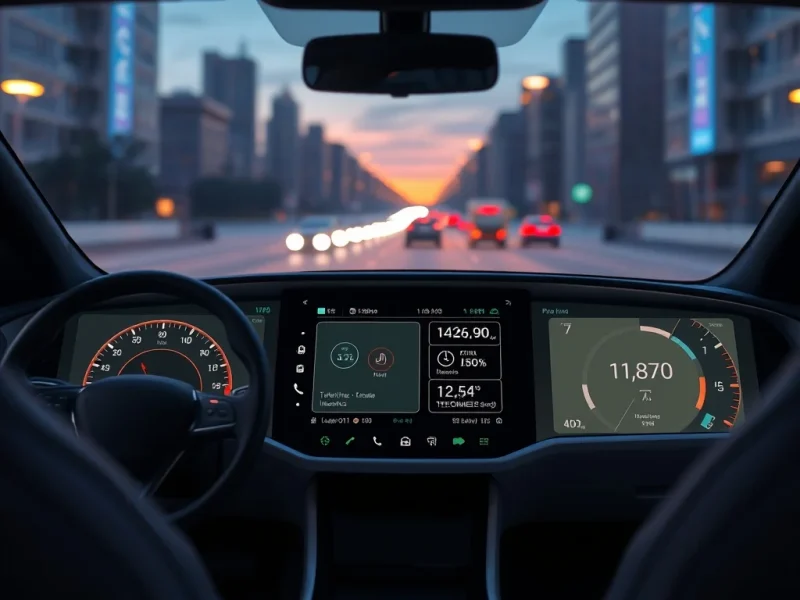
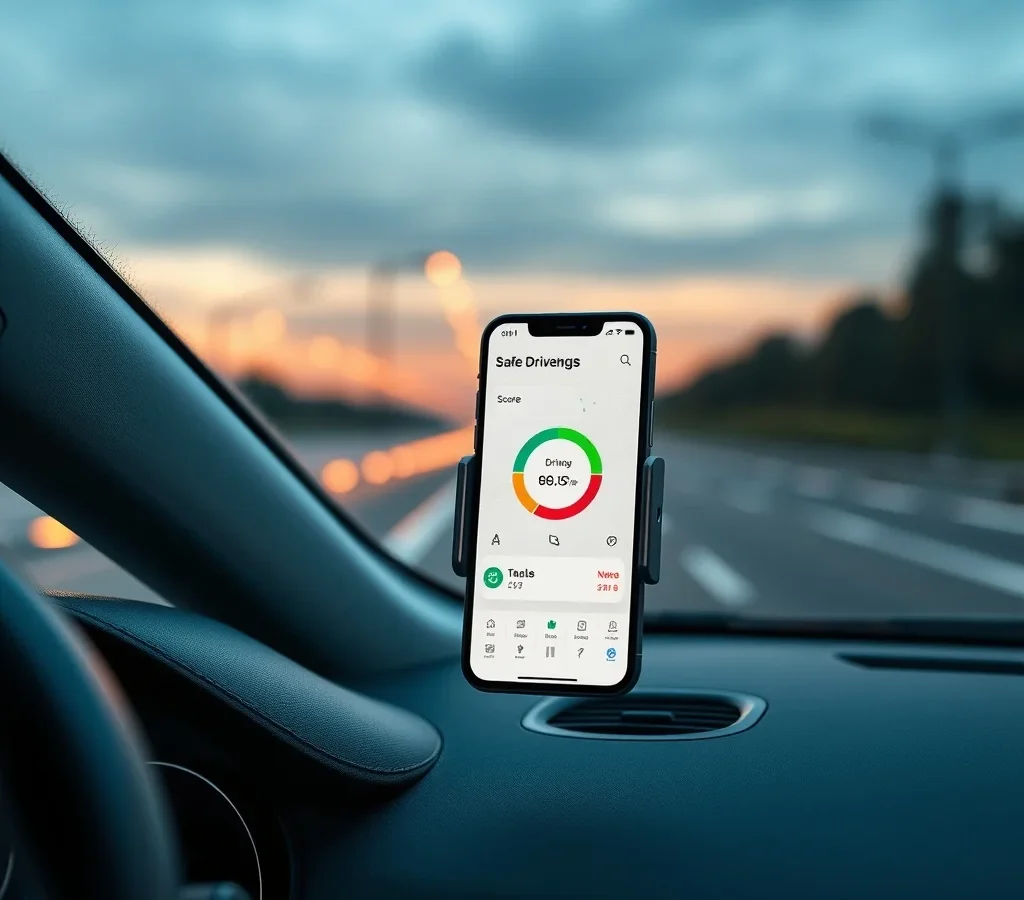
When you enroll in a telematics program, you agree to share your driving metrics with your insurance provider. This data is typically gathered through one of three methods: a mobile app installed on your smartphone, a small plug-in device connected to your vehicle’s OBD-II port, or your vehicle’s built-in connected services system. The system tracks your driving patterns over a trial period, which can range from a few weeks to the entire duration of your policy, to calculate your personalized safety score.
Traditional vs. Usage-Based vs. Pay-Per-Mile
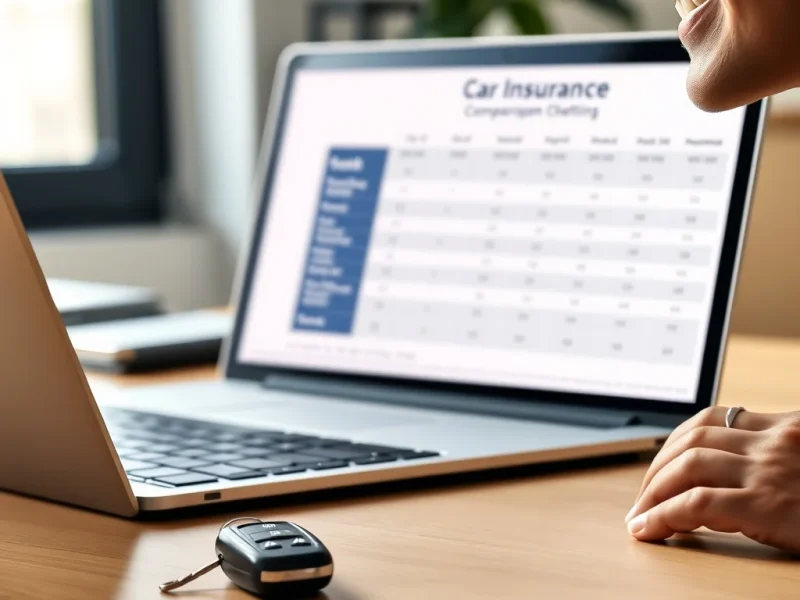
Understanding the differences between these insurance models is crucial for selecting the right policy. While they all provide the same fundamental liability and physical damage coverages, their pricing structures vary significantly.
| Feature | Traditional Insurance | Usage-Based Insurance | Pay-Per-Mile Insurance |
|---|---|---|---|
| Pricing Basis | Demographics, driving record, vehicle type | Driving behavior and safety metrics | Flat base rate + actual miles driven |
| Data Tracked | None (historical records only) | Speed, braking, cornering, time of day | Odometer readings / mileage only |
| Best For | Average drivers with standard habits | Safe drivers, cautious commuters | Low-mileage drivers, remote workers |
| Savings Potential | Standard discounts only | Up to 30% to 40% for excellent drivers | Significant for under 10,000 miles/year |
What Do Telematics Devices Actually Track?
To determine your safety rating, the tracking technology monitors specific driving habits that correlate with accident risks. While every insurance company uses a slightly different algorithm, most programs track a standard set of metrics:
- Braking habits: Sudden, hard braking is one of the most heavily weighted factors, as it often indicates tailgating or distracted driving.
- Acceleration: Rapid acceleration from a complete stop is flagged as aggressive driving behavior.
- Cornering: Taking sharp turns or curves at high speeds indicates a lack of vehicle control.
- Time of day: Driving during high-risk hours, such as between midnight and 4:00 AM, can lower your safety score due to increased risks of fatigue and road hazards.
- Speeding: Consistently exceeding the speed limit or driving at excessively high speeds negatively impacts your rating.
- Phone distraction: Many smartphone-based apps can detect if you are actively using or holding your phone while the vehicle is in motion.
Benefits of Switching to a Usage-Based Policy
The most obvious benefit of usage-based car insurance is the potential for substantial financial savings. Many insurance providers offer an immediate sign-up discount just for participating in the program, followed by a larger renewal discount if you prove to be a safe driver. For individuals who have been priced out of affordable coverage due to demographic factors like age, telematics offers a way to prove their individual safety record and lower their costs.
Beyond financial savings, these programs actively encourage safer driving habits. When drivers know their behavior is being monitored, they tend to drive more defensively, maintain safer following distances, and avoid phone distractions. Additionally, in the event of an accident, the telematics data can sometimes help reconstruct the scene, allowing for faster and more accurate claims processing.
Potential Drawbacks and Privacy Concerns
While the savings can be highly appealing, usage-based car insurance is not without its downsides. The most common concern among drivers is data privacy. Sharing continuous GPS location data and driving habits with a large corporation makes many consumers uncomfortable. Insurance companies maintain strict privacy policies, but the idea of constant monitoring remains a barrier for many.
Another risk is the potential for premium increases. While some insurers promise that your rates will never go up based on your telematics data, others reserve the right to raise your premiums if the data reveals high-risk behaviors, such as frequent hard braking or excessive speeding. Finally, the technology itself is not always flawless; mobile apps can sometimes misinterpret a sudden stop as a driver error when it was actually a defensive maneuver to avoid a collision.
Expert Tips for Maximizing Your Telematics Savings
If you decide to try a usage-based program, keep these practical tips in mind to ensure you secure the highest discount possible:
- Leave plenty of space: Maintain a generous following distance behind other vehicles to minimize the need for sudden, hard braking.
- Plan your trips: Whenever possible, avoid driving late at night when roads are statistically more dangerous.
- Keep your phone secure: Use a dashboard mount and hands-free features to prevent the app from flagging phone movement as distracted driving.
- Drive smoothly: Focus on gradual acceleration and gentle deceleration to keep your driving profile as stable as possible.
- Monitor your progress: Check your insurance app regularly to review flagged events and adjust your driving habits accordingly.
Common Mistakes to Avoid
Many drivers miss out on maximum discounts due to simple oversights during their monitoring period. Avoid these common mistakes:
- Letting passengers hold your phone: If you use an app-based tracker, having a passenger use your phone while you drive can register as distracted driving.
- Forgetting to classify passenger trips: If you are riding in a friend’s car or taking public transit, make sure to mark those trips as “not driving” in your app to protect your score.
- Driving aggressively in heavy traffic: Commuting in stop-and-go traffic can lead to frequent hard braking; try to adjust your route or commute times if possible.
- Ignoring app permissions: If your phone disables location services or background app refresh to save battery, the app may fail to record trips, which can void your discount.
Frequently Asked Questions
What is usage-based car insurance?
Usage-based car insurance is a type of auto insurance policy that calculates premiums based on real-time driving data. This data is collected via mobile apps, plug-in devices, or built-in vehicle systems to evaluate your safety habits and determine personalized discounts.
How much money can I actually save with a telematics program?
Savings vary by provider, but safe drivers typically save between 10% and 40% on their premiums. Most insurance companies also offer an introductory discount of 5% to 10% just for signing up and completing the initial setup.
Can my premiums go up if I drive poorly on a usage-based plan?
It depends on your insurance company. Some insurers guarantee that your rates will not increase based on your telematics data, meaning you only stand to gain a discount. However, other providers may raise your rates if the data reveals highly risky driving habits.
Does usage-based car insurance track my location at all times?
Yes, most telematics programs utilize GPS tracking to monitor where you drive and what time of day you are on the road. If you have strict privacy concerns regarding location sharing, you may want to review your provider’s specific privacy policy before enrolling.
What is the difference between pay-per-mile and usage-based insurance?
Pay-per-mile insurance charges you based strictly on the distance you drive, using a flat daily rate plus a per-mile fee. Usage-based insurance focuses primarily on how safely you drive, evaluating behaviors like braking and acceleration regardless of the total mileage.
Does phone use while driving affect my telematics score?
Yes, many mobile app-based telematics programs can detect phone movement, screen unlocking, and active phone calls while the vehicle is moving. Frequent phone interactions will lower your safety score and reduce your potential discount.
Is usage-based car insurance worth it for high-mileage drivers?
It can be, provided you are an exceptionally safe driver. While high mileage can slightly lower your overall discount score in some programs, excellent driving habits like gentle braking and adhering to speed limits can still yield noticeable savings.
How do insurance companies collect my driving data?
Insurers collect data through three main methods: a dedicated smartphone app that runs in the background, a small device plugged into your car’s OBD-II port, or through the built-in telematics systems of modern connected vehicles.
Conclusion
Usage-based car insurance represents a major shift in how auto policies are priced, offering a highly personalized path to lower premiums. By trading a bit of privacy for performance tracking, safe drivers and low-mileage commuters can unlock substantial savings that traditional policies simply cannot offer. If you are confident in your driving habits and comfortable sharing your trip data, enrolling in a telematics program is an excellent way to take control of your auto insurance costs. To explore your options, contact your current insurance provider or compare online quotes to see which usage-based programs are available in your area.