
The automotive landscape is undergoing its most significant evolution in decades, and the insurance industry is moving just as fast to keep pace. As we look ahead, understanding the major auto insurance trends 2026 has in store is essential for every driver looking to protect their vehicle and their wallet. From the mainstreaming of usage-based insurance to the integration of advanced artificial intelligence in claims processing, the way we buy and experience car insurance is being completely redefined.
Drivers are no longer judged solely on demographic averages like age, zip code, and credit score. Instead, real-time driving habits, vehicle technology, and macro-environmental factors are taking center stage. To help you navigate these shifts, this comprehensive guide explores the pivotal changes coming to the auto insurance market and how you can prepare for them.
The Rise of Telematics and Behavior-Based Insurance
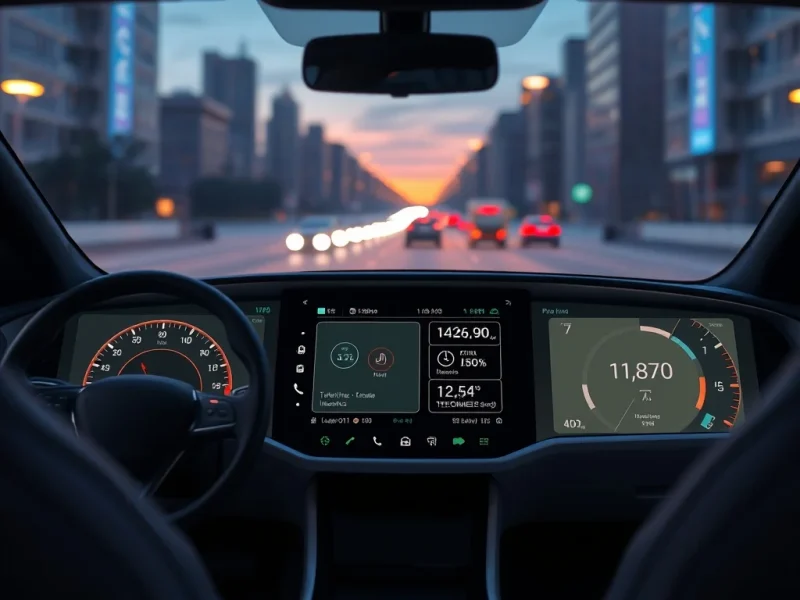
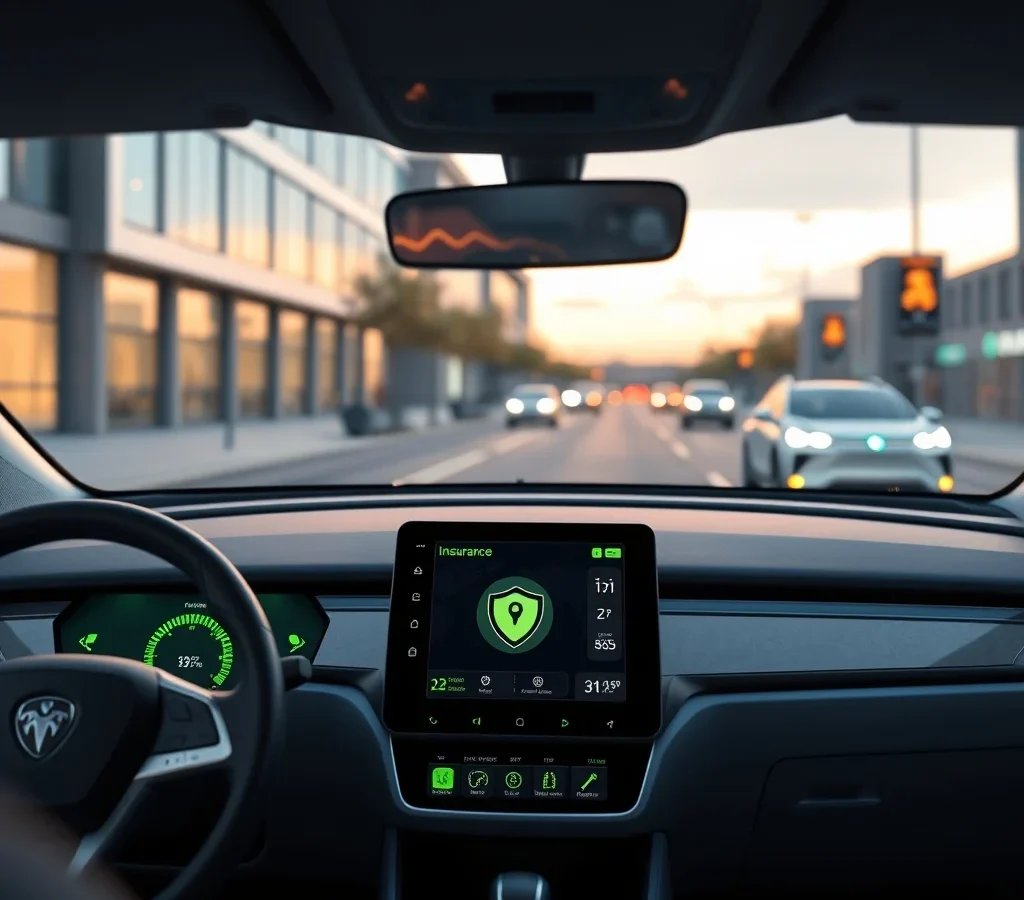
Perhaps the most impactful shift in auto insurance trends 2026 is the rapid adoption of telematics and behavior-based insurance (BBI). Often referred to as usage-based insurance (UBI), these programs use mobile apps or built-in vehicle diagnostics to track how, when, and where you drive. Insurers analyze metrics such as hard braking, rapid acceleration, cornering speeds, and nighttime driving to calculate personalized premiums.
By 2026, industry analysts estimate that over 60% of major auto insurance carriers will offer highly customized telematics programs as their primary policy option. This shift benefits safe drivers who have historically been penalized by the broad risk pools of traditional underwriting. However, it also means that drivers with aggressive habits could see their premiums rise dynamically based on their real-time performance data.
Artificial Intelligence and Instant Claims Processing
Artificial intelligence is no longer a futuristic concept in the insurance sector; it is the engine driving administrative efficiency. In 2026, AI algorithms are transforming the claims process from a multi-week ordeal into an automated, near-instantaneous experience. When an accident occurs, drivers can upload photos of the damage directly through their insurer’s mobile app.
Advanced computer vision models analyze the visual data, compare it to vast databases of repair costs, and estimate the damage payout in minutes. For minor fender benders, claims can be approved and funds disbursed on the same day. While this reduces overhead costs for insurance companies—savings that can theoretically be passed down to consumers—it also places a premium on digital literacy for policyholders.
How Electric Vehicles (EVs) Are Reshaping Premiums
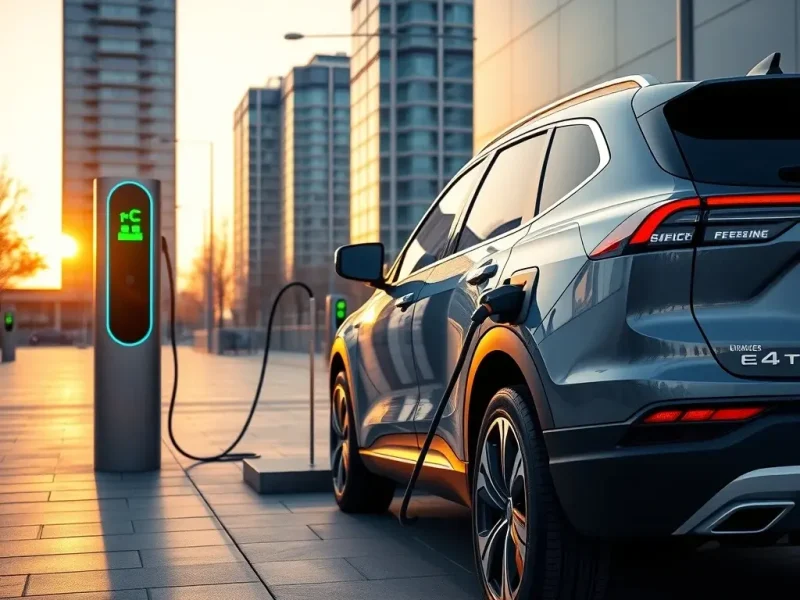
Electric vehicles continue to gain market share, but their impact on the insurance market remains complex. Historically, EVs have been more expensive to insure than their internal combustion engine (ICE) counterparts. This is primarily due to the high cost of lithium-ion battery packs, specialized repair labor, and a shortage of certified EV collision centers.
By 2026, we are seeing a stabilization in EV insurance rates, though they still average 15% to 25% higher than traditional vehicles. As battery manufacturing localizes and diagnostic technologies improve, the cost of repairing minor electrical components is decreasing. However, the sheer complexity of advanced driver-assistance systems (ADAS) embedded in modern EVs keeps repair bills high, keeping upward pressure on comprehensive and collision premiums.
Climate Change and Regional Rate Hikes
Macro-environmental factors are increasingly dictating auto insurance rates. Extreme weather events—ranging from severe hailstorms in the Midwest to wildfires in the West and hurricanes along the East Coast—have led to unprecedented losses for insurance companies. To offset these catastrophic losses, insurers are raising rates across the board, even for drivers with spotless records.
States like California, Florida, and Texas are experiencing the sharpest increases. In these regions, comprehensive coverage, which protects against weather-related damage and theft, has become a major driver of overall policy costs. Drivers in high-risk zones must pay close attention to their comprehensive deductibles and coverage limits heading into 2026.
Comparing Modern Insurance Models in 2026
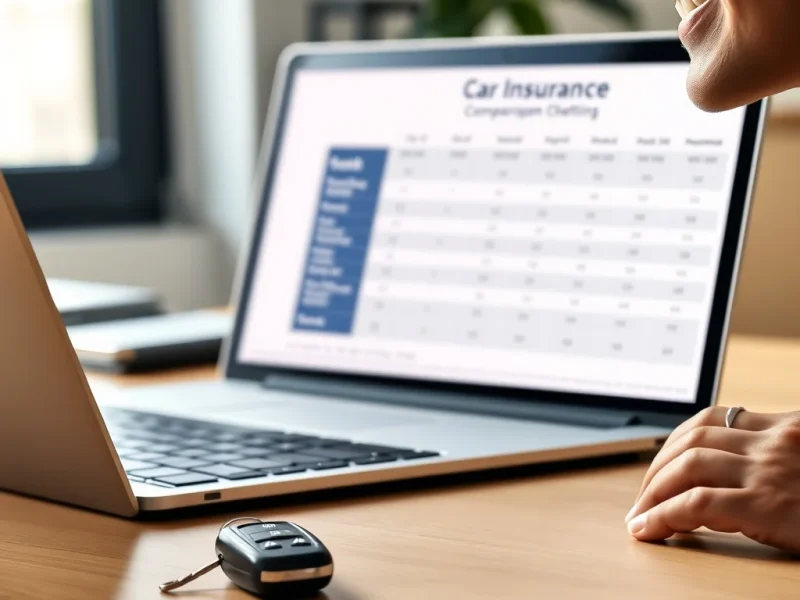
To help you understand which coverage structure fits your lifestyle, the table below compares the primary auto insurance models available in 2026.
| Insurance Model | How Premiums Are Calculated | Best For | Potential Savings |
|---|---|---|---|
| Traditional Fixed | Demographics, driving history, credit score | Consistent, long-distance drivers who prefer predictable monthly costs | Standard multi-policy and loyalty discounts |
| Pay-Per-Mile | Low base rate + flat per-mile fee | Remote workers, retirees, and low-mileage urban drivers | Up to 40% compared to traditional policies |
| Behavior-Based (Telematics) | Real-time driving safety metrics | Consistently safe drivers willing to share data | Up to 50% for top-tier safe driving scores |
Expert Tips to Lower Your Insurance Costs in 2026
Navigating the rising cost of auto insurance requires a proactive strategy. Implement these practical tips to keep your premiums manageable:
- Audit Your Mileage: If you transitioned to a permanent remote or hybrid work model, update your annual mileage with your insurer. Lower mileage directly translates to lower risk and lower rates.
- Embrace Telematics Wisely: If you are a calm, defensive driver who avoids late-night driving, opt into your carrier’s telematics program to unlock significant performance-based discounts.
- Increase Your Deductibles: Raising your comprehensive and collision deductibles from $500 to $1,000 can lower your monthly premium by up to 15%. Just ensure you have the cash set aside in case of a claim.
- Bundle Strategically: Bundling home, renters, or life insurance with your auto policy remains one of the most reliable ways to secure double-digit discounts.
- Review Your Coverage Annually: The insurance market is highly dynamic. Compare quotes from at least three different carriers every 12 months to ensure you are still getting the best rate.
Common Mistakes to Avoid in the New Insurance Era
As insurance policies become more automated and data-driven, avoiding these common errors will protect both your coverage and your financial standing:
- Failing to Disclose Business Use: If you use your personal vehicle for gig economy work (like ridesharing or food delivery) without a commercial endorsement, your insurer can deny your claim entirely.
- Ignoring Your Credit Score: In most states, your credit history heavily influences your insurance tier. Neglecting your credit health can quietly drive up your auto premiums.
- Letting Your Coverage Lapse: Even a short gap in auto insurance coverage makes you a high-risk prospect to future insurers, leading to significantly higher rates when you reapply.
- Underinsuring Key Assets: Opting for state-minimum liability limits to save a few dollars can leave you personally liable for tens of thousands of dollars in a major accident.
Frequently Asked Questions
How will telematics affect my auto insurance rates in 2026?
Telematics will allow safe drivers to secure discounts of up to 50% off standard rates. However, drivers who exhibit risky behaviors like speeding, hard braking, or distracted driving may see their premiums increase as insurers transition to dynamic, risk-adjusted pricing models.
Why are electric vehicle insurance premiums still higher than gas cars?
EV insurance remains higher due to the elevated cost of specialized components, particularly battery packs, which can account for a massive percentage of the vehicle’s total value. Additionally, a shortage of specialized repair shops and technicians keeps labor rates high.
Will AI completely replace human insurance adjusters by 2026?
No, AI will not completely replace humans. While artificial intelligence handles straightforward, minor claims through automated photo analysis, complex multi-vehicle accidents, bodily injury claims, and disputed cases will still require human adjusters to ensure fair and accurate resolution.
What is pay-per-mile insurance, and is it right for me?
Pay-per-mile insurance charges a low monthly base rate plus a flat fee for every mile driven. It is ideal for low-mileage drivers, such as remote workers, public transit commuters, or retirees who drive fewer than 8,000 miles per year.
How do climate patterns affect my comprehensive car insurance coverage?
Increasingly severe weather events like floods, wildfires, and hailstorms have forced insurers to pay out record-breaking comprehensive claims. To maintain profitability, insurers are raising comprehensive premiums nationwide, particularly in high-risk states.
Can my insurer track my location constantly with telematics?
Yes, most telematics programs utilize GPS tracking to evaluate where you drive, as certain areas are statistically higher risk. However, reputable insurers maintain strict privacy policies and do not sell your personal location data to third parties.
How can young drivers lower their rates using 2026 insurance trends?
Young drivers can combat high premium rates by actively enrolling in telematics programs to prove their safe driving habits, staying on a parent’s multi-car policy, maintaining good grades to qualify for student discounts, and driving vehicles equipped with advanced safety features.
What safety features qualify for the biggest discounts in 2026?
Advanced driver-assistance systems (ADAS) such as automatic emergency braking, lane-keeping assist, blind-spot monitoring, and adaptive headlights qualify for the best discounts, as they are statistically proven to reduce the frequency of collisions.
Conclusion
The auto insurance trends 2026 presents highlight a industry in transition. As personalized pricing through telematics and AI claims processing become standard, consumers have more control than ever over what they pay. By maintaining safe driving habits, understanding the technology in your vehicle, and shopping around regularly, you can easily adapt to these industry shifts and secure competitive rates.
If you haven’t reviewed your current auto policy in the last year, now is the perfect time to explore modern coverage options. Contact your insurance provider today to see if a usage-based policy or mileage-discount program is right for your driving lifestyle.