
With auto insurance premiums climbing steadily, many drivers are actively seeking creative ways to lower their monthly expenses. Among the most popular modern options is usage-based car insurance (UBI). By leveraging telematics technology, these programs offer personalized rates based on how, when, and how much you actually drive, rather than relying solely on generalized demographic factors. But is trading your driving data for potential discounts truly worth it?
This comprehensive guide explores the mechanics of usage-based car insurance, compares the leading program types, details the pros and cons, and helps you determine if enrolling in a telematics program is the right financial move for your household.
Table of Contents
- What Is Usage-Based Car Insurance?
- How Telematics and Pay-Per-Mile Programs Work
- Comparing Insurance Models
- The Pros and Cons of Usage-Based Insurance
- Privacy Concerns: What Data Do Insurers Track?
- Expert Tips for Maximizing Your Telematics Discount
- Common Mistakes to Avoid
- Frequently Asked Questions
- Conclusion
What Is Usage-Based Car Insurance?
Usage-based car insurance is a type of auto insurance policy that calculates premiums based on real-time driving behaviors and mileage. Unlike traditional car insurance, which heavily weighs demographic risk factors like age, gender, ZIP code, and credit score, UBI focuses on your actual performance behind the wheel.
Introduced over a decade ago via plug-in devices, modern usage-based programs have evolved to utilize smartphone apps and built-in vehicle diagnostics. The core philosophy is simple: safer, less frequent drivers pose a lower risk to insurers, and they should be rewarded with lower car insurance premiums.
How Telematics and Pay-Per-Mile Programs Work
To understand usage-based car insurance, it is helpful to distinguish between the two primary categories of programs available on the market today:
1. Behavior-Based Telematics
These programs monitor how you drive. Insurers track specific safety metrics over a trial period (typically 30 to 90 days) or on an ongoing basis. Key metrics tracked include:
- Braking habits: Sudden, hard braking events are flagged as high-risk behaviors.
- Acceleration: Rapid acceleration or “jackrabbit starts” can lower your safety score.
- Time of day: Driving during high-risk hours, such as between midnight and 4:00 AM, is penalized due to the statistically higher likelihood of accidents during these times.
- Cornering: Taking sharp turns at high speeds indicates aggressive driving.
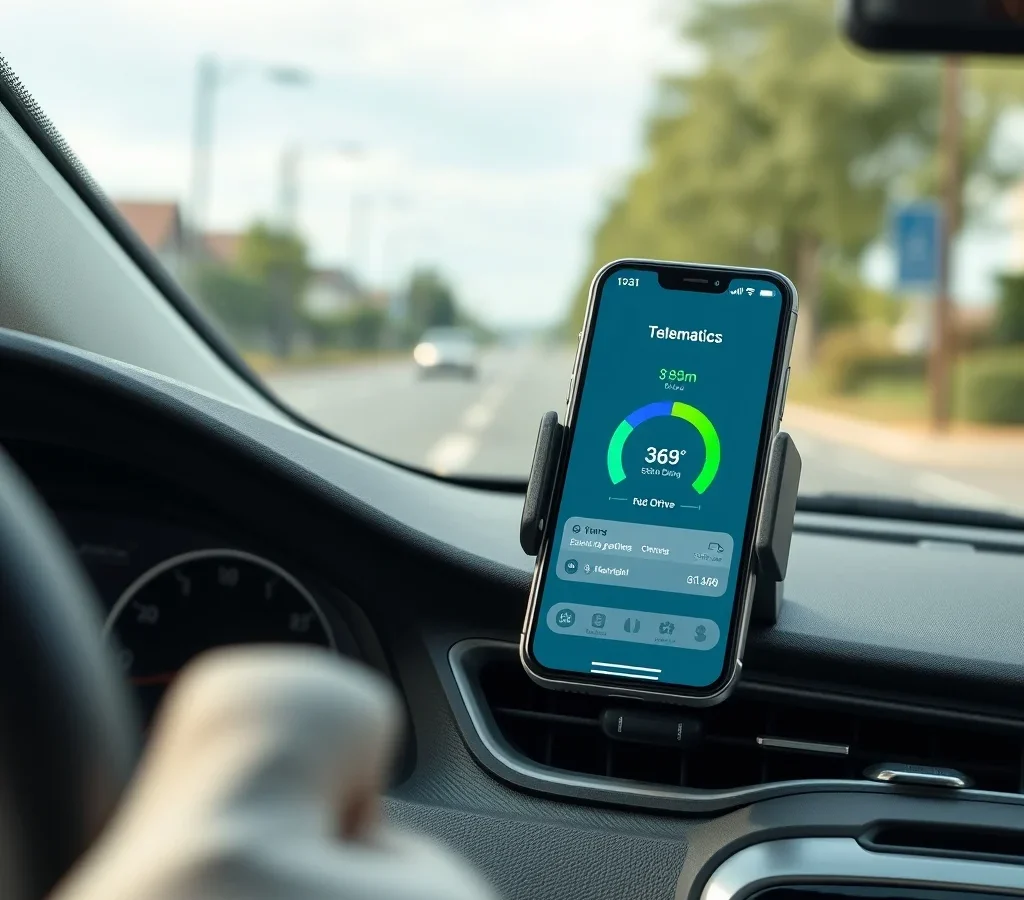
- Phone distraction: Many smartphone-based telematics apps can detect if you are actively using your phone while the vehicle is in motion.
2. Pay-Per-Mile Car Insurance
These programs focus strictly on how much you drive. Drivers pay a flat monthly base rate plus a variable per-mile fee (usually a few cents per mile). This is an ideal solution for remote workers, retirees, or city dwellers who rely primarily on public transit and keep their annual vehicle mileage exceptionally low.
Comparing Insurance Models
Choosing the right coverage structure depends on your lifestyle and driving patterns. Below is a comparison of traditional policies, behavior-based programs, and pay-per-mile options:
| Feature | Traditional Insurance | Behavior-Based Telematics | Pay-Per-Mile Insurance | ||||
|---|---|---|---|---|---|---|---|
| Pricing Basis | Demographics, driving record, vehicle type | Driving habits (braking, speed, phone use) | Base rate + actual miles driven | Best For | High-mileage drivers with average habits | Safe, defensive drivers with predictable schedules | Low-mileage drivers (under 8,000 miles/year) |
| Potential Savings | Standard multi-policy/safe driver discounts | Up to 10% to 40% off base premiums | Significant savings for low-use vehicles | ||||
| Data Shared | None (beyond standard registration details) | Detailed driving behaviors, speed, time, location | Odometer readings or GPS mileage tracking |
The Pros and Cons of Usage-Based Insurance
While the prospect of saving money on car insurance is highly appealing, UBI is not a one-size-fits-all solution. Weighing the advantages against the potential drawbacks is essential before signing up.
The Advantages
- Substantial discounts: Safe drivers can unlock discounts ranging from 10% to 40%, depending on the carrier.
- Encourages safer habits: Real-time feedback from telematics apps encourages drivers to avoid hard braking, speeding, and phone use.
- Fairer pricing: Drivers are judged on their actual safety performance rather than being penalized solely for demographic categories like age or gender.
- Accident assistance: Some telematics devices can automatically detect crashes and dispatch emergency services to your location.
The Disadvantages
- Privacy trade-offs: You must be comfortable allowing your insurance company to track your location, speed, and daily travel patterns.
- Surprise rate increases: While many insurers promise your rates won’t go up for poor driving, some carriers reserve the right to increase premiums if the data reveals aggressive driving behaviors.
- Inaccurate data logging: Telematics apps sometimes misidentify passenger trips, public transit rides, or sudden braking events caused by avoiding road hazards as poor driving behavior.
Privacy Concerns: What Data Do Insurers Track?
The primary barrier to adoption for many consumers is data privacy. When you enroll in a usage-based program, you grant the insurer permission to collect a continuous stream of driving data. While companies outline their data-sharing practices in their privacy policies, many drivers worry about how this information might be used.
In most cases, insurers use this data strictly to assess risk and calculate discounts. However, in legal disputes or accident investigations, telematics data can be subpoenaed by law enforcement or opposing legal teams to reconstruct the events of a crash. Always read the fine print of your policy to understand whether your data can be sold to third-party data brokers or shared with external marketing partners.
Expert Tips for Maximizing Your Telematics Discount
If you decide to enroll in a usage-based program, use these expert strategies to secure the highest possible discount:
- Drive defensively: Maintain a safe following distance to avoid the need for sudden, hard braking.
- Avoid late-night driving: If possible, minimize driving between midnight and 4:00 AM, when roads are statistically most dangerous.
- Review your trips: Monitor the companion app regularly to identify flagged events and correct incorrect trip classifications (e.g., marking a ride-share trip as “passenger” rather than “driver”).
- Keep your phone secure: Use a dashboard mount. Picking up your phone while driving—even at a red light—can register as a distracted driving event.
Common Mistakes to Avoid
- Ignoring the trial period requirements: Many programs require you to log a minimum number of miles or consecutive days to qualify for the discount. Failing to meet these thresholds can disqualify you.
- Allowing aggressive drivers to use your vehicle: If you share your car with a family member who drives aggressively, their habits will negatively impact your overall score.
- Assuming all programs are the same: Some programs track you indefinitely, while others only monitor you for a limited trial window. Choose the structure that aligns with your comfort level.
Frequently Asked Questions
What is usage-based car insurance?
Usage-based car insurance is a policy structure that uses telematics technology—via smartphone apps or plug-in devices—to track your driving habits and mileage, adjusting your insurance premiums based on how safely and frequently you drive.
Can usage-based car insurance raise my rates?
It depends on the insurance company. Some carriers guarantee that your premium will never increase based on telematics data, only offering discounts. However, other insurers reserve the right to raise your rates if the data indicates high-risk behaviors like excessive speeding or severe hard braking.
What data do telematics insurance apps track?
Most telematics apps track acceleration rates, hard braking events, cornering speeds, mileage, time of day, and phone usage while the vehicle is in motion. Some programs also track GPS location data.
Is pay-per-mile insurance the same as usage-based insurance?
Pay-per-mile is a specific type of usage-based insurance. While behavior-based telematics programs focus on how safely you drive, pay-per-mile programs focus almost exclusively on how many miles you drive, charging a flat daily or monthly base rate plus a per-mile fee.
How much money can I save with usage-based car insurance?
Drivers typically save between 10% and 40% on their premiums. The exact discount depends on your safe driving score, the insurance company’s specific program structure, and your overall mileage.
Does usage-based insurance track location via GPS?
Many smartphone-based telematics programs use GPS to verify speed limits and map driving routes. If you prefer not to share your location, look for programs that utilize plug-in OBD-II devices that do not track GPS coordinates.
What happens if I have a bad driving day or hard braking event?
A single hard braking event will not ruin your discount. Telematics algorithms evaluate your overall driving trends over time. Consistently safe driving habits will easily outweigh occasional, unavoidable sudden stops.
Is usage-based car insurance worth it for high-mileage drivers?
If you drive long distances daily, behavior-based telematics can still be worth it if you are an exceptionally safe driver. However, pay-per-mile insurance is rarely cost-effective for high-mileage drivers, as the per-mile charges will quickly exceed the cost of a traditional policy.
Conclusion
Usage-based car insurance offers a powerful path to savings for defensive, low-mileage drivers who are comfortable sharing their driving data. By aligning your premium directly with your actual behaviors on the road, UBI moves away from generalized demographic pricing to reward safe habits. If you are ready to take control of your auto expenses, compare quotes from top insurers offering telematics programs to see how much your safe driving habits could save you today.