

Finding ways to reduce household expenses is a priority for many, and vehicle coverage is often one of the largest recurring costs. Fortunately, learning how to save money on car insurance does not mean you have to compromise on safety or essential protection. By understanding how insurance companies calculate risk, you can make strategic adjustments to secure the best possible rates.
Many drivers stick with the same policy for years out of habit, missing out on hundreds of dollars in annual savings. Whether you are a seasoned driver or just starting out, taking a proactive approach to your auto insurance can yield immediate financial benefits. This guide outlines twelve actionable strategies to help you lower your premiums today.
Understanding Your Car Insurance Premium
Before diving into savings strategies, it is helpful to understand what factors influence your premiums. Insurance providers assess your risk profile using various data points, including your driving history, age, location, and even your credit score. While some of these factors are fixed, many are within your control.
By actively managing the variables you can influence, you present a lower risk to insurers. This lower risk profile directly translates to more competitive premium offers during your renewal or when shopping for a new policy.
12 Strategic Ways to Save Money on Car Insurance
1. Bundle Your Policies
One of the easiest ways to secure a discount is by bundling multiple insurance policies with the same provider. Combining your auto insurance with homeowners, renters, or life insurance can save you up to 15% to 25% across your premiums.
2. Increase Your Deductible
Your deductible is the amount you pay out of pocket before your insurance coverage kicks in. By raising your deductible from $250 to $500 or $1,000, you can significantly lower your monthly premium payments. Just ensure you have enough savings set aside to cover the higher deductible if you need to file a claim.
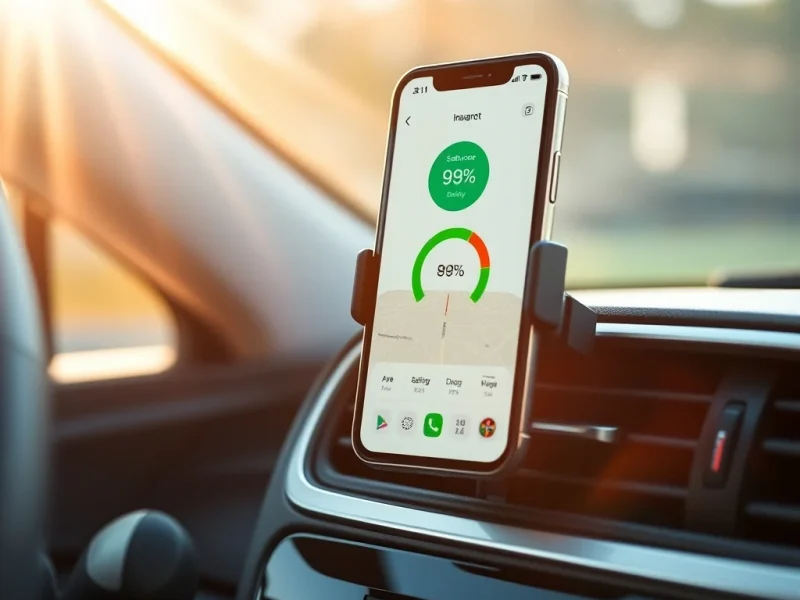
3. Leverage Telematics and Usage-Based Programs
Many modern insurers offer telematics programs that track your driving habits via a smartphone app or a plug-in device. If you maintain safe driving behaviors—such as avoiding hard braking, driving at safe speeds, and minimizing late-night trips—you can earn substantial discounts of up to 30% or more.
4. Maintain a Clean Driving Record
Your driving history is the single most influential factor in determining your insurance rates. Avoiding speeding tickets, accidents, and other moving violations keeps your record clean. Most insurers offer safe driver discounts to policyholders who remain accident-free for three to five years.
5. Ask About Group and Professional Discounts
Insurers frequently partner with employers, alumni associations, professional organizations, and military groups to offer exclusive discounts. Always ask your agent if you qualify for any affinity group discounts through your job, school, or memberships.
6. Improve Your Credit Score
In most states, insurance companies use a credit-based insurance score to help determine premiums. Statistics show that drivers with higher credit scores tend to file fewer claims. Improving your credit score by paying bills on time and reducing outstanding debt can lead to lower insurance costs.
7. Reduce Coverage on Older Vehicles
If you drive an older vehicle with a low market value, maintaining comprehensive and collision coverage may not make financial sense. A general rule of thumb is to drop these coverages if the annual cost of the coverage exceeds 10% of the car’s actual cash value.
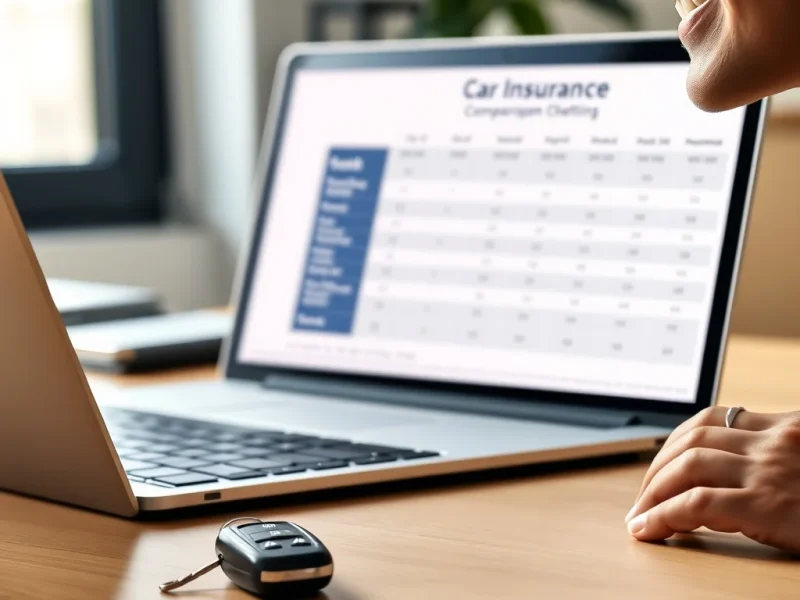
8. Shop Around and Compare Quotes Annually
Insurance rates fluctuate constantly, and different companies use different formulas to assess risk. To ensure you are getting the best deal, make it a habit to compare quotes from at least three different insurers every year, especially before your current policy renews.
9. Take a Defensive Driving Course
Many insurance companies offer discounts to drivers who voluntarily complete an approved defensive driving or accident prevention course. This is particularly beneficial for teenage drivers and seniors looking to offset higher age-based premiums.
10. Minimize Your Annual Mileage
If you work from home or have a very short commute, you may qualify for a low-mileage discount. Drivers who travel fewer than 7,500 to 10,000 miles per year often enjoy lower rates because they spend less time on the road, reducing their statistical likelihood of an accident.
11. Install Anti-Theft Devices
Equipping your vehicle with anti-theft systems, car alarms, or tracking devices reduces the risk of theft and vandalism. Insurers frequently reward this proactive measure with a discount on your comprehensive coverage premium.
12. Pay Your Premium in Full
Most insurance providers charge a small administrative or installment fee if you pay your premium monthly. You can avoid these extra charges and often secure a small discount by paying your entire six-month or annual premium upfront.
Comparing Deductible Levels and Savings Impact
Choosing the right deductible is a balancing act between your monthly budget and your emergency savings. Below is a comparison of how different deductible levels generally affect your premiums and financial risk:
| Deductible Level | Premium Impact | Out-of-Pocket Risk | Best Suited For |
|---|---|---|---|
| $250 (Low) | Highest Premium | Very Low | Drivers who prefer predictable costs and have minimal emergency savings. |
| $500 (Moderate) | Moderate Premium | Moderate | The industry standard balance for average drivers. |
| $1,000 (High) | Significant Savings | High | Experienced drivers with healthy emergency savings who want low monthly bills. |
| $2,000 (Very High) | Maximum Savings | Very High | Low-mileage drivers who rarely use their vehicles and have substantial savings. |
Expert Tips for Long-Term Savings
- Re-evaluate coverage regularly: Your insurance needs change as your vehicle depreciates and your lifestyle shifts. Review your policy annually to ensure you are not paying for unnecessary add-ons.
- Ask about paperless billing: Many companies offer a quick, one-time discount simply for signing up for electronic statements and automatic payments.
- Maintain continuous coverage: Even a short lapse in your car insurance history can signal risk to future insurers, leading to higher rates when you try to sign up again.
Common Mistakes to Avoid When Cutting Costs
- Underinsuring yourself: Lowering your liability limits to the state minimum might save money now, but it can leave you financially ruined if you cause a major accident.
- Forgetting to report life changes: Getting married, moving to a safer ZIP code, or retiring can all lower your rates. Don’t forget to update your insurer.
- Ignoring local regional insurers: Major national brands have the biggest ad budgets, but regional insurance providers often offer incredibly competitive rates tailored to your local area.
Frequently Asked Questions
How much can I save by bundling home and auto insurance?
On average, bundling your home and auto insurance policies with the same carrier can save you between 15% and 25% on your total premiums. This is one of the most significant and easiest discounts to qualify for.
Does raising my deductible always make sense?
Raising your deductible makes sense if you have enough liquid savings to cover that amount immediately in the event of an accident. If a $1,000 out-of-pocket expense would cause financial hardship, it is safer to stick with a lower deductible despite the higher premium.
Will a defensive driving course lower my rates?
Yes, many insurance providers offer a discount of 5% to 10% on certain coverages for completing an approved defensive driving course. This discount is especially common for young drivers and drivers over the age of 55.
How often should I compare car insurance quotes?
It is highly recommended to compare quotes at least once a year, or whenever you experience a major life event such as moving, buying a new car, getting married, or adding a new driver to your policy.
What is the cheapest car insurance coverage option?
The cheapest option is a liability-only policy that meets your state’s minimum legal requirements. However, this coverage only pays for damage and injuries you cause to others, leaving your own vehicle completely unprotected.
Can my credit score affect my auto insurance premiums?
Yes, in most states, insurers use credit-based insurance scores to assess risk. Drivers with excellent credit scores generally pay significantly less for auto insurance than those with poor credit histories.
Does telematics tracking monitor everything I do?
Telematics programs primarily monitor driving safety metrics such as hard braking, rapid acceleration, speed, mileage, and the time of day you drive. They do not track your personal conversations or browse your phone data.
What should I do if my car insurance rate suddenly increases?
If your rate increases, contact your insurer to ask why. If it is due to general inflation or rate hikes in your area, use that opportunity to shop around and compare quotes from other top-rated insurance companies to find a better deal.
Conclusion
Securing affordable auto insurance requires a mixture of safe driving habits, smart policy adjustments, and regular comparison shopping. By applying the twelve strategies outlined in this guide, you can successfully lower your premium while maintaining the robust coverage you need to protect your financial well-being. Start by contacting your current insurer to ask about available discounts, and don’t hesitate to shop around to ensure you are getting the best market rate.
Ready to start saving? Take ten minutes today to review your current policy declarations page, identify areas where you can adjust your coverage or deductibles, and reach out to alternative providers for competitive quotes.