
The automotive landscape is evolving at a breakneck pace. As we approach a new era of mobility, understanding the major auto insurance trends 2026 is crucial for drivers looking to protect their assets without overpaying. From artificial intelligence to climate shifts, the way premiums are calculated is undergoing a massive transformation. Drivers who fail to adapt to these changes risk paying significantly more for their coverage.
This comprehensive guide explores the pivotal shifts defining the auto insurance market in 2026. We will analyze how telematics, electric vehicles, and macroeconomic pressures are reshaping the industry, while providing actionable advice on how you can position yourself to secure the most competitive rates.
The Shifting Landscape of Auto Insurance in 2026
For decades, auto insurance pricing relied almost exclusively on static demographic data: your age, ZIP code, credit score, and driving history. While these factors still play a role, the industry is transitioning to dynamic, real-time risk assessment. This shift is driven by the need for insurers to improve profitability after years of rising claim severity and inflation-fueled repair costs.
In 2026, the integration of advanced vehicle technology and predictive modeling allows insurance companies to price risk with surgical precision. For consumers, this means the era of one-size-fits-all premiums is officially over. Your premium is increasingly a direct reflection of your daily choices, technology adoption, and real-time driving habits.
Key Auto Insurance Trends 2026
1. Hyper-Personalized Pricing via Telematics
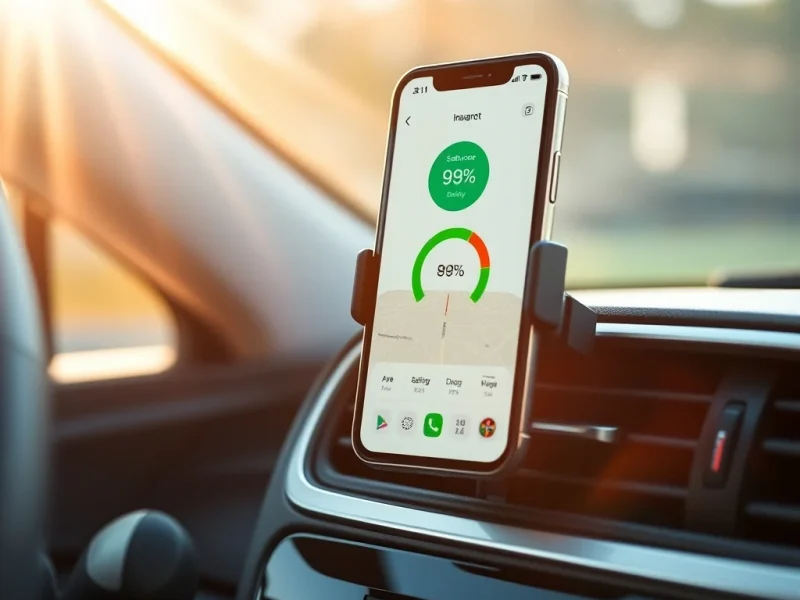
Usage-based insurance (UBI) has transitioned from a niche discount program to the industry standard. Powered by mobile apps and factory-installed vehicle telematics, insurers in 2026 monitor acceleration, braking, cornering speeds, and even mobile phone distraction while driving. Safe drivers are rewarded with substantial discounts, while high-risk driving behaviors lead to immediate premium adjustments at renewal.
2. Artificial Intelligence in Claims Processing
Artificial intelligence (AI) has streamlined the claims pipeline. In 2026, a policyholder can photograph vehicle damage at an accident scene, upload it to an app, and have an AI algorithm assess the damage, estimate repair costs, and approve payouts within minutes. This automation reduces administrative overhead for insurers, though it raises questions about the accuracy of algorithmic repair estimates.
3. The Rising Cost of Electric Vehicle (EV) Coverage
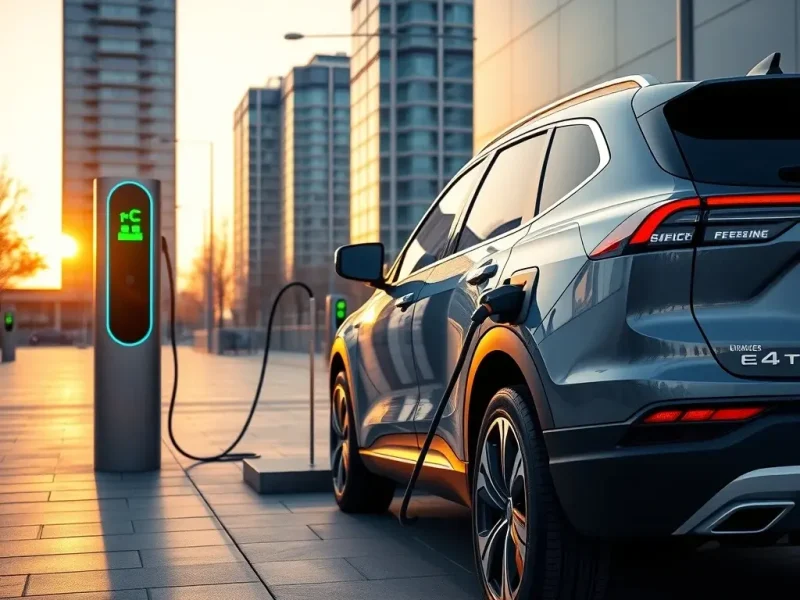
While electric vehicle adoption continues to grow, insuring these vehicles remains expensive. In 2026, EV insurance rates reflect the high cost of battery pack replacements and the specialized labor required for repairs. Even minor collisions can result in a vehicle being declared a total loss if the battery structural integrity is compromised.
4. Climate Change and Regional Rate Surges
Extreme weather events are no longer just a concern for homeowners insurance. Floods, hailstorms, and wildfires are damaging vehicles at unprecedented rates. Insurers in 2026 are adjusting comprehensive coverage rates regionally, making certain high-risk geographic areas much more expensive for vehicle owners.
Comparing Traditional vs. 2026 Insurance Models
To help visualize how the industry has changed, the table below outlines the primary differences between traditional auto insurance frameworks and the modern 2026 landscape.
| Feature | Traditional Insurance Model | 2026 Insurance Model |
|---|---|---|
| Pricing Basis | Demographic averages and credit scores | Real-time driving behavior and telematics |
| Claims Processing | Manual inspection, taking 7 to 14 days | AI-driven image analysis, taking minutes to hours |
| EV Rate Structure | Standard vehicle rating systems | Specialized risk pools reflecting high battery replacement costs |
| Rate Adjustments | Annual or semi-annual policy renewals | Dynamic pricing with frequent behavioral adjustments |
How to Navigate Rising Rates in 2026
Despite technological advancements, overall car insurance costs remain high due to the complexity of modern vehicles. Sensors embedded in bumpers, mirrors, and windshields mean that even a simple fender bender can cost thousands of dollars to repair. To combat these rising costs, drivers must take a proactive approach.
First, shop around at least twice a year. The algorithms used by insurers update constantly, and a company that was expensive for you last year might offer the most competitive rate today. Second, consider opting into telematics programs if you are a safe, low-mileage driver. The savings can offset the broader inflationary increases seen across the market.
Expert Tips for 2026 Policyholders
- Audit Your Annual Mileage: With remote and hybrid work remaining prevalent, ensure your policy accurately reflects your actual annual mileage. Low-mileage drivers qualify for significant discounts.
- Leverage Safety Tech Discounts: Ensure your insurer is aware of your vehicle’s Advanced Driver Assistance Systems (ADAS), such as automatic emergency braking and lane-keeping assist.
- Maintain a Clean Digital Driving Record: If you use a telematics app, avoid hard braking and phone usage. Treat the app as a continuous driving test to preserve your discounts.
- Bundle Strategically: Bundling auto coverage with home, renters, or umbrella policies remains one of the most effective ways to secure immediate, double-digit percentage discounts.
Common Mistakes to Avoid
- Opting Out of Telematics Blindly: Many drivers avoid telematics due to privacy concerns, missing out on savings of up to 40% if they are exceptionally safe drivers.
- Underinsuring High-Value Vehicles: Choosing minimum liability limits on a financed or leased vehicle can leave you financially devastated in the event of a total loss.
- Ignoring Policy Exclusions: Carefully read the fine print regarding delivery driving or ridesharing. Standard personal auto policies do not cover commercial activities.
- Neglecting Deductible Adjustments: Keeping a low deductible (like $250) significantly inflates your monthly premium. Raising your deductible to $1,000 can yield immediate savings if you have an emergency fund.
Frequently Asked Questions
How will auto insurance trends in 2026 affect my monthly premium?
Your premium will depend heavily on your driving habits and vehicle type. Safe drivers utilizing telematics programs will likely see stable or decreasing rates, while drivers of high-repair-cost vehicles, such as EVs, or those with poor driving habits may experience rate increases.
Is usage-based insurance (UBI) mandatory in 2026?
While not legally mandatory, UBI has become the most viable path to securing affordable rates. Drivers who opt out of data tracking programs may face higher base rates as insurers categorize non-participants as higher-risk profiles.
Why are electric vehicle insurance rates higher than gas-powered cars?
Electric vehicles utilize highly complex battery systems and specialized sensors. Even minor accidents can damage the battery pack, which is incredibly expensive to replace. Additionally, the shortage of certified EV repair technicians drives labor costs upward.
How does artificial intelligence speed up the claims process?
AI tools analyze photos of vehicle damage uploaded by the policyholder, compare them against vast databases of repair costs, and generate instant repair estimates. This allows insurers to approve and pay out simple claims almost immediately.
Will climate change continue to drive up car insurance rates?
Yes. Increased frequencies of severe hailstorms, flash flooding, and wildfires damage thousands of vehicles annually. Insurers are raising comprehensive coverage rates in vulnerable geographic regions to offset these rising catastrophe losses.
Can I opt out of data tracking and still get affordable rates?
Yes, but it requires more effort. You will need to maximize traditional discounts, such as bundling policies, maintaining an excellent credit score, driving a vehicle with high safety ratings, and consistently shopping around for competitive quotes.
What is the impact of advanced driver assistance systems (ADAS) on premiums?
While ADAS features like collision avoidance reduce the frequency of accidents, they also make vehicles much more expensive to repair. Consequently, the premium discount for having these systems is often offset by the increased cost of physical damage claims.
How often should I compare auto insurance quotes to keep up with 2026 trends?
It is highly recommended to compare auto insurance quotes at least once every six months or whenever you experience a major life event, such as buying a new car, moving, or adding a driver to your household.
Conclusion
The auto insurance trends 2026 highlight an industry in transition. Technology is empowering insurers to price risk more accurately than ever before, placing the power to lower premiums directly in the hands of consumers. By embracing telematics, understanding the unique costs associated with modern vehicles, and avoiding common coverage pitfalls, you can successfully navigate this shifting landscape and secure highly competitive rates.
Take control of your auto insurance expenses today by evaluating your current policy limits, exploring usage-based options, and requesting quotes to ensure you are not overpaying in this fast-evolving market.