
The landscape of auto insurance is undergoing a massive paradigm shift. By 2026, the way we calculate premiums, file claims, and interact with insurance providers will look fundamentally different than it did just a few years ago. Driven by rapid technological advancements, the integration of artificial intelligence, and evolving consumer habits, auto insurance trends 2026 point toward a highly personalized, data-driven future.
For decades, auto insurance relied on broad demographic pools to determine risk. Factors like your age, zip code, and gender dictated your monthly premium. However, the industry is rapidly transitioning to an individualized risk model. Drivers are no longer willing to pay for the mistakes of others, and technology is finally advanced enough to allow insurers to price policies based on actual, real-time driving behavior.
Whether you are looking to lower your current premiums, curious about how electric vehicles (EVs) impact your rates, or wondering how artificial intelligence will handle your next claim, understanding these upcoming trends is crucial. This comprehensive guide explores the major shifts defining auto insurance in 2026 and provides actionable advice on how to navigate them.
Table of Contents
- The Dominance of Telematics and Usage-Based Insurance
- How Artificial Intelligence is Accelerating Claims
- The Electric Vehicle (EV) Evolution and Premiums
- Comparing Auto Insurance Models in 2026
- Expert Tips for Navigating 2026 Auto Insurance
- Common Mistakes to Avoid in the New Era
- Frequently Asked Questions
- Conclusion
The Dominance of Telematics and Usage-Based Insurance
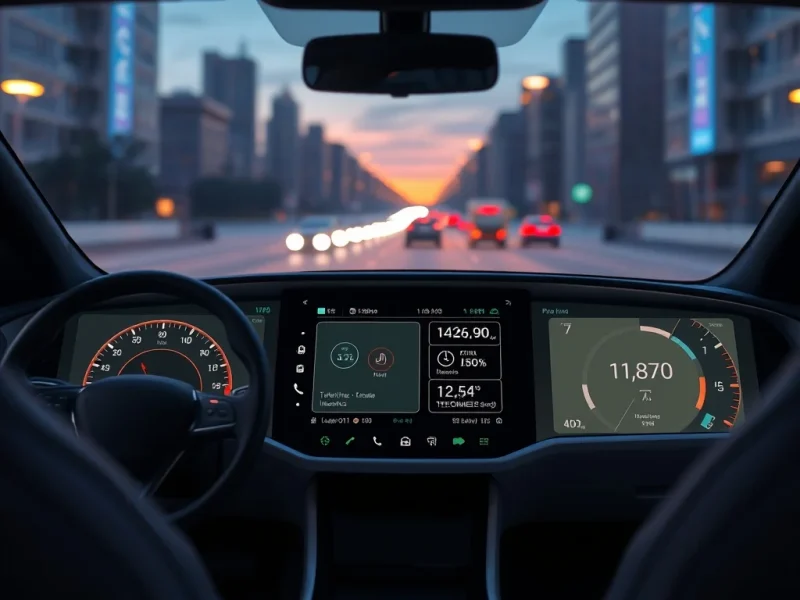
Telematics is no longer a niche opt-in program for tech-savvy drivers. By 2026, usage-based insurance (UBI) and behavior-based insurance will become the standard industry offering. Connected vehicles, which are now standard from most manufacturers, seamlessly transmit driving data directly to insurance companies, eliminating the need for plug-in OBD-II devices or mobile apps.
Insurers utilize this data to track key metrics, including:
- Braking patterns: Frequent hard braking indicates tailgating or distracted driving.
- Acceleration: Rapid acceleration can signal aggressive driving habits.
- Time of day: Driving during high-risk hours, such as late at night, increases premiums.
- Speeding: Consistently exceeding speed limits directly correlates to higher risk.
This shift benefits safe drivers tremendously. Instead of being penalized for living in a high-crime zip code, a cautious driver can secure significant discounts based purely on their safe driving habits. Conversely, high-risk drivers may see their premiums rise as insurers gain clearer visibility into their actual road behavior.
How Artificial Intelligence is Accelerating Claims
Artificial intelligence is transforming the claims process from a weeks-long headache into a near-instantaneous experience. In 2026, AI-driven claims processing is becoming the norm for minor accidents and fender benders. Using computer vision, policyholders can upload photos of vehicle damage directly through an insurer’s app, allowing AI algorithms to estimate repair costs and approve payouts in minutes.
This automated workflow drastically reduces administrative overhead for insurance companies, a savings that can theoretically be passed down to consumers. Furthermore, AI helps detect fraudulent claims by cross-referencing accident data with weather reports, traffic cameras, and vehicle telematics, ensuring premium pools are not inflated by dishonest claims.
The Electric Vehicle (EV) Evolution and Premiums
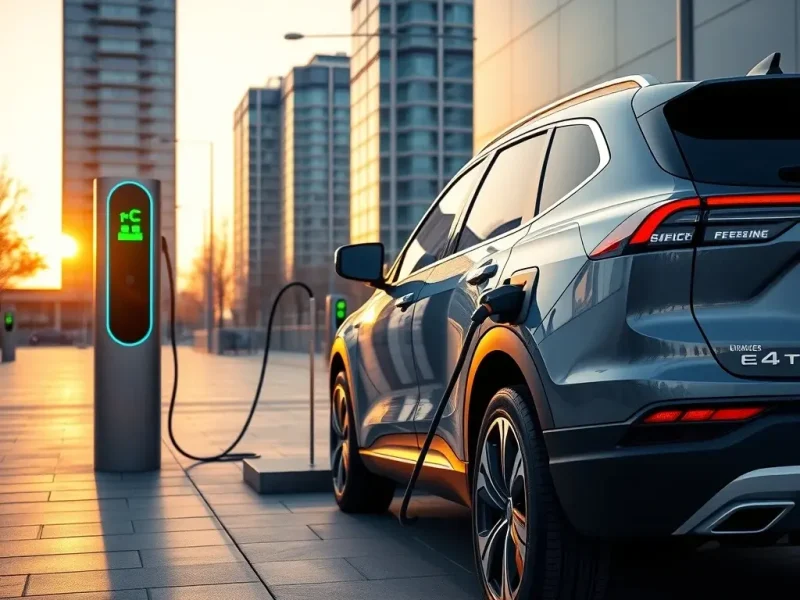
As electric vehicles capture a larger share of the automotive market, insurers are adapting their risk models. Historically, EV insurance has been more expensive than coverage for internal combustion engine (ICE) vehicles. This premium discrepancy is driven by several unique factors:
- High repair costs: EV battery packs are incredibly expensive to replace, often leading insurers to write off vehicles after relatively minor accidents.
- Specialized labor: Repairing advanced electric drivetrains requires specialized technicians, driving up labor costs.
- Proprietary parts: Limited aftermarket parts availability forces reliance on original equipment manufacturers (OEMs).
However, by 2026, we are beginning to see a stabilization of EV insurance rates. As battery technology advances, manufacturing scales, and more technicians become certified in EV repair, the cost gap between insuring electric and traditional gas-powered vehicles is steadily narrowing.
Comparing Auto Insurance Models in 2026
To help you understand your choices in this evolving market, the table below compares the primary auto insurance models available in 2026.
| Insurance Model | How It Works | Best For | Primary Advantage |
|---|---|---|---|
| Rates determined by demographic risk pools and credit scores. | Drivers who value predictable monthly costs and prefer privacy. | No active monitoring of your daily driving habits. | |
| A low base rate plus a variable fee per mile driven. | Remote workers, retirees, and low-mileage drivers. | Massive savings if you drive less than 8,000 miles per year. | |
| Rates adjust dynamically based on real-time driving behavior. | Cautious, defensive drivers looking to maximize discounts. | Direct control over your premium costs through safe habits. |
Expert Tips for Navigating 2026 Auto Insurance
Adapting to these modern trends requires a proactive approach. Use these expert tips to keep your auto insurance costs manageable:
- Embrace telematics early: If you are a safe driver, opting into behavior-based programs is the fastest way to slash your premiums.
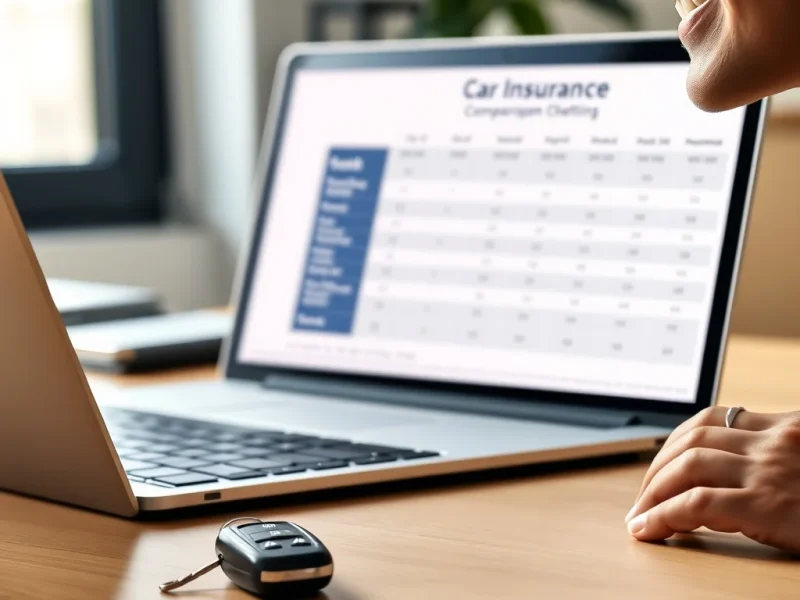
- Shop around annually: With insurers adjusting their underwriting algorithms to accommodate AI and new data, rates can fluctuate wildly between companies.
- Bundle your policies: Bundling home, renters, or life insurance with your auto policy remains one of the most reliable ways to secure a double-digit discount.
- Maintain a high credit score: In states where it is legally permitted, your credit score continues to have a massive impact on your insurance tier.
Common Mistakes to Avoid in the New Era
As the industry modernizes, falling into old habits can cost you. Avoid these common mistakes:
- Ignoring policy mileage limits: If you are on a pay-per-mile plan, failing to accurately report or estimate your mileage can lead to unexpected premium spikes or coverage disputes.
- Overlooking privacy settings: While telematics programs offer great discounts, ensure you understand what data is being collected and how your insurer secures it.
- Assuming the cheapest quote is the best: Extremely low rates often come with high deductibles and minimal liability limits, leaving you vulnerable in a major accident.
- Failing to update your commute details: If you transitioned to a fully remote or hybrid work model, notify your insurer immediately to lower your rated mileage.
Frequently Asked Questions
How will auto insurance trends 2026 affect my monthly premiums?
In 2026, premiums are shifting toward highly personalized rates. Safe drivers who utilize telematics and usage-based programs will likely see their premiums decrease, while high-risk drivers or those opting out of data-sharing may experience rate increases as traditional risk pools shrink.
What is usage-based auto insurance, and is it safe?
Usage-based auto insurance determines your premium based on how and how much you drive. Insurers track metrics like speed, braking, and mileage via connected car technology or mobile apps. These programs are safe, secure, and regulated to protect consumer data privacy.
Why are electric vehicle insurance rates different from gas cars?
Electric vehicles generally cost more to insure due to higher repair costs, specialized labor requirements, and the expensive nature of battery replacements. However, as EV adoption grows and repair infrastructure matures in 2026, these rates are beginning to stabilize.
How does AI speed up the car insurance claims process?
AI accelerates claims by using computer vision algorithms to instantly analyze photos of vehicle damage uploaded by policyholders. This allows insurers to automate damage assessments, estimate repair costs, and issue payouts in minutes for minor accidents.
Can a bad driving record be mitigated by telematics in 2026?
Yes. If you have a past accident or ticket, opting into a telematics program allows you to prove to your insurer that you are currently practicing safe driving habits. Consistently safe real-time data can help offset historical risk factors faster than traditional models.
What is pay-per-mile insurance, and who benefits most?
Pay-per-mile insurance consists of a flat monthly base rate plus a few cents per mile driven. It is highly beneficial for low-mileage drivers, such as remote employees, retirees, or urban residents who rely primarily on public transit.
Will traditional auto insurance policies disappear by 2026?
No, traditional policies will still exist, but they will likely carry a premium surcharge. Insurers charge more for traditional policies because they lack the precise risk-assessment data provided by telematics and connected vehicle systems.
How can I lower my car insurance rates in 2026?
You can lower your rates by participating in telematics programs, maintaining an excellent credit score, driving a vehicle equipped with modern safety features, bundling multiple policies, and regularly comparing quotes online to find the most competitive rates.
Conclusion
The future of auto insurance is fast, personalized, and highly technological. As auto insurance trends 2026 take hold, consumers who embrace telematics, maintain safe driving habits, and understand the role of AI in claims processing will find themselves in a position to secure incredibly competitive rates. The era of paying flat, generalized premiums is coming to an end. Take control of your driving data, shop around regularly, and leverage these emerging trends to protect both your vehicle and your wallet.
To ensure you are getting the best possible rate in this rapidly changing market, consider requesting an updated, personalized quote from your current provider or exploring modern telematics-based options today.