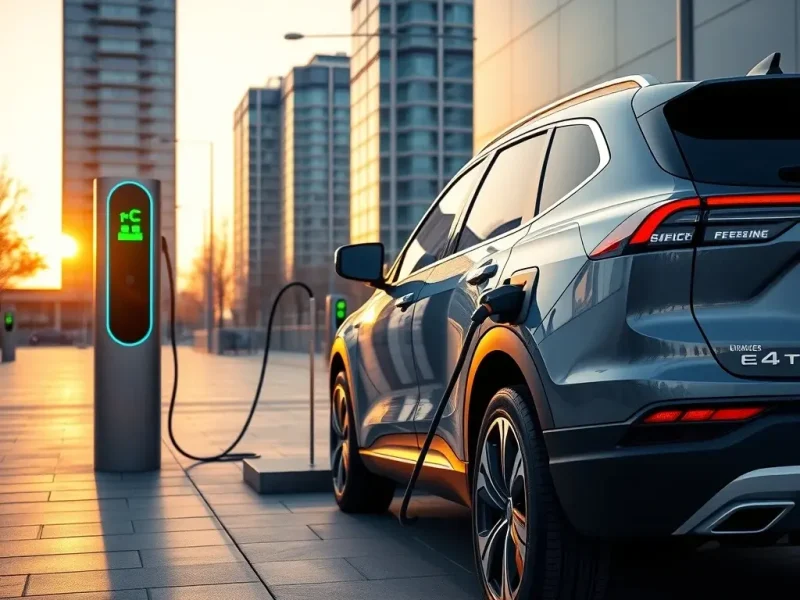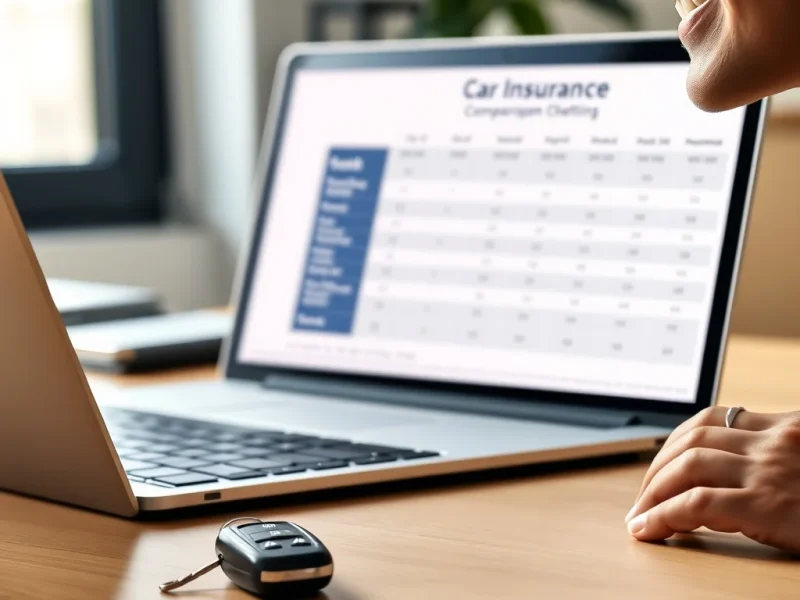
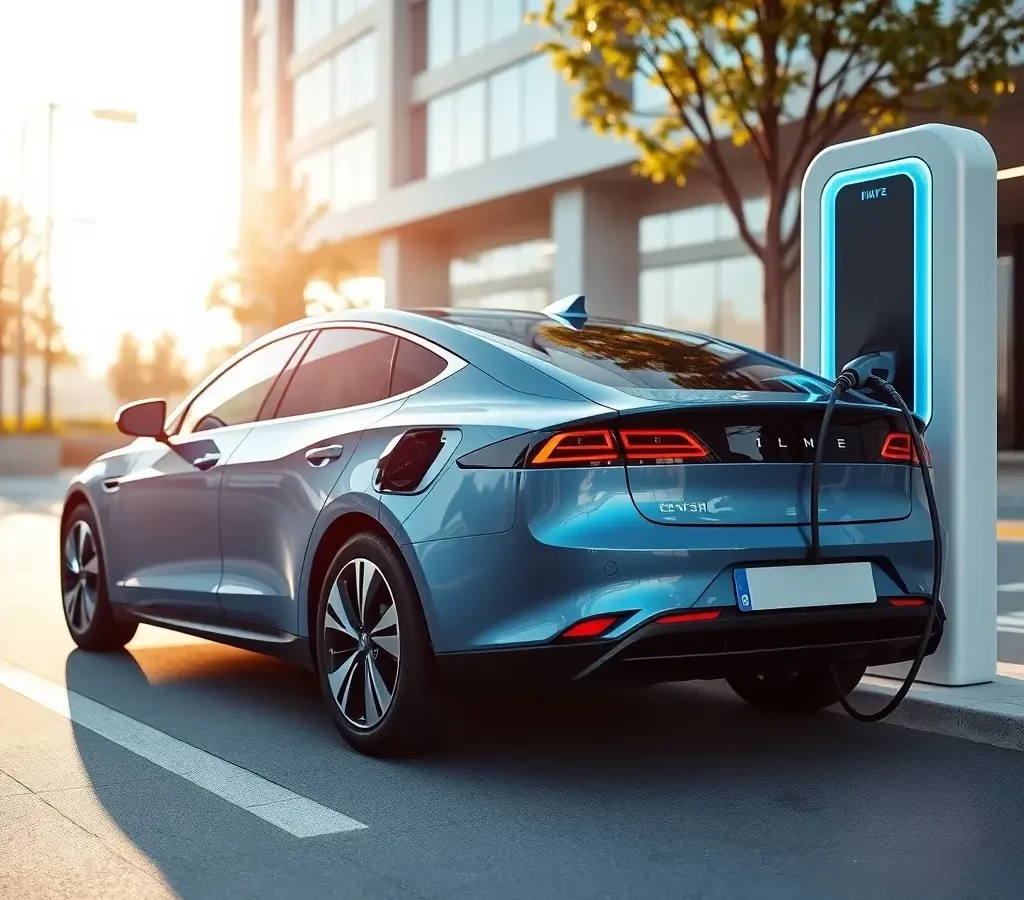

Transitioning to an electric vehicle (EV) is an exciting step toward a sustainable future. However, driving an advanced, high-tech vehicle introduces new considerations for your auto coverage. Understanding how electric vehicle insurance works is essential for protecting your investment without overpaying.
While basic liability requirements remain the same regardless of what powers your car, the specialized components of an EV change how insurers calculate risk and repair costs. From high-voltage battery packs to proprietary software, electric cars require a tailored approach to auto insurance.
Why Electric Vehicle Insurance Differs from Traditional Auto Insurance
Insuring an electric vehicle involves different risk variables than insuring a traditional internal combustion engine (ICE) car. The primary driver behind this difference is the cost of technology. EVs are packed with sensitive sensors, advanced driver-assistance systems (ADAS), and complex battery chemistry.
If you get into an accident, repairing an EV often requires specialized technicians and original equipment manufacturer (OEM) parts. These factors elevate the average cost of claims, which directly influences your monthly premiums. Understanding these differences helps you navigate quotes more effectively.
Comparison: EV Insurance vs. Traditional ICE Insurance
To help visualize how electric vehicle insurance compares to traditional auto insurance, consider the following structural differences:
| Feature | Electric Vehicle (EV) Insurance | Traditional (ICE) Insurance |
|---|---|---|
| Average Premium Cost | Typically 15% to 25% higher | Standard baseline rates |
| Primary Risk Factor | High battery replacement and specialized repair costs | Mechanical engine repairs and widespread part availability |
| Specialized Coverage Options | Wall charger liability, battery degradation, specific towing | Standard roadside assistance and mechanical breakdown |
| Repair Network | Limited to certified EV repair facilities | Broad network of independent and dealership shops |
Key Factors That Affect Electric Vehicle Insurance Rates
Insurers look at several specific elements when calculating the premium for your electric car. Understanding these factors can help you anticipate your ongoing ownership costs.
The High Cost of EV Batteries
The lithium-ion battery pack is the most expensive component of an electric car, often costing between $5,000 and $20,000 to replace depending on the make and model. If a collision causes even minor damage to the battery housing, insurers often write off the vehicle as a total loss because the repair costs exceed the car’s market value.
Specialized Labor and Parts
Standard mechanics cannot safely work on high-voltage EV drivetrains. Repairs must be handled by certified technicians who have undergone specialized training. Additionally, because the EV market is still evolving, aftermarket parts are less common, forcing repair shops to rely on pricier OEM parts directly from the manufacturer.
Weight and Torque Profiles
EVs are significantly heavier than their gas-powered counterparts due to the weight of the battery pack. This added mass means that in a collision, an EV can cause more damage to other vehicles or property. Furthermore, the instant torque of electric motors allows for rapid acceleration, which some insurers associate with a higher risk of accidents, especially for inexperienced drivers.
How to Save Money on Electric Vehicle Insurance
While premiums can be higher, there are several highly effective strategies you can use to lower your electric vehicle insurance costs without sacrificing vital protection.
- Ask for Green Vehicle Discounts: Many major insurance carriers offer specialized discounts simply for driving an alternative-fuel or low-emissions vehicle.
- Bundle Your Policies: Combine your EV policy with your homeowners, renters, or life insurance to secure multi-policy discounts of up to 15%.
- Leverage Telematics: If you are a safe driver with predictable mileage, opt into a usage-based insurance program. These programs track your actual driving habits to reward safe acceleration, braking, and low mileage with lower rates.
- Install a Smart Charger: Some insurers offer minor discounts if your home charging station is professionally installed and equipped with smart safety features.
Expert Tips for EV Owners
- Confirm Home Charger Coverage: Make sure your home charging station (and the cable) is covered under either your homeowners insurance or your auto policy’s accessory coverage.
- Evaluate Roadside Assistance Details: Ensure your roadside assistance package includes flatbed towing, as towing an EV with its wheels on the ground can severely damage the electric motors.
- Consider Gap Insurance: Because new EVs can depreciate rapidly, gap insurance is highly recommended if you financed or leased your vehicle. It covers the difference between what the car is worth and what you owe if it is totaled.
Common Mistakes to Avoid
1. Assuming your standard policy automatically covers home charging equipment. Always call your agent to verify if your wall connector is protected against theft or electrical surges.
2. Neglecting to shop around before buying. Rates for electric vehicle insurance vary drastically between carriers because some insurers have better underwriting models for electric cars than others.
3. Choosing the lowest liability limits. Because EVs are heavier and can cause substantial property damage in an accident, opting for minimum liability limits can leave you financially vulnerable.
Frequently Asked Questions
Is electric vehicle insurance more expensive than regular car insurance?
Yes, electric vehicle insurance is generally 15% to 25% more expensive than coverage for standard gas-powered cars. This premium difference is primarily due to the high cost of EV batteries, the need for specialized repair technicians, and the reliance on expensive OEM parts.
Does car insurance cover my home EV charging station?
Your auto insurance policy may cover your charging cable if it is damaged while in your vehicle, but the permanently installed wall charger at your home is typically covered under your homeowners insurance policy. You should contact your home insurance provider to ensure it is listed under your dwelling or personal property coverage.
What happens if my EV battery dies on the road?
If your EV runs completely out of charge, standard roadside assistance programs will tow your vehicle to the nearest charging station. Some specialized roadside services now carry mobile fast-charging units that can provide enough range to get you to the next station without a tow.
Are EV battery replacements covered by insurance?
An EV battery replacement is covered by your comprehensive or collision insurance if the damage was caused by a covered accident, vandalism, or a natural disaster. However, standard insurance does not cover battery degradation, normal wear and tear, or mechanical failure, which are typically covered by the manufacturer’s warranty.
Do insurance companies offer discounts for driving an electric car?
Yes, many insurance companies offer “green vehicle” or “alternative fuel” discounts to incentivize eco-friendly driving. The discount amount varies by state and carrier, but it typically ranges from 2% to 10% off your overall premium.
How does telematics or usage-based insurance affect EV premiums?
Telematics programs use an app or plug-in device to monitor your driving habits, such as hard braking, speed, and mileage. Because EVs accelerate quickly, a smooth driving style can help you secure substantial discounts through these programs, offsetting the naturally higher baseline cost of EV insurance.
Is gap insurance necessary for an electric vehicle?
Gap insurance is highly recommended for leased or financed EVs. Electric vehicles can depreciate quickly due to rapid technological advancements and federal tax incentives. If your EV is totaled in an accident, gap insurance covers the difference between the actual cash value of the car and your remaining loan balance.
Does hybrid car insurance cost the same as electric vehicle insurance?
Generally, hybrid car insurance is slightly cheaper than full electric vehicle insurance. Hybrids have smaller battery packs and more conventional mechanical parts, which makes them less expensive to repair or replace after an accident compared to battery-electric vehicles (BEVs).
Conclusion
Insuring an electric vehicle requires an understanding of how advanced technology impacts repair costs and coverage needs. While premiums run higher than those for conventional cars, proactive steps like shopping around, bundling policies, and utilizing green vehicle discounts can make electric vehicle insurance highly affordable. Take the time to review your policy details, protect your charging infrastructure, and ensure you have the right coverage limits for your modern ride.
Ready to find the best rate for your electric car? Contact your insurance provider today to ask about specialized EV discounts, or compare quotes online to secure the most competitive rate for your vehicle.