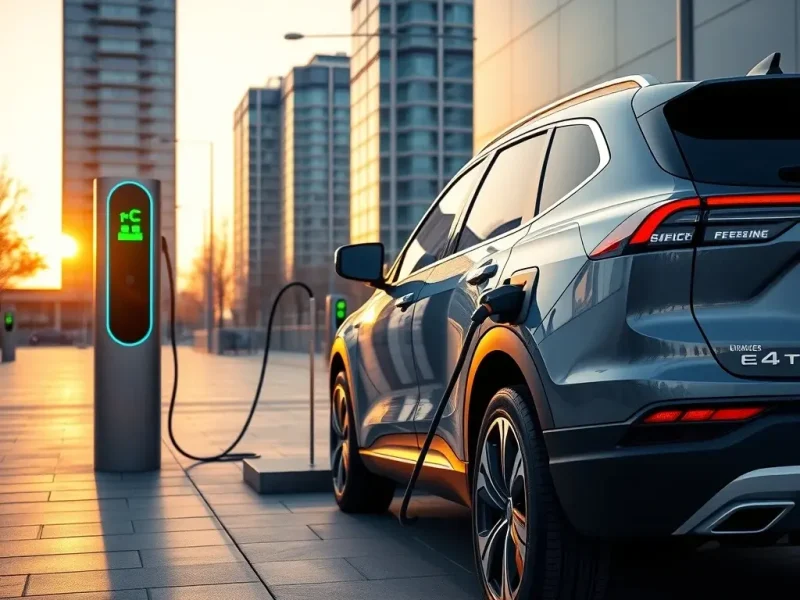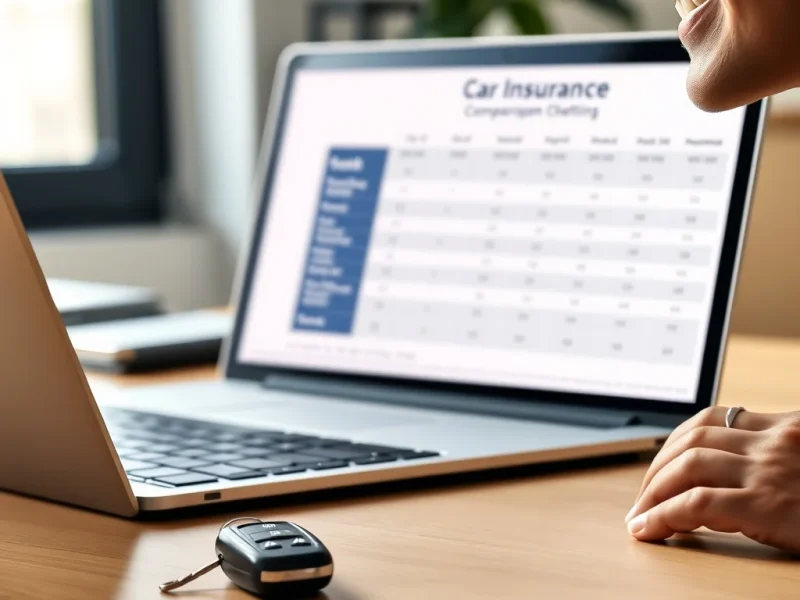
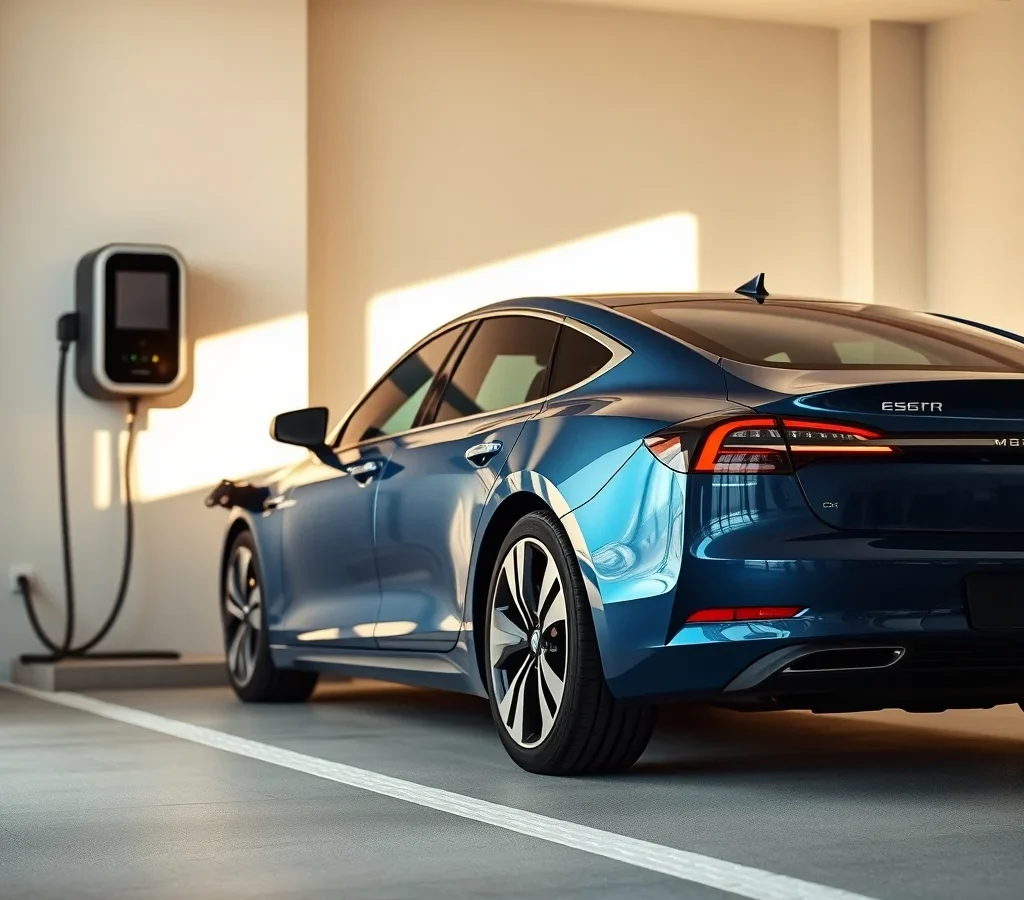

Buying an electric vehicle (EV) is an exciting milestone. You get instant torque, a quiet cabin, and the satisfaction of bypassing the gas pump forever. However, many new EV owners face a sudden shock when they transition from the dealership to the insurance agency: the cost of electric vehicle insurance. While EVs save money on fuel and maintenance, insuring them requires a different financial strategy.
Understanding how insurers calculate risk for electric cars is essential to securing the best coverage without overpaying. This comprehensive guide breaks down why EV insurance differs from traditional auto insurance, what unique coverage options you need, and how to lower your premiums effectively.
Table of Contents
- Why Does Electric Vehicle Insurance Cost More?
- EV vs. Gas-Powered Car Insurance
- Unique Coverage Options for EVs
- How to Lower Your EV Insurance Premiums
- Expert Tips for EV Owners
- Common Mistakes to Avoid
- Frequently Asked Questions
- Conclusion
Why Does Electric Vehicle Insurance Cost More?
On average, electric vehicle insurance costs about 15% to 25% more than insurance for comparable gas-powered vehicles. This premium hike isn’t because EV drivers are more dangerous on the road. Instead, it comes down to the math of physical damage claims and repair complexities.
The primary driver of high EV insurance rates is the battery pack. The lithium-ion battery is the most expensive component of an electric vehicle, often costing between $5,000 and $20,000 to replace. If a minor accident compromises the battery casing, safety protocols usually require a complete battery replacement, which can easily write off the vehicle as a total loss.
Additionally, repairing an EV requires specialized technicians. Collision repair shops must invest in high-voltage equipment, safety training, and dedicated space to handle electric cars. Because there are fewer qualified technicians and certified repair facilities, labor rates are significantly higher, and repair times are longer, which increases the cost of rental car reimbursement coverage for insurers.
EV vs. Gas-Powered Car Insurance
To understand how coverage needs shift when you transition away from fossil fuels, it helps to compare the insurance profiles of electric vehicles and internal combustion engine (ICE) vehicles directly.
| Feature | Electric Vehicle (EV) | Gas-Powered Vehicle (ICE) | ||||||||||||
|---|---|---|---|---|---|---|---|---|---|---|---|---|---|---|
| Average Premium Cost | Higher (typically 15% to 25% more) | Standard baseline rates | Battery/Engine Replacement | Extremely high cost; easily totals the car | Moderate cost; rebuilt engines are widely available | Repair Network | Limited; requires certified OEM shops | Widespread; independent mechanics available | Roadside Risks | Requires flatbed towing to prevent motor damage | Can be towed with standard hook-and-chain | Specialized Parts | High reliance on proprietary technology and sensors | Abundant aftermarket and third-party parts |
Unique Coverage Options for EVs
Standard auto insurance policies cover the basics like liability, collision, and comprehensive damage. However, electric vehicles present unique risks that require specialized attention when structuring your policy.
Wall Charger and Equipment Coverage
Your home charging station is a critical part of your EV ecosystem. Level 2 chargers can cost hundreds of dollars to purchase and install. You must ensure your insurance setup covers this equipment. While your auto policy might cover a portable charging cable kept in your trunk, a permanent wall charger mounted in your garage is typically covered under your homeowners insurance policy. It is vital to notify both your auto and home insurance providers of this equipment.
Original Equipment Manufacturer (OEM) Parts Coverage
Because EVs rely heavily on proprietary software, structural battery packs, and advanced driver assistance systems (ADAS), aftermarket parts are rarely an option. Adding an OEM parts rider to your policy ensures that any repairs are completed using brand-new, factory-certified parts designed specifically for your vehicle model, preserving your warranty and vehicle safety standards.
Specialized Roadside Assistance
Running out of fuel in a gas car is a minor inconvenience resolved with a one-gallon gas can. Running out of charge in an EV requires a flatbed tow truck to transport the vehicle to the nearest charging station. Standard towing can damage an EV’s regenerative braking system. Ensure your roadside assistance package specifically includes flatbed towing and EV-specific roadside care.
How to Lower Your EV Insurance Premiums
Despite the higher baseline costs, you do not have to accept exorbitant insurance premiums. Several actionable strategies can help you secure affordable car insurance for your electric vehicle.
- Leverage Green Vehicle Discounts: Many insurance carriers offer specialized discounts simply for driving an alternative-fuel or low-emissions vehicle. Ask your broker specifically for “green vehicle” or “eco-friendly” incentives.
- Opt for Telematics Programs: If you have safe driving habits, enrolling in a usage-based insurance (UBI) program can yield massive savings. These programs track your acceleration, braking, and mileage via a mobile app or plug-in device to customize your rate.
- Bundle Your Policies: Combining your auto insurance with homeowners, renters, or umbrella insurance remains one of the most effective ways to slash up to 20% off your total premium.
- Adjust Your Deductibles: Raising your comprehensive and collision deductibles from $500 to $1,000 can lower your monthly premium significantly. Just ensure you keep enough cash in an emergency fund to cover the higher deductible if you need to file a claim.
Expert Tips for EV Owners
First-time EV buyers often overlook the insurance aspect until after they leave the dealership. To avoid unexpected financial strain, follow these professional recommendations:
- Quote before you buy: Run insurance quotes on the exact vehicle identification number (VIN) or model trim before signing the purchase paperwork. Rates can vary drastically between models like the Tesla Model Y and the Chevrolet Bolt.
- Verify battery coverage: Read the fine print of your comprehensive coverage to confirm there are no exclusions regarding battery damage caused by road debris or environmental factors.
- Consider Gap Insurance: Because EVs depreciate quickly due to rapid technological advancements and federal tax credits lowering retail prices, you could easily owe more on your loan than the car is worth. Gap insurance protects you from paying the difference if the car is totaled.
Common Mistakes to Avoid
- Assuming all insurers charge the same: Some traditional insurers have not fully updated their risk models for EVs, leading to artificially high rates. Shopping around is more critical for EVs than for any other vehicle class.
- Ignoring the cost of charging station liability: If a neighbor trips over your charging cable draped across a public sidewalk, you could be held liable. Ensure your personal liability coverage is sufficient.
- Failing to update your annual mileage: If your EV is a commuter car or secondary vehicle with low annual mileage, make sure your insurer knows. Low-mileage drivers qualify for significantly lower rates.
Frequently Asked Questions
Why is electric vehicle insurance more expensive?
Electric vehicle insurance is more expensive primarily due to the high cost of specialized parts, specifically the high-voltage battery pack. Additionally, repairing EVs requires certified technicians, leading to higher labor costs, while a lack of aftermarket parts forces insurers to pay for expensive OEM replacements.
Does standard auto insurance cover my home EV charging station?
Standard auto insurance typically covers portable charging cables carried inside the vehicle. However, a permanently installed Level 2 home charging station is generally classified as part of your dwelling or personal property, meaning it must be covered under your homeowners insurance policy.
Can I get a discount on insurance for driving an eco-friendly car?
Yes, many major insurance providers offer a “green vehicle” or “alternative fuel” discount to incentivize eco-friendly driving. This discount typically ranges from 2% to 10% off your premium, depending on the carrier and your state of residence.
What happens if my EV battery is damaged in an accident?
If your EV battery is damaged in a covered accident, your collision or comprehensive coverage will pay for the replacement, minus your deductible. However, because battery replacements are so expensive, severe battery damage frequently results in the insurance company declaring the vehicle a total loss.
Does roadside assistance cover a dead EV battery?
Yes, most modern roadside assistance plans cover dead EV batteries, but the response varies. Some providers will tow your vehicle on a flatbed trailer to the nearest charging station, while others deploy specialized trucks equipped with mobile fast-chargers to give you enough range to reach a station.
How does telematics affect EV insurance rates?
Telematics programs monitor your driving habits, such as hard braking, speed, and night driving. Because EVs have rapid acceleration capabilities, driving mindfully and avoiding aggressive acceleration can help you secure substantial discounts through these app-based programs.
Is Tesla insurance cheaper for Tesla owners?
In states where it is available, Tesla Insurance can be cheaper because it uses real-time driving behavior data directly from the vehicle to calculate monthly premiums. However, for drivers with aggressive driving habits, traditional insurers might still offer more competitive flat rates.
Should I get gap insurance for my new electric vehicle?
Yes, gap insurance is highly recommended for new EVs, especially if you made a low down payment or financed the vehicle over a long term. Rapid depreciation, driven by federal tax credits and fast-paced tech upgrades, can quickly leave you underwater on your auto loan.
Conclusion
Transitioning to electric driving offers incredible environmental and operational benefits, but navigating electric vehicle insurance requires a proactive approach. By understanding the unique risk factors associated with EV batteries, securing specialized coverage for your charging equipment, and actively seeking out green vehicle and telematics discounts, you can protect your investment without breaking the bank. Before you drive your new EV off the lot, compare quotes from multiple insurers to find a policy that perfectly balances robust protection with competitive pricing.