
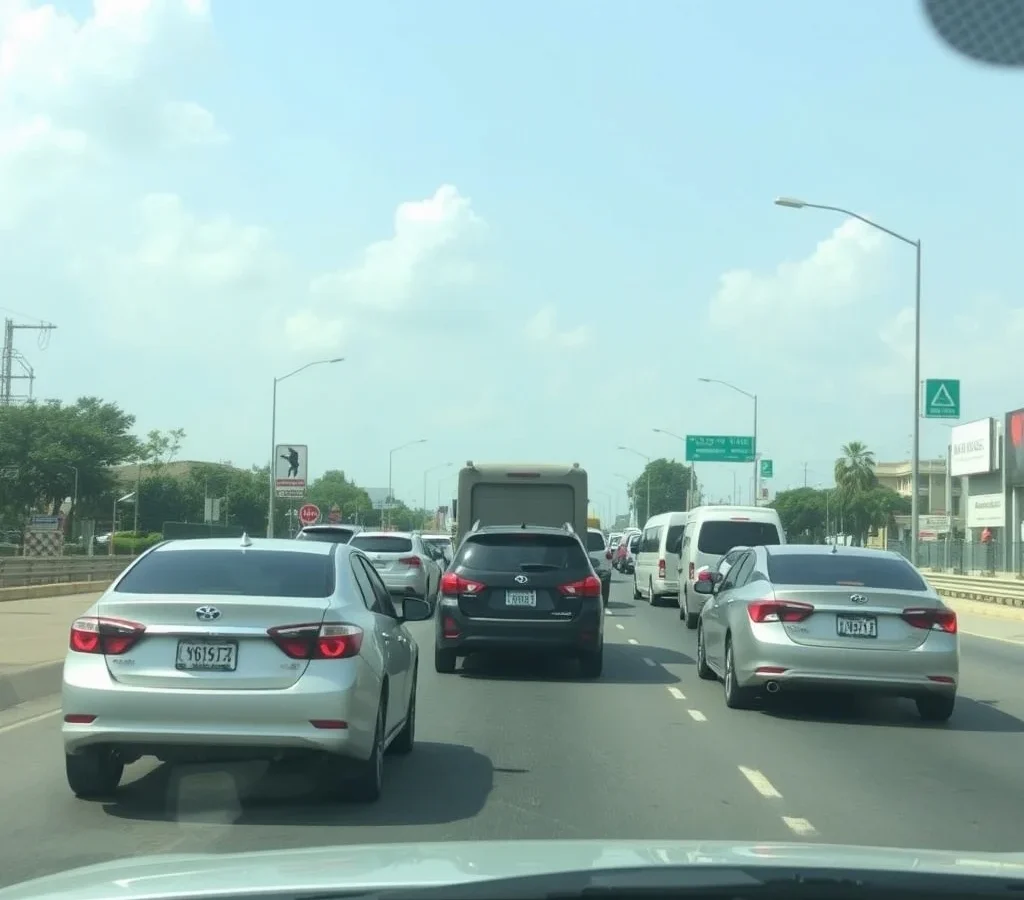

Driving in Nigerian traffic requires more than knowing how to operate a vehicle. You need patience, awareness, good judgment and the ability to anticipate what other road users may do next. These driving safety tips can help you handle congestion, motorcycles, pedestrians, rain, night driving and unexpected hazards more confidently.
From heavy congestion in major cities to motorcycles weaving through traffic, pedestrians crossing unexpectedly, aggressive overtaking, road construction and changing weather conditions, Nigerian drivers face a wide range of challenges.
Safe driving therefore depends on defensive driving habits rather than simply reacting to problems when they occur.
The Federal Road Safety Corps (FRSC) makes road safety education, enforcement and driver training central to its mandate. Its driver-training programme covers defensive driving, road signs, vehicle maintenance, tyres, sharing the road with other users and special driving conditions.
Table of Contents
- Understand the Challenges of Nigerian Traffic
- Practice Defensive Driving
- Keep a Safe Following Distance
- Control Your Speed
- Watch Motorcycles, Tricycles and Pedestrians
- Avoid Distracted Driving
- Use Your Mirrors Correctly
- Check Your Vehicle Before Every Journey
- Be Extra Careful During Rain
- Drive Safely at Night
- Stay Calm in Heavy Traffic
- Know What to Do During a Vehicle Breakdown
- Know the Roads You Use Regularly
- Keep Your Documents and Safety Equipment Ready
- Driving Conditions Comparison Table
- Expert Tips for Driving in Nigerian Traffic
- Common Driving Mistakes to Avoid
- Frequently Asked Questions
- Conclusion
- Call to Action
Understand the Challenges of Nigerian Traffic
Nigerian traffic varies considerably between cities, highways and rural areas. A driver navigating Lagos during peak hours may face completely different conditions from someone travelling on an intercity highway or driving through a rural community.
Common challenges include:
- Heavy traffic congestion
- Aggressive or impatient drivers
- Motorcycles and tricycles changing lanes unexpectedly
- Pedestrians crossing busy roads
- Poor visibility during rainfall
- Road construction
- Potholes and damaged road surfaces
- Broken-down vehicles
- Poorly illuminated roads
- Large trucks and tankers
- Sudden lane changes
- Vehicles stopping without adequate warning
Understanding these conditions helps drivers anticipate risks instead of reacting at the last moment.
Practice Defensive Driving
Defensive driving means anticipating potential hazards and creating enough time and space to respond safely.
Do not assume another driver will obey the rules. If a vehicle is approaching an intersection at excessive speed, do not rely on the driver to stop simply because you have the right of way.
Slow down, observe the vehicle and be prepared to react.
Key defensive driving habits
- Look several vehicles ahead.
- Maintain a safe following distance.
- Check mirrors frequently.
- Avoid unnecessary overtaking.
- Expect sudden lane changes.
- Slow down near intersections.
- Watch for pedestrians.
- Be cautious around motorcycles.
- Avoid driving when excessively tired.
- Never drive under the influence of alcohol or drugs.
Keep a Safe Following Distance
Following too closely gives you less time to react when the vehicle ahead brakes suddenly.
This is particularly dangerous in congested traffic because vehicles frequently accelerate and stop within short distances. Maintain a gap that gives you adequate stopping and reaction time, and increase it when it is raining, visibility is poor, the road is slippery, you are following a heavy vehicle, you are travelling faster or your vehicle is heavily loaded.
Control Your Speed
Speed is one of the most important factors a driver can control. FRSC identifies speeding as a major contributing factor to road crashes and associated casualties in Nigeria.
Driving quickly does not necessarily get you to your destination much earlier, especially when congestion, intersections and road conditions are involved.
Adjust your speed to conditions
- Approaching junctions
- Passing schools or busy pedestrian areas
- Driving through construction zones
- Wet roads
- Limited visibility
- Sharp bends
- Following large trucks
- Unpredictable traffic
The correct speed is a speed that allows you to maintain control and respond to hazards.
Watch Motorcycles, Tricycles and Pedestrians
Motorcycles, commercial tricycles and pedestrians are common features of Nigerian roads. Give them adequate space and avoid assuming they will behave predictably.
- Check your mirrors.
- Check the blind spot.
- Signal early.
- Confirm that the lane is clear.
- Move gradually.
Be particularly careful when motorcycles are travelling between lanes or alongside your vehicle. Never deliberately squeeze another road user toward the edge of the road.
Avoid Distracted Driving
A driver’s attention should remain focused on the road. Common distractions include mobile-phone use, reading messages, adjusting the infotainment system, eating, reaching for objects, turning around to speak to passengers and checking notifications.
If you need to make a call or send a message, stop somewhere safe before doing so.
Use Your Mirrors Correctly
Mirrors help you understand what is happening around your vehicle. Before moving, changing lanes or turning, check the relevant mirrors.
A useful routine is Mirror → Signal → Blind spot → Manoeuvre.
Do not depend exclusively on mirrors because some areas around a vehicle remain difficult to see, especially when motorcycles or smaller vehicles are nearby.
Check Your Vehicle Before Every Journey
A safe driver also maintains the vehicle. FRSC’s standardized driver-training framework includes basic vehicle maintenance and tyre safety.
Before a long journey, check:
- Tyre condition and pressure
- Spare tyre
- Brake performance
- Headlights and brake lights
- Indicators
- Windscreen and wipers
- Engine oil
- Coolant
- Battery condition
- Fuel level
- Dashboard warning lights
Worn or improperly inflated tyres can reduce traction and braking performance.
Be Extra Careful During Rain
Rain changes driving conditions quickly. Water can reduce tyre grip, increase stopping distance and make potholes or road markings harder to identify.
Safe driving during rain
- Reduce speed.
- Increase following distance.
- Use appropriate lights.
- Avoid sudden braking.
- Avoid sudden steering movements.
- Watch for standing water.
- Be cautious around flooded sections.
- Keep your windscreen clear.
- Avoid unnecessary overtaking.
Drive Safely at Night
Night driving requires greater concentration because visibility is reduced. Make sure your headlights, brake lights and indicators work properly.
When meeting oncoming vehicles, use headlights appropriately and avoid dazzling other drivers. Be particularly cautious around pedestrians, motorcycles, unlit vehicles, broken-down vehicles, heavy trucks, poorly illuminated junctions and road construction.
Stay Calm in Heavy Traffic
Traffic congestion can test even experienced drivers. Frustration increases the temptation to change lanes repeatedly, drive aggressively, block intersections, overtake dangerously or follow vehicles too closely.
Leave earlier when possible, use reliable navigation information, allow additional travel time and accept that some delays cannot be avoided. Your goal is to arrive safely, not to win an argument with another driver.
Know What to Do During a Vehicle Breakdown
A breakdown in a busy location can create a secondary accident risk.
- Remain calm.
- Move the vehicle to a safe position if possible.
- Turn on hazard warning lights.
- Avoid standing directly in traffic.
- Warn approaching road users where appropriate.
- Contact roadside assistance or a trusted service provider.
- Contact emergency services if there is immediate danger.
FRSC provides road-safety services and emergency support information, including its toll-free emergency line, 122.
Know the Roads You Use Regularly
Local knowledge can improve driving decisions. Learn where you are likely to encounter heavy congestion, dangerous bends, flood-prone areas, road construction, pedestrian activity, busy markets, highway merging points, fuel stations and safe stopping areas.
However, familiarity should never create overconfidence. A route can change because of construction, flooding, traffic diversions or road damage.
Keep Your Documents and Safety Equipment Ready
Before travelling, ensure that your required vehicle and driver documentation is valid and available.
Useful emergency equipment may include:
- Spare tyre
- Jack and wheel tools
- Warning triangle
- First-aid kit
- Torch
- Reflective vest
- Phone charger or power bank
- Basic tools
- Drinking water
Exact requirements can depend on vehicle type and applicable regulations, so verify current requirements through official authorities.
Driving Conditions Comparison Table
| Driving condition | Main risks | Recommended approach |
|---|---|---|
| Heavy city traffic | Sudden stops, motorcycles, lane changes | Reduce speed and maintain awareness |
| Open highway | Excessive speed, fatigue, overtaking | Maintain controlled speed and take breaks |
| Heavy rain | Poor visibility, slippery roads, flooding | Slow down and increase following distance |
| Night driving | Poor visibility, unlit vehicles | Use appropriate lighting and remain alert |
| Near markets | Pedestrians, stopping vehicles | Reduce speed and expect sudden movement |
| Around trucks | Large blind spots, wide turns | Keep distance and avoid lingering beside them |
| Motorcycle-heavy areas | Filtering and sudden manoeuvres | Check mirrors and blind spots frequently |
| Road construction | Narrow lanes and changing traffic patterns | Follow signs and temporary markings |
Expert Tips for Driving in Nigerian Traffic
1. Assume something unexpected can happen
Do not drive based only on what you expect other road users to do. Leave yourself room to respond.
2. Look beyond the vehicle immediately ahead
Looking several vehicles ahead can help you anticipate braking, congestion and obstacles earlier.
3. Do not compete with aggressive drivers
If another driver wants to overtake aggressively, allow them to pass when it is safe.
4. Plan long-distance journeys
Check your fuel, tyres, vehicle condition and route before leaving. Plan rest stops rather than attempting to drive continuously when tired.
5. Give heavy vehicles extra space
Large trucks require more room to manoeuvre and stop. Avoid driving unnecessarily close to them.
6. Learn road signs and markings
Good drivers understand what signs and markings mean rather than relying solely on other drivers.
7. Keep your emotions under control
Anger can affect judgment. If another driver behaves badly, create distance instead of escalating the situation.
8. Treat safety as more important than arrival time
Being late is inconvenient. A crash can have life-changing consequences.
Common Driving Mistakes to Avoid
- Driving too fast for conditions: A speed that seems reasonable on a dry road may be inappropriate in heavy rain or poor visibility.
- Tailgating: Following too closely reduces reaction time.
- Overtaking without adequate visibility: Never overtake simply because another driver has done so.
- Ignoring vehicle warning signs: Unusual noises, dashboard warnings, steering problems or brake issues should not be ignored.
- Using a phone while driving: Put the phone away and stop safely when you need to use it.
- Driving while tired: Fatigue can impair concentration and reaction time.
- Aggressive lane changing: Constantly switching lanes rarely provides a meaningful advantage in severe congestion.
- Ignoring pedestrians: Be cautious around markets, schools and bus stops.
- Driving under the influence: Alcohol and drugs can impair judgment, coordination and reaction time.
- Failing to respond appropriately after a crash: Prioritize safety, seek assistance and follow applicable reporting requirements.
Frequently Asked Questions
What is the most important tip for driving in Nigerian traffic?
The most important habit is defensive driving. Stay alert, maintain adequate space, control your speed and anticipate mistakes made by other road users.
How can I drive safely in Lagos traffic?
Stay patient, avoid unnecessary lane changes, maintain a safe distance, watch motorcycles and pedestrians, and allow extra travel time during peak periods.
How should I drive during heavy rain in Nigeria?
Reduce your speed, increase your following distance, use appropriate lights and avoid sudden braking or steering. Be particularly careful around flooded sections and standing water.
How can I avoid accidents on Nigerian highways?
Control your speed, avoid fatigue, maintain a safe following distance, overtake only when conditions are appropriate and take regular breaks during long journeys.
Should I use my phone while driving?
Avoid handling or reading your phone while driving. If you need to make a call, send a message or use an application, stop in a safe location first.
What should I check before a long road trip?
Check tyres, brakes, lights, wipers, fluids, battery, fuel level and spare tyre. Also make sure your required documentation is valid.
How can I deal with aggressive drivers?
Do not compete with them. Maintain your lane where possible, create distance and allow an aggressive driver to move ahead when it is safe.
What should I do if my car breaks down on a busy Nigerian road?
Move the vehicle away from traffic if possible, activate hazard lights, keep yourself away from moving traffic and contact appropriate roadside or emergency assistance. FRSC lists 122 as its toll-free emergency line.
Conclusion
Driving in Nigerian traffic requires patience, awareness and discipline.
You cannot control every road user, traffic jam, pothole, weather condition or unexpected event. However, you can control your own speed, attention, vehicle condition and driving decisions.
The safest approach is to anticipate hazards before they become emergencies.
Maintain a safe following distance, avoid distractions, inspect your vehicle, respect other road users and adjust your driving to the conditions.
Call to Action
Do not wait for a close call before improving your driving habits.
Before your next journey, check your vehicle, plan your route, allow enough travel time and commit to defensive driving.
Share this guide with another Nigerian driver who could benefit from safer driving habits. Together, responsible drivers can contribute to safer roads across Nigeria.