
Car insurance premiums have reached historic highs over the last few years. As drivers look for ways to trim their monthly expenses, traditional insurance policies are coming under scrutiny. Why should a driver who only commutes five miles a day pay the same premium as someone who drives fifty miles in heavy traffic? This imbalance is driving millions of motorists toward a modern alternative: usage-based car insurance.
By leveraging smart technology to track actual driving behavior, usage-based insurance promises to align your premiums with your actual risk on the road. But is making the switch to a monitored policy truly worth it, or does it come with hidden costs and privacy trade-offs? This comprehensive guide breaks down how these programs work, who benefits the most, and how to decide if telematics is right for you.
Table of Contents
- What Is Usage-Based Car Insurance?
- How Telematics and Tracking Work
- Comparing Insurance Models
- The Pros and Cons of Usage-Based Insurance
- Popular Usage-Based Insurance Programs
- Common Mistakes to Avoid
- Expert Tips to Maximize Your Savings
- Frequently Asked Questions
- Conclusion
What Is Usage-Based Car Insurance?
Usage-based car insurance (UBI), also known as telematics or pay-how-you-drive insurance, is a type of auto insurance policy where your premium is directly tied to your driving habits and vehicle usage. Instead of relying solely on static demographic factors like your age, ZIP code, credit score, and driving record, insurers collect real-time data from your vehicle to assess your risk profile.
The concept is simple: safe driving habits and lower mileage result in lower premiums, while riskier driving habits can lead to higher costs or the loss of participation discounts. This model shifts the control of insurance pricing back into the hands of the driver, rewarding low-risk behavior with substantial discounts.
How Telematics and Tracking Work
To implement usage-based car insurance, insurance companies use telematics technology. This technology gathers data from your vehicle and transmits it directly to the insurer. There are three primary methods insurers use to collect this information:
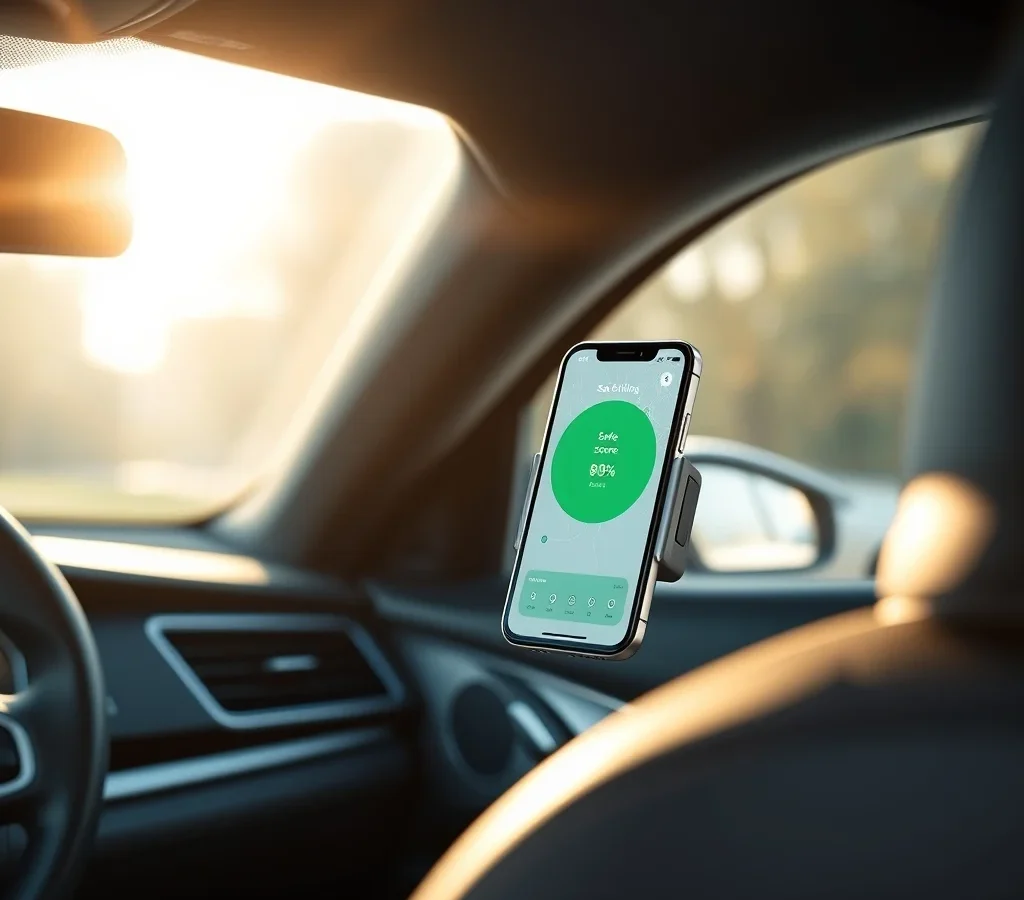
- Mobile Apps: Most modern insurance companies utilize a dedicated smartphone app. The app uses your phone’s GPS, accelerometer, and gyroscope to monitor your driving metrics automatically whenever the vehicle is in motion.
- Plug-In Devices: Some insurers provide a small telematics device that plugs directly into your car’s OBD-II port (usually located under the dashboard). This device reads data directly from the vehicle’s computer.
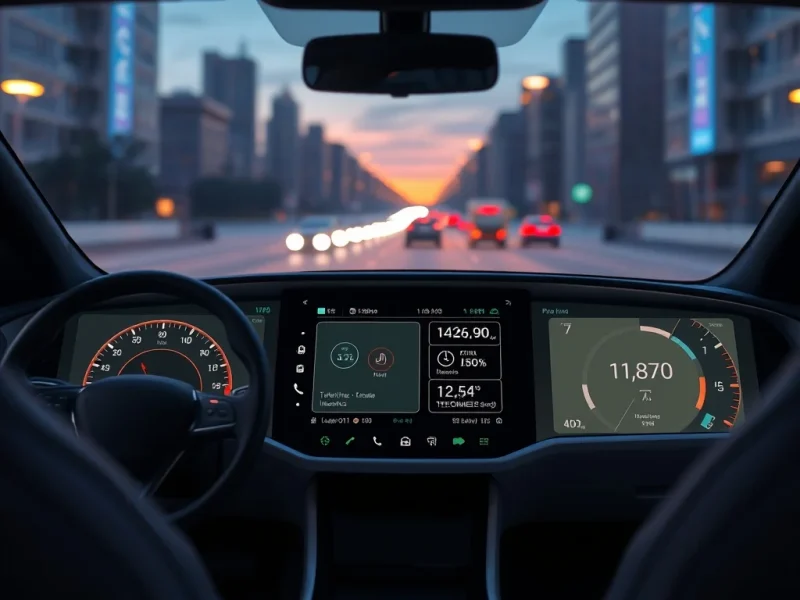
- Built-In Systems: Newer vehicles with connected-car technology (such as OnStar or integrated manufacturer systems) can transmit driving data directly to the insurance company without requiring external hardware or apps.
Regardless of the collection method, telematics programs typically track a specific set of driving metrics to determine your overall safety score. These metrics include:
- Braking habits: Frequent hard braking is one of the most heavily weighted indicators of risky driving behavior, often suggesting tailgating or distracted driving.
- Acceleration: Rapid, aggressive acceleration indicates high-risk driving and is flagged by telematics systems.
- Speeding: Consistently driving above speed limits or traveling at excessive speeds will negatively impact your driving score.
- Time of day: Driving during high-risk hours, such as between midnight and 4:00 AM when fatigue-related accidents are more common, can lower your score.
- Mileage: The less time you spend on the road, the lower your statistical likelihood of getting into an accident.
Comparing Insurance Models
To help you understand how usage-based car insurance fits into the broader insurance landscape, the table below compares the three primary models available to drivers today.
| Feature | Traditional Insurance | Usage-Based (Behavior-Based) | Pay-Per-Mile Insurance |
|---|---|---|---|
| Pricing Basis | Demographics, driving history, ZIP code | Driving behavior, safety score, and mileage | Flat monthly base rate + per-mile fee |
| Technology Required | None | Smartphone app or OBD-II plug-in device | OBD-II device or odometer photos |
| Best For | High-mileage drivers with average habits | Safe drivers, cautious commuters | Low-mileage drivers, remote workers |
| Discount Potential | Standard discounts (bundling, paperless) | Up to 30% to 40% off base premiums | Highly variable; based strictly on miles driven |
| Risk of Rate Increase | Low (unless you get a ticket or file a claim) | Moderate (some insurers surcharge poor drivers) | None (rate is fixed per mile regardless of behavior) |
The Pros and Cons of Usage-Based Insurance
While the prospect of saving money is appealing, usage-based car insurance is not a perfect fit for every driver. It is important to weigh the advantages against the potential drawbacks before signing up.
The Advantages
- Significant Cost Savings: Safe drivers can secure discounts ranging from 10% to 40% off their premiums, making it one of the most effective ways to lower insurance costs.
- Encourages Safer Driving: Knowing that your behavior is being monitored encourages more mindful driving habits, such as maintaining safe following distances and avoiding phone use while driving.
- Accurate Risk Assessment: Drivers who are traditionally penalized by demographic factors, such as young drivers or those with minor past infractions, can prove their safety in real-time to earn lower rates.
The Disadvantages
- Privacy Concerns: Telematics programs track your location, driving routes, and schedule. For many drivers, sharing this level of personal data with a corporation is a dealbreaker.
- Potential Rate Surcharges: While some insurers promise they will only use telematics data to apply discounts, others reserve the right to raise your premiums if the data reveals aggressive driving habits.
- App and Technology Glitches: Mobile tracking apps can occasionally misinterpret riding as a passenger in a bus, train, or rideshare vehicle as personal driving, requiring manual correction.
Popular Usage-Based Insurance Programs
Most major national insurance carriers now offer some form of usage-based car insurance. Here is a brief overview of some of the most prominent programs on the market:
- Progressive Snapshot: One of the pioneers of telematics, Snapshot offers an initial signup discount and tracks driving habits via an app or plug-in device. Progressive notes that high-risk drivers may see their rates increase under this program.
- State Farm Drive Safe & Save: State Farm offers a discount just for signing up and uses smartphone technology to track driving. Safe drivers can earn discounts of up to 30%, and State Farm does not increase rates for poor driving behavior under this program.
- Allstate Drivewise: Drivewise monitors speed, braking, and driving hours. Users can earn cash back or premium credits every six months for maintaining safe driving habits.
- Nationwide SmartRide: Nationwide offers an instant 10% discount for enrolling, with the potential to earn up to a 40% final discount. Crucially, SmartRide is a “discount-only” program, meaning your rates will not go up if you perform poorly.
Common Mistakes to Avoid
If you decide to enroll in a usage-based insurance program, avoid these common pitfalls to ensure you secure the maximum possible discount:
- Ignoring passenger trips: If you are a passenger in a friend’s car, a taxi, or a bus, the app may record the trip as your own driving. Check your app regularly to classify these trips correctly.
- Driving during late-night hours: Avoid driving between midnight and 4:00 AM whenever possible. Telematics algorithms view late-night driving as highly risky due to increased rates of fatigue and impaired drivers on the road.
- Slamming on the brakes: While stopping suddenly is sometimes necessary to avoid an accident, frequent hard braking is the number one cause of reduced telematics scores. Maintain a safe following distance to avoid sudden stops.
- Using your phone while driving: Many modern telematics apps detect phone movement and screen interaction while the vehicle is moving. Hands-free calls may still be flagged, so keep phone interaction to an absolute minimum.
Expert Tips to Maximize Your Savings
- Research the surcharge policy: Before enrolling, ask the insurer explicitly whether poor driving data can result in a rate increase. If you are hesitant about your driving score, choose a “discount-only” program.
- Test your habits first: Many telematics apps allow you to view your driving data in real-time. Use the monitoring period as a coaching tool to actively smooth out your acceleration and braking patterns.
- Combine telematics with other discounts: To maximize your savings, bundle your usage-based auto policy with renters or homeowners insurance, and opt for paperless billing and automatic payments.
Frequently Asked Questions
What is usage-based car insurance?
Usage-based car insurance is a policy type that calculates your premium based on your actual driving behavior, including habits like braking, acceleration, speed, and overall mileage, tracked via smart technology.
Can usage-based insurance actually raise my rates?
Yes, depending on the insurance carrier. While some companies promise only to offer discounts, other insurers like Progressive reserve the right to increase premiums for drivers who exhibit high-risk habits during the tracking period.
What driving behaviors does telematics track?
Telematics technology primarily tracks hard braking, rapid acceleration, high speeds, the time of day you drive, total mileage, and in some cases, active smartphone distraction while the vehicle is in motion.
Does usage-based insurance track my location?
Yes, most mobile-app-based telematics programs utilize your smartphone’s GPS to track your location, routes, and driving speeds. If you have strict privacy concerns, this may not be the right option for you.
Is pay-per-mile the same as usage-based insurance?
Not exactly. While both are under the telematics umbrella, pay-per-mile insurance charges you based strictly on the distance you travel, whereas behavior-based insurance adjusts your rate based on how safely you drive.
How much money can I save with a telematics program?
Most insurance companies advertise potential savings of 10% to 40% off your base premium. The exact discount depends on your safety score and the specific insurer’s program guidelines.
Does the tracking app drain my phone battery?
While modern telematics apps are designed to run efficiently in the background, continuous GPS tracking can cause minor battery drain. Keeping a car charger handy is highly recommended during trips.
Can I opt out of a usage-based insurance program?
Yes, you can opt out of a telematics program at any time. However, doing so will result in the loss of any participation or safe-driving discounts you accumulated during the monitoring period.
Conclusion
Usage-based car insurance is a powerful tool for safe, low-mileage drivers looking to fight back against rising insurance premiums. By allowing technology to verify your safe driving habits, you can bypass generic demographic pricing and secure a rate that reflects your actual risk. However, the trade-off involves sharing your personal location and driving data with your insurer.
If you are comfortable with digital tracking and pride yourself on being a cautious, defensive driver, enrolling in a telematics program is highly likely to save you money. To get started, contact your current insurance provider to see what telematics programs they offer, or compare quotes online to find a carrier that rewards your safe driving habits.