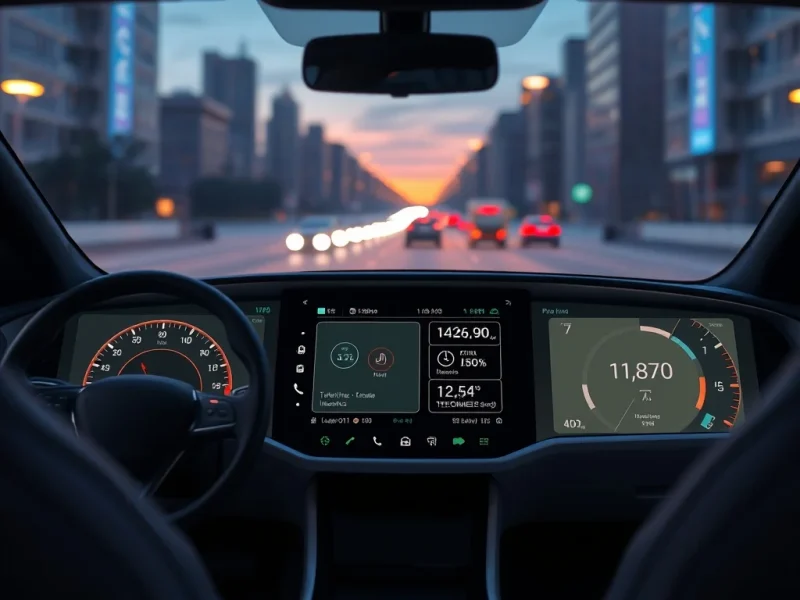
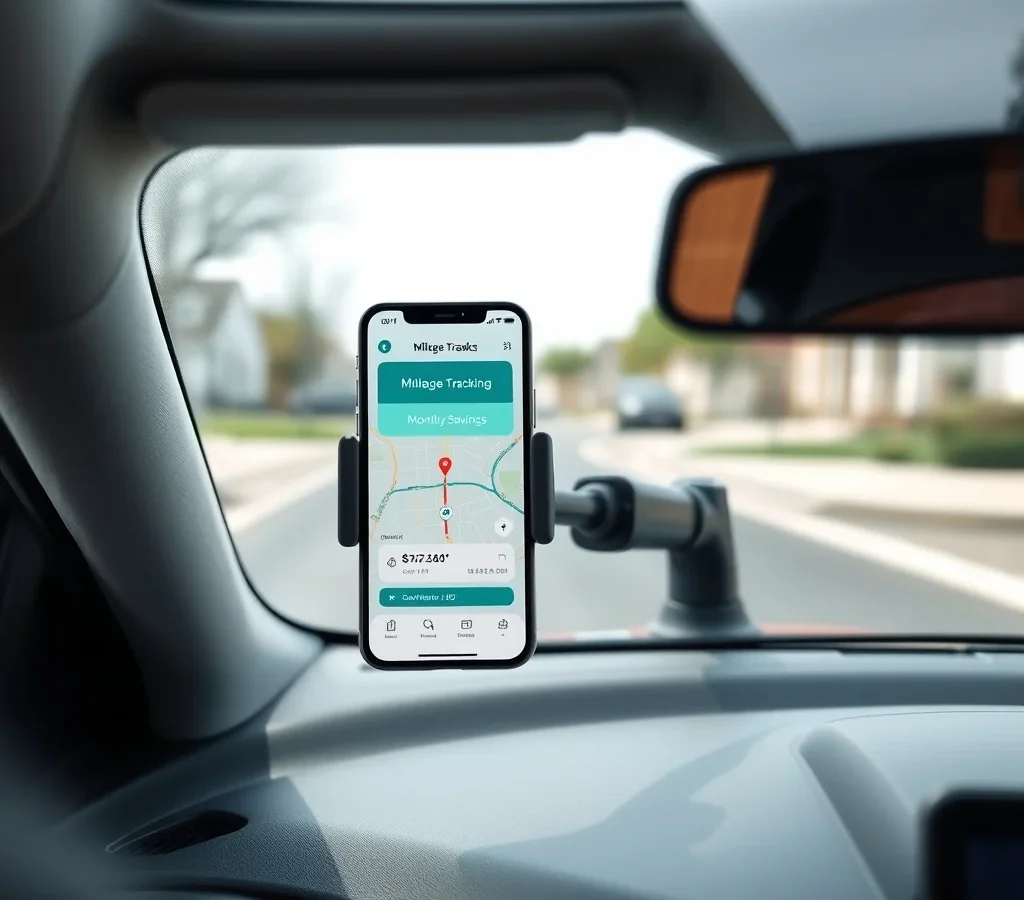

For decades, auto insurance was a static, predictable expense. You paid your monthly or bi-annual premium regardless of whether your vehicle sat safely in a garage or logged thousands of miles on congested interstates. However, the rise of remote work, urban transit options, and advanced vehicle tracking technology has disrupted this traditional model. Today, pay-per-mile car insurance offers a highly personalized, dynamic alternative for drivers who want their premiums to reflect their actual road time.
If you find yourself driving significantly less than the average motorist, this modern insurance model could dramatically reduce your monthly expenses. But how does it work, and is it truly the best financial option for your specific lifestyle? This comprehensive guide explores the mechanics of pay-per-mile policies, compares them to traditional coverage, and helps you determine if making the switch is the right move for your wallet.
What Is Pay-Per-Mile Car Insurance?
Pay-per-mile car insurance, also known as usage-based insurance (UBI) or pay-as-you-go insurance, is a policy structure where your premium is directly tied to the number of miles you drive. Instead of paying a flat rate determined solely by demographic factors, driving history, and vehicle type, your monthly bill fluctuates based on your actual vehicle usage.
This coverage is not a stripped-down insurance product. It offers the exact same protection options as traditional policies, including liability, collision, comprehensive, uninsured motorist, and personal injury protection. The only fundamental difference is how the insurance company calculates your premium.
How the Pricing Model Works
The pricing structure of a pay-per-mile policy is remarkably straightforward. It consists of two primary components:
- The Base Rate: This is a flat monthly fee that remains constant regardless of how much you drive. It covers the risk of your car being damaged, stolen, or vandalized while parked. The base rate is calculated using traditional factors such as your age, driving record, credit history, location, and vehicle type.
- The Per-Mile Rate: This is a fixed cost charged for every mile you drive during the billing cycle. For example, your rate might be set at 6 cents per mile.
To understand the math, consider this practical scenario. Imagine your policy has a monthly base rate of $30 and a per-mile rate of $0.06. If you drive 400 miles in a given month, your total premium for that month would be calculated as follows:
$30 (Base Rate) + (400 miles x $0.06) = $54.00
If you go on vacation the next month and only drive 100 miles, your premium drops to $36.00. This direct control over your monthly expenses is the primary appeal of the pay-per-mile model.
Pay-Per-Mile vs. Traditional Car Insurance
To help you visualize how these two insurance structures compare, review the comparison table below:
| Feature | Pay-Per-Mile Insurance | Traditional Insurance |
|---|---|---|
| Pricing Structure | Low monthly base rate + variable per-mile fee | Fixed monthly or semi-annual premium |
| Mileage Tracking | Required (via OBD-II device or mobile app) | Estimated annually at signup/renewal |
| Ideal For | Low-mileage drivers, remote workers, retirees | Daily long-distance commuters, road-trippers |
| Cost Predictability | Fluctuates monthly based on driving habits | Highly predictable and consistent |
| Privacy Level | Requires sharing location/mileage data | High privacy; no active tracking required |
Who Benefits Most from Pay-As-You-Go Policies?
While pay-per-mile insurance is an excellent tool for saving money, it is not a one-size-fits-all solution. According to data from the Federal Highway Administration (FHWA), the average American motorist drives approximately 14,263 miles per year. If your annual mileage is close to or above this average, a pay-per-mile policy will likely cost you more than a traditional policy.
However, if you fall into one of the following categories, you are an ideal candidate for substantial savings:
- Remote and Hybrid Workers: If your commute has been replaced by a short walk to your home office, your vehicle is likely spending most of its time in the driveway.
- Retirees: Seniors who no longer commute daily often see their annual mileage drop significantly.
- Public Transit Commuters: City dwellers who rely on trains, subways, or buses for their daily commute and only use their personal vehicles for weekend errands.
- College Students: Students who leave their cars parked on campus for weeks at a time can save hundreds of dollars a year.
- Multi-Vehicle Households: Families with a secondary vehicle that is rarely driven can convert that vehicle’s policy to save on overall household insurance costs.
Potential Drawbacks of Pay-Per-Mile Coverage
Before making the switch, it is vital to weigh the potential disadvantages of this model. First, there is the issue of privacy. To track your mileage, insurance companies require you to plug a small telematics device into your car’s OBD-II port or download a proprietary mobile app that tracks your location via GPS. If you are uncomfortable sharing your real-time driving data with a corporation, this model may not be suitable for you.
Second, cost predictability can be a challenge. If you have an unexpected emergency or take an unplanned long-distance road trip, your insurance bill for that month could spike significantly. While most companies implement a daily mileage cap (often charging you for a maximum of 150 miles per day), a long trip can still temporarily erase your accumulated savings.
Expert Tips for Maximizing Savings
If you decide to transition to a pay-per-mile policy, keep these professional tips in mind to ensure you get the absolute most value out of your coverage:
- Audit Your Current Mileage: Before signing up, track your actual mileage for a month or review your vehicle’s service records to calculate an accurate annual average. Do not rely on guesses.
- Understand the Daily Cap: Always ask potential insurers about their daily mileage limit. This protects you from excessive charges on the occasional long drive.
- Combine with Safe Driving Discounts: Some pay-per-mile programs also monitor driving behaviors like braking, acceleration, and speed. If you are a safe driver, you can stack these behavioral discounts on top of your mileage savings.
- Keep Your Tracking Device Connected: Unplugging your tracking device or disabling your app’s location services can result in penalties, rate increases, or even policy cancellation.
Common Mistakes to Avoid
Transitioning to a new insurance model can sometimes lead to costly missteps. Avoid these five common errors:
- Failing to compare the base rates: A low per-mile fee can be offset by an exceptionally high monthly base rate. Always calculate the total projected cost.
- Assuming all household vehicles should switch: If one car in your household is used for long commutes, keep it on a traditional policy while moving the low-mileage vehicle to pay-per-mile.
- Neglecting to update your policy when lifestyle changes occur: If you accept a new job with a long daily commute, notify your insurer immediately to evaluate if traditional coverage has become more cost-effective.
- Disregarding privacy settings: Make sure you understand exactly what data your insurer is collecting, how it is stored, and whether they share it with third parties.
- Forgetting to account for seasonal driving: If you drive significantly more during the summer months, budget ahead for higher premium payments during those seasons.
Frequently Asked Questions
How does pay-per-mile insurance track my mileage?
Insurers track your mileage using a small telematics device that plugs directly into your car’s OBD-II port (usually located under the steering wheel) or through a mobile application on your smartphone. Some modern connected vehicles can transmit mileage data directly to the insurer without additional hardware.
Will my rates go up if I go on a long road trip?
Your monthly premium will increase during a month with a road trip, but most pay-per-mile insurers implement a daily mileage cap. This means you will not be charged for any miles driven beyond a certain limit (typically 150 to 250 miles) in a single day, protecting you from extreme bills.
Is pay-per-mile insurance the same as telematics insurance?
Pay-per-mile is a specific type of telematics insurance. While general telematics insurance monitors how you drive (such as braking, speed, and cornering), pay-per-mile insurance focuses primarily on how much you drive, though some hybrid programs monitor both distance and driving behavior.
How many miles a year makes pay-per-mile worth it?
Generally, if you drive fewer than 10,000 miles per year, you are highly likely to save money with a pay-per-mile policy. If you drive fewer than 8,000 miles per year, the savings can be substantial, often reaching 30% to 50% compared to traditional policies.
Does pay-per-mile insurance cover accidents when parked?
Yes. Your flat monthly base rate covers risks associated with your car while it is parked, including theft, vandalism, weather damage, and accidents where another vehicle hits your parked car, provided you have comprehensive and collision coverage on your policy.
Can bad driving habits increase my pay-per-mile rates?
It depends on the specific program. Pure pay-per-mile programs only charge you based on distance. However, many insurers use hybrid systems that adjust your per-mile rate or base rate depending on driving behaviors like hard braking, speeding, or late-night driving.
Are there mileage limits on pay-per-mile plans?
No, there are no limits on how much you are allowed to drive. You can drive as much as you want, but your monthly premium will rise accordingly because you pay for every mile logged up to the daily cap.
Can I get full coverage with a pay-per-mile policy?
Absolutely. Pay-per-mile insurance is not a lesser form of insurance. You can customize your policy to include full coverage, including high liability limits, collision, comprehensive, roadside assistance, and rental car reimbursement.
Conclusion
Pay-per-mile car insurance represents a major shift toward consumer-centric pricing in the auto insurance industry. By aligning your premium directly with your actual time on the road, this model rewards low-mileage drivers with significant, tangible savings. If your vehicle spends more time parked than driving, it is highly recommended to audit your mileage, gather quotes, and see how much you could save by switching to a pay-as-you-go plan.
Are you ready to take control of your auto insurance expenses? Start by tracking your weekly mileage and comparing pay-per-mile quotes from top-rated providers in your area today to find the perfect fit for your lifestyle.