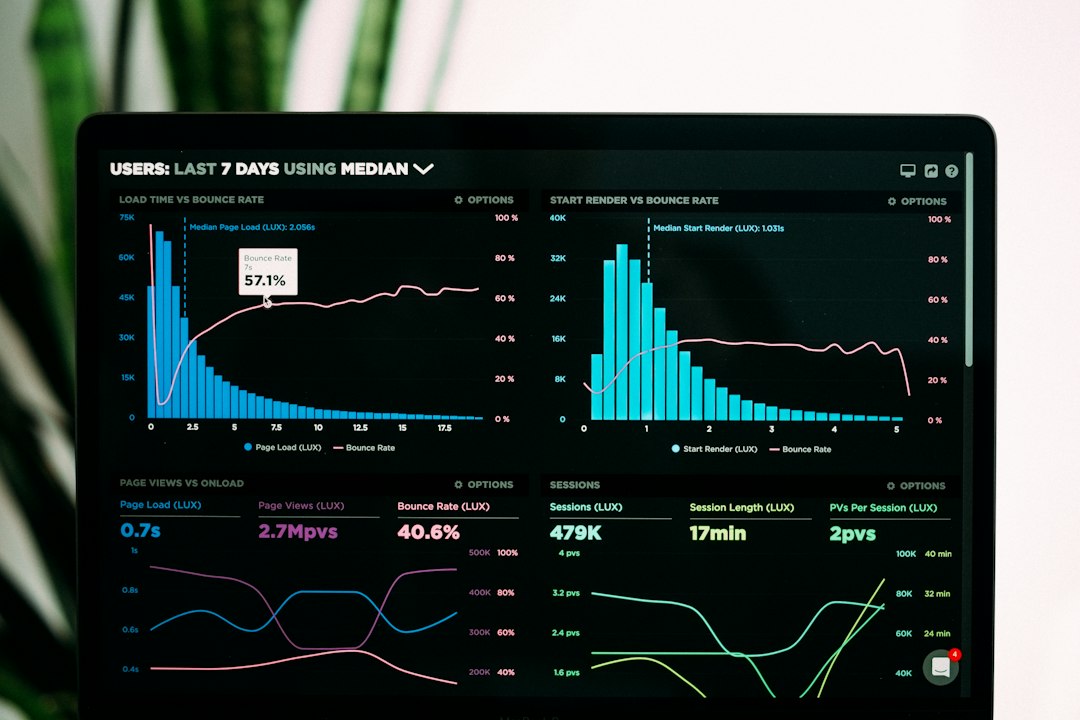

User experience and search engine rankings depend heavily on page speed, visual stability, and interactivity. Google introduced Core Web Vitals to quantify how real users experience the speed and usability of a web page. Failing to meet these performance thresholds can lead to lower search visibility and reduced user engagement.
Optimizing these performance metrics requires a systematic approach to identifying bottlenecks, refining codebases, and streamlining resource delivery. This guide explores actionable strategies to improve your site’s core performance metrics without sacrificing design or functionality.
Understanding the Three Core Web Vitals Metrics
Before implementing fixes, you must understand what each metric measures and why it matters to your visitors.
- Наибольшая контентная отрисовка (LCP): Measures perceived load speed and marks the point when the page’s main content has likely loaded.
- Взаимодействие с следующим рендером (INP): Measures responsiveness by assessing how long it takes for a page to respond to user interactions like clicks and taps.
- Совокупный сдвиг макета (CLS): Measures visual stability by quantifying unexpected layout shifts during the loading phase.
Optimizing Largest Contentful Paint (LCP)
LCP is often hindered by slow server response times, render-blocking JavaScript and CSS, and slow resource load times. Improving your LCP score requires addressing these foundational elements.
Server and Resource Optimization
Start by upgrading your hosting infrastructure or utilizing a reliable Content Delivery Network (CDN) to reduce Time to First Byte (TTFB). Compressing images using next-gen formats like WebP or AVIF and implementing proper lazy loading ensures that heavy assets do not delay the rendering of critical above-the-fold content.
Eliminating Render-Blocking Resources
Critical CSS should be inlined in the document head, while non-critical stylesheets and JavaScript files should be deferred or loaded asynchronously. This allows the browser to render the page content much faster.
Улучшение взаимодействия со следующим заливом (INP)
INP replaced First Input Delay (FID) as a core metric, providing a more comprehensive measure of page responsiveness across the entire lifespan of a page visit.
Breaking Up Long Tasks
JavaScript execution is often the primary culprit behind poor responsiveness. Browsers execute scripts on a single main thread, meaning long-running scripts block user input. Break up tasks exceeding 50 milliseconds into smaller, asynchronous operations using APIs like setTimeout или requestIdleCallback.
Минимизация накопительного смещения раскладки (CLS)
Unexpected shifts frustrate users, often leading them to click the wrong elements. CLS typically occurs when images, ads, or dynamic content load without explicit dimensions.
Reserving Space for Dynamic Elements
Всегда указывайте явные width и height attribute values on image and video elements. For dynamic content containers or ads, reserve structural space using CSS aspect-ratio properties to prevent content from jumping when assets finally load.
| Метрика | Target Good Threshold | Common Cause | Primary Fix |
|---|---|---|---|
| LCP | Менее 2.5 секунд | Slow server response, large images | CDN, image optimization, caching |
| INP | Менее 200 миллисекунд | Heavy JavaScript execution | Code splitting, task breakup |
| CLS | Under 0.1 | Unsized images, injected banners | Explicit dimensions, CSS aspect-ratio |
Советы экспертов
- Prioritize optimizing mobile performance, as Google evaluates Core Web Vitals primarily through mobile emulation.
- Monitor field data from the Chrome User Experience Report (CrUX) rather than relying solely on lab data.
- Test performance on mid-tier mobile devices rather than high-end development machines.
- Implement modern caching policies to reduce repeat-visit load times significantly.
Распространенные ошибки, которых следует избегать
- Ignoring layout shifts caused by late-loading web fonts.
- Loading heavy third-party tracking scripts synchronously in the head section.
- Failing to monitor real-user monitoring (RUM) data alongside synthetic tests.
- Treating optimization as a one-time task instead of an ongoing maintenance workflow.
Часто задаваемые вопросы
Что такое Core Web Vitals?
Core Web Vitals are a specific subset of factors that Google considers important for a web page’s overall user experience. They consist of LCP, INP, and CLS, focusing on loading speed, interactivity, and visual stability.
How do I measure my site’s Core Web Vitals?
You can measure your performance using free tools such as Google PageSpeed Insights, Lighthouse, Chrome DevTools, and the Google Search Console Core Web Vitals report, which provides real-world field data.
Is INP different from FID?
Yes. While FID only measured the delay of the very first user interaction, INP evaluates the latency of all interactions that occur throughout the user’s entire visit, providing a much more accurate picture of responsiveness.
Why is my LCP so high even with fast hosting?
A high LCP is frequently caused by render-blocking resources, unoptimized hero images, or client-side rendering frameworks that delay the initial HTML payload rendering.
How does CSS affect Cumulative Layout Shift?
CLS is often caused by late-loaded web fonts triggering invisible text swaps (FOIT/FOUT) or dynamic style injections that alter element positions after the initial render.
Does fixing Core Web Vitals guarantee top rankings?
No. While they are confirmed ranking signals and critical for user experience, content quality, relevance, and overall authority remain fundamental components of search engine optimization.
What is a good LCP score?
A Largest Contentful Paint score of 2.5 seconds or less for the majority of page loads is considered good. Scores between 2.6 and 4.0 seconds require improvement.
How often should I audit my performance metrics?
You should review your performance metrics monthly or immediately after deploying significant code updates, design changes, or new third-party plugins.
Заключение
Core Web Vitals optimization is an essential component of modern technical SEO and user experience design. By systematically addressing LCP, INP, and CLS, you create a faster, more reliable web experience that satisfies both human visitors and search engine algorithms. Start by auditing your current performance data, prioritize the most critical fixes, and monitor your progress over time. Begin auditing your website performance today using Google Search Console to identify pages requiring immediate attention.