
The traditional model of pricing auto insurance is undergoing a massive structural shift. For decades, insurance companies calculated premiums using broad demographic risk pools. Your age, zip code, credit score, marital status, and gender determined what you paid. Today, the rise of smart technology has introduced a highly personalized alternative: usage-based car insurance. By leveraging real-time driving data, this modern approach allows drivers to pay premiums that reflect how they actually behave behind the wheel rather than how their demographic peers drive.
As inflation and rising repair costs push standard auto insurance rates to historic highs, finding ways to save money on car insurance has become a top priority for households worldwide. Usage-based car insurance, often referred to as telematics insurance, offers a practical path to lower premiums. If you are a safe driver, a low-mileage commuter, or a remote worker, transitioning to a telematics-based policy could dramatically reduce your monthly expenses.
How Usage-Based Car Insurance Works
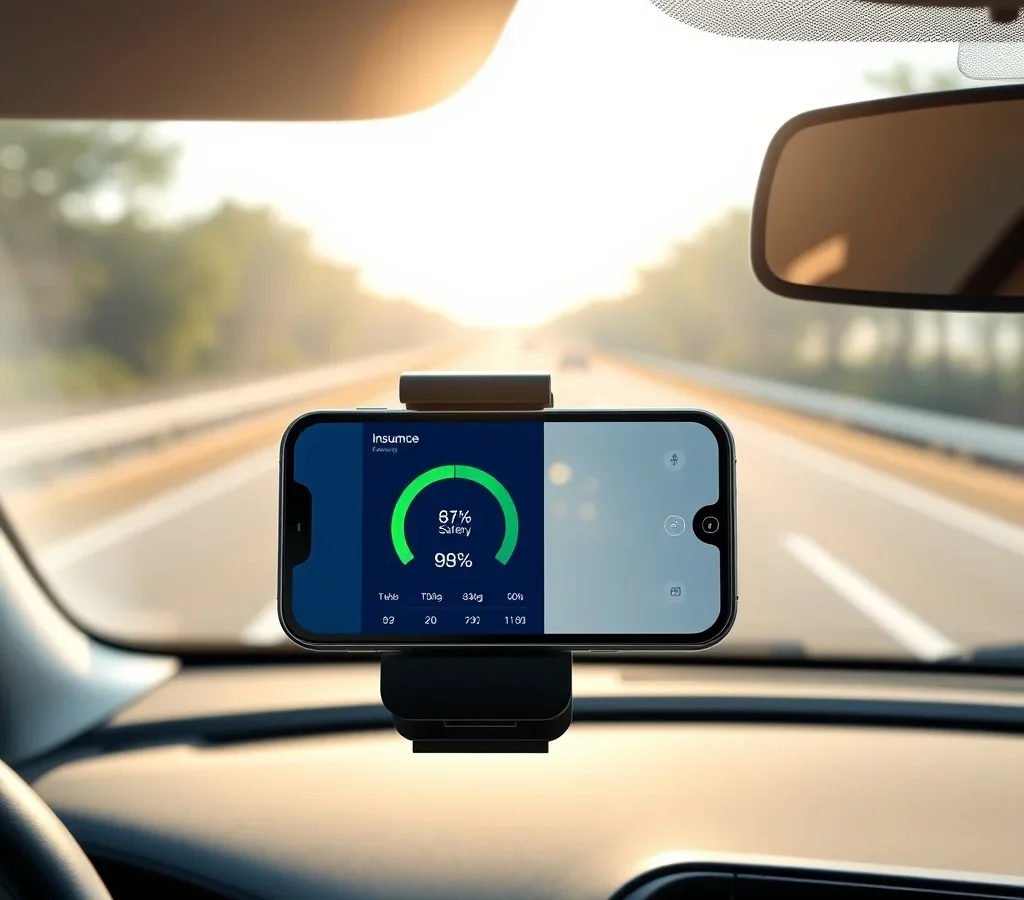
Usage-based car insurance relies on telematics technology to collect and analyze data directly from your vehicle. This data collection happens in one of two ways. Most insurance companies now use a dedicated smartphone application that runs in the background while you drive. Alternatively, some insurers provide a small plug-in device that connects directly to your vehicle OBD-II port, which is typically located underneath your steering column.
The Role of Telematics and Data Transmission
Once active, the telematics system monitors your driving habits in real-time. It uses your phone GPS, accelerometer, and gyroscope to paint a detailed picture of your behavior on the road. This information is securely transmitted to the insurance provider, who uses proprietary algorithms to calculate a safety score. This score is then used to determine your discount or adjust your premium at renewal time.
What Metrics Do Insurers Track?
While every insurance company utilizes a unique algorithm, most telematics programs track a core set of driving metrics to evaluate your risk profile:
- Braking Habits: Frequent, sudden, or hard braking is flagged as a high-risk behavior, indicating tailgating or distracted driving.
- Acceleration Patterns: Rapid acceleration or aggressive launching from stoplights suggests erratic driving behavior.
- Speeding: Consistently driving above the posted speed limit or traveling at high speeds relative to traffic flow negatively impacts your score.
- Cornering: Taking sharp turns at high speeds indicates a lack of vehicle control.
- Time of Day: Driving late at night, particularly between midnight and 4:00 AM, is statistically associated with higher accident rates and will lower your score.
- Total Mileage: The less time you spend on the road, the lower your statistical probability of getting into an accident.
The Different Types of Usage-Based Insurance
Not all usage-based car insurance programs operate the same way. Depending on your lifestyle and driving habits, you will want to choose between two primary structures: Pay-How-You-Drive (PHYD) and Pay-As-You-Drive (PAYD).
Pay-How-You-Drive (PHYD)
This is the most common form of telematics insurance. Under a PHYD program, your premium is directly tied to the quality of your driving. The insurer tracks your behaviors, such as braking, speed, and cornering. Safe driving habits yield substantial discounts, sometimes up to 40% off your standard premium. Conversely, erratic driving can result in nominal discounts or, with some insurers, premium increases.
Pay-As-You-Drive (PAYD) / Pay-Per-Mile
If you do not spend much time on the road, a pay-per-mile program may be the ideal choice. Instead of evaluating your specific driving behaviors, PAYD programs charge a flat daily or monthly base rate plus a set rate per mile driven. If your car sits in the driveway for days at a time, your premium will be remarkably low. This option is highly popular among remote employees, retirees, and urban residents who rely primarily on public transit.
Comparing Your Insurance Options
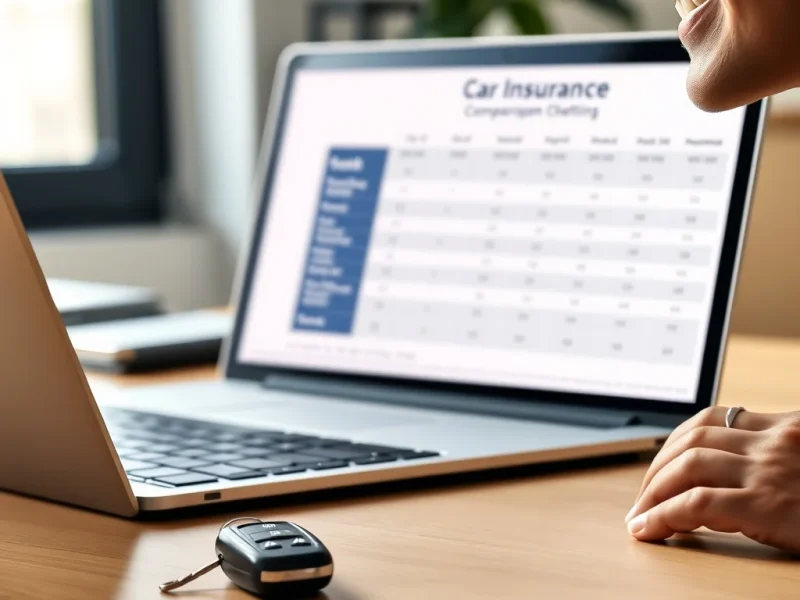
To help you determine which model fits your lifestyle, the table below compares the primary features of traditional, behavior-based, and mileage-based auto insurance policies.
| Feature | Traditional Insurance | Pay-How-You-Drive (PHYD) | Pay-As-You-Drive (PAYD) |
|---|---|---|---|
| Pricing Basis | Demographic risk factors and driving history | Real-time driving safety behaviors | Total mileage driven |
| Tracking Method | None required | Mobile app or OBD-II plug-in | Odometer verification or GPS device |
| Best Suited For | High-mileage drivers, privacy-conscious individuals | Safe drivers with consistent, predictable daily routines | Remote workers, retirees, low-mileage drivers |
| Potential Savings | Standard loyalty and bundling discounts only | Up to 40% discount for safe driving habits | Highly variable; significant savings for low mileage |
| Rate Stability | Highly stable, changes only at renewal | Can fluctuate based on weekly driving performance | Fluctuates monthly based on actual miles driven |
Pros and Cons of Usage-Based Car Insurance
Before enrolling in a telematics program, it is essential to weigh the advantages against the potential drawbacks to ensure it aligns with your expectations and comfort level.
The Benefits: Significant Savings and Safer Roads
The primary advantage of usage-based car insurance is the opportunity for immediate financial relief. According to the National Association of Insurance Commissioners (NAIC), safe drivers can save between 10% and 30% on their premiums by participating in telematics programs. Additionally, many insurers offer an immediate sign-up discount of 5% to 10% simply for enrolling in the program and downloading the app.
Beyond financial savings, telematics programs act as an active safety coach. Many apps provide immediate feedback after each trip, showing you exactly where you braked too hard or accelerated too quickly. This feedback loop encourages drivers to adopt safer habits, leading to fewer accidents and safer roads for everyone.
The Drawbacks: Privacy Concerns and Premium Spikes
The most common objection to usage-based car insurance involves privacy. Sharing continuous GPS location data, driving speeds, and travel times with a massive financial institution makes many consumers uncomfortable. While insurance companies maintain strict data privacy policies, the potential for data sharing with third parties or use in claims investigations remains a valid concern.
Another drawback is the risk of rising rates. While many insurance companies advertise that your premiums will never go up due to poor telematics scores, some major carriers have updated their policies. In certain states, if your telematics data reveals aggressive driving, high speeds, or frequent late-night travel, your insurance premiums can actually increase at renewal time.
Who Benefits Most from Telematics Insurance?
Usage-based car insurance is not a universal solution. It is highly beneficial for specific profiles of drivers who are currently overpaying under the traditional insurance model. Remote workers who have transitioned from a daily commute to working from home stand to save hundreds of dollars annually by switching to a pay-per-mile plan.
Young drivers and students also benefit significantly. Because traditional insurance rates are exceptionally high for drivers under the age of 25 due to a lack of driving history, telematics offers a way to prove individual safety. A young driver who practices safe habits can bypass high demographic rates by demonstrating responsible behavior directly to the insurer.
Common Mistakes to Avoid
- Ignoring the App Settings: Many drivers accidentally disable their phone’s Bluetooth, GPS, or background app refresh, which prevents the telematics app from recording trips and can disqualify them from discounts.
- Allowing Others to Drive Your Vehicle Unmarked: If a friend or family member with aggressive driving habits borrows your car, their poor driving will be logged under your profile unless you manually classify them as a passenger in the app.
- Failing to Understand State-Specific Rules: Surcharges for poor driving behavior are legal in some states but prohibited in others. Understand your local regulations before signing up.
- Commuting During Peak Risk Hours: If your job requires you to drive consistently during rush hour or late at night, a telematics program might penalize you for factors beyond your control.
Expert Tips for Maximizing Your Savings
- Drive Defensively: Increase your following distance to avoid hard braking events. Anticipating traffic stops and slowing down gradually is the easiest way to boost your safety score.
- Limit Late-Night Trips: Whenever possible, avoid driving between midnight and 4:00 AM, as insurers view this window as the highest-risk period for severe accidents.
- Classify Passenger Trips: Review your logged trips weekly. If you were riding in a rideshare, bus, or as a passenger in someone else’s car, make sure to classify those trips correctly in the app so they do not impact your score.
- Combine with Other Discounts: Telematics discounts can often be stacked with other savings opportunities, such as bundling your home and auto insurance, maintaining a clean driving record, or enrolling in paperless billing.
Frequently Asked Questions
What is usage-based car insurance?
Usage-based car insurance is a type of auto insurance policy that calculates your premium based on how you drive and how much you drive. Using telematics technology via a smartphone app or a plug-in device, insurers track real-time metrics such as speed, braking, mileage, and time of day to determine personalized discounts.
How much can I actually save with a telematics program?
Most safe drivers save between 10% and 30% on their premiums, though some top-tier safe drivers can earn discounts of up to 40%. Many insurance companies also offer an instant enrollment discount of 5% to 10% just for signing up and starting the tracking process.
Can my rates go up if I have bad driving habits?
Yes, depending on your insurance carrier and the state you live in. While some insurers promise that your rates will never increase based on telematics data, several major carriers now reserve the right to raise premiums for drivers who consistently engage in high-risk behaviors like speeding and hard braking.
What data do usage-based insurance apps collect?
Telematics apps typically collect data on vehicle speed, acceleration rates, braking intensity, cornering speeds, total mileage, time of day, and GPS location. Some apps also track phone usage while driving to detect distracted driving behaviors.
Is my privacy protected with telematics insurance?
Insurance companies are bound by strict privacy laws and terms of service regarding how they handle your personal data. However, your data may be used to reconstruct accidents during claims investigations, and privacy policies vary by company, so it is crucial to read the fine print before enrolling.
Does usage-based car insurance track location via GPS?
Yes, most usage-based insurance programs use GPS tracking to determine where you drive, the speed limits of the roads you are on, and whether you are driving in high-risk areas. If you prefer not to have your location tracked, a standard traditional policy may be a better fit.
What is the difference between pay-per-mile and pay-how-you-drive?
Pay-per-mile (PAYD) charges you a flat base rate plus a fixed cost per mile driven, making it ideal for low-mileage drivers regardless of behavior. Pay-how-you-drive (PHYD) monitors your actual driving habits, such as braking and speed, to reward safe driving with premium discounts.
Is usage-based insurance a good option for high-risk drivers?
Generally, no. If you have a history of speeding tickets, accidents, or a long daily commute during heavy traffic, telematics tracking may highlight these risks. High-risk drivers are often better off with standard policies while focusing on improving their driving records over time.
As technology continues to advance, the insurance landscape will only become more personalized. Taking control of your auto insurance costs is no longer about waiting for your demographic bracket to change or hoping for a clean record discount after years of waiting. By opting into a usage-based car insurance program, you put yourself in the driver’s seat of your financial future, transforming your daily safe driving habits into direct, tangible savings on your monthly premiums.