
Auto insurance premiums have climbed steadily over the past few years, leaving many drivers searching for practical ways to lower their monthly expenses. Traditional auto insurance policies rely heavily on generalized demographic data, such as your age, zip code, marital status, and credit score, to determine your risk level. However, a modern alternative is rapidly gaining traction: usage-based car insurance.
Usage-based car insurance (UBI) shifts the focus from who you are on paper to how you actually behave behind the wheel. By leveraging telematics technology to track real-time driving habits, insurance companies can offer highly personalized premiums. If you are a safe, low-mileage driver, this model could yield substantial savings. This comprehensive guide details how usage-based insurance works, the technology powering it, the pros and cons, and how to determine if it is the right choice for your lifestyle.
Understanding the Basics of Usage-Based Car Insurance
Usage-based car insurance is a type of auto insurance policy where your premium is directly tied to your driving behavior and vehicle usage. Instead of charging a flat rate based on historical group data, insurers install software or hardware to monitor your driving in real-time. Safe habits and lower mileage are rewarded with discounted rates, while riskier driving patterns may result in higher costs.
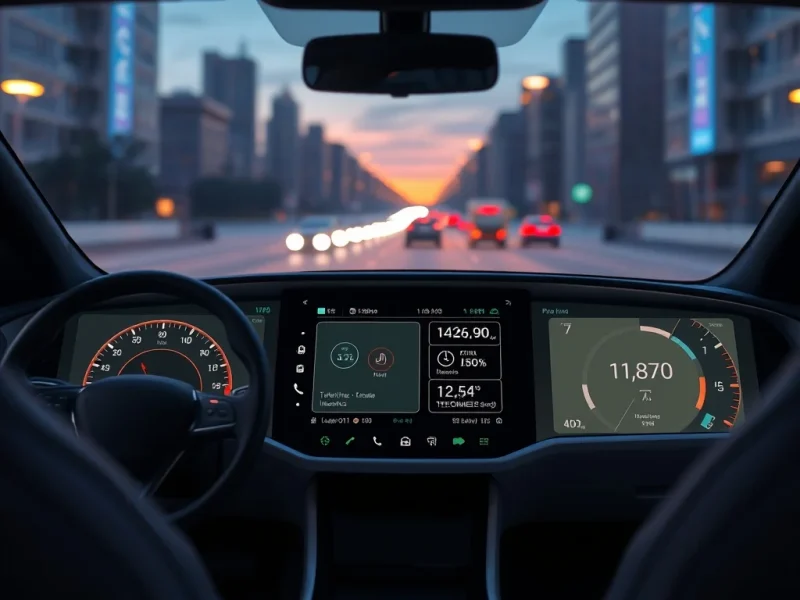
The foundational technology behind UBI is telematics, a method of monitoring cars, trucks, and other assets by using GPS technology and onboard diagnostics. Telematics systems capture various data points, transmit them to the insurance company, and analyze them to paint an accurate picture of your driving habits. This approach allows insurance companies to price policies with unprecedented accuracy, matching premiums to actual risk rather than statistical projections.
How Telematics Tracks Your Driving
To participate in a usage-based insurance program, you must agree to let your insurer track your driving. This tracking is typically facilitated through one of three primary methods:
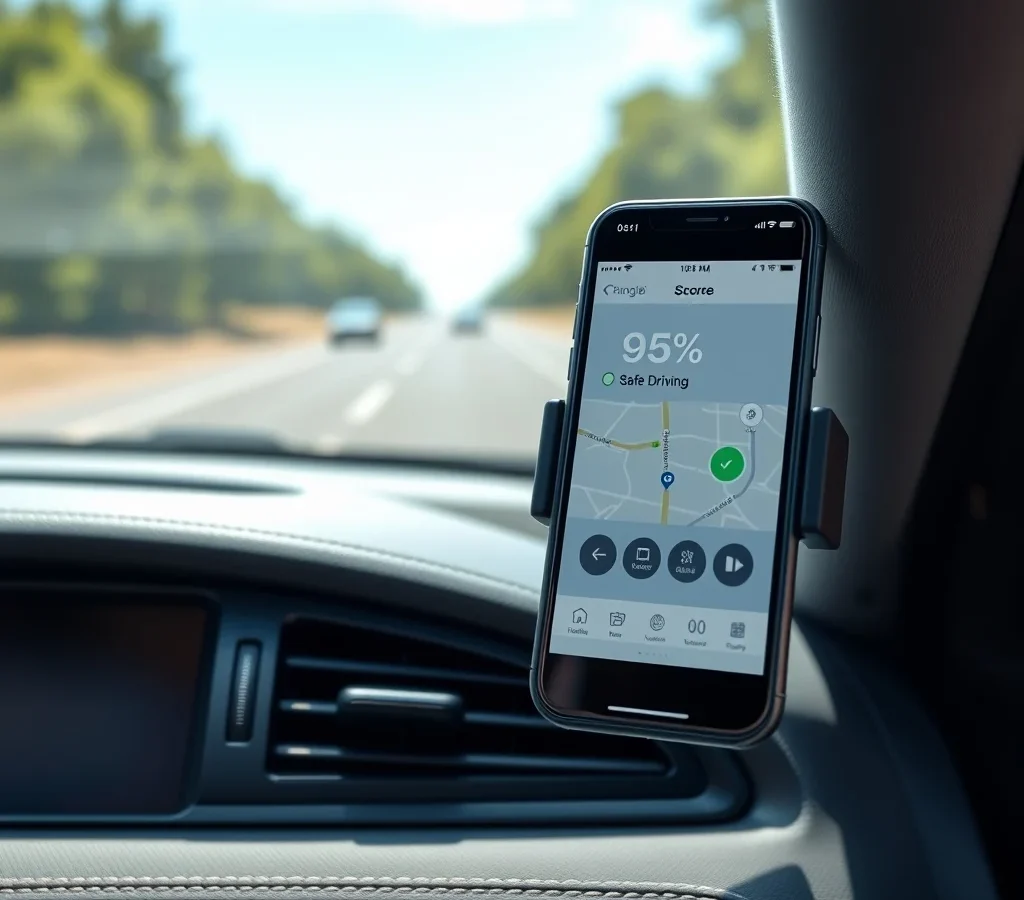
- Mobile Smartphone Applications: Most modern insurers utilize proprietary mobile apps that run in the background of your smartphone. These apps use your phone’s built-in GPS, accelerometer, and gyroscope to monitor driving metrics.
- Plug-In OBD-II Devices: Some companies provide a small physical device that plugs directly into your vehicle’s On-Board Diagnostics (OBD-II) port, usually located under the dashboard. This device reads data directly from your car’s internal computer system.
- Factory-Installed Systems: Many newer vehicle models come equipped with connected-car technology (such as OnStar or Subaru Starlink) that can share driving data directly with insurance companies with the owner’s consent.
Regardless of the tracking method used, telematics programs generally monitor a specific set of driving variables to assess your risk profile:
- Braking Habits: Frequent, sudden, or hard braking is flagged as a key indicator of tailgating or distracted driving.
- Acceleration Rates: Rapid acceleration or “jackrabbit starts” suggest aggressive driving behavior.
- Cornering: Taking sharp turns at high speeds indicates poor vehicle control.
- Speeding: Consistently exceeding speed limits or driving at speeds unsafe for road conditions will negatively impact your score.
- Time of Day: Driving during high-risk hours, typically between midnight and 4:00 AM, increases your risk of accidents due to fatigue or encountering impaired drivers.
- Total Mileage: The fewer miles you drive, the lower your statistical probability of getting into an accident.
Comparing Insurance Models: Traditional vs. Usage-Based
To help you decide which insurance structure fits your needs, the table below compares traditional policies with the two primary forms of usage-based insurance: Pay-How-You-Drive (PHYD) and Pay-As-You-Drive (PAYD).
| Feature | Traditional Insurance | Pay-How-You-Drive (PHYD) | Pay-As-You-Drive (PAYD) |
|---|---|---|---|
| Primary Pricing Factor | Demographics, location, driving record | Real-time driving behavior (braking, speed) | Total miles driven (odometer readings) |
| Tracking Method | None | Mobile app, OBD-II plug-in, or connected car | Odometer self-reporting or telematics device |
| Best Suited For | High-mileage drivers with average habits | Highly cautious, defensive drivers | Low-mileage drivers, remote workers, retirees |
| Potential Savings | Standard discounts (good student, multi-car) | Up to 30% to 40% for exceptionally safe drivers | Significant savings if driving under 10,000 miles/year |
| Risk of Rate Increase | No (unless you get a ticket or file a claim) | Yes, some insurers raise rates for poor driving | Minimal, though exceeding mileage limits increases costs |
The Pros and Cons of Usage-Based Insurance
While the prospect of lower premiums is appealing, usage-based insurance is not a one-size-fits-all solution. Weighing the advantages against the potential drawbacks is essential before enrolling in a telematics program.
The Advantages
- Significant Financial Rewards: Cautious drivers can see their premiums drop by 10% to 40% depending on the carrier and their driving score.
- Encourages Safer Driving: Knowing that your behavior is actively monitored provides a strong incentive to avoid speeding, hard braking, and distracted phone usage.
- Accident Reconstruction and Theft Recovery: Telematics data can help reconstruct accidents to prove you were not at fault. Furthermore, GPS-enabled tracking devices can assist law enforcement in locating stolen vehicles.
- Fairer Pricing for High-Risk Demographics: Young drivers or those with short credit histories can prove they are safe drivers in real-time, bypassing some of the steep premium hikes associated with their demographics.
The Disadvantages
- Privacy Concerns: Many policyholders are uncomfortable sharing continuous, highly detailed GPS and behavioral data with an insurance corporation.
- Potential Rate Surcharges: While many programs only offer discounts, some insurance companies reserve the right to increase your premiums if the data reveals aggressive driving habits or frequent late-night travel.
- System Inaccuracies: Smartphone apps can occasionally misinterpret passenger trips as driving trips, or misidentify sudden defensive maneuvers (such as braking to avoid an animal) as unsafe driving.
Who Benefits Most from Usage-Based Car Insurance?
Usage-based insurance programs deliver the most significant value to specific segments of the driving population. If you fall into one of the following categories, UBI is highly worth considering:
- Remote and Hybrid Workers: If your daily commute has been replaced by a short walk to a home office, a pay-as-you-drive program can drastically lower your overhead.
- Cautious, Defensive Drivers: If you naturally maintain safe following distances, accelerate smoothly, and strictly adhere to speed limits, you are an ideal candidate for pay-how-you-drive discounts.
- Retirees and Seniors: Older adults who no longer commute during rush hour and largely avoid driving late at night can benefit immensely from telematics monitoring.
- Young and Student Drivers: Teenagers face some of the highest insurance rates in the industry. Participating in a UBI program allows them to actively demonstrate safe habits, unlocking discounts that would otherwise take years of clean driving history to achieve.
Expert Tips for Maximizing Your Telematics Savings
If you decide to enroll in a usage-based insurance program, keep these strategic tips in mind to maximize your potential discounts:
- Drive Defensively: Focus on maintaining a wide buffer zone between your vehicle and the car ahead. This minimizes the necessity of hard braking, which is the most common metric that penalizes drivers.
- Plan Your Routes: Whenever possible, avoid routes with heavy stop-and-go traffic, complex intersections, or high speed limits where sudden stops are common.
- Limit Late-Night Driving: Try to minimize trips between midnight and 4:00 AM. If you must travel during these hours, drive with extreme caution to offset the natural risk multiplier associated with late-night driving.
- Review Your App Data Regularly: Most telematics apps provide immediate feedback after each trip. Review this data to identify specific habits you need to adjust, and promptly dispute any trips where you were a passenger rather than the driver.
Common Mistakes to Avoid
- Assuming All UBI Programs Are Risk-Free: Always read the fine print. While some programs guarantee your rates will not go up, others can and will penalize you with surcharges for poor driving behavior.
- Neglecting App Permissions: If your program relies on a smartphone app, failing to keep your location services, motion tracking, and background app refresh active can result in a loss of your discount.
- Failing to Compare Competitors: Do not assume your current insurer’s UBI program is the cheapest option. Different companies use different algorithms to calculate risk; get quotes from multiple carriers.
- Ignoring the Trial Period Requirements: Many insurers offer an introductory discount just for signing up, but you must complete the specified monitoring period (usually 30 to 90 days) to lock in your long-term savings.
Frequently Asked Questions
What is usage-based car insurance?
Usage-based car insurance is a policy model where premiums are calculated based on real-time driving data, such as mileage, speed, braking intensity, and the times of day you drive, rather than relying solely on traditional demographic factors.
Can my rates go up with a telematics program?
It depends on the insurance carrier. While some insurance companies promise that telematics data will only be used to apply discounts, other companies reserve the right to raise your premiums if the data reveals high-risk driving behaviors like excessive speeding or frequent hard braking.
What data does a usage-based insurance app track?
Most UBI apps track vehicle speed, acceleration rates, braking force, cornering G-force, total mileage, phone distraction (screen interaction while driving), and the specific times of day the vehicle is in operation.
Is my privacy protected with usage-based insurance?
Insurers are legally bound by privacy policies regarding how they handle and protect your personal data. However, by enrolling, you do consent to the collection and analysis of your location and driving data. It is crucial to review your insurer’s specific privacy policy to understand how your data is used and whether it is shared with third parties.
How much money can I actually save with UBI?
Savings vary widely by provider and driving performance. Most highly rated, safe drivers save between 10% and 15% initially, with top-tier drivers securing discounts of up to 30% to 40% off their standard premiums.
Does usage-based insurance cover rideshare driving?
Generally, standard personal UBI programs do not cover periods when you are actively driving for a rideshare company like Uber or Lyft. Doing so without a specific commercial or rideshare endorsement can violate your policy terms and potentially lead to a denied claim.
What is the difference between pay-per-mile and pay-how-you-drive?
Pay-per-mile (PAYD) structures your premium primarily around how far you drive, making it ideal for low-mileage drivers regardless of driving style. Pay-how-you-drive (PHYD) focuses on your driving behavior—such as braking, speeding, and acceleration—regardless of the total distance traveled.
Can young drivers benefit from usage-based insurance?
Yes. Because young drivers face exceptionally high premium baselines due to demographic risk pools, a telematics program offers them a direct way to prove their individual safety habits and earn substantial discounts much faster than traditional rate structures allow.
Conclusion
Usage-based car insurance represents a major shift toward personalization and fairness in the auto insurance industry. By allowing your actual driving habits to dictate your premiums, telematics programs put you in control of your insurance costs. While privacy considerations and tracking requirements may not suit every driver, the potential savings make UBI an exceptionally compelling option for safe, low-mileage motorists. To find the best fit for your budget, take the time to compare quotes from multiple providers and choose a program that aligns with your driving habits.
Ready to see how much you can save? Contact your current insurance provider to ask about their telematics options, or compare usage-based quotes online today to find a policy tailored precisely to your lifestyle.