
For decades, auto insurance premiums have been calculated using broad demographic categories. Insurers historically grouped drivers by age, ZIP code, gender, and credit score to estimate how likely they were to get into an accident. This traditional model meant that even if you were an exceptionally cautious driver who only drove a few miles a week, you might still pay the same high rates as someone with a daily long-distance commute and a lead foot.
Today, technology is shifting this dynamic. The rise of usage-based car insurance (UBI) has introduced a personalized approach to coverage. By utilizing telematics technology, insurance companies can now track your actual driving habits in real time. If you drive safely and limit your time on the road, you are rewarded with lower premiums. But how does this technology work, and is it truly the best option for your wallet and your privacy?
What Is Usage-Based Car Insurance?
Usage-Based Car Insurance is a type of auto insurance policy that calculates your premium based on how, when, and how much you drive. Instead of relying solely on historical demographic data, insurers use telematics technology to gather real-time data directly from your vehicle. This allows companies to offer highly customized rates tailored to your individual risk profile.
The concept of UBI is simple: safer, less frequent drivers pose a lower risk to insurance companies, so they should pay less for their coverage. According to industry reports, some drivers can save up to 30% or 40% on their premiums by participating in these programs. This model has gained massive popularity as drivers search for practical ways to combat rising inflation and escalating insurance costs.
How Telematics Technology Tracks Your Driving
To understand usage-based car insurance, you must first understand telematics. Telematics is a method of monitoring an asset, such as a vehicle, by using GPS technology and onboard diagnostics to map its movements. Insurers typically collect this data in one of three ways:
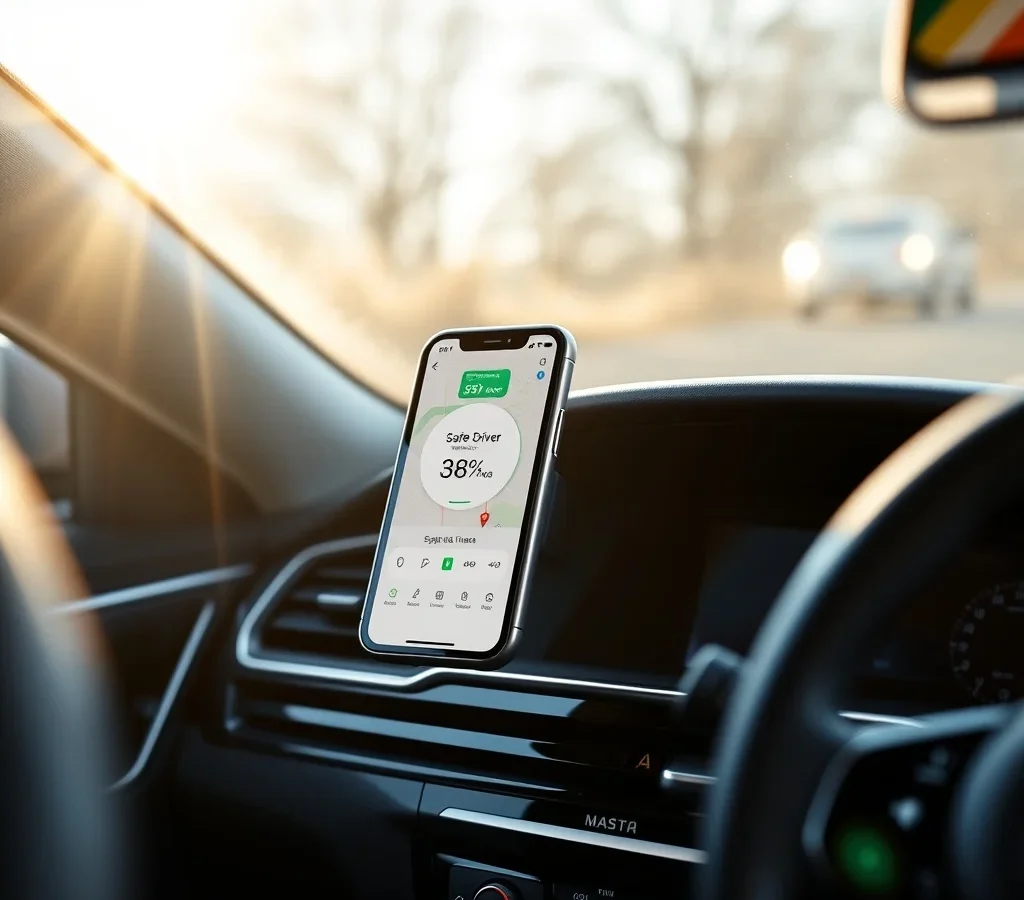
- Mobile Smartphone Apps: Most major insurers now use proprietary smartphone apps that utilize your phone’s built-in GPS, accelerometer, and gyroscope to track your driving habits.
- Plug-In OBD-II Devices: Some programs require you to plug a small device directly into your vehicle’s OBD-II port (usually located under the steering wheel) to transmit data directly to the insurer.
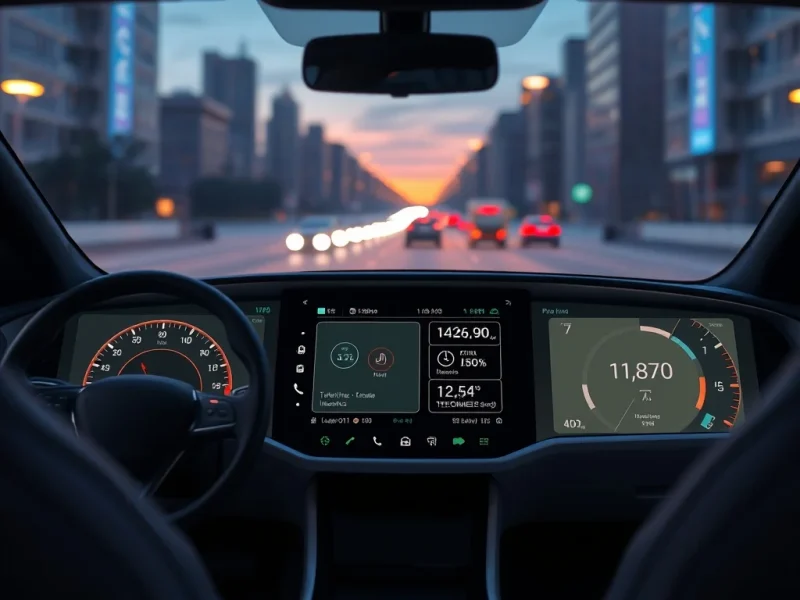
- Built-In Connected Car Systems: Newer vehicles with built-in manufacturer connectivity (like OnStar) can share driving data directly with insurance companies with your consent.
Regardless of the method used, these systems track specific behaviors to determine your safety score. Key metrics include your average speed, how hard you apply the brakes, how rapidly you accelerate, the time of day you drive, and your overall mileage. High-risk behaviors, such as driving late at night or using your phone while driving, can negatively impact your score.
Comparing Traditional, Pay-Per-Mile, and Behavior-Based Insurance
It is important to note that not all usage-based car insurance programs are the same. Some focus strictly on the number of miles you drive, while others evaluate your actual driving behavior. The table below outlines the primary differences between these models.
| Insurance Type | What It Measures | Best For | Primary Benefit |
|---|---|---|---|
| Traditional Insurance | Demographics, driving history, credit score | Average to high-mileage drivers with standard habits | Predictable monthly or semi-annual costs |
| Pay-Per-Mile (Odometer-Based) | Exact distance driven (flat base rate + per-mile fee) | Low-mileage drivers, remote workers, retirees | Extremely low premiums for minimal driving |
| Behavior-Based (Telematics) | Driving habits (braking, speed, phone use, time of day) | Cautious, defensive drivers of any mileage | Discounts based directly on safe driving habits |
The Major Benefits of Usage-Based Car Insurance
The most obvious benefit of enrolling in a telematics program is the potential for significant cost savings. For safe drivers who avoid high-risk habits, the discounts can accumulate quickly. Many insurance companies offer an immediate sign-up discount just for enrolling in their program, which typically ranges from 5% to 10%.
Beyond saving money, usage-based car insurance also encourages safer driving habits. Because many telematics apps provide real-time feedback and weekly driving scores, drivers become more aware of their behaviors. Knowing that a hard braking event or a sudden acceleration could raise your premium acts as an active incentive to drive more defensively. This gamification of road safety ultimately leads to fewer accidents and safer roads for everyone.
Additionally, telematics data can be incredibly useful in the event of an accident. If you need to file a claim, the recorded data can provide an objective, digital reconstruction of the event. This can help prove you were not at fault, speeding up the claims process and protecting you from unfair liability.
Potential Drawbacks and Privacy Concerns
While the benefits are compelling, usage-based car insurance is not without its downsides. The most prominent concern for many consumers is privacy. To calculate your discount, telematics apps must constantly monitor your location, speed, and daily routines. For those who value their digital privacy, sharing this level of personal data with a financial corporation can feel uncomfortable.
Another potential drawback is the risk of rate increases. While many insurers promise that participating in a telematics program will only result in discounts, some companies reserve the right to raise your premiums if the data reveals high-risk driving habits. Frequent hard braking, driving during late-night hours (typically between 12:00 AM and 4:00 AM), or consistently exceeding the speed limit could result in higher rates rather than savings.
The Challenge of Urban Driving
Drivers who live in congested urban environments may find it difficult to maintain a high safety score. In heavy city traffic, sudden stops are often unavoidable due to pedestrians, cyclists, and erratic drivers. Telematics algorithms do not always distinguish between a reckless driver slamming on the brakes and a safe driver stopping suddenly to avoid a hazard. Consequently, city drivers may struggle to qualify for the deepest discounts.
Common Mistakes to Avoid with Telematics Programs
If you decide to try a usage-based car insurance program, avoiding common pitfalls will help you maximize your potential savings. Many drivers make simple mistakes that hurt their scores without realizing it.
- Ignoring Phone Distraction Tracking: Many modern telematics apps track phone usage while the vehicle is in motion. Even picking up your phone at a red light to change a song can be flagged as a distraction, severely lowering your safety score.
- Allowing Others to Drive Your Car Unmonitored: If you let a friend or family member borrow your car, their driving habits will still be logged under your profile. If they drive aggressively, your premium could suffer.
- Failing to Classify Passenger Trips: If you are a passenger in someone else’s car or riding public transit, your phone’s telematics app might mistakenly record the trip as you driving. You must regularly check the app and classify these trips correctly.
Expert Tips for Maximizing Your Safe Driving Discount
To get the absolute most out of your usage-based car insurance policy, you should treat the tracking period with deliberate care. Practice gradual acceleration and decelerate slowly whenever you approach traffic lights or intersections. Keeping a safe following distance from the vehicle in front of you is the easiest way to eliminate the need for sudden, hard braking.
Furthermore, try to limit your driving during high-risk hours. Statistically, more severe accidents occur late at night. If your schedule allows, avoid driving past midnight. Finally, make it a habit to review your driving dashboard weekly. Most apps will pinpoint exactly where and when you had a negative driving event, allowing you to adjust your behavior on those specific routes.
Frequently Asked Questions
Is usage-based car insurance worth it?
For many drivers, yes. If you drive less than 10,000 miles a year, work from home, or consistently practice safe driving habits, usage-based car insurance can offer substantial savings compared to traditional flat-rate policies. However, if you have a long, stressful commute in heavy traffic, the savings may be minimal.
Can my rates go up if I have bad driving habits?
It depends on your insurance provider. Some companies guarantee that your rates will not increase based on telematics data, meaning you can only earn a discount or stay at your base rate. Other insurers, however, may raise your premiums if the data shows consistent speeding, hard braking, or distracted driving.
What data does a telematics device actually collect?
Telematics devices and smartphone apps typically collect data on vehicle speed, acceleration rates, braking intensity, cornering speeds, mileage, time of day, and phone usage. Some systems also track GPS location data to understand the types of roads you travel on.
Does usage-based insurance track my location via GPS?
Yes, most telematics programs utilize GPS to track your location. This helps insurers determine if you are driving on high-risk roads, such as busy highways, or safer residential streets. If you are uncomfortable sharing your location data, UBI may not be the right choice for you.
How much money can I actually save with UBI?
Savings vary widely by insurer and individual driving habits, but most safe drivers save between 10% and 30% off their standard premiums. Some top-tier safe drivers report savings of up to 40%. Most programs also offer an immediate 5% to 10% discount just for signing up.
Is pay-per-mile insurance the same as usage-based insurance?
Pay-per-mile is a specific subtype of usage-based insurance. While behavior-based UBI tracks *how* you drive (braking, speed, etc.), pay-per-mile insurance tracks *how much* you drive. With pay-per-mile, you pay a flat monthly base rate plus a few cents for every mile you actually drive.
Can I opt out of a telematics program if I don’t like it?
Yes, you can opt out of a telematics program at any time. If you decide you do not want your driving tracked, you can contact your insurer to remove the tracking device or delete the app. Your premium will simply revert to the standard, non-discounted rate.
Does usage-based car insurance work for young drivers?
Yes, UBI can be highly beneficial for young drivers. Because teens and young adults face exceptionally high traditional insurance rates due to their age group, demonstrating safe individual driving habits through a telematics program is one of the fastest ways for them to lower their premiums.
As auto insurance rates continue to climb across the country, finding personalized paths to savings is more important than ever. Enrolling in a usage-based car insurance program puts you in control of your financial outcome by directly linking your monthly premium to your actual behavior behind the wheel. If you are comfortable sharing your driving data and consistently practice defensive driving habits, making the switch to a telematics-based policy could be one of the smartest financial moves you make this year. Take the time to compare quotes from various providers, ask about their specific tracking metrics, and see how much your safe habits are truly worth.