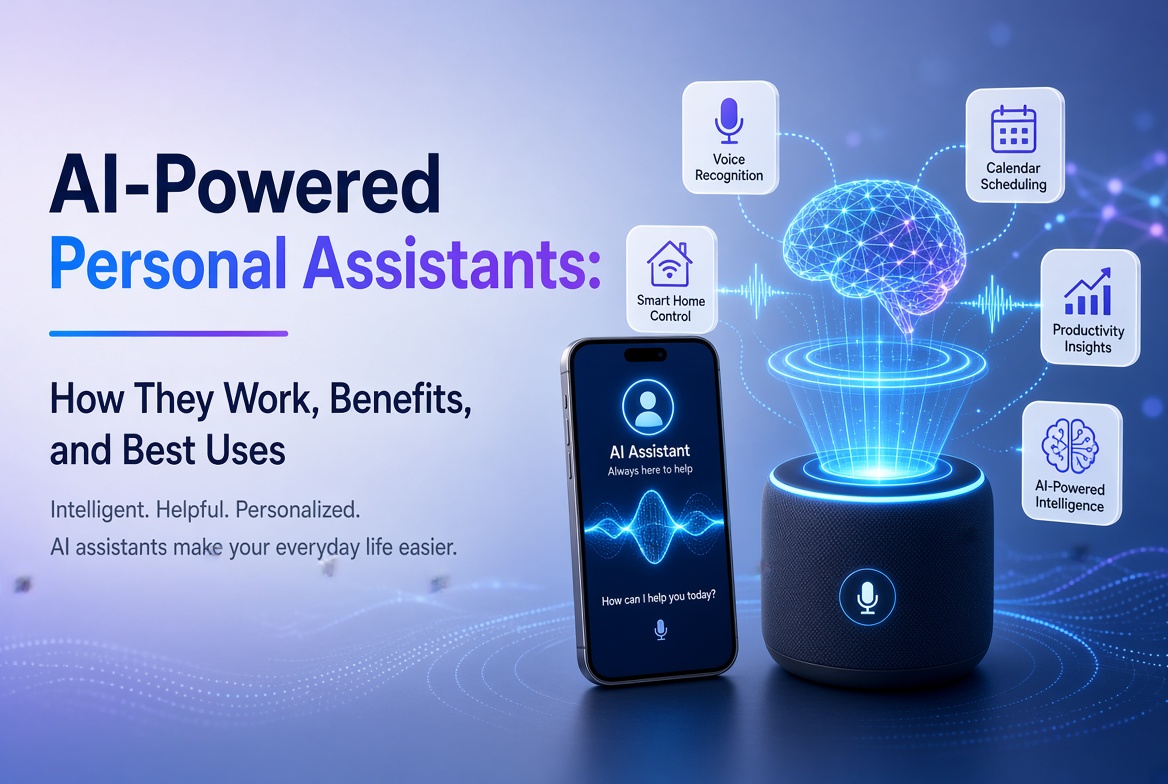
人工智能不再是一个仅限于科幻电影、研究实验室或先进科技公司的未来主义概念。它现在已经成为许多人在不知不觉中使用的日常生活的一部分。从你用面部识别解锁手机的那一刻起,到你向语音助手询问天气,人工智能已经在塑造你的日常生活。它为你使用的应用程序、观看的视频、购买的产品、驾驶的路线以及阅读的信息提供动力。
对许多人来说,人工智能听起来仍然很复杂,但实际上,它已成为现代生活中最实用的技术之一。它有助于节省时间、减少重复性任务、提高便利性并支持更好的决策。与此同时,它也引发了关于隐私、工作、信任和人类创造力的重要问题。理解 人工智能 与日常生活意味着同时看待两个方面:它带来的好处以及它带来的变化。
人工智能在日常生活中的真正含义
人工智能是机器或软件执行通常需要人类智能的任务的能力。这些任务包括理解语言、识别图像、进行预测、从数据中学习以及回答问题。简而言之,人工智能帮助计算机以更聪明、更有用的方式行动。
在日常生活中,人工智能通常隐藏在人们已经使用的工具中。它可能会在Spotify上推荐一首歌、建议短信中的下一个词、过滤电子邮件中的垃圾邮件,或者在谷歌地图上向你展示最快的路线。这些系统从数据中学习模式并使用该信息使其结果更具相关性。
日常生活中的人工智能并非关于机器人接管日常生活。它是关于让普通任务更顺畅、更快、更个性化的无形系统。
智能手机与通信中的人工智能
最能看到人工智能的地方之一是智能手机。你的手机可能会将人工智能用于面部解锁、语音识别、相机增强、自动更正、电池优化和智能建议。当你的相机自动调亮暗光照片或使人像更清晰时,这很可能与人工智能有关。
messaging apps also rely on AI. They can predict what you are trying to type, translate messages, or identify spam and scam attempts. Voice assistants such as Siri, Google Assistant, and Alexa use AI to understand spoken commands and respond with useful information. People use them to set reminders, play music, make calls, control smart devices, or check the news.
This kind of support may seem small, but it adds up. Over time, AI reduces friction in communication and helps people get more done with less effort.
家居中的人工智能
AI is becoming a normal part of home life. Smart speakers can play music, answer questions, or turn on lights. Smart thermostats can learn your temperature preferences and adjust settings automatically. Security cameras can detect movement and send alerts when something unusual happens. Even robot vacuum cleaners use AI to move around rooms more efficiently.
Streaming platforms are another major example. Services like Netflix, YouTube, and Disney+ use AI to recommend shows and videos based on your watching history. Shopping platforms also use AI to recommend items you may want to buy. These personalized suggestions are designed to make the user experience more relevant and engaging.
At home, AI can make life easier, more comfortable, and more efficient. It helps people manage routines, save energy, and enjoy more convenience with less manual effort.
交通与出行中的人工智能
AI is also changing how people move from one place to another. Navigation apps use AI to analyze traffic data, estimate travel times, and suggest better routes. Ride-sharing platforms use algorithms to match drivers and passengers. Some modern cars include AI-powered features like lane assist, adaptive cruise control, parking assistance, and collision warnings.
Travel apps use AI to recommend hotels, find cheaper flights, and predict delays. Language translation tools help travelers communicate in foreign countries. These tools make travel less stressful and more accessible, especially for people who rely on technology to plan efficiently.
As transportation systems become smarter, AI could play an even bigger role in the future, including in self-driving vehicles and intelligent traffic management. For now, its everyday role is already significant.
购物与在线推荐中的人工智能
Online shopping is one of the biggest areas where AI influences everyday decisions. When a website recommends products based on your previous searches, that is AI at work. When customer support chats with you through a bot, AI may be behind the conversation. When a store shows personalized discounts or predicts what item you might need next, AI is helping guide the process.
Retailers use AI to understand customer behavior, manage stock, detect fraud, and improve delivery systems. For shoppers, this can mean faster service and more relevant recommendations. For businesses, it can mean better sales and fewer wasteful operations.
This convenience comes with a trade-off, though. The same systems that make shopping easier also collect data about user behavior. That is why people should pay attention to privacy settings and understand how their data is being used.
工作与生产力中的人工智能
AI is transforming the workplace in nearly every industry. It is helping workers write emails, summarize reports, analyze data, schedule meetings, and automate repetitive tasks. In offices, AI tools can speed up research, improve presentation design, and assist with customer service. In creative fields, AI can help generate ideas, edit content, or produce drafts.
For small business owners and freelancers, AI can be especially useful. It can help with marketing, social media captions, content planning, bookkeeping, and customer support. Tasks that once took hours can now be completed in minutes with the help of AI tools.
Still, AI is not a full replacement for human judgment. It can produce useful drafts and suggestions, but people still need to review, refine, and approve the results. In the workplace, the best use of AI is usually as an assistant, not a total substitute.
教育与学习中的人工智能
Education is another area where AI is becoming increasingly important. Students use AI tools to explain difficult concepts, summarize notes, practice languages, and get writing support. Teachers use AI to prepare lesson plans, grade simpler assignments, and personalize learning materials.
One major benefit of AI in education is accessibility. Students with different learning styles can receive support in ways that fit them better. AI can offer extra explanations, practice questions, and instant feedback. This can make learning more flexible and engaging.
At the same time, schools must handle AI carefully. Students should not rely on it to do their work without understanding the material. Learning should still involve thinking, problem-solving, and creativity. Used wisely, AI can support education without replacing the learning process itself.
健康与养生中的人工智能
AI is also becoming part of health and wellness. Fitness apps use it to track activity, recommend workouts, and analyze habits. Wearable devices can monitor heart rate, sleep patterns, and daily movement. Some health systems use AI to help identify patterns in medical data, support diagnosis, or reduce administrative workload.
For ordinary people, this means better access to health information and more personalized wellness support. AI-powered apps can remind users to drink water, move more often, or stick to a routine. They can help people track progress and make healthier choices over time.
But health-related AI should always be used carefully. It may be helpful for general guidance, but it should not replace professional medical advice when serious issues are involved.
人工智能与社交媒体
Social media platforms depend heavily on AI. Algorithms decide which posts appear on your feed, which videos go viral, and which ads you see. AI also helps detect harmful content, spam, fake accounts, and misinformation.
对用户而言,这创造了高度个性化的体验。你会看到更多符合你兴趣的内容。对创作者和企业而言,AI有助于更高效地将内容推送给目标受众。
然而,社交媒体AI也有其负面影响。它通过向人们展示更多他们已经赞同的内容,从而制造回音室效应。它还通过优化注意力来助长无休止的滚动浏览。这就是数字意识很重要的原因。人们应该明白,他们在网上看到的内容往往是由AI驱动的系统塑造的。
人工智能在日常生活中的优势
AI提供了许多让现代生活更轻松的优势。其中最大的优势包括便利性、速度、个性化和高效性。它帮助人们节省重复性任务的时间,并使服务能够更快速地响应。它还能提高导航、垃圾邮件过滤和数据分析等领域的准确性。
另一个主要优势是无障碍性。AI工具可以通过语音转文字、文字转语音、图像识别和翻译来帮助残疾人。这使得数字体验对更广泛的用户更具包容性。
AI还能以比人类更快的速度处理大量信息,从而支持更好的决策。这在商业、教育、健康、物流和日常规划中非常有用。
人工智能的挑战与风险
尽管AI很有用,但也带来了真正的挑战。其中一个担忧是隐私。许多AI系统依赖于收集和分析数据,这可能让用户对其信息的存储和使用方式感到不安。
另一个担忧是偏见。AI系统从数据中学习,如果数据包含不公平的模式,系统可能会重复这些模式。这可能会影响招聘、贷款、推荐和其他重要决策。
此外还有过度依赖的问题。如果人们盲目信任AI,他们可能会停止仔细核对信息。AI功能强大,但也可能会犯错。它可能会生成不正确的答案、误解语境,甚至在出错时也听起来信心十足。
工作岗位是另一个主要担忧。AI可以自动化某些角色,并减少对某些类型工作的需求。与此同时,它也在AI培训、数据分析、数字战略和提示词设计等领域创造了新的机遇。面临的挑战是帮助工人进行适应。
如何明智地使用人工智能
明智地使用AI意味着把它当作一种工具,而不是权威。最好用它来支持人类的工作,而不是取代人类的思考。人们应该核实重要信息、保护隐私,并时刻注意自己分享了哪些数据。
一些明智的习惯可以提供帮助。在使用AI生成的内容之前对其进行审查。从可靠来源核实事实。调整应用和设备上的隐私设置。小心处理敏感的个人或财务信息。最重要的是,记住AI在人类判断的引导下才能发挥最佳作用。
人工智能在日常生活中的未来
在未来的几年里,AI几乎肯定会变得更加普遍。家庭、手机、汽车、学校、医院和工作场所可能会变得更加智能化和互联化。许多日常任务可能会变得更加自动化,而新型的数字支持将不断涌现。
AI的未来不仅仅关乎技术。它关乎人们选择如何使用它。如果开发得当,AI可以使生活更高效、更具包容性且更富生产力。如果使用不当,它会造成隐私问题、虚假信息和不公平的结果。目标应当是始终以人为本。
结论
AI与日常生活已经紧密相连。即使人们没有注意到,人工智能也在塑造他们的交流、购物、出行、学习、工作和休闲方式。它是我们这个时代最具影响力的技术之一,因为它悄无声息地改善了那么多的日常流程。
需要理解的最重要的事情是,AI不仅仅是一种潮流。它是现代系统运行方式的一次重大转变。随着越来越多的工具变得智能化,人们需要学会如何负责任且自信地使用它们。只要人类保持深思熟虑、见识广博且掌控全局,AI就可以成为日常生活中的强大伙伴。