科技
合成媒体检测:工具与技术
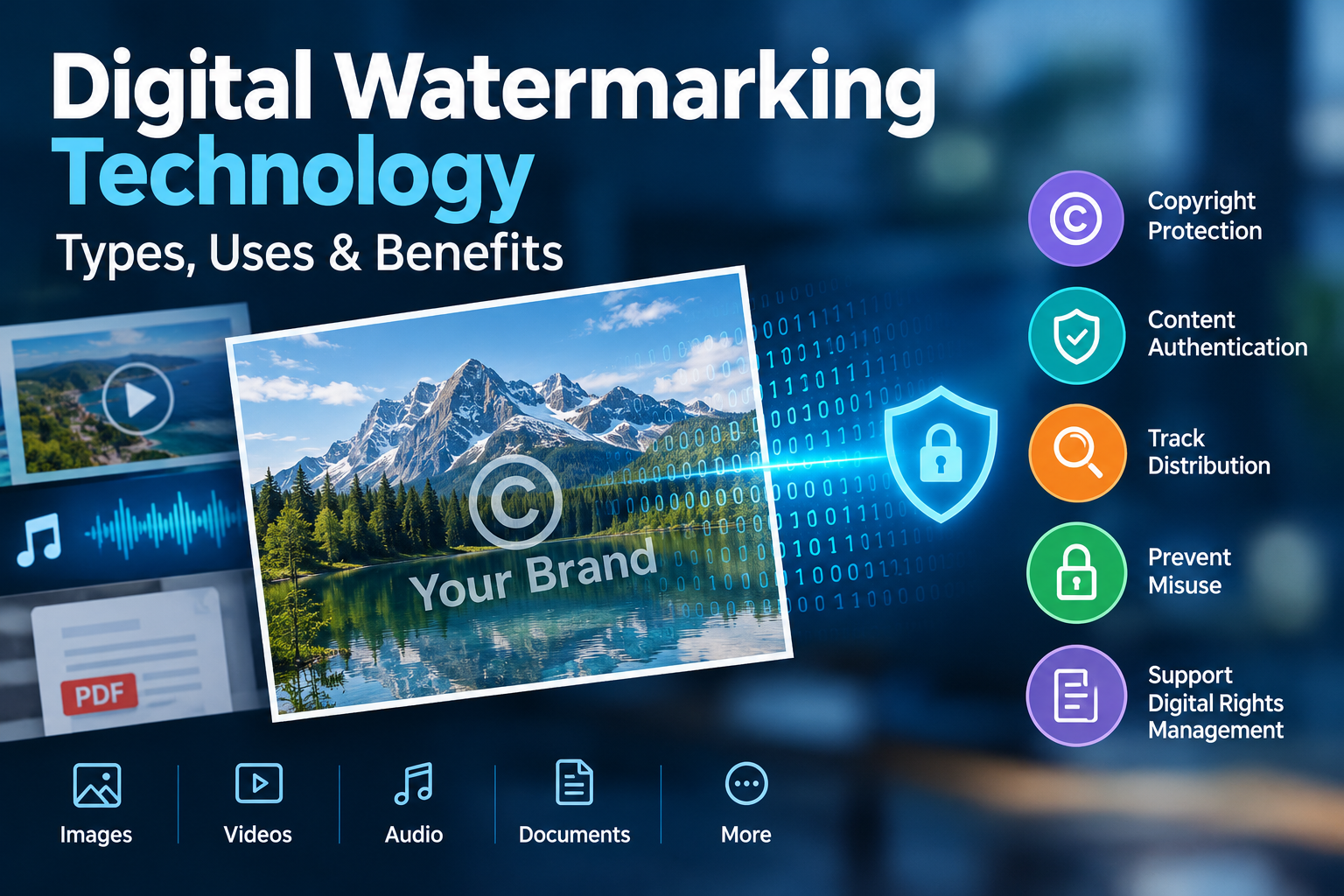
As AI-generated media spreads rapidly, synthetic media detection has become essential for maintaining digital trust. Discover the technologies, challenges, and tools used to verify…
Technology, artificial intelligence, digital innovation, and emerging tech.
As AI-generated media spreads rapidly, synthetic media detection has become essential for maintaining digital trust. Discover the technologies, challenges, and tools used to verify…
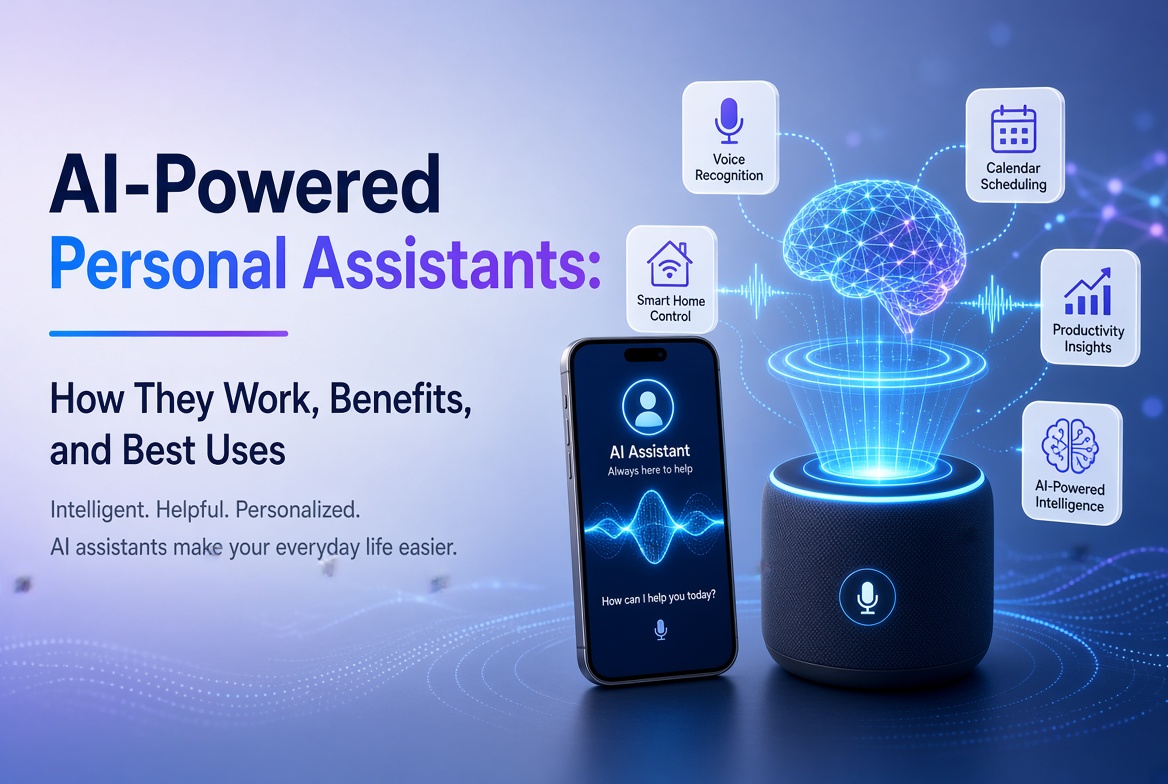
人工智能正在改变人们组织日常活动、管理信息、完成任务和与数字服务互动的方式。最实用的之一…
Passwords and PINs have been used to protect digital accounts for decades. However, people often reuse passwords, forget login details, or fall victim to…
The future of transportation is becoming increasingly connected. Modern vehicles are evolving beyond machines that simply transport people and goods. They are becoming intelligent…
Decentralized identity (DID) is an emerging approach to digital identity management that aims to give individuals and organizations greater control over how they identify…
Digital identity technology is changing how people access online services, verify their identities, protect personal information, and conduct transactions. From opening a bank account…
Collaborative robots (cobots) explained: how human-robot collaboration works, cobot safety, applications, benefits, limitations, AI, and implementation tips.
Learn how Robotic Process Automation (RPA) works, where software robots are used, its benefits, limitations, security considerations, and future with AI.
Learn how Brain-Computer Interfaces (BCIs) work, including EEG and implanted systems, AI decoding, applications, benefits, challenges, privacy, and future trends.
Augmented reality glasses explained: learn how AR wearables use displays, sensors, computer vision and spatial tracking for hands-free digital experiences.
Spatial computing explained: learn how 3D sensing, tracking, computer vision, AR, VR, and mixed reality connect digital information with physical space.
Learn what optical computing is, how light can perform computation, how it differs from photonic computing, its applications, benefits, challenges, and future potential.
Explore photonic computing, how optical signals process information, its potential for AI and high-speed computing, and the engineering challenges that remain.
Learn how energy-efficient computing reduces power consumption through efficient hardware, software, data centers, workload optimization, and smarter system design.
Learn what Green Software Engineering means, why software efficiency matters, and how developers can reduce energy, carbon, and resource use across the software lifecycle.
Learn what FinOps is, how cloud cost management works, its core principles, common practices, tools, benefits, and mistakes to avoid.
Learn how eBPF technology extends the Linux kernel safely and dynamically for observability, networking, security, performance monitoring, and modern cloud systems.
Application observability is the practice of collecting and analyzing telemetry to understand what an application is doing, why it is behaving a certain way,…