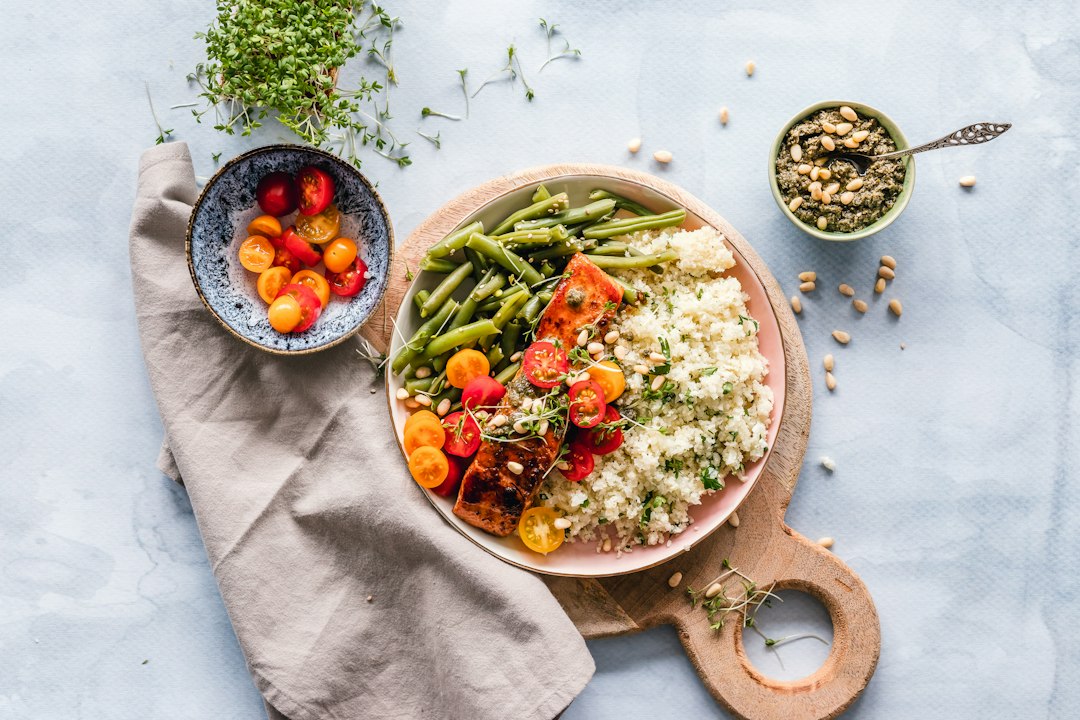
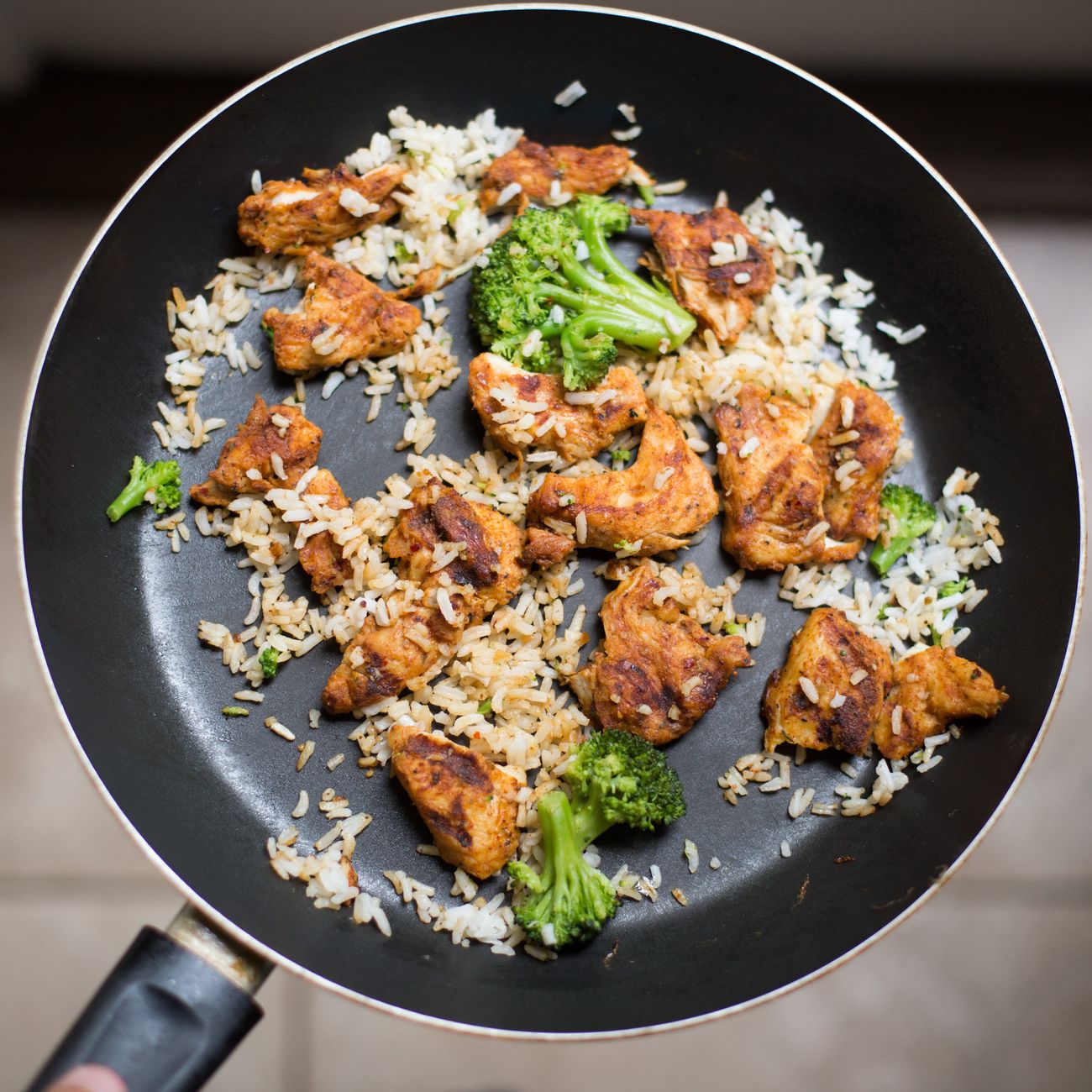
尼日利亚菜是非洲最具多样性的饮食传统之一。全国范围内,本地食材、烹饪技巧、移民、贸易和文化庆祝活动造就了一系列引人注目的菜肴。从烟熏suya和辣椒汤到jollof rice、捣山药、egusi汤、moi moi及地方特色,尼日利亚美食提供的不仅仅是单一的国家菜单。
对于美食爱好者来说,探索尼日利亚美食的最佳方式是通过地区、食材和用餐环境进行一场旅程。路边烧烤、家庭厨房、传统 buka、现代餐厅和节庆聚会各自展现了该国饮食文化的不同侧面。
本指南探讨了流行的尼日利亚菜肴、地区美食、传统食材、用餐体验以及负责任和自信地发现尼日利亚美食的实用技巧。
目录
- 尼日利亚料理的独特之处是什么?
- 地区风味和饮食传统
- 每个美食家都应该尝试的尼日利亚菜肴
- 街头小吃和休闲用餐
- 尼日利亚必备食材
- 传统与现代饮餐体验
- 尼日利亚菜概览
- 探索尼日利亚美食的专家提示
- 应避免的常见错误
- 食品安全与饮食考虑
- 常见问题解答
尼日利亚料理的独特之处是什么?
尼日利亚的饮食文化反映了该国的非凡文化多样性。不同的社区围绕农作物、家畜、鱼、气候和当地可得的调味品发展出食物传统。因此,两道名称相似的菜肴根据地区和厨师的不同味道差异明显。
大胆的调味和层次丰富的风味
辣椒、洋葱、西红柿、虾米、发酵食材、香草和香料常常构成尼日利亚菜肴的基础。辣味是常见的,但尼日利亚饮食并不仅仅是让食物变得辛辣。好的烹饪在辣味与甜味、酸味、鲜味、烟熏味和口感之间取得平衡。
主食构成完整的餐点
块根、木薯、大米、豆类、玉米、小米和香蕉是重要的主食。许多主食被加工成与丰富风味的汤和炖菜搭配的食物。国家统计局记录了如米饭和炖菜、fufu和汤、tuwo和汤、amala和汤、gari和汤、以及捣烂的山药和汤等在尼日利亚食品消费数据中的食品。
食物与好客紧密相连
餐食通常扮演着社交的角色。婚礼、宗教庆典、家庭聚会和社区活动通常具有大型共享菜单。因此,享用尼日利亚美食不仅仅是品尝一份食谱,它可以提供了解当地文化和热情好客的窗口。
地区风味和饮食传统
没有单一的定义尼日利亚食物的方式。区域菜系重叠、演变和流动,但广泛的模式可以帮助游客理解他们所遇到的。
西南尼日利亚料理
西南部的饮食传统包括 amala 搭配 ewedu 和 gbegiri、ofada 大米配酱、豆类菜肴和辛辣炖菜。约鲁巴民族的烹饪传统也展示了如捣烂山药、各式汤和丰富调味的米饭菜肴。
东南尼日利亚料理
伊博的饮食传统包括以蔬菜、种子、鱼、肉类和块茎为基础的汤和菜肴。Egusi汤、苦叶汤和oha汤是熟悉的例子,尽管不同家庭和社区的食谱差异很大。
南南和沿海菜肴
尼日尔三角洲和其他沿海地区的社区有着强烈的海鲜、绿叶蔬菜、棕榈产品和芳香汤的传统。Afang汤、海鲜制品和辣椒汤是美食爱好者可能会遇到的食物。
北部尼日利亚料理
北部饮食传统以谷物、豆类、肉类、乳制品和香料为主。Tuwo配汤、masa、suya、fura和各种米饭菜肴展示了北部饮食文化的广泛性。
每个美食家都应该尝试的尼日利亚菜肴
焦饭
Jollof饭是尼日利亚最具标志性的菜肴之一。米饭在调味的西红柿和辣椒底料中烹煮,通常还会加入洋葱和香料。食谱因厨师而异,而受欢迎的西非jollof争论则产生了无数关于技术和风味的争论。
为了首次尝试,可以比较家庭式餐厅、派对承办商和现代餐厅的jollof。它们之间的差异可能非常显著。
烤肉串
Suya是用辣味花生调料(通常称为yaji)调味的烤肉串。肉一般切薄片,并在火上烤制,形成烟熏边缘和独特的烤香气。
新鲜烤制的suya最好在高周转且食物新鲜准备和热食的地方体验。卫生和正确的烹饪仍然很重要,尤其是对肉类。
鱼子汤
Egusi汤以磨碎的瓜子为主要成分,可能包含绿叶蔬菜、肉类、鱼类或其他蛋白质。它通常与捣烂的山药、eba、semovita或fufu等食物搭配。
阿玛拉和艾维杜
Amala是一种由山药粉或其他粉类制成的深色光滑食物。Ewedu是一种用黄麻叶制成的滑腻绿汤,通常与gbegiri和辛辣炖菜一起食用。
捣山药及汤
捣烂山药具有光滑、具有弹性的口感,通常与egusi、蔬菜汤或各式地方制品等汤搭配。与提供丰富口感和风味的调味汤一起食用时特别令人满意。
莫伊莫伊
Moi moi是一种用混合豆子和调料制成的蒸豆布丁,可能包含辣椒、洋葱和其他配料。它可以作为早餐、配菜或与米饭一起食用。
阿卡拉
Akara是由调味豆浆油炸成酥脆的咸饼。它是一种受欢迎的街头和早餐食品,通常与pap、面包或其他配菜一起食用。
辣椒汤
辣椒汤是一种用鱼、鸡肉、山羊肉或其他蛋白质制备的辣味芳香汤。香料的种类因食谱而异,使其适合比较地区和餐厅的不同口味。
奥法达米饭和酱
Ofada大米是一种当地特有的米种,通常配以独特的辣椒酱。它质朴的香气和口感使其成为希望探索当地米饭菜肴的人们的最爱。
香蕉菜肴
蕉有多种形式,包括油炸dodo、煮蕉和烤蕉。它可以与豆类、大米、鸡蛋、炖菜或烤制食品搭配,提供甜、咸和烟熏风味之间的对比。
街头小吃和休闲用餐
街头食品是探索尼日利亚饮食文化最容易的方式之一。根据城市的不同,美食爱好者可能会遇到suya、akara、烤玉米、烤蕉、煮山药、油炸蕉、puff-puff、肉馅饼和其他小吃。
为什么街头食品值得探索
- 它往往反映当地口味,而不是标准化的餐厅菜单。
- 准备工作接近顾客,使烹饪过程成为体验的一部分。
- 价格通常低于正式餐厅,尽管根据地点和食材的不同而有所变化。
- 繁忙的摊贩可以揭示当地顾客的常选。
尼日利亚官方家庭调查材料列出了广泛的在外食用的食物,包括suya、nkwobi、isiewu、asun、akara、puff-puff、烤香蕉和烤山药。这些记录展示了全国调查中记录的休闲和预制食品类别的广度。
尼日利亚必备食材
| 成分 | 常见烹饪角色 | 可能遇到的食物 |
|---|---|---|
| 辣椒 | 热度和风味 | 炖菜、酱汁、辣椒汤、jollof |
| 番茄 | 酱汁基础和酸度 | jollof、炖菜、米饭菜肴 |
| 洋葱 | 香气和甜味 | 几乎每一个主要咸味类别 |
| Egusi/蜜瓜种子 | 主体、丰富和坚果风味 | 鱼子汤 |
| 木薯 | 主食碳水化合物 | Gari、fufu及相关食品 |
| 山药 | 主食碳水化合物 | 捣碎山药、煮山药、山药粉 |
| 豆类 | 富含蛋白质的主食 | 莫伊莫伊,阿卡拉,豆类菜肴 |
| 香蕉 | 甜或咸的配菜 | 多多,烤香蕉,水煮香蕉 |
| 虾米 | 鲜味和海鲜的深度 | 汤和炖菜 |
| 棕榈制品 | 丰富、色彩和香气 | 汤和地方菜肴 |
尼日利亚2023年国家农业样本调查还展示了出现在本地饮食中的成分的重要性,包括玉米、木薯、大米、高粱、豆类、山药和瓜子/埃古西。
传统与现代饮餐体验
buka体验
小吃摊或本地食堂可以为日常尼日利亚餐提供实用的介绍。期待简单的服务、丰盛的分量和熟悉的菜肴,如米饭和炖菜、豆类、面食和汤。
家庭式用餐
与尼日利亚家庭一起用餐或参加文化美食活动可以提供餐厅菜单无法提供的背景。您可能会了解到为何特定食物会一起提供,菜肴是如何食用的,以及哪些成分被视为特殊的。
现代尼日利亚餐厅
现代餐厅越来越多地通过呈现、品尝菜单、融合技术和策划饮品搭配来重新诠释尼日利亚成分。这些体验对想要在更正式环境中享用传统风味的旅行者来说是有价值的。
市场与美食之旅
市场可以让游客提前了解食材在餐盘上出现之前的样子。一位知识渊博的本地向导可以解释不熟悉的农产品、香料、小吃和地方名称,同时帮助游客尊重地在食品环境中游览。
尼日利亚菜概览
| 体验 | 最适合 | 期望是什么 |
|---|---|---|
| 街头小贩 | 快速当地尝试 | Affordable, informal, highly local |
| Buka/canteen | Everyday Nigerian meals | Rice, beans, soups, swallows and stews |
| Traditional restaurant | Regional dishes | Broader menu and seated dining |
| Contemporary restaurant | Curated food experience | Modern presentation and interpretation |
| Food market | Ingredient discovery | Produce, spices, snacks and local specialties |
探索尼日利亚美食的专家提示
- Start with familiar flavors: If you are new to spicy food, begin with milder portions and increase the heat gradually.
- Ask how a dish is eaten: Local diners can explain which soup pairs with which swallow and whether a dish is normally eaten by hand or with utensils.
- Try regional versions: Do not judge Nigerian cuisine from one restaurant or one city. Recipes can change significantly between regions.
- Observe turnover: For prepared foods, busy vendors often provide fresher batches, but cleanliness and safe handling still matter.
- Learn the names: Knowing terms such as eba, amala, tuwo, moi moi, akara and suya makes menus easier to navigate.
- Balance your meal: Pair rich or starchy foods with vegetables, beans, lean proteins or other nutrient-dense options where appropriate.
- Respect food culture: Ask before photographing people, kitchens or food rituals, especially in family or community settings.
- Keep an open mind: Texture can be as important as flavor. Foods such as ewedu and fufu may feel unfamiliar before they become favorites.
探索尼日利亚食品时常见的错误
假设所有尼日利亚食物都特别辣
Chili is important, but heat levels vary by dish, cook and region. Ask for a mild version when necessary rather than avoiding the cuisine entirely.
只尝试jollof rice
Jollof is famous, but stopping there misses a huge portion of Nigerian culinary culture. Include soups, swallows, beans dishes, grilled foods, snacks and regional specialties in your exploration.
忽视口感
Many Nigerian dishes are designed around contrasts in texture. Smooth swallows, thick soups, crisp fried foods and smoky grilled meats all contribute to the experience.
将餐厅菜单与完整的地方美食混淆
A restaurant may specialize in one community, style or price segment. Use several food experiences to build a more accurate picture.
忽视食品安全
Adventure should not mean ignoring hygiene. Pay attention to food temperature, preparation surfaces, water quality and general cleanliness.
食品安全与饮食考虑
Foodies should explore confidently but sensibly. Choose reputable vendors, eat foods that are properly cooked and served hot when appropriate, and take care with unfamiliar ingredients if you have allergies.
If you have a food allergy, ask specific questions about peanuts, tree nuts, seafood, dairy, eggs and other ingredients. Yaji used for suya commonly contains groundnuts or peanuts, so people with peanut allergies should verify ingredients before eating it.
People following vegetarian, vegan, gluten-free or other restricted diets should communicate their needs clearly. Nigerian cuisine includes many plant-based dishes, but soups and stews may contain meat, fish, crayfish or stock even when those ingredients are not obvious from the dish name.
常见问题解答
最著名的尼日利亚食物是什么?
Jollof rice is arguably the most internationally recognizable Nigerian dish, but suya, egusi soup, pounded yam, moi moi, akara and many regional foods are also widely known.
第一次访问尼日利亚的人应该吃什么?
A good introductory list includes jollof rice, suya, moi moi, akara, egusi soup with a swallow, pepper soup and a plantain dish. Choose versions prepared by reputable vendors or restaurants.
尼日利亚食物总是辣的吗?
No. Many dishes use chili, but the intensity varies. You can ask restaurants or vendors to reduce the pepper level.
什么是尼日利亚的“swallow”?
Swallow is a group of soft, dough-like staple foods such as eba, fufu, amala and pounded yam. They are commonly used to scoop and eat soups rather than eaten alone.
suya是用什么做的?
Suya is commonly made from thinly sliced beef, although chicken and other meats can also be used. It is seasoned with a spicy spice mixture and grilled over heat.
哪些尼日利亚食物适合素食者?
Options can include beans, moi moi, akara, some vegetable soups and certain plantain or yam dishes. However, recipes vary, so confirm that meat, fish, crayfish and animal-based stock have not been added.
游客可以吃尼日利亚的街头食品吗?
Yes, many travelers enjoy Nigerian street food. Choose vendors with good turnover and visible hygiene practices, and prefer foods that are thoroughly cooked and served hot.
体验尼日利亚美食的最佳方式是什么?
Combine different settings: try a local canteen, a reputable restaurant, a street-food experience and, where possible, a food market or cultural food event. This gives you a broader view of Nigerian culinary traditions.
结论
Nigerian cuisine is best understood as a collection of interconnected regional food cultures rather than a single list of national dishes. Its strength lies in diversity: smoky grills, rich soups, fermented foods, beans, rice, yam, cassava, plantain, seafood, grains and bold pepper-based sauces all contribute to the experience.
For foodies, the most rewarding approach is to taste widely, ask questions and pay attention to the people and traditions behind each meal. A plate of jollof rice may introduce you to Nigerian food, but exploring suya, egusi soup, amala, moi moi, akara, pepper soup and regional specialties can reveal a much richer culinary story.
行动号召
Ready to explore Nigerian cuisine? Choose three dishes you have never tried, visit a reputable local restaurant or food vendor, and turn your next meal into a culinary discovery. Share your favorite Nigerian dish with fellow food lovers and keep exploring the regional flavors that make Nigeria’s food culture so distinctive.
Research note: Food traditions and recipes vary by household, community and region. National statistics cited in this article describe survey categories or agricultural production and should not be interpreted as a ranking of dishes or a complete measure of culinary popularity.