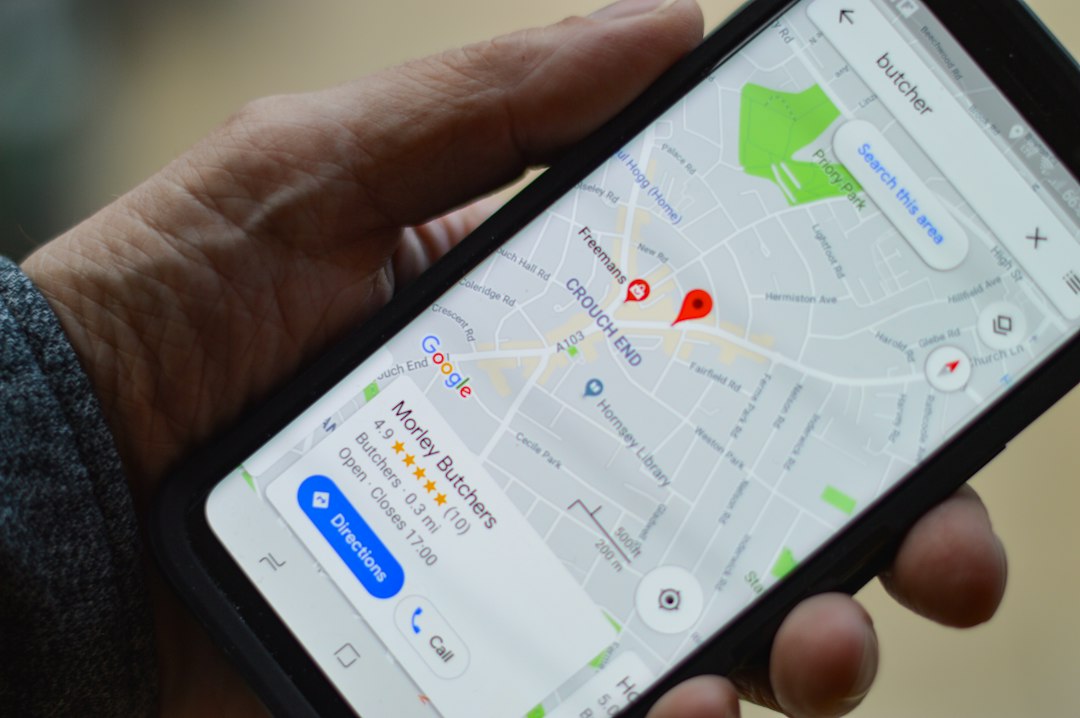

Expanding a business beyond a single storefront or service area requires more than just a general website. If you want to capture high-intent local traffic across different towns, cities, or neighborhoods, you need dedicated local landing pages. Without them, search engines struggle to connect your specific regional offerings with users searching nearby.
Creating location-specific pages allows businesses to target geographically restricted queries effectively. However, poorly executed local pages often lead to duplicate content penalties or poor user experience. This guide explores how to build, structure, and optimize local landing pages that rank well in organic search and convert visitors into customers.
What Are Local Landing Pages?
A local landing page is a standalone, highly targeted web page optimized to rank for search terms related to a specific geographic area. Unlike a generic contact page, a well-optimized local landing page features unique, locally relevant content tailored to the community it serves.
These pages bridge the gap between national brand authority and local relevance. For multi-location businesses, home-service providers, and franchises, they serve as digital storefronts designed to capture localized organic traffic.
Why Local Landing Pages Matter for SEO
Search engines prioritize proximity, relevance, and prominence when delivering local search results. When a user searches for a service with a specific city name, Google looks for content that directly matches that location intent.
- Captures Hyper-Local Intent: Users searching for services near them are usually further down the conversion funnel.
- Improves Map Pack Visibility: Linking local landing pages to corresponding Google Business Profile (GBP) locations strengthens local signals.
- Targets Long-Tail Keywords: Allows you to rank for variations like [service] in [city] without cluttering your core website architecture.
- Drives Higher Conversion Rates: Localized content builds immediate trust with regional audiences.
Key Elements of an Effective Local Landing Page
Building a high-performing local page requires a careful balance of local signals, user experience cues, and technical SEO best practices. Every page must feel authentic to the location it represents rather than looking like a spun template.
1. Unique, Locally Relevant Content
Never copy and paste the same content across twenty different location pages, simply swapping out the city name. Search engines easily spot thin, spun content and will often deindex or ignore these pages. Include local landmarks, regional terminology, specific service details, and community involvement where appropriate.
2. NAP (Name, Address, Phone Number) Consistency
Your business name, address, and phone number must match your Google Business Profile and other local citations precisely. Embedding a verified Google Map can also provide clear geographical context to search engine crawlers.
3. Localized Social Proof
Feature reviews from customers who reside in that specific area. If possible, include case studies or project spotlights featuring recognizable local neighborhoods or landmarks.
Comparing Single-Page vs. Multi-Page Local SEO Strategies
Choosing the right architecture depends on your business model, number of physical locations, and target service areas.
| 功能 | Single Location Page | Multi-Location Directory | Service Area Pages |
|---|---|---|---|
| 最佳用途 | Single storefront businesses | Franchises with physical stores | Contractors without physical offices | 风险等级 | 低 | Medium (requires unique content) | High (prone to thin content penalties) | Conversion Rate | 高 | 高 | 适中 |
Expert Tips for Scaling Local Landing Pages
- Ensure every URL follows a clean, logical structure such as example.com/locations/city-name.
- Incorporate local schema markup (LocalBusiness) to help search engines parse your physical address and operating hours.
- Optimize your page loading speed, especially for mobile users searching on the go.
- Keep your operating hours, team members, and localized FAQs updated regularly.
应避免的常见错误
- Duplicating Content: Changing only the city name across dozens of pages creates severe duplicate content issues.
- Targeting Areas You Don’t Serve: Creating pages for cities where you have no physical presence or legitimate service coverage damages brand trust.
- Ignoring Mobile Experience: The majority of local searches happen on mobile devices; slow mobile load times will ruin conversion rates.
- Mismatched NAP Data: Discrepancies between your website, Google Business Profile, and directory listings confuse search engines.
常见问题解答
What is a local landing page?
A local landing page is a dedicated website page optimized to rank for search queries specific to a particular geographic location. It provides tailored information, contact details, and localized content for users in that region.
我应该为每个社区创建单独的页面吗?
Generally, you should only create separate pages for distinct cities, towns, or major municipal areas where you have a verified presence or actively provide service. Creating micro-pages for tiny neighborhoods often results in low-quality or thin content.
How can I avoid duplicate content on multiple location pages?
You can avoid duplicate content by writing unique descriptions for each location, featuring location-specific customer reviews, highlighting local staff, and referencing nearby landmarks or regional service specifics.
Do I need a physical address to build a local landing page?
While having a physical address helps significantly with local pack rankings, service-area businesses (SABs) can still create localized pages. However, these pages must focus heavily on proving genuine service coverage rather than displaying a fake storefront address.
我应该在本地着陆页上使用什么样的Schema标记?
You should implement LocalBusiness schema markup. This structured data helps search engines clearly understand your business address, phone number, geo-coordinates, and opening hours.
How many local landing pages is too many?
There is no strict numerical limit, but you should only create as many pages as you can genuinely support with unique, high-quality content and legitimate service operations.
How do reviews impact local landing page rankings?
Positive customer reviews improve click-through rates, build trust, and provide fresh user-generated content that helps search engines understand the active nature of your local business.
Can I use the same meta descriptions for all location pages?
No, you should write unique meta descriptions for every local landing page. Including the specific city name and location-based value proposition improves click-through rates from search engine results pages.
结论
Mastering local landing pages SEO is essential for any business aiming to dominate regional markets and attract high-intent local buyers. By avoiding duplicate content, prioritizing genuine local relevance, and implementing proper technical structures, you can capture valuable organic traffic across multiple regions. Start auditing your current location pages today to ensure every single one delivers unique value to your prospective customers.
Ready to scale your regional search presence? Explore our comprehensive guide on local keyword research strategy to uncover new ranking opportunities for your business.




