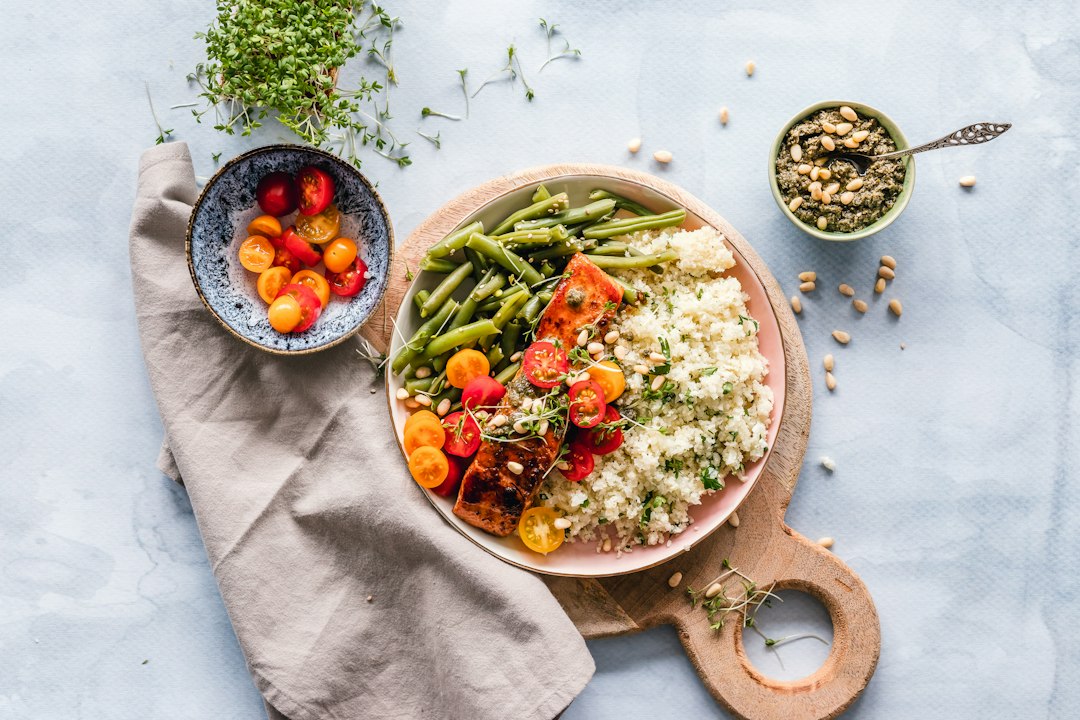
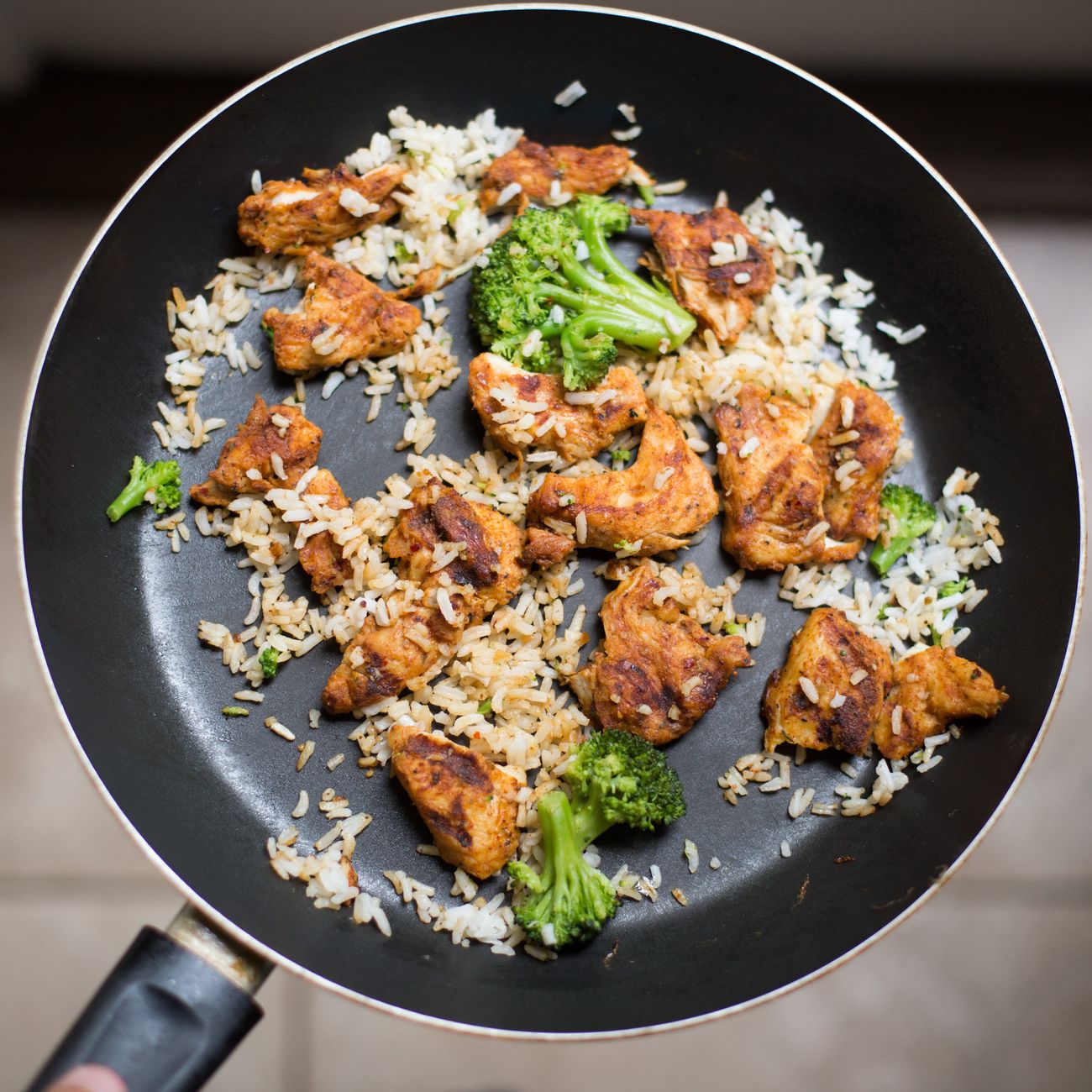
尼日利亞料理是非洲最具多樣性的食品傳統之一。全國範圍內,當地的食材、烹飪技術、移民、貿易和文化慶典造就了眾多特色菜餚。從煙燻烤肉和辣椒湯到喬洛夫飯、捶粉山藥、冷卻瓜湯、摩依摩依及地區特色,尼日利亞食物提供的選擇遠不止於一個國家菜單。
對於美食愛好者來說,探索尼日利亞料理的最佳方式是通過不同的區域、食材和用餐環境來進行一次旅程。路邊燒烤、家庭廚房、傳統攤位、現代餐廳和節日聚會都能揭示這個國家的食物文化的不同面向。
本指南探討了流行的尼日利亞菜餚、地方特產、傳統食材、食品體驗以及負責任和自信地探索尼日利亞料理的實用建議。
目錄
- 尼日利亞美食的獨特之處是什麼?
- 區域風味和食物傳統
- 每位美食家必試的尼日利亞菜餚
- 街頭食品和休閒用餐
- 必備的尼日利亞食材
- 傳統與現代的用餐體驗
- 尼日利亞料理一瞥
- 探索尼日利亞食物的專家小貼士
- 要避免的常見錯誤
- 食品安全與飲食考量
- 常見問題
尼日利亞美食的獨特之處是什麼?
尼日利亞料理反映了該國的非凡文化多樣性。不同的社區圍繞作物、牲畜、魚類、氣候和當地可用的調味品發展出各自的食品傳統。因此,兩道名字相似的菜餚在不同的地區和廚師之手中可能味道截然不同。
大膽的調味和層次豐富的風味
辣椒、洋蔥、番茄、蝦米、發酵食材、草藥和香料通常是尼日利亞菜餚的基礎。辣味是常見的,但尼日利亞食物不僅僅是讓食物變辣。好的烹飪是將辣味與甜味、酸味、鮮味、煙熏味和口感相平衡。
主食創造完整的餐點
山藥、木薯、大米、豆類、玉米、米穀和香蕉是重要的主食。許多食材被轉化為與豐富風味的湯和燉菜搭配的食物。國家統計局已經在尼日利亞食品消費數據中記錄了大米與燉菜、炸團和湯、圖沃與湯、阿馬拉與湯、加里與湯以及捶粉山藥與湯等食物。
食物與待客之道密切相關
餐點通常扮演著社交角色。婚禮、宗教慶典、家庭聚會和社區活動經常會出現大型共享菜單。因此,品嚐尼日利亞食物不僅僅是嘗試一個食譜;它可以提供一扇了解款待和當地文化的窗口。
區域風味和食物傳統
沒有單一的方式來定義尼日利亞食物。各地的烹飪風格交疊、演變並旅行,但廣泛的模式可以幫助訪客理解他們所遇到的事物。
西南尼日利亞美食
西南部的飲食傳統包括如amala配ewedu和gbegiri、ofada米配醬、以豆類為基礎的餐點和辛辣的燉菜等菜肴。約魯巴族的烹飪傳統還展現了如捶過的山藥、各類湯品和濃郁調味的米飯菜肴等食物。
東南尼日利亞美食
伊博族的飲食傳統包括以蔬菜、種子、魚、肉和根莖類為主的湯和菜肴。Egusi湯、苦葉湯和oha湯是常見的例子,儘管各家庭和社區的食譜存在相當大的差異。
南南和沿海美食
尼日爾三角洲及其他沿海地區的社區有著強烈的海鮮、葉菜、棕櫚產品和香味湯品的傳統。Afang湯、海鮮製作和辣湯是食客可能會遇到的食物。
北部尼日利亞美食
北方的飲食傳統以穀物、豆類、肉類、乳製品和香料為主。Tuwo配湯、masa、suya、fura和各類米飯菜肴展示了北方烹飪文化的廣度。
每位美食家必試的尼日利亞菜餚
喬洛夫米飯
Jollof飯是尼日利亞最具代表性的菜餚之一。米飯在調味的番茄和辣椒基底中烹煮,通常還會加入洋蔥和香料。不同廚師的食譜各不相同,而流行的西非jollof辯論則引發了無數關於技術和風味的爭論。
首次品嚐時,將家庭式餐廳、聚會餐飲和當代餐廳的jollof飯進行比較。這些差異可能會令人驚訝。
燒烤
Suya是用辛辣的花生基調味料(通常稱為yaji)調味的烤肉串。肉通常切得很薄,並在火上烤製,產生煙熏的邊緣和獨特的烤香味。
新鮮烤製的suya最好在需求量大的地方品嚐,食物會熱騰騰地準備和上桌。衛生和適當的烹飪特別重要,尤其是對於肉類。
艾古西湯
Egusi湯以磨碎的西瓜種子為主要成分,可能包括葉菜、肉、魚或其他蛋白質。它通常與如捶山藥、eba、semovita或fufu等食物搭配食用。
阿馬拉和艾威杜
Amala是一種深色、光滑的食物,傳統上用山藥粉或其他粉類製作。Ewedu是一種滑的綠色湯,是用茄子葉製作的,通常與gbegiri和辣燉菜一起食用。
捶打山藥和湯
捶山藥有著光滑有彈性的質地,傳統上搭配如egusi、蔬菜湯或各類地區特製的湯品。當與提供豐富口感和風味的調味湯一起食用時,特別令人滿意。
莫伊莫伊
Moi moi是一種用混合豆製作的蒸豆布丁,可加入的調味成分包括辣椒、洋蔥和其他配料。作為早餐、配菜或米飯餐點的配搭都很合適。
阿卡拉
Akara是用調味的豆漿糊炸成的酥脆咸煎餅。它是受歡迎的街頭和早餐食物,經常與pap、麵包或其他配菜一起食用。
辣椒湯
辣湯是一種辛辣的芳香高湯,可以用魚、雞肉、山羊肉或其他蛋白質製作。香料的配置因食譜而異,這使得它對比較地區和餐廳的詮釋非常有用。
奧法達米飯和醬料
Ofada米是一種當地特產的米品種,通常與獨特的辣椒醬一起食用。其土壤香氣和口感使其成為想要探索地方特色米飯菜餚的食客的最愛,超越標準的炸米或jollof飯。
香蕉食品
蕉在許多形式中出現,包括炸dodo、煮蕉和烤蕉。它可以伴隨豆類、米飯、雞蛋、燉菜或烤食物,並提供甜、鹹和煙熏風味之間的有用對比。
街頭食品和休閒用餐
街頭小吃是探索尼日利亞飲食文化最方便的方式之一。根據城市的不同,食客可能會遇到suya、akara、烤玉米、烤蕉、煮山藥、炸蕉、puff-puff、肉餡餅和其他小吃。
為什麼街頭食品值得探索
- 它通常反映地方口味,而非標準化的餐廳菜單。
- 準備過程在顧客身邊進行,讓烹飪過程成為體驗的一部分。
- 價格通常比正式餐廳低,儘管根據地點和食材而異。
- 繁忙的攤販可以揭示當地顧客經常選擇的食物。
尼日利亞的官方家庭調查資料列出了各種在外食用的食物,包括suya、nkwobi、isiewu、asun、akara、puff-puff、烤蕉和烤山藥。這些記錄展示了在全國調查中紀錄的各類隨意和調製的食品類別的廣度。
必備的尼日利亞食材
| 成分 | 常見的烹飪角色 | 您可能會遇到的食物 |
|---|---|---|
| 辣椒 | 熱度和風味 | 燉菜、醬汁、辣椒湯、喬洛夫 |
| 番茄 | 醬汁基底和酸度 | 喬洛夫、燉菜、米飯菜肴 |
| 洋蔥 | 香氣和甜味 | 幾乎每個主要咸味類別 |
| 埃古西/瓜子 | 身體、豐富和堅果風味 | 艾古西湯 |
| 木薯 | 主要碳水化合物 | 甘薯、木薯粉和相關食品 |
| 山藥 | 主要碳水化合物 | 捶鍋山藥、煮山藥、山藥粉 |
| 豆類 | 富含蛋白質的主食 | 莫伊莫伊、阿卡拉、豆類菜餚 |
| 香蕉 | 甜或鹹的配菜 | 多多、烤香蕉、煮香蕉 |
| 蝦米 | 鮮味和海鮮的深度 | 湯和燉菜 |
| 棕櫚產品 | 豐富、顏色和香氣 | 湯和地區菜肴 |
尼日利亞2023年全國農業抽樣調查也顯示了當地飲食中出現的食材的重要性,包括玉米、木薯、大米、高粱、豆類、山藥和瓜/埃古西。
傳統與現代的用餐體驗
巴卡體驗
當地的食堂或小吃店可以提供對日常尼日利亞餐點的實用介紹。期待簡單的服務、慷慨的份量和熟悉的菜肴,如米飯和燉菜、豆類、吞食食品和湯。
家庭式用餐
與尼日利亞家庭一起用餐或參加文化食品活動,可以提供餐廳菜單無法給予的背景。您可能會了解為什麼某些食物會一起上桌、如何食用菜餚以及哪些食材被視為特別。
當代尼日利亞餐廳
現代餐廳越來越多地通過呈現、品嚐菜單、融合技術和精選飲品搭配來重新詮釋尼日利亞的食材。這些體驗對於希望在更正式的環境中體驗傳統口味的旅客來說是非常有價值的。
市場和美食之旅
市場可以讓遊客提前認識食材,然後再出現在盤子上。一位博學的當地導遊可以解釋陌生的農產品、香料、小吃和地區名稱,同時幫助遊客尊重地導航食物環境。
尼日利亞料理一瞥
| 體驗 | 最適合 | 期待什麼 |
|---|---|---|
| 街頭小販 | 快捷的當地品嚐 | 實惠、非正式、高度地方化 |
| Buka\/食堂 | 日常尼日利亞餐 | 米飯、豆類、湯、捏飯和燉菜 |
| 傳統餐廳 | 地方菜 | 更廣泛的菜單和坐下用餐 |
| 現代餐廳 | 精心策劃的美食體驗 | 現代化的呈現和詮釋 |
| 食品市場 | 食材發掘 | 農產品、香料、小吃和地方特產 |
探索尼日利亞料理的專家秘訣
- 從熟悉的味道開始: 如果你對辛辣食物不熟悉,建議從較溫和的份量開始,並逐漸增加辣度。
- Ask how a dish is eaten: Local diners can explain which soup pairs with which swallow and whether a dish is normally eaten by hand or with utensils.
- Try regional versions: Do not judge Nigerian cuisine from one restaurant or one city. Recipes can change significantly between regions.
- Observe turnover: For prepared foods, busy vendors often provide fresher batches, but cleanliness and safe handling still matter.
- Learn the names: Knowing terms such as eba, amala, tuwo, moi moi, akara and suya makes menus easier to navigate.
- Balance your meal: Pair rich or starchy foods with vegetables, beans, lean proteins or other nutrient-dense options where appropriate.
- Respect food culture: Ask before photographing people, kitchens or food rituals, especially in family or community settings.
- Keep an open mind: Texture can be as important as flavor. Foods such as ewedu and fufu may feel unfamiliar before they become favorites.
探索尼日利亞食物的常見錯誤
假設所有尼日利亞食物都是非常辣的
Chili is important, but heat levels vary by dish, cook and region. Ask for a mild version when necessary rather than avoiding the cuisine entirely.
僅僅嘗試喬洛夫飯
Jollof is famous, but stopping there misses a huge portion of Nigerian culinary culture. Include soups, swallows, beans dishes, grilled foods, snacks and regional specialties in your exploration.
忽略口感
Many Nigerian dishes are designed around contrasts in texture. Smooth swallows, thick soups, crisp fried foods and smoky grilled meats all contribute to the experience.
將餐廳菜單與完整的地區料理混淆
A restaurant may specialize in one community, style or price segment. Use several food experiences to build a more accurate picture.
忽視食品安全
Adventure should not mean ignoring hygiene. Pay attention to food temperature, preparation surfaces, water quality and general cleanliness.
食品安全與飲食考量
Foodies should explore confidently but sensibly. Choose reputable vendors, eat foods that are properly cooked and served hot when appropriate, and take care with unfamiliar ingredients if you have allergies.
If you have a food allergy, ask specific questions about peanuts, tree nuts, seafood, dairy, eggs and other ingredients. Yaji used for suya commonly contains groundnuts or peanuts, so people with peanut allergies should verify ingredients before eating it.
People following vegetarian, vegan, gluten-free or other restricted diets should communicate their needs clearly. Nigerian cuisine includes many plant-based dishes, but soups and stews may contain meat, fish, crayfish or stock even when those ingredients are not obvious from the dish name.
常見問題
最著名的尼日利亞食物是什麼?
Jollof rice is arguably the most internationally recognizable Nigerian dish, but suya, egusi soup, pounded yam, moi moi, akara and many regional foods are also widely known.
第一次訪問尼日利亞時應該吃些什麼?
A good introductory list includes jollof rice, suya, moi moi, akara, egusi soup with a swallow, pepper soup and a plantain dish. Choose versions prepared by reputable vendors or restaurants.
尼日利亞食物總是很辣嗎?
No. Many dishes use chili, but the intensity varies. You can ask restaurants or vendors to reduce the pepper level.
尼日利亞的“吞食”是什麼?
Swallow is a group of soft, dough-like staple foods such as eba, fufu, amala and pounded yam. They are commonly used to scoop and eat soups rather than eaten alone.
烤肉是由什麼製成的?
Suya is commonly made from thinly sliced beef, although chicken and other meats can also be used. It is seasoned with a spicy spice mixture and grilled over heat.
什麼尼日利亞食物適合素食者?
Options can include beans, moi moi, akara, some vegetable soups and certain plantain or yam dishes. However, recipes vary, so confirm that meat, fish, crayfish and animal-based stock have not been added.
遊客可以吃尼日利亞街頭食物嗎?
Yes, many travelers enjoy Nigerian street food. Choose vendors with good turnover and visible hygiene practices, and prefer foods that are thoroughly cooked and served hot.
體驗尼日利亞料理的最佳方式是什麼?
Combine different settings: try a local canteen, a reputable restaurant, a street-food experience and, where possible, a food market or cultural food event. This gives you a broader view of Nigerian culinary traditions.
結論
Nigerian cuisine is best understood as a collection of interconnected regional food cultures rather than a single list of national dishes. Its strength lies in diversity: smoky grills, rich soups, fermented foods, beans, rice, yam, cassava, plantain, seafood, grains and bold pepper-based sauces all contribute to the experience.
For foodies, the most rewarding approach is to taste widely, ask questions and pay attention to the people and traditions behind each meal. A plate of jollof rice may introduce you to Nigerian food, but exploring suya, egusi soup, amala, moi moi, akara, pepper soup and regional specialties can reveal a much richer culinary story.
行動呼籲
Ready to explore Nigerian cuisine? Choose three dishes you have never tried, visit a reputable local restaurant or food vendor, and turn your next meal into a culinary discovery. Share your favorite Nigerian dish with fellow food lovers and keep exploring the regional flavors that make Nigeria’s food culture so distinctive.
Research note: Food traditions and recipes vary by household, community and region. National statistics cited in this article describe survey categories or agricultural production and should not be interpreted as a ranking of dishes or a complete measure of culinary popularity.