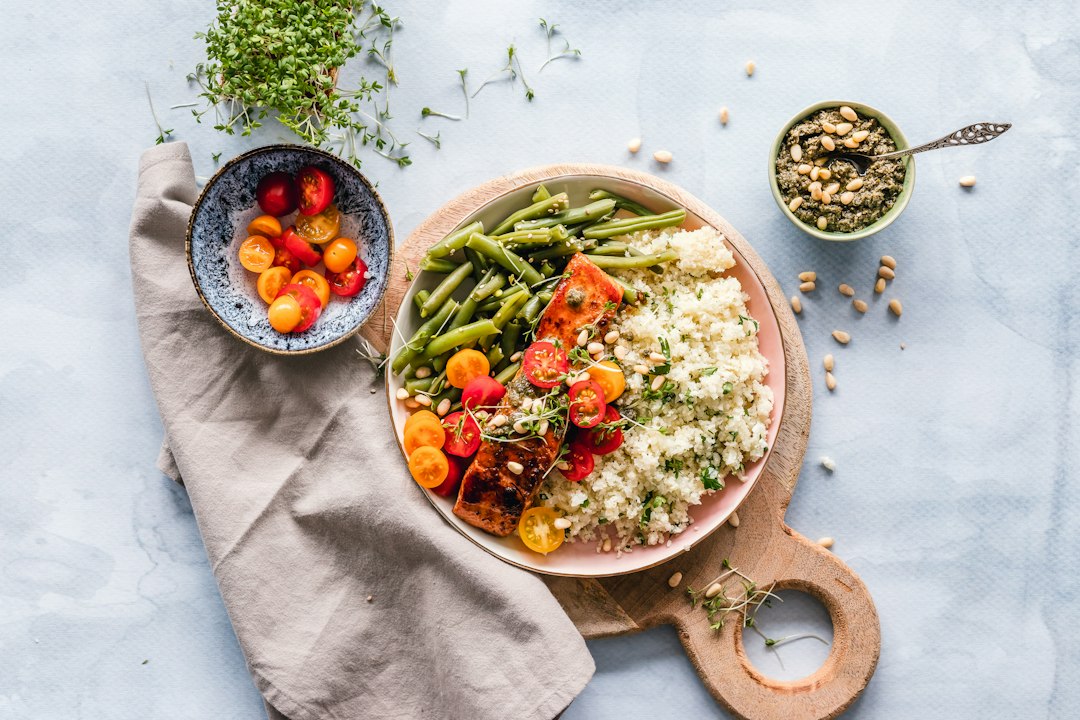
尼日利亞的烹飪遺產是該國最具表現力的文化形式之一。食物承載著社區的記憶、當地農業的影響、從一代傳到另一代的技術,以及熱情款待來賓的好客之道。從以穀物為主的北部餐點和燒烤肉類到南部的湯品、塊根、海鮮和以棕櫚為基礎的菜肴,尼日利亞的美食反映了一個區域身份與國家身份交會的國家。
本指南通過其區域傳統、成分、烹飪方法、標誌性菜餚和不斷變化的食品場景探索偉大的尼日利亞烹飪遺產。它還解釋了為什麼保護本土食品知識對文化、旅遊和未來世代至關重要。
目錄
- 什麼使尼日利亞的烹飪遺產偉大?
- 尼日利亞六大地區的烹飪遺產
- 代表尼日利亞遺產的標誌性食品
- 尼日利亞料理的核心成分
- 傳統烹飪技巧和食品知識
- 食品、款待和文化慶典
- 現代尼日利亞如何保護和重新詮釋食品遺產
- 為什麼烹飪遺產對旅遊和當地企業重要
- 區域美食一瞥
- 探索尼日利亞烹飪遺產的專家建議
- 要避免的常見錯誤
- 常見問題
什麼使尼日利亞的烹飪遺產偉大?
尼日利亞的烹飪遺產並不是一個固定菜單的單一美食。它是一個活生生的區域性、民族性和家庭傳統的集合。聯邦信息與國家指導部門將尼日利亞的美食描述為與該國的民族組成一樣多樣,並列出如edikaikong、fufu、tuwo、suya、kilishi、amala、eba和搗碎山藥等主要傳統食品。引用轉換654726搜尋6
食物反映地方
本地生產的食材往往塑造最後上桌的食物。穀物和豆類在許多北部食品傳統中顯著,而塊根、葉菜、海鮮和棕櫚產品在許多南部美食中則特別受重視。國家文化指導研究所記錄了所有六個地緣政治區域的烹飪傳統,包括與卡諾、卡杜納等州相關的菜肴。引用轉換654726搜尋9
食物保存知識
食譜只是美食傳統的一部分。烹飪遺產還包括成分的選擇、研磨、捶打、發酵、煙燻、乾燥、燒烤、煮沸或蒸煮的方法。傳統的炊具和準備方法也可以承載文化意義。來自尼日利亞的研究和文化文件顯示,本地的鍋、臼、杵和戶外烹飪方法在某些社區依然重要。引用轉換850237搜尋9
食物創造社群
尼日利亞的餐點緊密與慷慨和聚會相聯繫。食物出現在婚禮、節日、宗教慶祝活動、家庭聚會和社區活動中。2024年的一項研究通過國際家庭經濟聯盟發現,96%的受訪者在鄉村Epe社區的家庭主婦報告在特殊場合進行共煮,75%的人仍然使用傳統的器具和保存技術。這項研究是一個地方樣本,而不是全國統計,但它展示了食品準備的持續社會角色。引用轉換850237搜尋34
尼日利亞六大地區的烹飪遺產
尼日利亞食物傳統之間沒有明確的界限。食譜在不同的地方流傳,家庭混合著傳統,現代城市將地區美食融合在一起。然而,六個地緣政治區域為欣賞該國的烹飪範圍提供了一個有用的框架。NICO明確展示了西北、西南、北中、東北、南南和東南區域的美食。引用轉換654726搜尋9
西南
約魯巴的烹飪傳統包括amala、ewedu、gbegiri、各種辣味燉菜、搗碎山藥、ofada米和其他調味豐富的菜餚。這個地區還與基於豆類的食物、香蕉製品和各種湯及醬汁相關聯。
東南
伊博的烹飪傳統展示了如oha葉、苦葉、山藥、木薯、山藥、棕櫚產品、魚和肉等菜餚和成分。料理如oha湯、苦葉湯和abacha展示了質地、發酵和本地可獲得的食材如何塑造該美食。
南南
沿海和尼日爾三角洲的美食重度依賴魚類、海鮮、葉菜、香料和棕櫚產品。afang湯、漁夫風格的湯和其他海鮮料理等等菜肴反映了食物與水域環境之間的關係。
西北
北部的飲食傳統包括tuwo shinkafa、tuwo masara、masa、kilishi、fura da nono及各式穀物和肉類菜餚。NICO的各州文獻顯示,卡諾、卡杜納和卡茨納等地的烹飪食譜特別豐富。引用轉換654726搜尋9
東北
東北地區的食品傳統包括穀物為主的主食、豆類、肉類、乳製品和香料豐富的醬汁。氣候、牧民傳統、農業和古老的貿易路線共同構成了區域餐點的特徵。
中北
北中地區的美食反映了北方和南方飲食文化的交匯。山藥、木薯、玉米、大米、蔬菜和本地肉類以多樣的組合出現,並有強烈的州和社區差異。
代表尼日利亞遺產的標誌性食品
喬洛夫米飯
Jollof米飯是尼日利亞國際上最知名的菜餚之一。其熟悉的番茄和辣椒底料根據米飯、湯底、調味料、烹飪器皿和技術可以產生非常不同的結果。這也是一個有用的例子,展示了一道菜如何成為國家象徵的同時仍保持區域和家庭的解釋空間。
燒烤
Suya是一種以獨特香料混合調味的烤肉特色菜,通常稱為yaji。其煙熏的香氣、薄切的肉和微辣的性格,使其成為尼日利亞最具代表性的街頭美食體驗之一。
艾古西湯
埃古西湯使用研磨的瓜子來提供豐富的口感和身體。根據食譜,廚師可能會加入葉狀蔬菜、肉類、魚、魚乾、小龍蝦或其他配料。它通常搭配捏成的主食,如捏山藥、茄子或粿。
阿瑪拉、艾維杜和吉貝吉里
這種組合與西南尼日利亞的飲食文化息息相關。阿馬拉提供柔軟、光滑的主食;艾維杜增添了獨特的綠色質地;而基貝里,豆類湯,則貢獻了身體感和深度。這道菜展示了互補的質地與味道同樣重要。
捶地yam與湯
捏山藥是主食如何成為更廣泛餐飲系統的經典範例。它光滑、有彈性的質地可用作埃古西湯和以蔬菜為基礎的料理的載體。
莫伊莫伊和阿卡拉
這兩種食物都以豆類為基礎,但使用的技術卻截然不同。莫伊莫伊是蒸的,而阿卡拉則是油炸成脆餅。它們對比強烈的質地展示了尼日利亞廚師如何將單一的主食成分轉變為多種食物。
辣椒湯
尼日利亞辣椒湯是一種芳香的高湯,可以用魚、山羊肉、雞肉或其他蛋白質來準備。2024年的科學評論將辣椒湯描述為一道深植於尼日利亞烹飪傳統的菜餚,並指出傳統準備中使用的材料如辣椒、薑、大蒜、香葉和葫蘆木肉豆等。 citeturn850237search5
圖沃與北方湯
圖沃食品展示了穀物和主要準備在尼日利亞北部的重要性。用米、玉米和其他穀物製作的版本通常搭配豐富調味的湯和醬汁。
基里什
基利希是一種乾燥的調味肉類產品,與尼日利亞北部的飲食文化密切相關。乾燥和調味延長了肉類的使用壽命,同時創造出獨特的零食和便於旅行的食物。
香蕉、山藥和 cassava 食品
香蕉可以是油炸的、煮的或烤的。山藥可以是煮的、捏成的或加工成粉,而木薯則變成如加里和粿等食品。這些主食顯示了同一作物如何支持多種烹飪形式。
尼日利亞料理的核心成分
| 成分 | 常見角色 | 示例 |
|---|---|---|
| 山藥 | 主要碳水化合物 | 捏山藥、煮山藥、阿薩羅 |
| 木薯 | 主要及加工食品 | 加里、粿、茄子 |
| 米 | 主要穀物 | 喬洛夫米飯、圖沃香卡法 |
| 豆類 | 主要及富含蛋白質的基底 | 莫伊莫伊、阿卡拉、豆類菜餚 |
| 香蕉 | 甜的或鹹的主食 | Dodo,烤香蕉 |
| 辣椒 | 熱度、香氣和風味 | 燉菜、醬汁、辣椒湯 |
| 葉菜類蔬菜 | 風味、質地和營養 | Ewedu、苦葉、 ugu、oha |
| 瓜子 | 豐富和增稠 | 艾古西湯 |
| 棕櫚產品 | 顏色、香氣和豐富性 | 地區湯品和燉菜 |
| 魚和海鮮 | 蛋白質和美味深度 | 湯、烤肉、海岸菜肴 |
山藥具有特殊的文化重要性。2024年有關尼日利亞飲食和文化的學術章節指出,山藥對全球山藥生產有重要貢獻,並與社會習俗和新山藥節相關,同時也出現在許多烹飪形式中。citeturn850237search2
傳統烹飪技巧和食品知識
捶打和研磨
杵和臼長期以來用於轉化穀物、種子、塊根和香料。這種技術影響了質地、香氣和最終的餐點特性。
發酵
發酵出現在幾種尼日利亞食品傳統中,可以改變風味、質地和保質期。發酵成分也增添了獨特的美味音符,這些音符未必能透過現代捷徑重現。
煙燻和乾燥
乾燥和煙燻有助於保存肉類和魚類,同時添加特徵風味。Kilishi清楚地展示了保存如何成為烹飪身份的一部分。
在火上燒烤
Suya和其他烤食物展示了直接熱量的重要性。控製烤制過程會產生炭化、煙霧和濃縮調味,這些都是用餐體驗的一部分。
使用傳統器具烹飪
Traditional cookware can influence heat distribution, aroma and texture. Google Arts & Culture’s documentation of Yoruba cooking traditions notes the continued cultural relevance of local pots and outdoor kitchen setups. citeturn850237search9
食品、款待和文化慶典
One of the defining ideas in Nigerian food culture is hospitality. Serving a visitor generously can be a statement of respect, welcome and community. The Federal Ministry of Information and National Orientation specifically highlights the generosity with which guests are fed in the Nigerian culinary experience. citeturn654726search6
節日和儀式
Food often accompanies ceremonies, harvest celebrations and festivals. These events can preserve recipes while also giving younger generations opportunities to observe and participate in preparation.
家庭食譜
Some of the most meaningful parts of Nigerian culinary heritage live in family methods rather than formal cookbooks. Two families may use the same dish name while differing in spice levels, cooking times and preferred ingredients.
共享餐點
Communal eating reinforces social relationships. The preparation itself can be part of the tradition, especially during large gatherings.
現代尼日利亞如何保護和重新詮釋食品遺產
Nigerian culinary heritage is not frozen in the past. Chefs, food entrepreneurs, historians, home cooks and cultural organizations are documenting old recipes while adapting them for modern kitchens, restaurants and audiences.
數位紀錄
Recipe websites, videos, social media and digital archives are helping record dishes that were once passed primarily through oral instruction. A 2026 comparative study on Nigeria and Cameroon emphasizes multilingual documentation as a way to preserve indigenous food knowledge while warning that translation should not strip recipes of their cultural meaning. citeturn850237search4
當代尼日利亞餐廳
Modern restaurants are placing Nigerian ingredients into new formats, from carefully plated tasting menus to contemporary interpretations of traditional dishes. This can introduce younger diners and international visitors to local flavors without requiring every tradition to remain unchanged.
食品節和文化平台
Cultural events can connect food with music, storytelling, entrepreneurship and tourism. Nigerian food festivals increasingly present indigenous dishes as cultural assets rather than simply everyday meals.
超越食品的遺產保護
UNESCO’s Nigerian intangible cultural heritage list includes cultural practices such as the Durbar in Kano, Sango Festival of Oyo, Kwagh-Hir, Argungu International Fishing and Cultural Festival, Ijele masquerade, Gelede oral heritage and the Ifa divination system. Although these are not food inscriptions, they demonstrate the wider international recognition of Nigeria’s living cultural traditions. citeturn654726search3
為什麼烹飪遺產對旅遊和當地企業重要
Culinary heritage can turn a meal into a destination experience. Visitors may travel for festivals, markets, restaurants, local farms or neighborhood food tours, creating opportunities for cooks, farmers, food processors, guides, restaurants and small businesses.
Recent academic research on Nigerian indigenous foods and gastronomic tourism argues that foods such as jollof rice, egusi soup and suya can contribute to destination branding and tourism competitiveness, while also pointing to the need for greater integration of culinary assets into tourism planning. citeturn850237search1
經濟價值
- Supports farmers and local food suppliers.
- Creates opportunities for restaurants, caterers and food vendors.
- Provides markets for indigenous ingredients.
- Can create cultural-tourism experiences around food.
- Encourages entrepreneurs to package and export Nigerian flavors.
文化價值
- Keeps regional recipes visible.
- Encourages intergenerational learning.
- Protects indigenous food terminology and techniques.
- Strengthens the connection between food and place.
區域美食一瞥
| Zone | Common food themes | 示例 |
|---|---|---|
| 西南 | Swallows, beans, vegetables, pepper sauces | Amala, ewedu, gbegiri, ofada rice |
| 東南 | Tubers, leafy soups, palm products | Oha soup, bitterleaf soup, abacha |
| 南南 | Seafood, vegetables, palm products | Afang and seafood-based dishes |
| 西北 | Grains, meat, dairy, dried foods | Tuwo shinkafa, masa, kilishi, fura da nono |
| 東北 | Grains, legumes, meat, aromatic spices | Regional grain dishes and soups |
| 中北 | Mixed grain, tuber and vegetable traditions | Rice, yam, maize and local soups |
探索尼日利亞烹飪遺產的專家建議
- Look beyond famous dishes: Jollof and suya are great starting points, but regional soups, snacks and staples reveal more of the country’s food story.
- Ask where a dish comes from: Learning its community or region adds cultural context to the meal.
- Compare versions: Try the same dish in different cities or households. Regional variation is part of the heritage.
- Learn local names: Terms such as amala, eba, tuwo, moi moi, akara and kilishi make food exploration easier.
- Visit markets responsibly: Markets can introduce ingredients and cooking traditions that restaurants may not showcase.
- Support indigenous businesses: Buying from local food businesses helps keep culinary knowledge economically useful.
- Respect cultural context: Ask before photographing people, ceremonies or private family gatherings.
- Document what you learn: Record recipes and stories with the permission of the people sharing them.
要避免的常見錯誤
將尼日利亞料理簡化為 jollof rice
Jollof is important, but Nigerian culinary heritage is far broader. Limiting the cuisine to internationally famous dishes hides regional food knowledge.
假設每個食譜都是標準化的
Traditional Nigerian dishes can vary from household to household. Variation is not necessarily a lack of authenticity; it is often part of living culinary culture.
忽視本土術語
Translating every dish into a generic English description can erase useful cultural information. Keep indigenous names where they add meaning and explain them for readers.
將遺產視為靜態
Food traditions evolve. Modern equipment, migration, urbanization and new restaurant formats can change how dishes are prepared without automatically destroying their cultural value.
忽視食品安全
Traditional does not automatically mean safe, and modern does not automatically mean authentic. Choose clean preparation environments, properly cooked foods and reputable food vendors.
常見問題
尼日利亞的烹飪遺產是什麼?
Nigerian culinary heritage is the collection of traditional foods, ingredients, cooking methods, food customs and social practices passed through communities and generations across Nigeria.
為什麼尼日利亞的美食如此多樣?
Its diversity reflects Nigeria’s many cultural communities, different environments, agricultural systems, migration patterns and regional histories. NICO’s culinary documentation across the six geopolitical zones illustrates this breadth. citeturn654726search9
最著名的尼日利亞食品是什麼?
Commonly recognized examples include jollof rice, suya, egusi soup, pounded yam, amala, eba, moi moi, akara, pepper soup, tuwo and kilishi.
哪種尼日利亞食物最能代表北部美食?
There is no single answer, but tuwo, kilishi, masa and fura da nono are useful introductions to northern food traditions, particularly those documented in the North West. citeturn654726search9
哪些食物代表西南尼日利亞美食?
Amala, ewedu, gbegiri, ofada rice, pounded yam and various pepper-rich soups and stews are strong examples of Southwestern food traditions.
山藥在尼日利亞文化中為何重要?
Yam is both an important food crop and a cultural symbol in many communities. Scholarship on food and culture in Nigeria connects yam with social practices, festivals and multiple traditional preparations. citeturn850237search2
尼日利亞的烹飪遺產能支持旅遊業嗎?
Yes. Culinary tourism can connect visitors with restaurants, markets, festivals, farms, food producers and local communities. Recent research specifically identifies Nigerian indigenous foods as having potential for destination branding and gastronomic tourism. citeturn850237search1turn850237search7
人們如何幫助保護尼日利亞的食品遺產?
Document family recipes, teach younger generations, support local food businesses, record indigenous food names accurately and preserve the stories and techniques associated with traditional dishes.
結論
Nigeria’s culinary heritage is great because it is diverse, deeply social and continuously evolving. The country’s food traditions connect agriculture with identity, recipes with memory, and everyday meals with ceremonies and hospitality.
From amala and ewedu in the Southwest to tuwo and kilishi in the North, from seafood-rich dishes in the South-South to the many soups, tubers, grains and bean-based foods found across the country, Nigerian cuisine offers far more than a handful of famous dishes. It is a living cultural resource.
Preserving that heritage means more than keeping old recipes alive. It means valuing the people who know the techniques, protecting indigenous terminology, supporting local food businesses and giving younger generations the opportunity to learn where their food comes from. Nigeria’s culinary story deserves to be tasted, documented and shared.
行動呼籲
Start your own Nigerian culinary heritage journey by choosing one dish you have never tried and learning the story behind it. Visit a reputable local restaurant or food market, talk to a knowledgeable cook, and share what you discover with friends and family.
Research note: Nigerian culinary traditions vary by household, community and region. Statistics and research findings cited above are presented in their original context and should not be treated as a complete national ranking of food popularity.