
The landscape of car insurance is undergoing its most radical transformation in decades. As we look toward the horizon, drivers are no longer just evaluated by their age, zip code, and credit score. Instead, a convergence of cutting-edge technology, shifting environmental realities, and evolving vehicle designs is completely redefining how premiums are calculated and how claims are processed.
Understanding the major auto insurance trends 2026 has to offer is essential for any vehicle owner looking to protect their finances. With the cost of vehicle ownership rising, staying ahead of these shifts can mean the difference between securing an affordable rate and facing unexpected premium hikes. This comprehensive guide explores the technological, environmental, and structural changes reshaping the auto insurance industry.
The Driving Forces Behind Auto Insurance Trends 2026
Several macroeconomic and technological forces are converging to disrupt traditional insurance models. While inflation has begun to stabilize globally, the cost of repairing vehicles has remained stubbornly high. This is primarily due to the increasing complexity of modern cars, which are now essentially computers on wheels.
Additionally, insurance companies are grappling with shifting risk profiles. Extreme weather events, changing commuter habits, and the rapid adoption of electric vehicles (EVs) have forced actuaries to completely rewrite their risk-assessment playbooks. To remain profitable, insurers are turning to advanced data analytics, fundamentally altering the relationship between the insurer and the policyholder.
1. The Rise of Hyper-Personalized Telematics
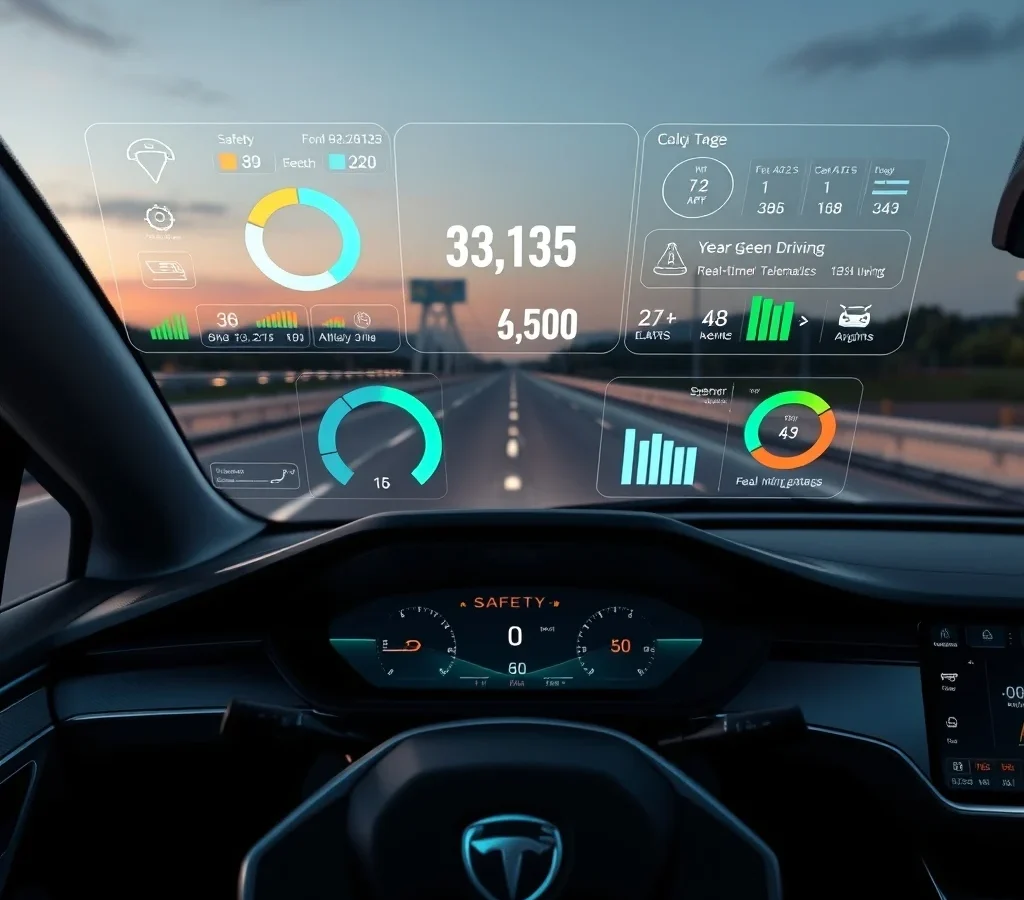
One of the most visible auto insurance trends 2026 brings is the transition from static demographic pricing to dynamic, behavior-based pricing. Telematics—the technology that monitors your driving habits via a smartphone app or an in-car device—is moving from an optional discount program to an industry standard.
In the past, drivers were hesitant to share their data due to privacy concerns. However, as traditional premiums rise, the financial incentive to opt into telematics programs has become too significant to ignore. Insurers in 2026 are using highly sophisticated machine learning algorithms to analyze real-time driving data, focusing on variables such as:
- Smooth braking and acceleration patterns.
- Consistent adherence to speed limits.
- The specific times of day the vehicle is driven (avoiding high-risk midnight hours).
- Mobile phone distraction and hands-free usage patterns.
This shift benefits safe drivers immensely. Instead of being penalized for the bad driving habits of others in their demographic group, cautious motorists can secure highly personalized, lower rates based entirely on their actual performance behind the wheel.
2. AI-Driven Claims Processing and Underwriting
Artificial Intelligence (AI) is no longer a futuristic concept in the insurance sector; it is the engine driving daily operations. By 2026, AI-driven claims processing has become incredibly streamlined, reducing the time it takes to settle a claim from weeks to mere minutes.
When an accident occurs, policyholders can simply upload photos of the damage to their insurer’s mobile app. Computer vision algorithms instantly analyze the visual data, compare it against vast databases of repair costs, and estimate the damage with incredible accuracy. In many cases, simple claims can be approved and paid out almost instantly without a human adjuster ever needing to inspect the vehicle in person.
While this efficiency lowers administrative overhead for insurance companies—savings that can theoretically be passed down to consumers—it also raises questions about algorithmic transparency. Drivers must remain vigilant to ensure that automated repair estimates accurately reflect real-world local labor and parts costs.
3. Electric Vehicles (EVs) and Hybrid Insurance Dynamics
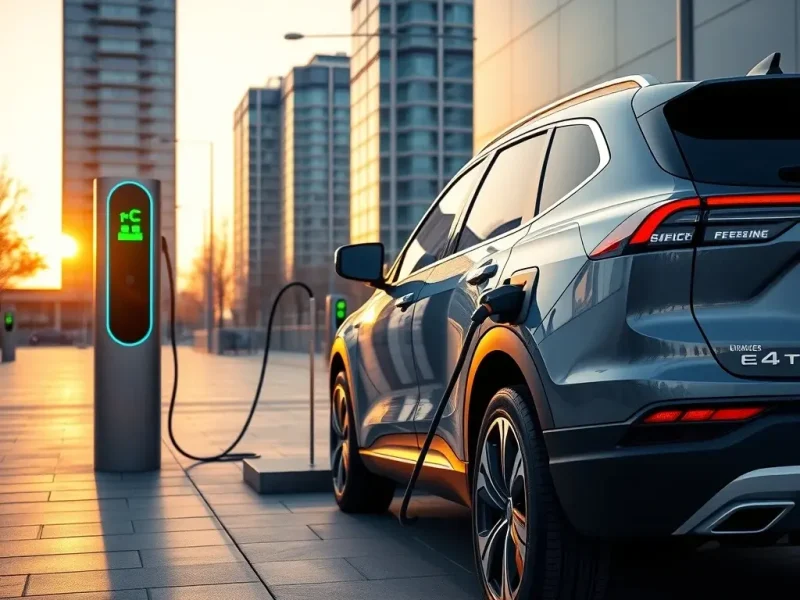
As electric and hybrid vehicles capture a larger share of the global automotive market, insurers have accumulated enough historical data to price EV policies more accurately. Historically, EVs have been significantly more expensive to insure than their internal combustion engine (ICE) counterparts. In 2026, we are seeing a stabilization, though challenges remain.
EVs are incredibly expensive to repair after an accident. Even minor bumper damage can compromise complex Advanced Driver Assistance Systems (ADAS) sensors or, worse, the vehicle’s battery pack. Because a damaged EV battery often requires a complete replacement rather than a repair—costing upwards of $10,000 to $20,000—insurers often write off electric cars as total losses after relatively minor collisions.
To mitigate this, specialized EV insurance policies are emerging. These policies offer tailored coverage options that account for battery health, charging station liability, and specialized towing requirements, helping EV owners find more balanced coverage options.
4. Climate Change and Regional Premium Spikes
Environmental factors are playing an unprecedented role in shaping auto insurance trends 2026. Extreme weather events, including severe floods, wildfires, hailstorms, and hurricanes, are no longer localized anomalies. They are systemic risks that threaten the financial stability of insurance carriers.
Consequently, comprehensive coverage—the portion of your policy that covers damage from non-collision events like weather, theft, and falling objects—is seeing dramatic rate increases in high-risk geographic zones. States like Florida, California, Texas, and Louisiana are experiencing some of the sharpest premium hikes as insurers adjust their risk models to account for the rising frequency and severity of natural disasters.
Comparing Traditional vs. 2026 Modern Insurance Models
To understand how rapidly the industry is shifting, it is helpful to compare the traditional insurance models of the past decade with the emerging standards of 2026.
| Feature | Traditional Insurance Model | 2026 Modern Insurance Model |
|---|---|---|
| Pricing Basis | Demographics, credit score, zip code, driving record. | Real-time telematics, behavior patterns, actual mileage. |
| Claims Process | Manual inspection, phone calls, paper forms, weeks to settle. | AI computer vision, instant app uploads, automated payouts. |
| EV Coverage | Standard auto policies with higher generalized surcharges. | Specialized EV policies factoring in battery health and ADAS. |
| Risk Assessment | Historical regional accident data. | Predictive climate modeling and real-time environmental data. |
| Billing Structure | Fixed monthly or bi-annual premiums. | Flexible, pay-per-mile, or behavior-adjusted monthly billing. |
Expert Tips for Lowering Your Rates in 2026
Navigating these changes requires a proactive approach. You do not have to accept rising premiums passively. Implement these expert strategies to keep your costs manageable:
- Embrace Telematics Wisely: If you are a safe, defensive driver who rarely drives late at night, opting into a telematics program is currently the fastest way to slash your premiums by up to 30% or 40%.
- Audit Your Annual Mileage: With hybrid and remote work remaining highly popular, you may be driving far less than you did a few years ago. Ensure your insurer has your accurate annual mileage, or consider switching to a dedicated pay-per-mile policy if you drive under 8,000 miles per year.
- Shop Around Annually: The proprietary algorithms used by insurers to price risk vary wildly. A company that is expensive for you this year might update its underwriting model next year, offering a much more competitive rate. Use online comparison tools at least once a year.
- Bundle with Intention: Bundling home and auto insurance remains a highly effective discount strategy, but verify that the combined cost is truly lower than purchasing separate, highly optimized policies from different carriers.
Common Mistakes to Avoid
As the market evolves, relying on outdated insurance habits can cost you thousands of dollars. Avoid these common pitfalls:
- Overlooking Deductible Adjustments: Many drivers keep a low deductible (like $250) out of habit. Raising your deductible to $1,000 can lower your comprehensive and collision premiums significantly, provided you have the emergency savings to cover that amount if an accident occurs.
- Ignoring Policy Exclusions on Older Vehicles: Maintaining full coverage (collision and comprehensive) on a vehicle that is worth less than $3,000 is often a waste of money. Calculate your vehicle’s actual cash value annually to decide when to drop down to liability-only coverage.
- Failing to Report Safety Upgrades: Modern aftermarket safety features, dash cams, and secure garage parking can sometimes qualify you for hidden discounts. Always update your insurer when your vehicle’s safety profile improves.
Frequently Asked Questions
How will auto insurance trends 2026 affect my monthly premiums?
While technological advancements like AI claims processing are reducing administrative costs for insurers, rising vehicle repair costs and climate-related risks are driving overall premiums up. Drivers who embrace telematics and maintain clean driving records will likely see stable or lower rates, while high-risk drivers and those in disaster-prone areas will face higher premiums.
Is telematics mandatory for car insurance in 2026?
No, telematics is not legally mandatory. However, traditional