
The cost of keeping a vehicle on the road has climbed steadily over recent years, leaving many drivers searching for practical ways to lower their annual premiums. Traditional auto insurance pricing relies heavily on generalized demographic data, such as your age, ZIP code, credit history, and marital status. However, a rapidly growing alternative is shifting the focus from who you are to how you actually drive. This alternative is known as usage-based car insurance.
By leveraging telematics technology, insurance companies can monitor your real-time driving behaviors and adjust your premiums accordingly. For safe, low-mileage drivers, this can translate into substantial savings. But is allowing an insurance company to track your every move on the road truly worth the discount? In this comprehensive guide, we will break down how these programs work, evaluate the pros and cons, and help you determine if making the switch is the right financial move for your household.
What Is Usage-Based Car Insurance?
Usage-based car insurance (UBI) is a personalized type of auto insurance policy where your premium is directly tied to your driving habits and vehicle usage. Instead of relying solely on historical risk pools, insurers collect real-time data from your vehicle to assess how safe of a driver you are. If you demonstrate safe driving patterns, you are rewarded with discounted rates.
The Technology Behind Telematics
To track your driving, insurance companies utilize telematics. This technology gathers and transmits data over wireless networks. Depending on the insurer, this data is collected through one of three primary methods:
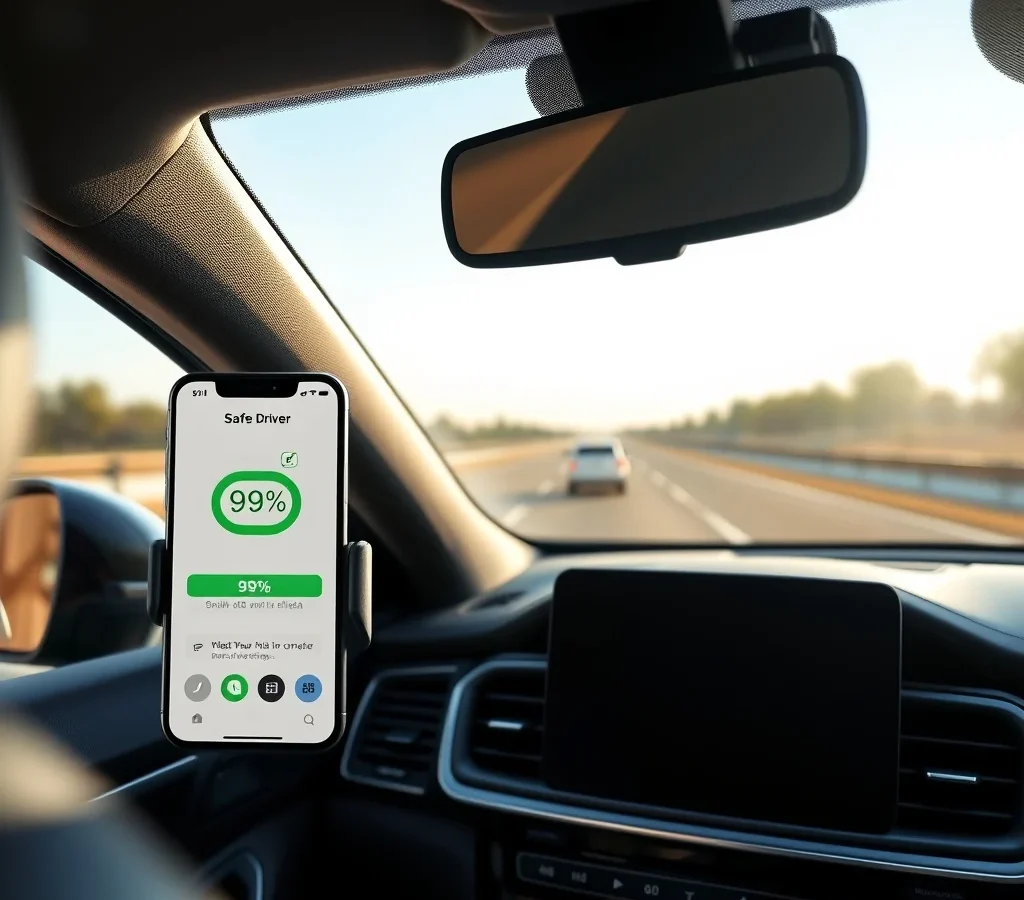
- Mobile Smartphone Apps: The most common method today. You download the insurer’s proprietary app, which uses your phone’s GPS, accelerometer, and gyroscope to monitor your trips automatically.
- Plug-In OBD-II Devices: A small device provided by the insurer that you plug directly into your car’s On-Board Diagnostics (OBD-II) port, usually located under the steering column.
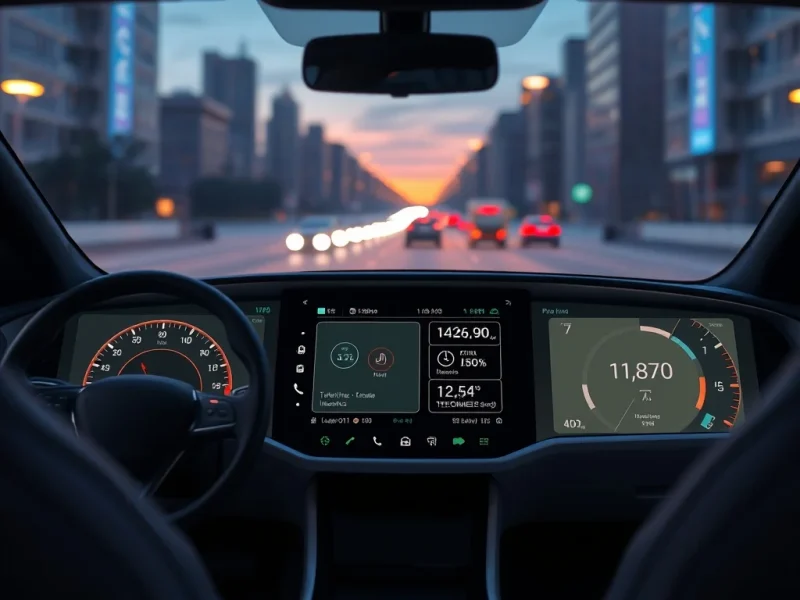
- In-Car Factory Telematics: Built-in systems integrated directly by vehicle manufacturers, such as GM’s OnStar or Subaru’s Starlink, which share data directly with participating insurance companies.
What Data Do Insurance Companies Track?
While specific tracking parameters vary by insurance provider, most telematics programs monitor a core set of driving metrics. These typically include:
- Braking Habits: Frequent, sudden deceleration (hard braking) is often flagged as a high-risk behavior indicating tailgating or distracted driving.
- Acceleration Rates: Rapid, aggressive acceleration is viewed as a sign of risky, impatient driving.
- Speeding: Consistently driving above posted speed limits or traveling at excessively high speeds directly impacts your safety score.
- Time of Day: Driving during high-risk hours—typically between midnight and 4:00 AM—increases your likelihood of being involved in an accident due to fatigue or road hazards.
- Total Mileage: The fewer miles you drive, the lower your statistical exposure to accidents, which usually leads to lower rates.
How Much Can You Actually Save?
Most auto insurance companies offer an immediate sign-up discount just for enrolling in their telematics program, usually ranging from 5% to 10%. Once the initial monitoring period is complete (typically 30 to 90 days, or throughout the policy term), your actual discount is calculated.
Top-tier safe drivers can see ongoing discounts ranging from 15% to as high as 40% off their base premiums. However, it is crucial to understand that these maximum discounts are reserved for exceptionally safe, low-mileage drivers who rarely drive late at night. The average driver participating in a usage-based program typically secures a more modest discount of 10% to 15%.
Traditional vs. Usage-Based Car Insurance
To help you visualize the differences between these two models, here is a direct comparison of how traditional auto insurance stacks up against usage-based programs:
| Feature | Traditional Auto Insurance | Usage-Based Car Insurance |
|---|---|---|
| Pricing Basis | Demographic risk pools, credit scores, and driving history. | Real-time driving behavior and total mileage. |
| Data Collection | None (except historical claims records). | Mobile app, OBD-II device, or built-in vehicle telematics. |
| Premium Adjustments | Adjusted at renewal based on market trends or claims. | Adjusted dynamically or at renewal based on driving scores. |
| Ideal For | High-mileage drivers, late-night commuters, or aggressive drivers. | Low-mileage drivers, cautious commuters, and safe teen drivers. |
| Potential Penalty | No direct penalty for occasional hard braking. | Some insurers may increase rates for poor driving habits. |
The Pros and Cons of Usage-Based Car Insurance
Before installing a tracking device or downloading an app, it is vital to weigh the benefits against the potential drawbacks of this modern insurance structure.
Benefits of Switching
- Financial Incentives for Safe Driving: UBI directly rewards you for your good habits, giving you personal control over your insurance costs.
- Encourages Better Habits: Many drivers report that knowing they are being monitored makes them more conscious of their speed and tailgating, leading to safer roads overall.
- Excellent for Low-Mileage Drivers: If you work from home or only use your vehicle for quick errands, your low exposure to road hazards is reflected in your rates.
- Accident Reconstruction: In the event of a collision, telematics data can sometimes prove you were not at fault by documenting your speed and braking actions leading up to the impact.
Potential Drawbacks and Privacy Concerns
- Privacy Considerations: Sharing continuous GPS location data and driving habits with a large corporation makes many consumers highly uncomfortable.
- Rate Increases: While some insurers promise your rates will never go up based on telematics data, others reserve the right to increase premiums if the data reveals highly aggressive or dangerous driving habits.
- Surcharges for Unavoidable Circumstances: Hard braking is sometimes necessary to avoid a collision caused by another driver. Telematics algorithms often struggle to differentiate between defensive driving and aggressive driving.
- Battery and Data Usage: Smartphone-based apps run constantly in the background, which can accelerate battery drain and consume cellular data.
Common Mistakes to Avoid with Usage-Based Insurance
If you decide to enroll in a telematics program, avoiding these common missteps will help preserve your potential savings:
- Ignoring App Permissions: If you accidentally disable location services or motion tracking, the app cannot log your trips, which may disqualify you from the program or void your discount.
- Allowing Others to Drive Your Car Unmonitored: If a family member with aggressive driving habits uses your vehicle while your phone or OBD-II device is tracking, their poor driving will negatively impact your score.
- Failing to Classify Passenger Trips: If you are a passenger in a taxi, rideshare, or friend’s car, smartphone apps may mistakenly record the trip as your own driving. You must manually log into the app and mark those trips as “passenger” to protect your score.
- Overreacting to Avoid Hard Braking: Never run a red light or risk rear-ending someone just to avoid a “hard braking” event on your app. Safety must always take priority over a minor insurance discount.
Expert Tips for Maximizing Your Telematics Discount
To secure the maximum possible discount on your usage-based car insurance, implement these professional driving strategies:
- Increase Your Following Distance: By maintaining a three-to-four-second gap behind the vehicle in front of you, you will naturally eliminate the need for sudden, hard braking.
- Limit Late-Night Driving: Avoid driving between midnight and 4:00 AM whenever possible. If you must commute during these hours, drive with extreme caution and strictly adhere to speed limits.
- Accelerate Gently: Treat your accelerator pedal with care. Imagine an egg is placed under your foot, and you must accelerate smoothly to avoid breaking it.
- Keep Your Phone Secured: Many mobile telematics apps use your phone’s internal sensors to detect phone distraction. Avoid holding or interacting with your phone while the vehicle is in motion; use hands-free mounts and Bluetooth integration instead.
Frequently Asked Questions
What is usage-based car insurance?
Usage-based car insurance is an auto policy where your premium is calculated using real-time driving data collected via a mobile app, OBD-II plug-in device, or built-in vehicle system, rewarding safe driving habits with lower rates.
Can my rates go up if I drive poorly?
It depends on your insurance provider. Some companies guarantee that participating will only lower your rates or keep them flat, while other insurers reserve the right to increase your premiums if the data reveals high-risk habits.
What exactly does the telematics app track?
Most telematics programs track hard braking, rapid acceleration, speeding, total mileage, time of day, and mobile phone distraction while the vehicle is in motion.
Is usage-based car insurance safe from data breaches?
While insurance companies employ robust cybersecurity measures and data encryption to protect policyholder information, any digital platform carries a baseline risk of data breaches. Always review your insurer’s privacy policy before enrolling.
Does telematics drain your smartphone battery?
Yes, because smartphone-based telematics apps rely on continuous GPS tracking and sensor monitoring, they can cause faster battery consumption. Keeping your phone plugged into a car charger during trips is highly recommended.
Can I opt out of a usage-based insurance program?
Yes, you can opt out of a telematics program at any time. However, doing so will result in the loss of your participation discount, and your premium will revert to standard rates at your next renewal.
Is pay-per-mile the same as usage-based insurance?
They are related but distinct. Pay-per-mile insurance charges a flat daily rate plus a per-mile fee, focusing solely on distance. Usage-based insurance focuses primarily on how safely you drive, though mileage is often a secondary factor.
Who benefits the most from usage-based car insurance?
Low-mileage drivers, remote workers, cautious commuters, and safe teen drivers looking to offset high demographic insurance rates benefit the most from usage-based programs.
Conclusion
Usage-based car insurance represents a major shift toward personalized, transparent pricing in the auto insurance industry. For safe, defensive drivers who drive moderate distances and avoid late-night road trips, telematics programs offer an unparalleled opportunity to lower monthly premiums. However, if you value absolute privacy or have a long, hectic daily commute, a traditional policy may still serve you best.
Are you ready to see how much your safe driving habits could save you? Contact your current auto insurance provider today to ask about their specific telematics options, or compare usage-based quotes from multiple carriers online to find the perfect fit for your lifestyle and budget.