
For decades, auto insurance companies calculated premiums using broad demographic data. Factors like your age, zip code, credit score, and gender determined what you paid, regardless of how safely or how little you actually drove. Today, a technological shift is changing this paradigm. Usage-based car insurance (UBI) allows drivers to pay premiums based on their actual driving habits and mileage rather than generalized risk pools.
By leveraging telematics technology, insurers can now monitor real-time driving behaviors. This means safe, low-mileage drivers no longer have to subsidize the high-risk behaviors of others. If you are looking for ways to lower your auto insurance rates, understanding how usage-based programs work is a crucial first step toward securing significant savings.
What Is Usage-Based Car Insurance?
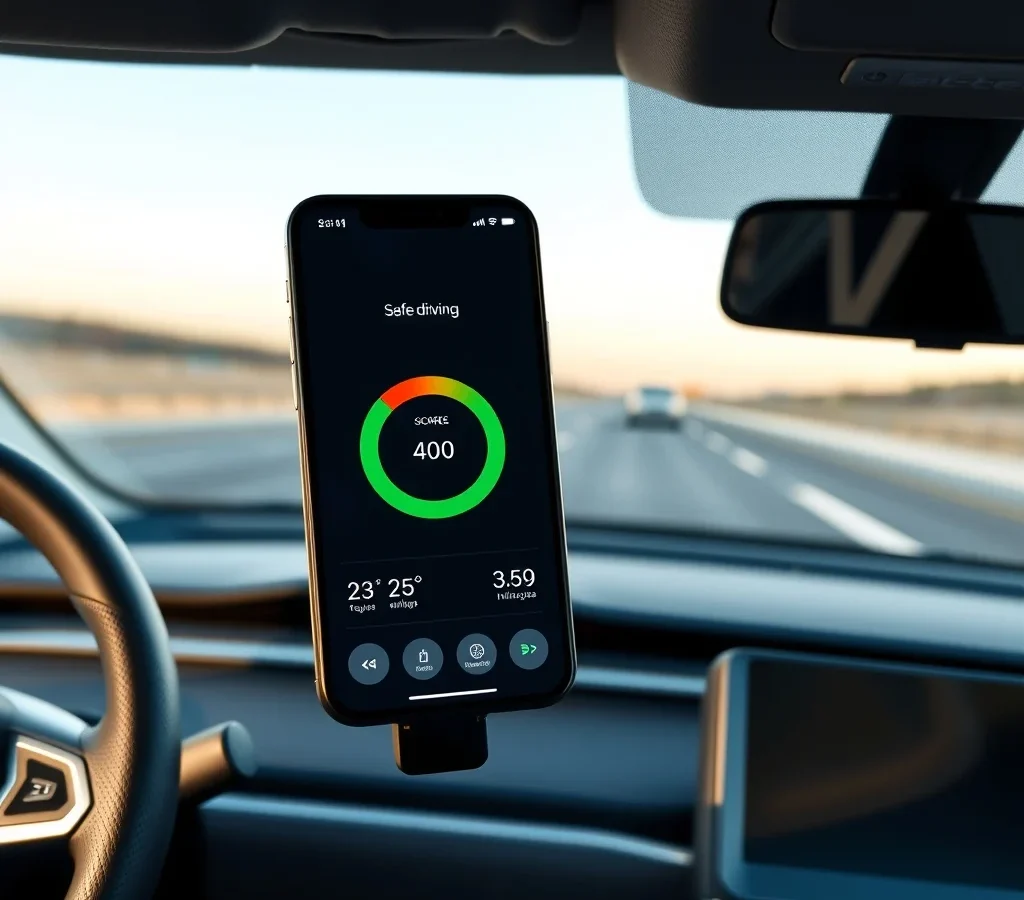
Usage-based car insurance is a type of auto insurance policy that calculates premiums based on real-time driving data. Instead of relying solely on historical actuarial tables, insurers install a small telematics device in your vehicle’s OBD-II port or use a mobile smartphone application to track how, when, and how much you drive.
The fundamental promise of usage-based car insurance is simple: drive safely and drive less, and you will be rewarded with lower premiums. According to industry data, drivers who transition to telematics programs can save anywhere from 10% to 40% off their standard premiums, depending on their habits and the specific insurer’s program structure.
How Telematics Car Insurance Works
When you enroll in a telematics program, your insurer tracks several specific driving behaviors over a set evaluation period—typically 30 to 90 days—or continuously throughout the life of the policy. The data collected is processed by algorithms to generate a proprietary driving score. This score directly influences your premium or determines the discount applied to your renewal rate.
Insurers generally track the following key metrics to assess your risk profile:
- Braking Habits: Frequent, hard braking is one of the strongest indicators of tailgating and distracted driving. Telematics systems track sudden decreases in speed (usually defined as a drop of 7-10 mph or more in one second).
- Acceleration: Rapid acceleration or “jackrabbit starts” indicate aggressive driving behavior and contribute to higher risk scores.
- Speeding: Consistently driving above the posted speed limit or traveling at speeds exceeding 80 mph significantly lowers your safety score.
- Time of Day: Driving during high-risk hours—specifically between 11:00 PM and 4:00 AM on weekends—increases your likelihood of being involved in an accident due to fatigue or compromised road conditions.
- Mileage: The fewer miles you drive, the lower your exposure to potential accidents. Some programs focus exclusively on this metric.
- Phone Distraction: Mobile app-based telematics can detect when a driver actively handles their phone while the vehicle is in motion.
The Two Main Types of Usage-Based Insurance
Not all usage-based car insurance programs are identical. Depending on your lifestyle and daily commute, you may find one approach far more beneficial than the other.
1. Pay-How-You-Drive (PHYD)
This is the most common form of telematics car insurance. Programs like Progressive Snapshot, State Farm Drive Safe & Save, and Allstate Drivewise monitor your overall driving behavior. Your mileage is factored in, but your safety score is the primary driver of your discount.
2. Pay-As-You-Go / Pay-Per-Mile
If you work from home, use public transit, or drive less than 10,000 miles per year, pay-per-mile insurance (such as Nationwide SmartMiles or Mile Auto) may offer the highest savings. Under this model, you pay a flat daily base rate plus a few cents for every mile you actually drive. Your driving behavior may or may not be tracked for additional discounts.
Comparing Auto Insurance Models
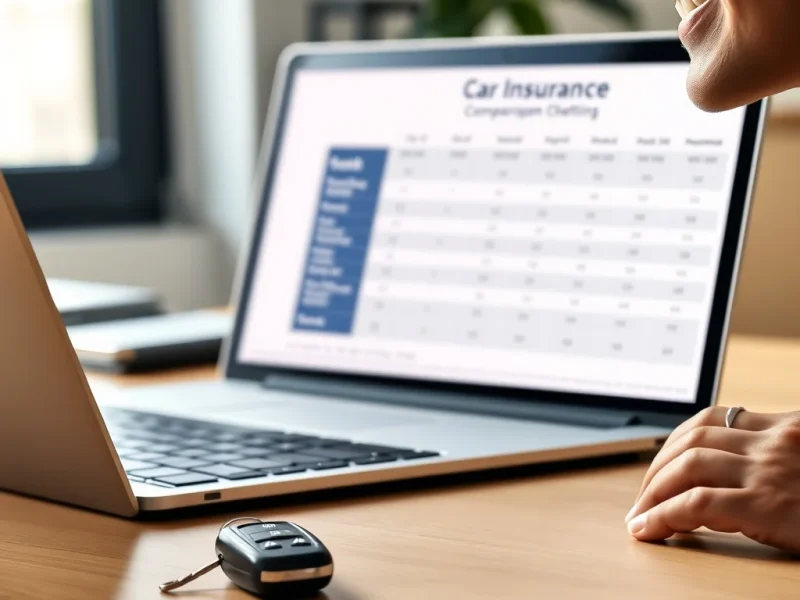
To help you determine which structure aligns with your driving patterns, consider this comparison of traditional, pay-how-you-drive, and pay-per-mile insurance models:
| Feature | Traditional Insurance | Pay-How-You-Drive (PHYD) | Pay-Per-Mile Insurance |
|---|---|---|---|
| Pricing Basis | Demographics & driving history | Driving behaviors & safety scores | Flat daily rate + per-mile fee |
| Best For | High-mileage, average drivers | Safe drivers with moderate mileage | Low-mileage drivers (under 10k/yr) |
| Tracking Method | None | Mobile app or OBD-II device | Mobile app, OBD-II, or odometer photo |
| Average Savings | Standard market rates | 10% to 40% discount based on score | Up to 50% for extremely low mileage |
| Potential Penalty | None (rates based on claims/tickets) | Some insurers may raise rates for poor driving | Higher costs if daily mileage increases |
The Benefits of Usage-Based Car Insurance
Transitioning to a telematics-based policy offers multiple advantages beyond simple cost reduction. For many consumers, the benefits extend to personal safety and vehicle security.
- Substantial Cost Control: UBI puts you in control of your premium. Instead of accepting annual rate hikes, you can actively lower your costs by adjusting your driving habits.
- Encourages Safer Driving Habits: Real-time feedback from telematics apps acts as a coaching tool. Studies show that drivers using telematics reduce hard braking incidents by up to 20% within the first few months.
- Accurate Accident Reconstruction: In the event of a collision, telematics data can prove your speed and braking actions, protecting you from fraudulent claims or unfair liability assessments.
- Stolen Vehicle Recovery: OBD-II devices with built-in GPS tracking can assist law enforcement in quickly locating your vehicle if it is stolen.
Drawbacks and Privacy Concerns to Consider
While the financial benefits are compelling, usage-based car insurance is not without its challenges. It is vital to weigh these drawbacks before sharing your personal data.
First and foremost is the issue of data privacy. Telematics devices track your location, travel times, and driving habits continuously. While insurers claim they do not sell this data to third parties, many consumers feel uncomfortable with constant surveillance. Additionally, mobile telematics apps can drain your smartphone battery and consume cellular data in the background.
Another consideration is the potential for accidental penalties. Defensive driving maneuvers, such as slamming on the brakes to avoid a sudden hazard or an animal, can be falsely flagged as aggressive driving. Furthermore, if you work a night shift, your mandatory commute during high-risk late-night hours will negatively impact your safety score through no fault of your own.
Expert Tips for Maximizing Your Telematics Discount
If you decide to enroll in a usage-based insurance program, use these strategic driving tips to secure the highest possible discount:
- Increase Your Following Distance: Maintaining a three-to-four-second gap behind the vehicle in front of you reduces the need for sudden, hard braking.
- Anticipate Traffic Signals: Coast toward red lights and slow down gradually rather than braking abruptly at the intersection.
- Limit Late-Night Driving: Whenever possible, avoid driving between 11:00 PM and 4:00 AM. If you must travel during these hours, drive with extreme caution to offset the time-of-day penalty.
- Consolidate Your Errands: Combine multiple short trips into a single journey to reduce your total mileage and cold-start engine wear.
- Monitor the App Feedback: Review your driving logs weekly. Identifying specific areas where you lose points allows you to correct those habits immediately.
Common Mistakes to Avoid with Usage-Based Insurance
To prevent your rates from staying flat—or worse, increasing—avoid these common telematics pitfalls:
- Letting Others Drive Your Car: If a friend or family member with aggressive driving habits borrows your car, their poor driving will drag down your score.
- Ignoring App Permissions: If your phone’s GPS or motion sensors are disabled, the app cannot log your safe trips, resulting in a loss of potential discounts.
- Assuming All Programs Are Risk-Free: Some insurance companies reserve the right to increase your premiums if their telematics data reveals highly aggressive driving or excessive speeding. Always read the fine print.
- Classifying Passenger Trips Incorrectly: Mobile apps sometimes mistake you for the driver when you are actually a passenger in a friend’s car, a bus, or a rideshare vehicle. Check the app regularly to classify these trips correctly.
Frequently Asked Questions
What is usage-based car insurance?
Usage-based car insurance is an auto policy that calculates your premium using real-time driving data. By tracking metrics like speed, braking, mileage, and time of day via a mobile app or plug-in device, insurers reward safe and low-mileage drivers with discounted rates.
How much can I save with telematics car insurance?
Most insurance companies offer an immediate sign-up discount of 5% to 10% just for enrolling. Upon completing the tracking period, safe drivers can earn ongoing renewal discounts ranging from 15% to 40% off their premium.
Does usage-based car insurance track your location?
Yes, most usage-based programs track your location via GPS to evaluate where you drive and to determine if you are traveling through high-accident zones. However, some strictly pay-per-mile programs only track odometer readings without logging GPS coordinates.
Can my car insurance rates go up if I drive poorly?
It depends on the insurance company. While many insurers promise that your rates will not increase based on telematics data, some major carriers reserve the right to raise premiums for drivers who consistently engage in high-risk behaviors like extreme speeding or hard braking.
What driving behaviors do telematics devices monitor?
Telematics programs primarily monitor hard braking, rapid acceleration, high-speed driving, time of day (specifically late-night driving), total miles driven, and phone distraction such as swiping or unlocking your screen while driving.
Is pay-per-mile insurance the same as usage-based insurance?
Pay-per-mile is a specific subcategory of usage-based insurance. While standard usage-based programs focus heavily on how safely you drive, pay-per-mile programs focus almost entirely on how far you drive, charging a flat daily rate plus a small per-mile fee.
How does a plug-in telematics device affect my car’s battery?
OBD-II telematics devices draw a tiny amount of power from your car’s battery to transmit data. While this will not affect a healthy battery under normal driving conditions, it can cause battery strain if the vehicle is left sitting unused for several weeks.
Is usage-based car insurance worth it for high-mileage drivers?
If you drive more than 15,000 miles per year or regularly commute during rush hour and late-night hours, usage-based insurance may not yield significant savings. High-mileage drivers are usually better off sticking with traditional policies or seeking standard discounts.
Conclusion
Usage-based car insurance is transforming the auto insurance landscape by shifting the focus from demographic risk to individual driver behavior. If you are a safe driver, a work-from-home professional, or someone who drives less than average, enrolling in a telematics program can dramatically lower your car insurance premiums. By understanding how these programs track your habits and actively adopting safer driving techniques, you can take control of your financial outlook on the road.
Ready to see how much you can save? Contact your current auto insurance provider to ask about their telematics options, or compare quotes online to find a usage-based policy tailored to your unique driving habits.