
The automotive landscape is undergoing its most profound transformation in a generation. As vehicles become more connected, autonomous, and electrified, the systems we use to protect them must adapt. Understanding the dominant auto insurance trends 2026 presents is no longer just for industry insiders—it is a financial necessity for every driver looking to keep their premiums manageable in a volatile market.
In recent years, drivers have faced unprecedented premium hikes driven by inflation, rising vehicle repair costs, and a surge in severe accidents. However, 2026 marks a turning point. The integration of advanced telematics, artificial intelligence (AI) claims processing, and tailored electric vehicle (EV) policies are shifting the industry from a reactive model to a highly personalized, proactive system. Here is a comprehensive look at how these changes will impact your wallet and your coverage.
The Rise of Telematics and Pay-How-You-Drive Pricing
One of the most disruptive auto insurance trends 2026 highlights is the near-ubiquity of telematics. Gone are the days when your insurance premium was determined solely by broad demographic factors like your age, zip code, and credit score. Instead, insurers are increasingly using real-time driving data to price policies.
How Behavior-Based Pricing Works
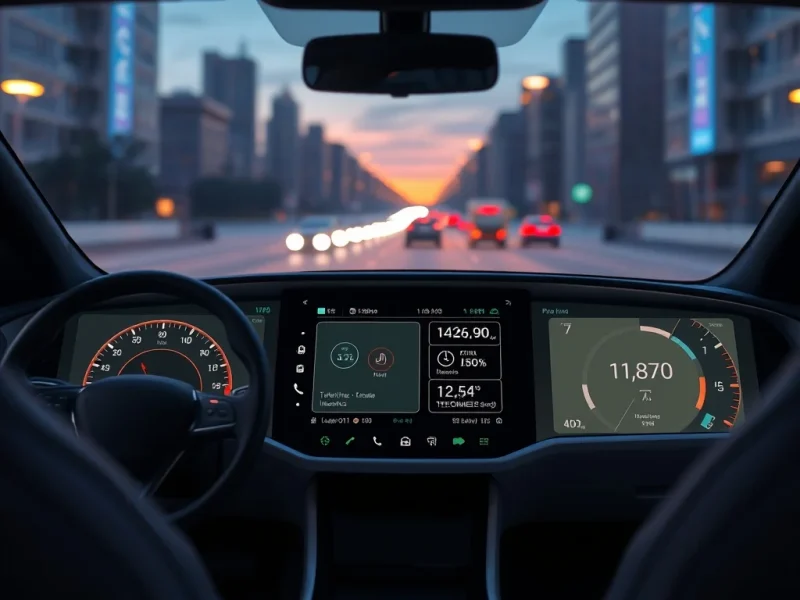
Telematics programs use either a plug-in device, a smartphone app, or your vehicle’s built-in connected software to track your driving habits. Insurers monitor specific metrics, including:
- Braking habits: Frequent hard braking indicates tailgating or distracted driving.
- Acceleration patterns: Rapid acceleration can signal aggressive driving behavior.
- Time of day: Driving during high-risk hours, such as between midnight and 4:00 AM, increases risk.
- Speeding: Consistently exceeding the speed limit directly correlates with higher premium calculations.
The Shift to Pay-How-You-Drive (PHYD)
By 2026, the industry is moving past basic “pay-per-mile” models toward highly sophisticated “pay-how-you-drive” (PHYD) systems. Drivers who demonstrate safe, defensive driving habits can see discounts of up to 40% off their base rates. Conversely, high-risk drivers may see their rates adjust upward in real-time, making safe driving a direct financial incentive.
Artificial Intelligence in Claims and Underwriting
Artificial intelligence is no longer a futuristic concept in the insurance sector; it is the engine driving operational efficiency in 2026. Insurers are leveraging AI to streamline everything from the initial quote to the final claims payout.
Instant Claims Processing
If you get into a minor fender bender in 2026, you likely won’t have to wait days for an adjuster to inspect your vehicle. Instead, you can upload photos of the damage via a mobile app. AI-powered computer vision algorithms instantly analyze the images, compare them against vast databases of repair costs, estimate the damage, and approve payouts within minutes. This drastically reduces administrative overhead, helping to stabilize premium costs for consumers.
Predictive Risk Modeling
AI also allows insurance companies to predict risk with extreme accuracy. By analyzing weather patterns, local traffic density, and historical accident data, AI systems can dynamically assess risk levels. This allows for more stable underwriting, reducing the likelihood of sudden, unexpected premium spikes for low-risk policyholders.
The Electric Vehicle (EV) Insurance Premium Surge
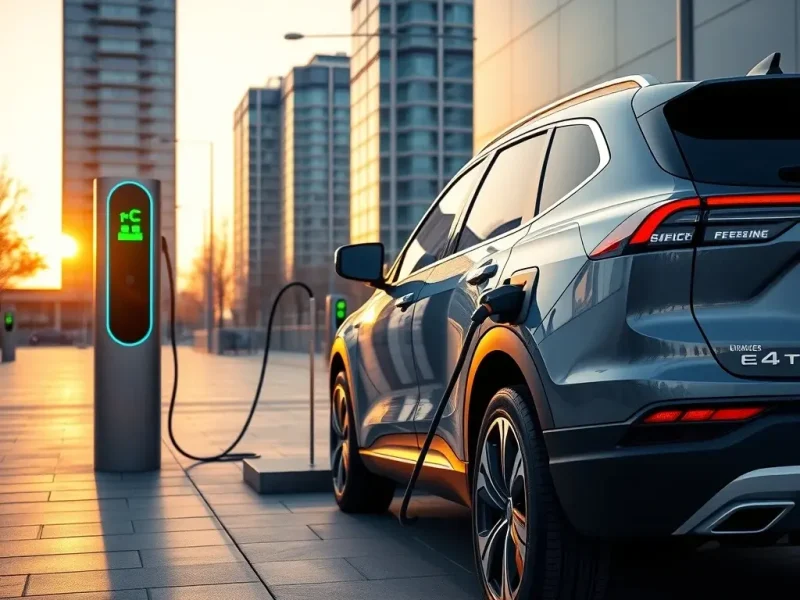
As electric vehicles capture a larger share of the global automotive market, insuring them has become a complex challenge. While EVs offer substantial environmental benefits and lower fuel costs, they remain significantly more expensive to insure than their internal combustion engine (ICE) counterparts.
Why EV Insurance Remains Costly
The premium disparity for EVs is driven by several structural factors:
- High battery replacement costs: The battery pack is the most expensive component of an EV. Even minor undercarriage damage can compromise the battery, leading insurers to write off the vehicle as a total loss.
- Specialized repair labor: Repairing EVs requires specialized technicians certified in high-voltage systems, commanding higher hourly labor rates.
- Advanced sensor integration: Modern EVs are packed with cameras, radar, and LiDAR sensors often located in bumpers and windshields, making simple repairs highly complex and expensive.
By 2026, however, we are seeing the introduction of specialized EV insurance policies. Manufacturers are partnering directly with insurers to offer integrated coverage that accounts for the specific safety features and telemetry of their vehicles, helping to slowly bring these premium costs down.
Traditional vs. Next-Gen Auto Insurance in 2026
To understand how the market is shifting, it is helpful to compare traditional insurance models with the next-generation options dominant in 2026.
| Feature | Traditional Auto Insurance | 2026 Next-Gen Insurance |
|---|---|---|
| Pricing Basis | Demographics, credit score, zip code, and driving history. | Real-time driving behavior, precise mileage, and vehicle diagnostics. |
| Claims Processing | Manual inspection, phone calls, and physical paperwork taking weeks. | AI-assisted photo analysis and instant digital payouts in minutes. |
| Policy Customization | Rigid, pre-packaged coverage tiers. | Highly dynamic, modular, and usage-based options. |
| Vehicle Integration | None; completely detached from the car’s technology. | Direct API connection with the vehicle’s connected operating system. |
Economic Factors Driving Car Insurance Rates in 2026
While technology is reshaping the mechanics of insurance, macroeconomic factors continue to exert pressure on rates. Understanding these economic drivers can help you anticipate market shifts.
First, supply chain stabilization has helped moderate the cost of vehicle parts, but labor shortages in the collision repair industry persist. This keeps repair times long and rental car costs high during claims. Second, the increasing frequency of severe weather events has led to higher comprehensive claims nationwide, forcing insurers to adjust their overall risk pools. Drivers in disaster-prone areas will likely see higher baseline rates regardless of their individual driving habits.
Expert Tips for Navigating the 2026 Insurance Landscape
Adapting to these changes requires a proactive approach. Use these expert strategies to keep your auto insurance costs as low as possible:
- Embrace telematics cautiously: If you are a safe, defensive driver who rarely drives late at night, opting into a telematics program is the fastest way to lower your premium.
- Shop around before every renewal: The algorithm updates used by insurers in 2026 mean that pricing models change rapidly. A company that was expensive for you last year might offer the most competitive rate today.
- Improve your credit score: In states where it is legally permitted, your credit score remains a massive factor in determining your baseline insurance tier.
- Audit your mileage: With remote and hybrid work remaining common, ensure your policy accurately reflects your annual mileage. Overestimating your commute can cost you hundreds of dollars annually.
Common Mistakes to Avoid When Buying Insurance in 2026
Avoid these common pitfalls when updating or purchasing your policy:
- Assuming your old policy structure fits a high-tech car: If you buy a newer vehicle with advanced driver assistance systems (ADAS), ensure your policy recognizes these safety features to secure eligible discounts.
- Failing to review data privacy terms: When signing up for telematics, read the fine print. Ensure you understand how your driving data is stored, shared, and whether it can be sold to third parties.
- Sacrificing essential liability limits for lower premiums: While saving money is important, lowering your liability limits to the state minimum leaves you highly vulnerable to lawsuits in severe accidents.
- Neglecting to update your driver list: Leaving household members off your policy can lead to denied claims if they are involved in an accident while driving your vehicle.
Frequently Asked Questions
What are the major auto insurance trends 2026 will bring?
The major trends include the widespread adoption of behavior-based telematics, rapid AI-driven claims processing, specialized insurance structures for electric vehicles, and highly personalized, dynamic pricing models based on real-time vehicle data.
Will car insurance rates go down in 2026?
While overall baseline rates may remain high due to inflation and expensive vehicle technology, safe drivers who utilize telematics and personalized policies will have more opportunities to lower their individual premiums than ever before.
How does telematics affect my auto insurance premiums?
Telematics tracks your real-time driving habits, such as braking, speed, and mileage. Safe driving habits can earn you substantial discounts, while aggressive driving behavior could potentially increase your rates depending on the insurer.
Why is electric vehicle (EV) insurance more expensive?
EV insurance is more expensive because of the high cost of battery replacement, the need for specialized repair technicians, and the expensive sensor arrays embedded in the vehicle’s body panels that require precise calibration after an accident.
What is pay-per-mile car insurance, and is it worth it?
Pay-per-mile insurance charges a low base rate plus a flat per-mile fee. It is highly beneficial and cost-effective for low-mileage drivers, remote workers, or households with secondary vehicles that are rarely driven.
How is AI being used by auto insurance companies?
AI is used to automate claims processing through instant photo analysis of vehicle damage, optimize underwriting models to predict risk accurately, and provide 24/7 customer support through advanced virtual assistants.
Can driving history from years ago still affect my 2026 rates?
Yes, most insurance companies look at a three- to five-year window for your driving record. Accidents, speeding tickets, and DUIs from previous years will continue to influence your baseline rates in 2026.
How can I lower my car insurance costs in 2026?
You can lower your costs by enrolling in telematics programs, maintaining an excellent credit score, shopping around for quotes regularly, taking defensive driving courses, and bundling your auto insurance with home or renters policies.
Conclusion
The auto insurance landscape of 2026 is defined by personalization, speed, and technology. While macroeconomic pressures keep repair costs high, the shift toward telematics and AI-driven underwriting gives drivers unprecedented control over their premiums. By adopting safe driving habits, leveraging behavior-based pricing, and remaining proactive during policy renewals, you can successfully navigate these changes and secure the most affordable coverage possible. Take the first step today by requesting a personalized telematics quote and evaluating how your current policy aligns with these modern advancements.