

Car insurance is an unavoidable expense for drivers, but paying top dollar for coverage does not have to be the norm. With average premiums climbing steadily due to inflation, vehicle complexity, and rising repair costs, finding practical ways to lower your monthly bills is more critical than ever. Learning how to save money on car insurance does not mean you have to compromise your financial safety net; instead, it is about optimizing your policy to match your actual driving habits and risk profile.
This comprehensive guide breaks down actionable strategies, hidden discounts, and smart policy adjustments that can help you slash your rates while keeping robust protection intact. Whether you are a seasoned driver looking to optimize your budget or a young driver facing high initial premiums, these industry-tested approaches will help you regain control of your automotive expenses.
Understand What Determines Your Car Insurance Rates
Before diving into saving strategies, it is essential to understand how insurance companies calculate your premium. Actuaries assess risk using a variety of personal and environmental data points. By understanding these factors, you can make lifestyle and policy adjustments that naturally drive your costs down.
The most common factors affecting car insurance rates include:
- Driving Record: A clean history with no accidents, speeding tickets, or moving violations is the single most powerful tool for keeping rates low.
- Location: Insurance rates vary significantly by ZIP code. Urban areas with high traffic density, vandalism, or severe weather risks typically face higher premiums than quiet rural suburbs.
- Vehicle Type: High-performance sports cars, luxury imports, and vehicles with high theft rates cost more to insure. Safe, reliable family sedans and SUVs with high crash-test ratings generally cost less.
- Credit History: In most states, insurers use credit-based insurance scores to predict the likelihood of a policyholder filing a claim. A higher credit score directly correlates with lower premium rates.
- Age and Gender: Younger, inexperienced drivers pay higher rates due to statistically higher accident frequencies. Rates typically stabilize as drivers reach age 25 and remain favorable through their senior years.
7 Proven Ways to Save Money on Car Insurance
Slashing your insurance bill requires a proactive approach. By implementing these seven strategies, you can systematically eliminate unnecessary coverages and capitalize on available savings opportunities.
1. Shop Around and Compare Car Insurance Quotes Online
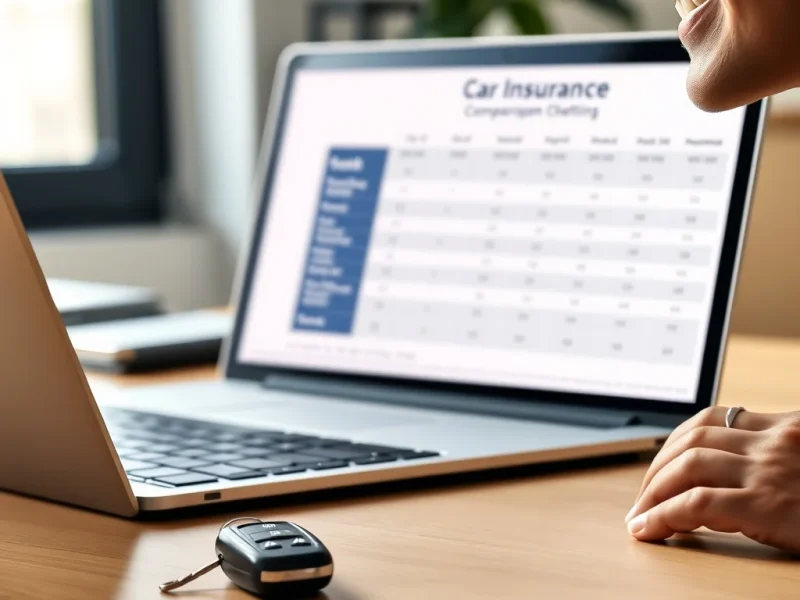
One of the most common mistakes policyholders make is staying with the same carrier out of habit. Insurance companies frequently update their pricing algorithms, meaning the company that offered you the best rate two years ago might no longer be competitive. Experts recommend shopping around and getting car insurance quotes online at least once a year, or whenever you experience a major life event like moving, buying a new car, or getting married.
2. Leverage Car Insurance Discounts
Insurers offer a wide array of discounts that often go unapplied simply because policyholders do not ask for them. When reviewing your policy, make sure you are taking advantage of every eligible category:
- Good Student Discount: Full-time students with a ‘B’ average or higher can save up to 15% on their premiums.
- Paperless and Auto-Pay: Setting up automatic monthly payments and opting for electronic statements usually yields an instant, small discount.
- Low-Mileage Discount: If you work from home or have a short commute, you may qualify for a discount by driving fewer than 7,500 miles per year.
- Affiliation Discounts: Many insurers partner with universities, military branches, professional organizations, and major employers to offer group discounts.
3. Opt for Usage-Based or Telematics Insurance
If you are a safe driver who does not spend hours on the road every day, usage-based car insurance (also known as telematics) could save you up to 30% or more. This technology tracks your driving habits—such as speed, braking intensity, cornering, and the times of day you drive—using a smartphone app or a plug-in device. Safe habits are rewarded with personalized, lower premiums, while pay-per-mile options are ideal for low-mileage drivers who only want to pay for the exact distance they travel.
4. Adjust Your Deductibles Wisely
The deductible is the amount of money you pay out of pocket before your insurance coverage kicks in for a claim. By raising your deductible—for example, from $250 to $1,000—you assume more initial financial risk, which in turn lowers your monthly premium significantly. However, you must ensure that you keep this deductible amount saved in an emergency fund so you can easily cover it if an accident occurs.
5. Bundle Home and Auto Insurance
Multi-policy bundling is one of the easiest and most lucrative ways to save on insurance. If you purchase your homeowners, renters, or condo insurance from the same provider that insures your vehicle, you can save anywhere from 10% to 25% across both policies. This approach also simplifies your financial life by consolidating your bills under a single insurance portal.
6. Maintain a Clean Driving Record
A pristine driving record is your best defense against premium hikes. Avoid distracted driving, obey speed limits, and never drive under the influence. If you do receive a minor traffic ticket, ask your insurer or local court if completing a certified defensive driving course can prevent the violation from impacting your insurance record or even qualify you for an additional safe-driver discount.
7. Re-evaluate Your Coverage Needs
As your car ages, its market value depreciates. If you are driving an older vehicle that is worth less than $4,000, it may no longer make financial sense to carry collision and comprehensive insurance. A good rule of thumb is to calculate whether your annual premium plus your deductible exceeds the actual cash value of your vehicle. If it does, dropping down to liability-only coverage can save you hundreds of dollars annually.
Comparing High-Value vs. Low-Value Saving Strategies
Not all saving strategies yield the same results. Use this comparison table to identify which tactics offer the best balance of effort, risk, and financial return for your unique situation.
| Strategy | Savings Potential | Ease of Implementation | Best For |
|---|---|---|---|
| Bundling Policies | High (15% – 25%) | Easy | Homeowners and renters with multiple assets |
| Increasing Deductibles | Medium (10% – 15%) | Easy | Drivers with emergency savings |
| Telematics / Pay-per-Mile | High (Up to 30%+) | Medium | Safe drivers with low annual mileage |
| Shopping Around Annually | High (Variable) | Medium | Every driver looking for the best market rate |
| Dropping Optional Coverage | Medium (Variable) | Easy | Owners of older, fully-paid-off vehicles |
Expert Tips for Maximizing Your Savings
- Improve Your Credit Score: Pay bills on time, reduce credit card balances, and monitor your credit report for errors to maintain a high score that insurers reward.
- Inquire About Safety Features: Modern safety additions like anti-lock brakes, lane-departure warnings, and anti-theft tracking systems can qualify your vehicle for extra discounts.
- Review Your Policy at Renewal: Never let your policy auto-renew without looking closely at the premium changes and calling your agent to see if new discounts can be applied.
Common Mistakes to Avoid When Trying to Lower Premiums
- Dropping Essential Liability Limits: While state minimum liability limits are cheap, they rarely offer enough financial protection in a severe accident. Avoid cutting your liability limits too low just to save a few dollars.
- Failing to Disclose Accurate Mileage: Misrepresenting how much you drive to secure a low-mileage discount is considered insurance fraud and can lead to a denied claim or policy cancellation.
- Neglecting to Shop Around After a Clean Record Period: If you had an accident or ticket that recently fell off your record (typically after 3 to 5 years), your current insurer might not automatically lower your rate. You must actively shop around to capitalize on your restored clean record.
Frequently Asked Questions
How does raising my deductible help save money on car insurance?
Raising your deductible reduces the financial risk the insurance company assumes. Because you agree to pay a larger portion of any repair costs out of pocket before the insurance coverage begins, the insurer rewards you with a lower monthly premium.
Can switching car insurance companies during my policy term save me money?
Yes, you can switch insurance companies at any time. If you find a significantly lower rate with another provider mid-term, you can cancel your existing policy. Most insurers will refund the unused portion of your prepaid premium, though some may charge a small cancellation fee.
Will my credit score affect my auto insurance premiums?
In most states, yes. Actuaries have found a strong correlation between credit history and claim frequency. Drivers with excellent credit scores generally pay lower premiums, while those with lower credit scores are viewed as higher risk and face higher rates.
What is usage-based car insurance, and is it worth it?
Usage-based car insurance uses telematics technology to monitor your actual driving behavior. If you drive safely, keep low mileage, and avoid driving late at night, it is highly worth it, as it can yield substantial discounts that traditional policies cannot offer.
How much can I save by bundling home and auto insurance?
Bundling your home and auto insurance policies under a single insurance provider typically yields a discount of 10% to 25% on both premiums, making it one of the most effective and hassle-free ways to lower your overall insurance costs.
Does the type of car I drive impact my insurance rates?
Absolutely. Cars that are expensive to repair, have high theft rates, or feature powerful engines cost significantly more to insure. Safe vehicles with excellent crash-test ratings and moderate repair costs, such as standard sedans and compact SUVs, enjoy much lower rates.
Should I drop full coverage on an older vehicle to save money?
If your vehicle is worth less than ten times your annual comprehensive and collision premium, dropping full coverage is usually a smart financial move. It prevents you from paying more in premiums over time than the car is actually worth.
Are there special car insurance discounts for young drivers or students?
Yes. Young drivers can save money by staying on their parents’ policy, maintaining a ‘B’ average or higher to qualify for a good student discount, or completing an approved driver education or defensive driving course.
Conclusion
Finding how to save money on car insurance is an ongoing process of assessment and optimization. By understanding the factors that dictate your premiums, shopping around regularly, taking advantage of targeted discounts, and adjusting your coverage to match your vehicle’s depreciation, you can secure robust coverage without overpaying. Take control of your auto insurance costs today by requesting competitive quotes and reviewing your policy details with a licensed professional.