
The landscape of vehicle ownership is shifting at a breakneck pace. As we look closely at the auto insurance trends 2026 is bringing to the forefront, it is clear that traditional premium models are giving way to highly personalized, technology-driven alternatives. Drivers are no longer just evaluated by their age, zip code, and credit score; instead, how, when, and where they drive are becoming the primary metrics for determining coverage costs.
For decades, the insurance industry relied on historical demographic data to calculate risk. Today, macroeconomic pressures, skyrocketing vehicle repair costs, and the rapid integration of artificial intelligence (AI) are forcing carriers to rewrite their playbooks. Understanding these shifts is crucial for any driver looking to protect their vehicle without overpaying.
The Driving Forces Behind Auto Insurance Trends in 2026
Several macroeconomic and technological factors are converging to reshape the insurance market. First, the complexity of modern vehicles has escalated dramatically. Even minor fender-benders now involve recalibrating sensitive Advanced Driver Assistance Systems (ADAS) such as radar sensors, cameras, and ultrasonic park assists. This high-tech equipment has pushed average repair costs upward, directly impacting premium rates across the board.
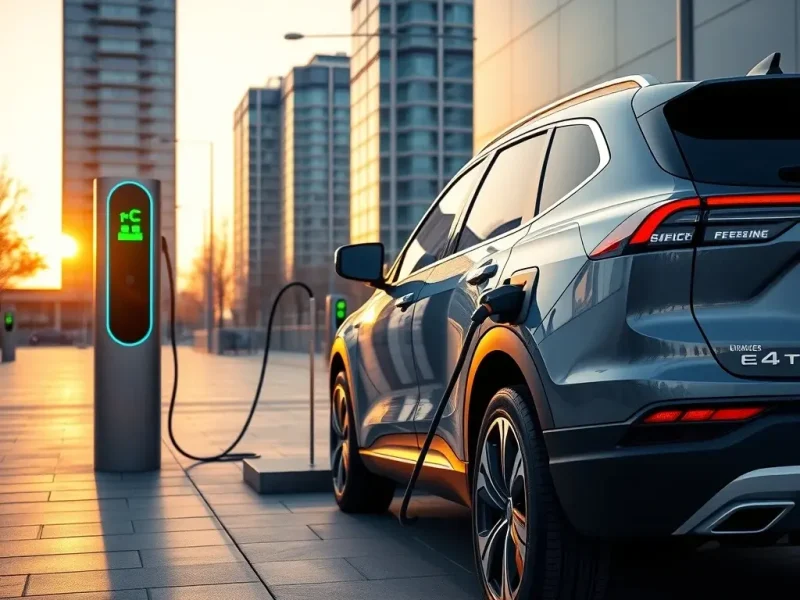
Second, the ongoing adoption of electric vehicles (EVs) introduces unique risk profiles. While EVs have fewer moving parts, their battery packs are incredibly expensive to replace and require specialized technicians to service. Consequently, insurers are adjusting their actuarial models to reflect these distinct repair dynamics.
Finally, climate-related risks are shifting geographic pricing models. Increased frequencies of severe weather events, from hailstorms to localized flooding, have led insurers to re-evaluate risk zones. This means location-based premium adjustments are becoming more dynamic and sensitive to environmental changes.
The Rise of Telematics and Pay-Per-Mile Models
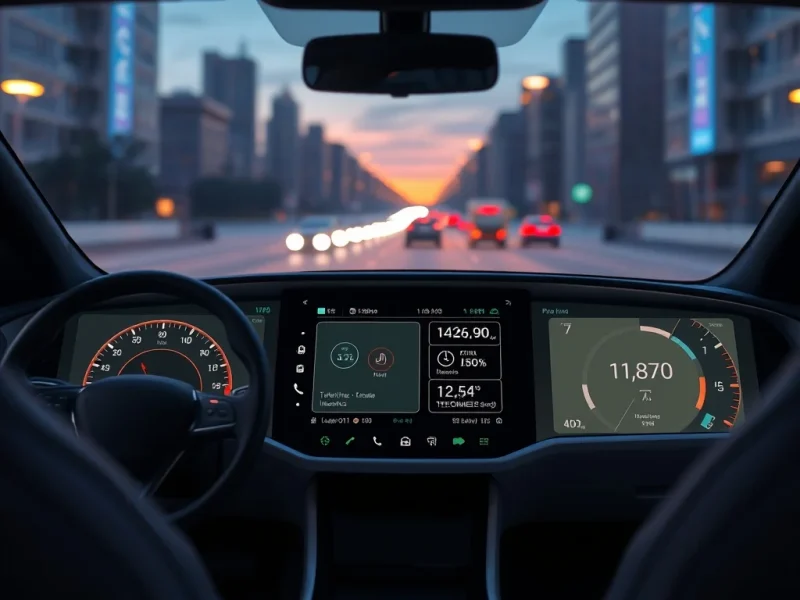
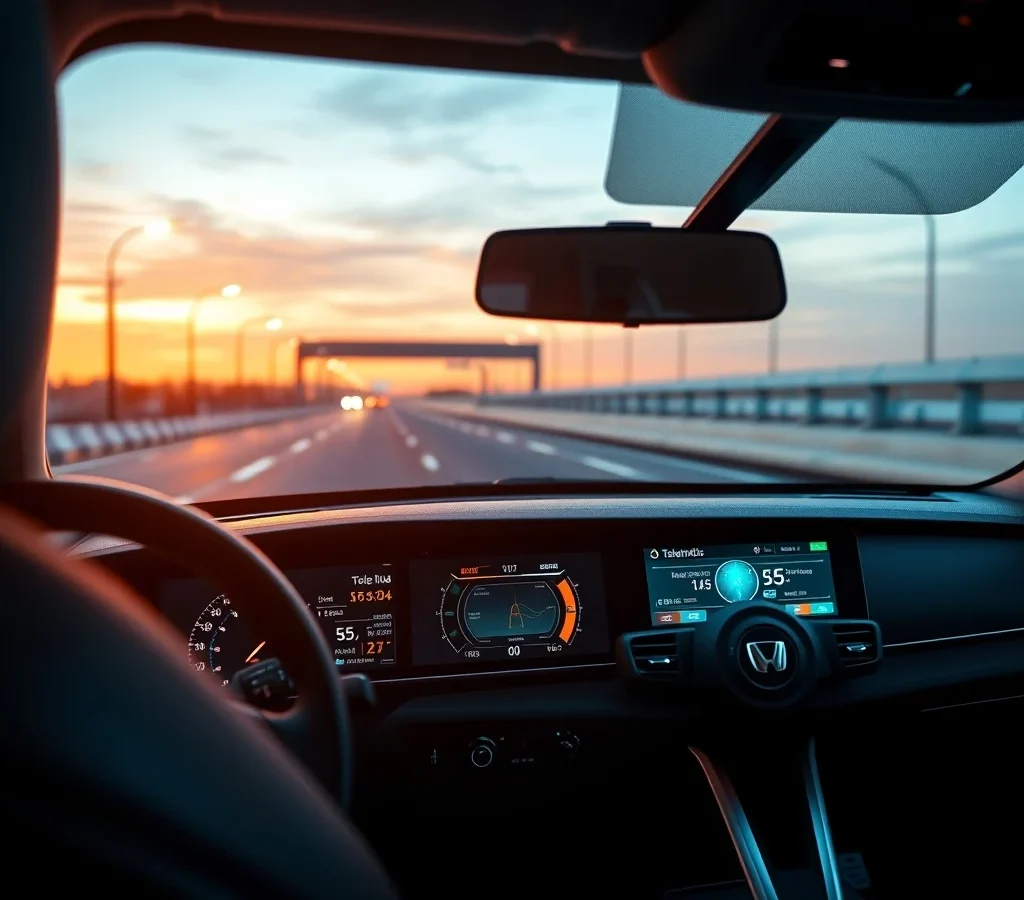
Perhaps the most visible of the auto insurance trends 2026 highlights is the mainstream adoption of telematics. Also known as usage-based insurance (UBI), this technology uses smartphone apps or built-in vehicle diagnostics to monitor driving habits in real-time. Insurers track metrics such as hard braking, rapid acceleration, cornering speed, and late-night driving.
For safe drivers, telematics offers a pathway to substantial discounts. Instead of being grouped into broad, high-risk categories, motorists can prove their individual safety habits and secure lower rates. This trend is particularly beneficial for low-mileage drivers, remote workers, and those who avoid peak traffic hours.
Pay-per-mile insurance is a subset of this trend that continues to gain massive traction. Under this model, policyholders pay a small daily or monthly base rate plus a flat rate per mile driven. If your vehicle spends most of its time parked in a garage, this structure can cut your insurance bill by half compared to traditional flat-rate annual policies.
How AI and Automation Are Transforming Claims
Artificial intelligence is no longer a futuristic concept in the insurance sector; it is the engine driving operational efficiency. In 2026, AI-driven claims processing has reached a level of maturity that benefits both the insurer and the policyholder. When an accident occurs, drivers can submit photos of the damage via a mobile app, where computer vision algorithms instantly estimate repair costs and initiate payouts.
This automated pipeline reduces the time it takes to resolve simple claims from weeks to mere hours. Furthermore, AI helps detect fraudulent claims by analyzing patterns that human adjusters might miss, ultimately saving insurance companies billions of dollars—savings that can theoretically be passed down to consumers in the form of competitive pricing.
Comparing Traditional vs. Modern Auto Insurance Models
To help you decide which structure fits your lifestyle, here is a comparison of how different insurance models operate in the current market:
| Feature | Traditional Insurance | Telematics-Based (UBI) | Pay-Per-Mile Insurance |
|---|---|---|---|
| Pricing Basis | Demographics, driving history, credit score | Real-time driving behavior and habits | Flat base rate + actual miles driven |
| Best For | Consistent, long-distance commuters | Highly cautious and defensive drivers | Remote workers, retirees, low-mileage drivers |
| Data Privacy | High (minimal personal tracking) | Moderate (requires continuous GPS/driving data) | Moderate (requires monthly mileage verification) |
| Potential Savings | Standard multi-policy discounts only | Up to 30% to 40% for excellent driving | Significant for those driving under 8,000 miles/year |
Key Challenges Facing Drivers in 2026
While technology offers exciting opportunities for savings, it also introduces new hurdles. Data privacy remains a primary concern for many consumers. The continuous collection of driving data, location history, and vehicle diagnostics raises valid questions about who owns this information and how securely it is stored.
Additionally, the transition to connected vehicles means that cyber security is now an insurance factor. As cars become software-on-wheels, the risk of digital vulnerabilities and system hacks is something insurers must account for when underwriting modern policies. Drivers must remain vigilant about their digital footprints and understand exactly what data they consent to share when signing up for telematics programs.
Expert Tips to Lower Your Premiums in 2026
- Audit Your Annual Mileage: If your daily commute has changed permanently, update your insurer. You may qualify for low-mileage brackets or a transition to a pay-per-mile policy.
- Leverage Telematics Wisely: If you are a calm, defensive driver who rarely drives late at night, opt into your insurer’s tracking program to unlock immediate behavioral discounts.
- Bundle and Consolidate: Combining your auto insurance with homeowners, renters, or life insurance remains one of the most reliable ways to slash overall premiums.
- Review Your Deductibles: Raising your comprehensive or collision deductible from $500 to $1,000 can significantly lower your monthly premium, provided you have the savings on hand to cover the deductible in an emergency.
- Maintain a Clean Digital Record: Avoid minor infractions and traffic violations, as modern predictive modeling software makes a clean driving record more valuable than ever.
Common Mistakes to Avoid When Navigating Modern Policies
1. Ignoring the Fine Print of Telematics Programs: Some drivers assume telematics can only lower their rates. However, some carriers reserve the right to increase premiums if the data reveals habitual speeding, hard braking, or frequent late-night driving.
2. Underinsuring High-Tech Vehicles: Selecting basic liability coverage for an advanced EV or a vehicle equipped with expensive ADAS features can leave you facing massive out-of-pocket expenses after a minor collision. Ensure your physical damage limits match the true replacement costs of your car’s technology.
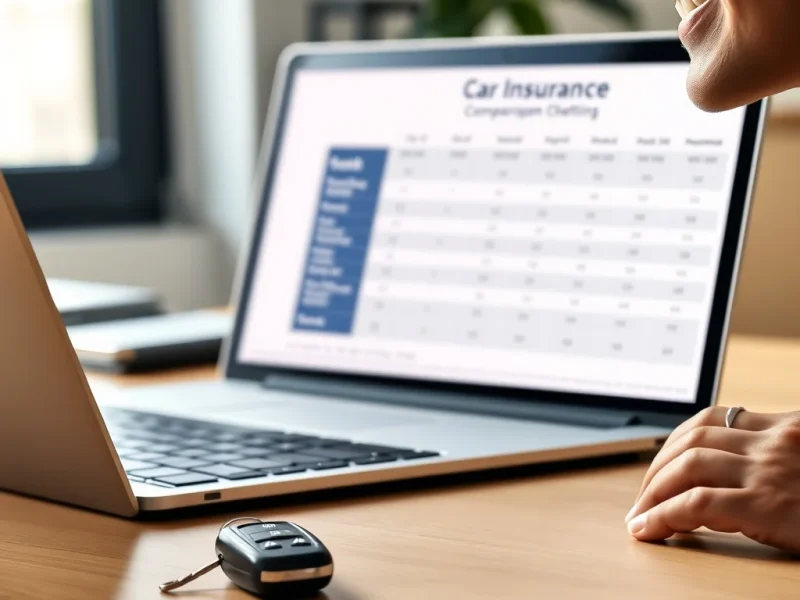
3. Failing to Shop Around Annually: Brand loyalty rarely pays off in the modern insurance market. Algorithms update constantly, and a competitor may offer a significantly better rate for your specific risk profile than your current provider.
Frequently Asked Questions
How will auto insurance trends in 2026 affect my monthly premiums?
Monthly premiums are increasingly determined by real-time driving data and vehicle complexity rather than just general demographics. While base rates have risen due to inflation and high repair costs for advanced safety tech, drivers who adopt telematics and maintain safe habits can offset these increases with personalized discounts.
What is telematics, and should I opt into it?
Telematics is a technology that monitors your driving behaviors—such as braking, acceleration, speed, and phone usage—via an app or an in-car device. If you are a safe, cautious driver, opting into a telematics program is highly recommended as it can earn you substantial premium discounts.
Why are electric vehicle (EV) insurance rates different from gas cars?
EVs cost more to insure because they are more expensive to repair after an accident. Their high-capacity battery packs are costly to replace, and repairing them requires specialized technicians and equipment, which drives up the overall claim costs for insurance companies.
How does AI speed up the car insurance claims process?
AI assists by processing claims through automated algorithms. Drivers can upload photos of vehicle damage via mobile apps, and computer vision technology instantly analyzes the impact, estimates repair costs, and can approve payouts within hours instead of weeks.
Will my driving data be sold to third parties in 2026?
Data privacy regulations vary by region, but reputable insurance companies must clearly outline their data-sharing practices in their privacy policies. Most insurers use your driving data strictly to calculate your premium, but you should always read the terms of service before opting into any tracking program.
What is pay-per-mile insurance, and who benefits most?
Pay-per-mile insurance charges a low monthly base fee plus a flat rate for every mile you actually drive. It is highly beneficial for low-mileage drivers, such as remote workers, retirees, or urban residents who rely primarily on public transit.
How do advanced driver assistance systems (ADAS) impact insurance costs?
While ADAS features like automatic emergency braking and lane-keep assist reduce the likelihood of accidents, they contain expensive sensors and cameras. When a collision does occur, these components are costly to replace, which can prevent premiums from dropping despite the added safety benefits.
Can I still get traditional car insurance without smart technology tracking?
Yes, traditional car insurance policies that do not track your real-time driving habits remain widely available. However, as the industry shifts toward personalized risk assessment, these traditional flat-rate policies may become more expensive over time compared to behavioral-based alternatives.
Conclusion
Staying ahead of the auto insurance trends 2026 presents is all about embracing flexibility and technology. By understanding how telematics, AI, and vehicle complexity affect your rates, you can make informed decisions that protect both your vehicle and your financial well-being. Take the time to review your current policy, compare online quotes, and explore whether a usage-based or pay-per-mile model aligns with your driving habits today.
Ready to see how much you could save under the latest insurance structures? Contact your current provider or shop around online to compare modern, high-tech policy options tailored to your lifestyle.