
Car insurance premiums have climbed steadily over the past few years, leaving many drivers wondering how to keep their vehicle running costs manageable. If you are watching your monthly budget, learning how to save money on car insurance is one of the most effective ways to claw back hundreds of dollars annually without sacrificing essential protection.
While rates are influenced by factors beyond your control—such as inflation, rising repair costs, and regional weather patterns—you still hold significant leverage. By understanding how insurers calculate risk and aggressively pursuing strategic adjustments, you can systematically lower your premiums.
This comprehensive guide details actionable, proven methods to reduce your auto insurance bills, from optimizing your coverage limits to leveraging modern telematics programs.
Table of Contents
Understanding Your Auto Insurance Premium
Before adjusting your policy, it helps to understand how insurance companies calculate your rates. Actuaries analyze risk profiles using a variety of metrics. Your age, driving history, location, vehicle make and model, and even your credit score can influence your monthly premium.
Insurers look at the statistical likelihood of you filing a claim. If you drive a vehicle with high safety ratings or live in an area with low theft rates, your risk profile decreases. Conversely, driving a high-performance sports car or having a history of traffic violations increases your risk profile. By targeting the factors you can control, you can reshape how insurers view your risk level.
12 Proven Ways to Save Money on Car Insurance
1. Shop Around and Compare Quotes Annually
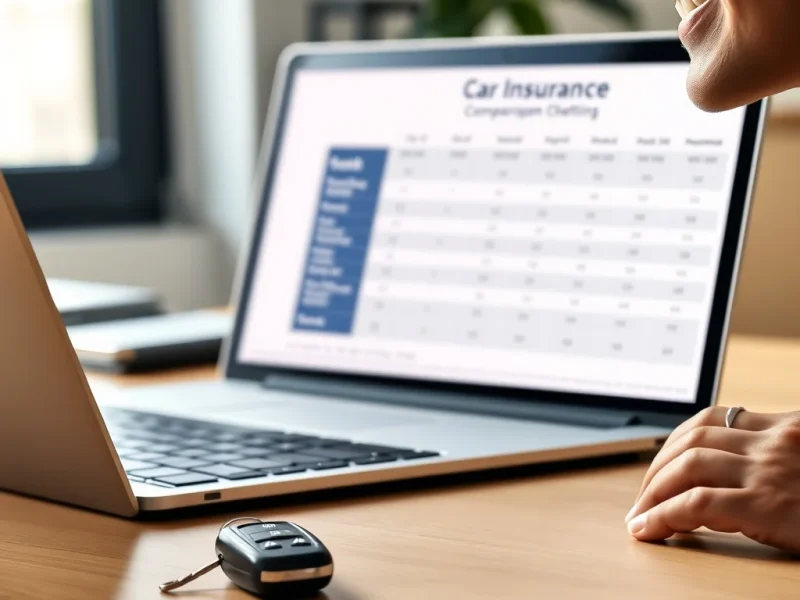
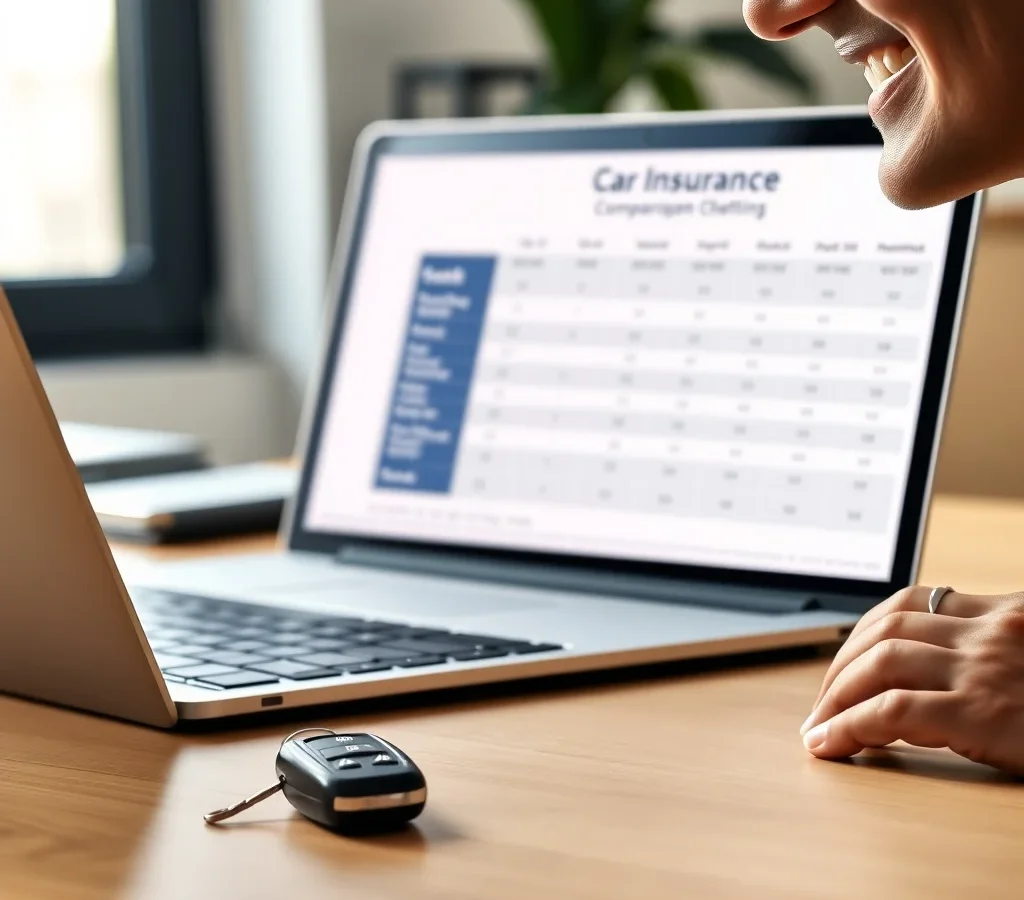
Loyalty rarely pays off in the auto insurance industry. Many insurers use a pricing technique called “price optimization,” where they gradually raise rates on long-term customers who are unlikely to switch. To combat this, compare quotes from at least three different insurance providers every year. Online comparison tools make it easy to view side-by-side estimates in minutes.
2. Leverage Telematics and Usage-Based Programs
If you are a safe driver, telematics programs can offer substantial discounts. These programs use a smartphone app or an onboard device to track your driving habits. They monitor metrics like acceleration, braking, speed, and the time of day you drive. Safe driving behaviors can earn you premium discounts of up to 30% or 40% depending on the carrier.
3. Adjust Your Deductibles Wisely
Your deductible is the amount you pay out of pocket before your insurance coverage kicks in. Raising your deductible from $250 or $500 to $1,000 can significantly lower your comprehensive and collision premiums. According to the Insurance Information Institute, increasing your deductible can sometimes save you between 15% and 30% on these coverages. Just ensure you keep enough money in an emergency fund to cover the higher deductible if you need to file a claim.
4. Bundle Home and Auto Policies
One of the easiest ways to secure a discount is by purchasing multiple policies from the same provider. Most insurers offer generous multi-policy discounts if you bundle your auto insurance with homeowners, renters, condo, or life insurance. This strategy can reduce your overall premium by 10% to 25% while simplifying your monthly bill management.
5. Maximize Available Discounts
Car insurance companies offer dozens of discounts that go unclaimed because policyholders do not ask for them. Review your insurer’s discount page or call an agent to check your eligibility. Common discounts include:
- Good student discounts: For drivers under 25 maintaining a “B” average or higher.
- Paperless billing: Signing up for electronic statements and automatic payments.
- Low-mileage discounts: For motorists who drive fewer than a set number of miles per year.
- Safety feature discounts: For vehicles equipped with anti-lock brakes, airbags, daytime running lights, or anti-theft tracking devices.
6. Maintain a Clean Driving Record
Your driving history is the single most influential factor within your control. Speeding tickets, at-fault accidents, and DUI convictions can cause your rates to spike by 20% to over 100%. Practicing defensive driving and obeying traffic laws keeps your record clean, qualifying you for safe driver discounts and keeping your base rates low.
7. Improve Your Credit Score
In most states, insurance companies use a credit-based insurance score to help determine premiums. Statistics show a strong correlation between credit history and the likelihood of filing a claim. Paying your bills on time, reducing outstanding debt, and correcting credit report errors can improve your credit score, which in turn can dramatically lower your car insurance rates.
8. Consider Pay-Per-Mile Coverage
If you work from home, use public transit, or drive very little, traditional insurance policies might charge you for risk you do not present. Pay-per-mile insurance charges a low monthly base rate plus a few cents for every mile you actually drive. This can lead to massive savings for low-mileage drivers who travel less than 8,000 miles per year.
9. Drop Unnecessary Coverage on Older Vehicles
If you drive an older car with a low market value, you might be overpaying for insurance. As a general rule of thumb, if the annual cost of your comprehensive and collision coverage exceeds 10% of your car’s actual cash value, it may be time to drop those coverages. You can check your car’s current valuation on sites like Kelley Blue Book.
10. Drive a Vehicle That Costs Less to Insure
Before purchasing your next vehicle, call your insurance agent for a quick quote. Mid-sized SUVs, minivans, and modest sedans generally cost much less to insure than luxury vehicles, electric vehicles with complex battery systems, or high-performance sports cars. Vehicles with high crash test ratings and affordable replacement parts naturally command lower premiums.
11. Ask About Group or Affiliate Affiliation Discounts
Many insurers partner with employers, alumni associations, military organizations, professional groups, and credit unions to offer exclusive group discounts. Check with your HR department or any professional associations you belong to see if you qualify for a discounted group rate.
12. Pay Your Premium in Full
Most insurance companies charge a small administrative or installment fee if you pay your premium monthly. If your budget allows, paying your six-month or annual premium in full can eliminate these fees and often earns you an upfront discount of 5% to 10%.
Comparing Discount Types and Potential Savings
To help you prioritize your efforts, the table below outlines common auto insurance discounts, their average savings ranges, and who benefits most from each option.
| Discount Type | Average Estimated Savings | Best Suited For |
|---|---|---|
| Multi-Policy (Bundling) | 10% – 25% | Homeowners and renters with multiple insurance needs |
| Telematics / Safe Driving App | 10% – 40% | Safe drivers who do not mind tracking software |
| Good Student Discount | 5% – 15% | High school and college students with good grades |
| Higher Deductibles | 15% – 30% | Drivers with a healthy emergency fund |
| Pay-in-Full Discount | 5% – 10% | Policyholders who can afford upfront biannual payments |
| Low-Mileage Discount | 5% – 20% | Remote workers and retirees who drive infrequently |
Common Mistakes to Avoid
- Carrying only the legal minimum coverage: While state minimums are cheap, they leave you highly vulnerable to devastating financial liability if you cause a major accident.
- Failing to update your annual mileage: If your commute shortens or you start working from home, notify your insurer immediately so they can adjust your premium.
- Ignoring minor claims: Filing a claim for a small dent that costs slightly more than your deductible can raise your rates for three to five years, costing you more in the long run.
- Forgetting to shop around after life milestones: Getting married, buying a home, moving to a new ZIP code, or turning 25 can all trigger rate drops that you will miss if you do not request updates.
Expert Tips for Long-Term Savings
- Take a defensive driving course: Many states mandate a premium discount (often around 5% to 10% for three years) if you complete an approved defensive driving class.
- Audit your policy annually: Set a calendar reminder to review your policy declarations page before every renewal cycle to remove coverages you no longer need, such as roadside assistance if you already have a AAA membership.
- Avoid lapses in coverage: Even a short lapse in auto insurance coverage can label you as a high-risk driver, driving up your rates when you try to sign up again.
Frequently Asked Questions
Does shopping around for car insurance hurt my credit score?
No. When insurance companies check your credit history to generate a quote, they perform a soft inquiry. Soft inquiries do not affect your credit score, allowing you to compare as many quotes as you want without penalty.
How much can I save by raising my deductible?
Increasing your deductible from $250 to $1,000 can reduce your comprehensive and collision coverage costs by up to 30%. However, you must ensure you have that $1,000 readily accessible in case you need to file a claim.
What is the cheapest car insurance option for young drivers?
The most affordable option for young drivers is usually to remain on their parents’ policy rather than buying an individual policy. Keeping a clean driving record and qualifying for good student discounts also helps lower these premium costs.
Will my insurance rate go down automatically when I turn 25?
While turning 25 statistically lowers your risk profile and premium, the rate reduction is rarely automatic. You should contact your insurance provider on your birthday or shop around to ensure your new age is reflected in your rates.
How does a speeding ticket affect my car insurance rates?
A single speeding ticket can increase your insurance premium by 10% to 30% for three years. The exact increase depends on how fast you were going and your insurer’s specific policies.
Is pay-per-mile insurance worth it for daily commuters?
Probably not. Pay-per-mile insurance is designed for low-mileage drivers, usually those who drive fewer than 8,000 to 10,000 miles per year. If you have a long daily commute, a traditional policy is almost always more cost-effective.
Can I get a discount for installing a dashcam?
Most major U.S. insurers do not offer a direct discount for installing a dashcam. However, dashcam footage can protect you from being wrongfully blamed for an accident, keeping your driving record clean and preventing costly premium increases.
How often should I compare car insurance quotes?
You should compare quotes at least once a year, or whenever you experience a major life event such as moving, buying a new car, getting married, or seeing a significant improvement in your credit score.
Conclusion
Learning how to save money on car insurance does not require you to compromise on vital financial protection. By systematically reviewing your coverage, utilizing telematics, maximizing discounts, and shopping around annually, you can secure the lowest possible rates for your unique driving profile.
Take control of your household expenses today. Start by calling your current insurer to ask about unapplied discounts, then gather three competing quotes to see if you can find a better deal elsewhere.