
As the global automotive landscape shifts rapidly toward electrification, millions of drivers are making the transition to battery-powered cars. While saving money on fuel and reducing your carbon footprint are clear benefits, many new owners are surprised when they receive their first premium quote for electric vehicle insurance. Insuring a high-tech electric car involves different variables than insuring a traditional internal combustion engine vehicle.
Table of Contents
Why Electric Vehicle Insurance Differs from Standard Auto Insurance
Electric vehicles (EVs) are fundamentally different from gas-powered cars, and these differences directly impact how insurance companies calculate risk and premium costs. Understanding these factors can help you make informed decisions when shopping for coverage.
The High Cost of EV Batteries
The battery pack is the single most expensive component of an electric vehicle. If an EV is involved in an accident, even minor damage to the battery housing can require a complete battery replacement. Because replacement costs can range from $5,000 to upwards of $20,000, insurers must price their policies to cover these potentially massive claims.
Specialized Repair Networks and Labor Rates
Repairing an electric vehicle requires specialized training, tools, and equipment. High-voltage systems present safety hazards that traditional mechanics are not certified to handle. Consequently, EV repairs are often limited to manufacturer-certified collision centers, which typically charge higher labor rates than independent repair shops.
How Much Does EV Insurance Cost?
On average, electric vehicle insurance costs roughly 15% to 25% more than insurance for a comparable gas-powered vehicle. According to recent industry data, the higher purchase price of EVs, combined with complex repair procedures, drives this premium discrepancy. However, rates vary significantly based on the make and model of the vehicle, as well as your personal driving profile.
Below is a comparison highlighting the primary differences in insurance risk factors across different powertrain types:
| Feature | Gas-Powered (ICE) | Hybrid Vehicles | Electric Vehicles (EV) |
|---|---|---|---|
| Average Premium | Baseline Rate | 5% to 10% Higher | 15% to 25% Higher |
| Repair Complexity | Standard | Moderate | |
| Battery Replacement Cost | Low ($150 – $300) | Moderate ($2,000 – $5,000) | High ($5,000 – $20,000) |
| Specialized Discounts | Minimal | Moderate (Green discounts) | High (Alternative fuel discounts) |
Key Coverage Options for Electric Vehicles
When setting up your electric vehicle insurance policy, standard liability, collision, and comprehensive coverages are essential. However, you should also consider specialized add-ons tailored specifically to the unique needs of EV ownership.
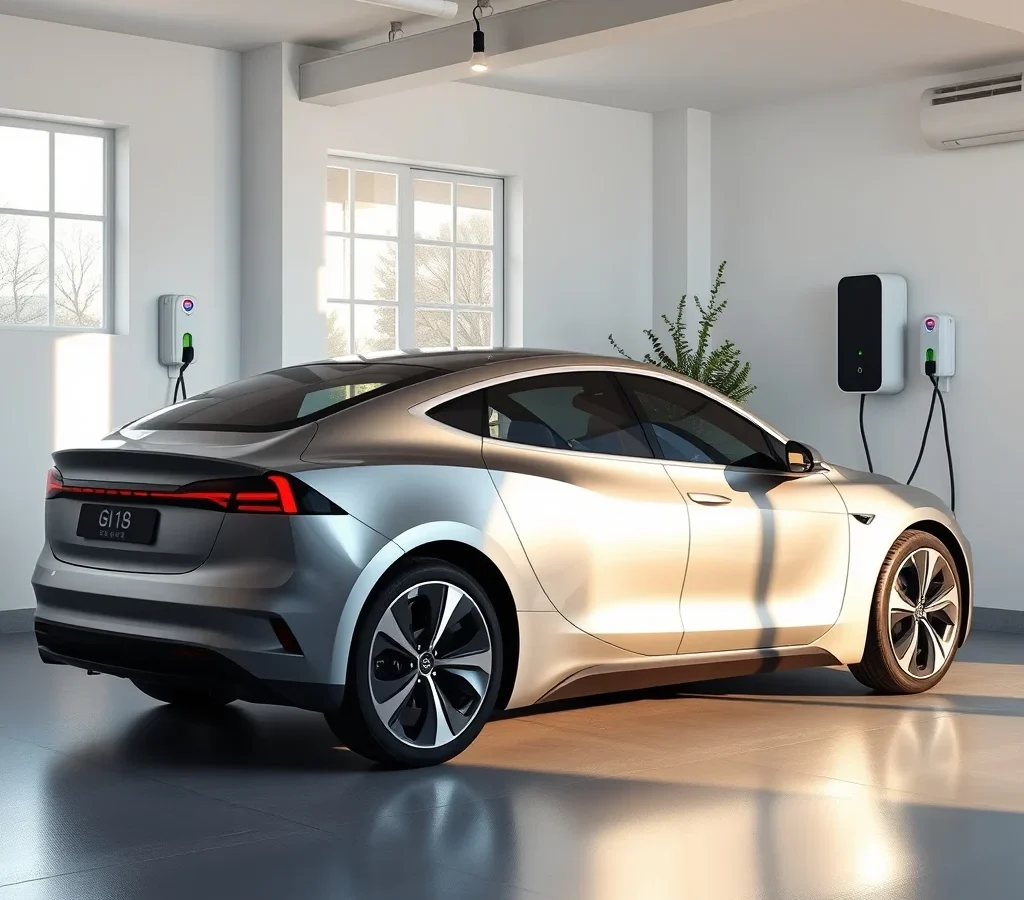
- Wall Charger Coverage: Your home charging station is a valuable asset. While some homeowners insurance policies cover outdoor chargers, you should verify whether your auto insurer offers specific coverage for your charging equipment or if it can be bundled into your policy.
- Roadside Assistance with EV Towing: Running out of charge is different than running out of gas. Standard roadside assistance might bring you a gallon of fuel, but an EV will require flatbed towing to the nearest charging station. Ensure your roadside assistance package specifically covers EV transport.
- OEM Parts Coverage: Because of the precise engineering of electric vehicles, using original equipment manufacturer (OEM) parts is crucial for maintaining safety standards and battery integrity. Adding OEM coverage ensures repairs use factory-certified parts rather than aftermarket alternatives.
How to Lower Your EV Insurance Premiums
Although electric vehicle insurance carries a premium, there are several highly effective strategies you can use to lower your monthly costs without sacrificing critical coverage.
First, take advantage of “green vehicle” or alternative fuel discounts. Many insurance companies offer specialized discounts to encourage the adoption of eco-friendly vehicles. Second, consider telematics or usage-based insurance. If you have a short commute or practice safe driving habits, allowing your insurer to track your driving patterns via an app or plug-in device can result in substantial premium reductions.
Expert Tips for EV Owners
- Quote before you buy: Always request insurance quotes for the specific EV models you are considering before finalizing your vehicle purchase. Rates can vary dramatically between models.
- Bundle your policies: Combine your electric vehicle insurance with your homeowners or renters insurance to secure multi-policy discounts.
- Inquire about low-mileage discounts: If you primarily use your EV for local errands or a short daily commute, you may qualify for lower rates based on your annual mileage.
- Maintain a clean driving record: Because EVs have instant torque and accelerate quickly, insurers closely monitor your driving history. A clean record keeps your risk profile low.
Common Mistakes to Avoid
- Assuming standard roadside assistance is sufficient: Traditional towing can damage an EV’s regenerative braking system. Always confirm your roadside plan uses flatbed trucks.
- Overlooking home charger liability: If a visitor trips over your charging cable on your driveway, you need to ensure your liability coverage is sufficient to handle potential claims.
- Neglecting to update your annual mileage: If your driving habits change, notify your insurer immediately to see if you qualify for a cheaper rate tier.
Frequently Asked Questions
Why is electric vehicle insurance more expensive?
Electric vehicle insurance is generally more expensive due to the high cost of specialized components, particularly the lithium-ion battery pack. Additionally, repairing EVs requires certified technicians and specialized equipment, which increases labor costs compared to traditional vehicles.
Does standard car insurance cover my EV battery?
Yes, standard comprehensive and collision coverages will cover your EV battery if it is damaged in an accident, fire, or flood. However, standard policies do not cover normal battery degradation or gradual loss of capacity over time.
Are there specific discounts for electric vehicle insurance?
Many insurance providers offer “green vehicle” or “alternative fuel” discounts for electric and hybrid car owners. You can also qualify for standard discounts such as safe driver, multi-policy bundling, and paperless billing.
Is home charging equipment covered under auto insurance?
Typically, permanently installed home charging stations are covered under your homeowners insurance policy under “other structures” coverage. However, portable charging cables are often covered by your comprehensive auto insurance if stolen from your vehicle.
How does pay-per-mile insurance work for EVs?
Pay-per-mile insurance charges a low monthly base rate plus a flat per-mile fee. This is an excellent option for EV owners who primarily use their vehicles for short commutes, as it rewards low-mileage drivers with significantly lower premiums.
Do electric vehicles require special roadside assistance?
Yes. EVs cannot be flat-towed with their wheels on the ground without damaging the electric motors. They require flatbed towing. Additionally, some specialized roadside programs offer mobile charging units to give you enough power to reach a station.
Does the model of the EV affect my insurance rate?
Absolutely. High-performance electric vehicles or luxury models with advanced autonomous driving hardware cost significantly more to insure than budget-friendly, mass-market electric hatchbacks and sedans.
Can I get gap insurance for my electric vehicle?
Yes, gap insurance is highly recommended for financed or leased electric vehicles. Because EVs can depreciate rapidly due to shifting technology and federal tax incentives, gap insurance covers the difference between the car’s actual cash value and what you owe on your loan.
Conclusion
While electric vehicle insurance may carry a premium compared to traditional auto policies, understanding the unique risk factors and shopping strategically can help you secure excellent coverage at an affordable price. By taking advantage of green vehicle discounts, maintaining a clean driving record, and choosing the right coverage add-ons, you can protect your high-tech investment while enjoying the many benefits of electric driving.
Ready to find the best rate for your electric vehicle? Contact your insurance provider today to explore specialized EV discounts and customize a policy that fits your driving needs.