
Transitioning to an electric vehicle (EV) is an exciting milestone. Drivers enjoy instant torque, quiet cabins, and the satisfaction of bypassing the gas pump forever. However, many new EV owners experience a sudden shock when they transition from the dealership to the insurance agent. Setting up electric vehicle insurance involves unique variables that do not apply to traditional internal combustion engine (ICE) vehicles.
Understanding the nuances of insuring an electric vehicle is essential for protecting your investment without overpaying. This comprehensive guide breaks down why EV insurance differs from standard auto insurance, details the actual cost factors, highlights critical coverage options, and provides actionable strategies to keep your premiums manageable.
Why Electric Vehicle Insurance Differs from Standard Auto Insurance
At its core, auto insurance protects against financial loss resulting from accidents, theft, or environmental damage. While the fundamental structure of a policy remains the same, the underlying risk calculations for electric vehicles are radically different. Insurers price policies based on the cost of repairing or replacing a vehicle, and EVs present unique challenges in both areas.
The primary driver of high electric vehicle insurance premiums is the advanced technology integrated into every system. EVs are essentially high-powered computers on wheels. A minor fender bender that might require a simple bumper replacement on a gas-powered car can easily damage sensitive radar sensors, cameras, or battery cooling lines on an EV. This turns a routine fix into a highly technical, multi-thousand-dollar repair.
Furthermore, specialized labor is required. Traditional mechanics cannot safely work on high-voltage electrical systems without specific training and certification. Because there are fewer certified EV repair shops, labor rates are significantly higher, and repair times are often longer, leading to extended rental car claims for insurance providers.
The Real Cost of Insuring an EV: What the Data Shows
Data from major industry analysts indicates that insuring an electric vehicle costs, on average, 15% to 25% more than insuring an equivalent gas-powered vehicle. While a traditional midsize sedan might cost $1,600 per year to insure, an electric counterpart can easily exceed $2,000 annually.
Several distinct factors contribute to this pricing discrepancy:
- The Battery Pack: The battery is the most expensive component of an EV, often costing between $5,000 and $20,000 to replace. If an accident causes even minor structural damage to the battery casing, safety protocols usually dictate a complete replacement, frequently resulting in the insurer declaring the vehicle a total loss.
- Higher Purchase Prices: Although prices are normalizing, EVs generally have a higher Manufacturer’s Suggested Retail Price (MSRP) than comparable ICE vehicles. Higher vehicle values naturally translate to higher comprehensive and collision premiums.
- Weight and Power: EVs are significantly heavier than gas cars due to the weight of the battery pack. This extra mass means they carry more kinetic energy into a collision, often causing more severe damage to other vehicles and property, which increases liability risks.
Key Coverage Options Every EV Owner Needs
When structuring your electric vehicle insurance policy, standard liability limits may not offer sufficient protection. You should pay close attention to specialized coverages that address EV-specific risks.
First, ensure your comprehensive and collision coverages are robust enough to handle a total battery replacement. It is also wise to inquire about OEM (Original Equipment Manufacturer) parts coverage. Given the precise engineering of EVs, aftermarket parts may not integrate correctly with your vehicle’s safety systems.
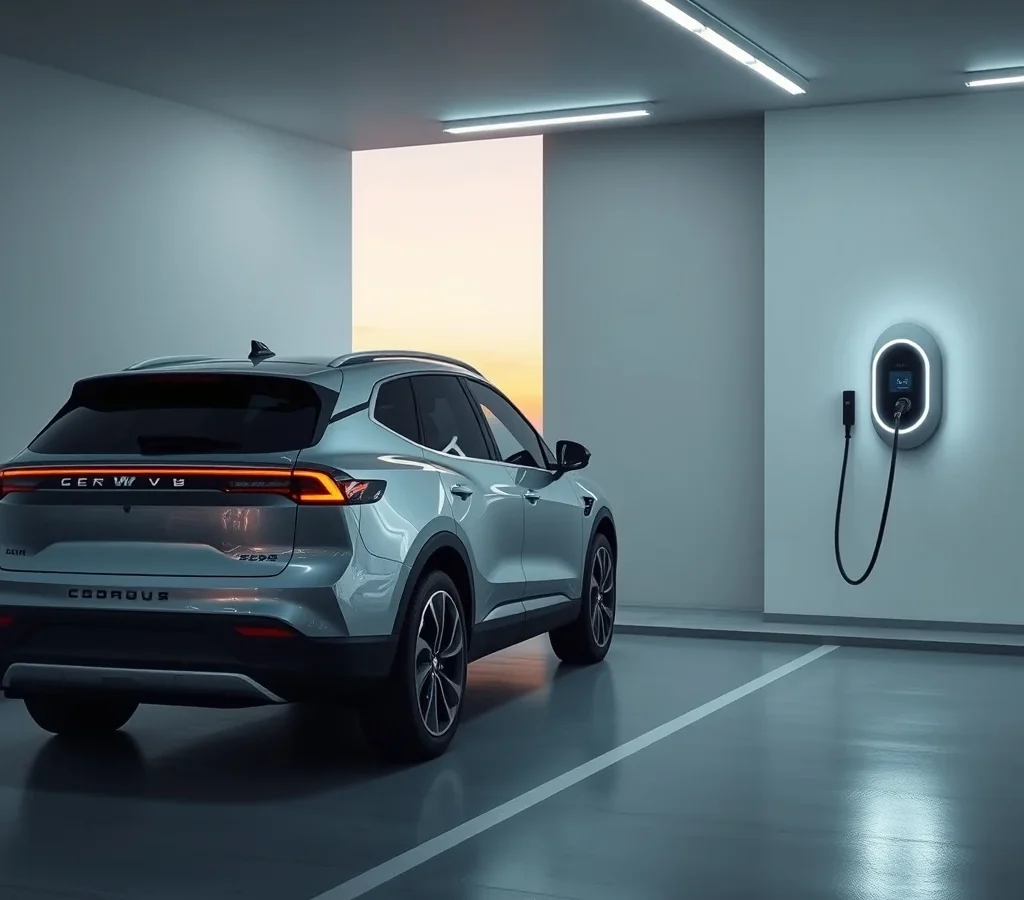
Second, consider home charging station coverage. If you install a Level 2 charger in your garage, it represents a significant financial investment. While some homeowners insurance policies cover these units, others exclude them or have high deductibles. Some auto insurers offer riders specifically designed to cover your wall charger and charging cables against theft, vandalism, or electrical surges.
Comparing EV Insurance vs. Standard ICE Insurance
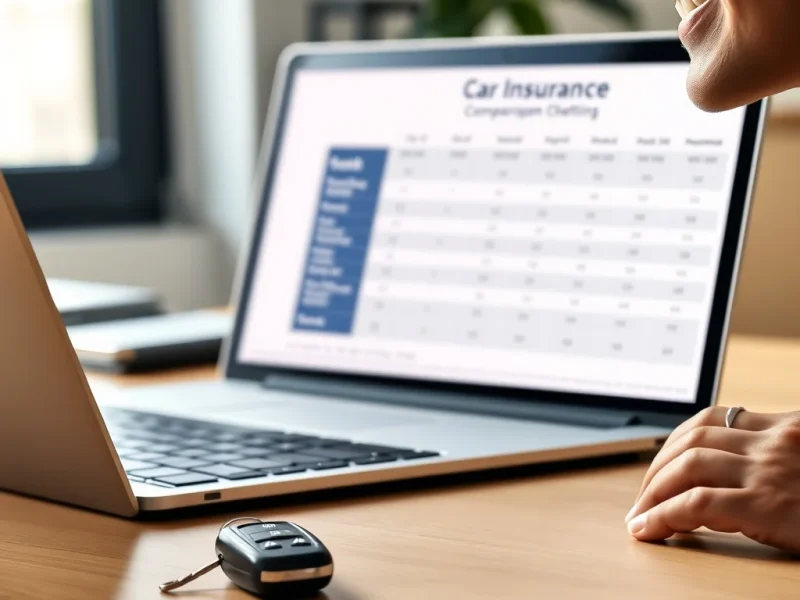
To visualize the key differences, review the comparison table below detailing how insurance factors differ between electric and gas-powered vehicles:
| Feature / Risk Factor | Electric Vehicle (EV) Insurance | Standard (ICE) Auto Insurance |
|---|---|---|
| Average Premium Cost | Typically 15% to 25% higher than baseline | Standard baseline pricing | Battery Replacement Risk | High cost ($5k–$20k); easily triggers total loss write-offs | Low cost ($100–$300 for standard starter battery) |
| Repair Shop Availability | Limited; requires specialized, high-voltage certified technicians | Widespread; virtually any local mechanic can perform repairs |
| Home Charging Equipment | Requires specialized coverage or specific homeowners riders | Not applicable |
| Towing Requirements | Requires flatbed towing to prevent electric motor damage | Can often be towed with standard wheel-lift trucks |
How to Lower Your Electric Vehicle Insurance Premiums
Despite the higher baseline costs, you do not have to accept exorbitant premiums. There are several highly effective strategies to secure affordable car insurance for your EV.
Many insurance companies offer “green vehicle” or alternative fuel discounts simply for driving an eco-friendly car. Additionally, because EVs are packed with advanced safety features like collision avoidance and lane-keep assist, make sure your insurer applies all relevant safety equipment discounts to your policy.
Another excellent option is telematics, or usage-based insurance. If you have safe driving habits and do not drive excessive miles, allowing your insurer to track your driving behavior via an app or your vehicle’s built-in systems can yield discounts of up to 30% or more. This is particularly beneficial for EV drivers, as many electric vehicles seamlessly integrate with insurer telematics programs.
Expert Tips for EV Insurance Shoppers
- Shop around before buying: Never wait until you are at the dealership to get insurance quotes. Get quotes for the specific EV model you want before signing the purchase agreement.
- Bundle your policies: Combine your electric vehicle insurance with your homeowners, renters, or umbrella policies to unlock substantial multi-policy discounts.
- Verify charging cable coverage: Ask your agent explicitly if your portable charging cables are covered if stolen while charging at a public station.
- Opt for roadside assistance with flatbed towing: Standard towing can ruin an EV’s regenerative braking system. Ensure your roadside package specifies flatbed transport.
Common Mistakes to Avoid When Insuring an EV
- Assuming all insurers charge the same rate: Because EV data is still relatively new, different insurance companies calculate EV risks differently. Rates for the exact same Tesla or Hyundai can vary by over $1,000 per year between carriers.
- Overlooking gap insurance: Because EVs can depreciate rapidly in the first couple of years, you could owe more on your loan than the car is worth if it gets totaled. Gap insurance is crucial for financed or leased EVs.
- Ignoring the deductible balance: Choosing a low deductible will spike your monthly premiums. If you have a healthy emergency fund, raising your deductible to $1,000 can dramatically lower your ongoing insurance costs.
- Neglecting to update your homeowners policy: Failing to notify your home insurance provider about your newly installed Level 2 garage charger could leave you unprotected if an electrical issue causes damage to your home.
Frequently Asked Questions
Why is electric vehicle insurance more expensive?
Electric vehicle insurance is more expensive because EVs cost more to repair and replace. Their high-tech components, delicate and expensive battery packs, and the requirement for specialized, certified mechanics drive up claims costs for insurance companies, which then pass those costs onto consumers in the form of higher premiums.
Does standard auto insurance cover my home charging station?
Typically, your auto insurance policy will not cover a permanently installed home charging station, as it is considered part of your residential property. Instead, home charging stations are usually covered under your homeowners insurance policy under “other structures” coverage, though you should check with your agent to ensure it is properly documented.
Is the EV battery covered under comprehensive or collision insurance?
Yes, your EV battery is covered under comprehensive and collision insurance, provided you carry these coverages on your policy. Collision covers battery damage resulting from an accident, while comprehensive covers damage from non-collision events, such as fires, floods, vandalism, or animal strikes.
Do insurance companies offer discounts for electric vehicles?
Yes, many major insurance companies offer specialized “green vehicle” or alternative fuel discounts for electric and hybrid vehicles. These discounts typically range from 2% to 10% off certain coverages, rewarding drivers for choosing environmentally friendly transportation options.
What happens if my EV runs out of battery on the road?
If your EV runs out of power, standard roadside assistance packages that offer fuel delivery will not work. Instead, your insurer’s roadside assistance will dispatch a flatbed tow truck to transport your vehicle to the nearest charging station. Some specialized services now offer mobile emergency EV charging vehicles.
Does Tesla have its own insurance program?
Yes, Tesla offers its own insurance product in several states. Tesla Insurance uses real-time driving behavior data directly from the vehicle to calculate monthly premiums, rewarding safe drivers with lower rates without requiring an external plug-in device or mobile app.
How does repair time affect my EV insurance claim?
Because EV parts can be highly specialized and certified mechanics are limited, repair times for electric cars are often longer than for gas cars. This means you may need your rental car for a longer period. It is highly recommended to increase your policy’s rental car reimbursement limits to cover these extended repair windows.
Should I choose a higher deductible for my EV insurance?
Choosing a higher deductible, such as $1,000 instead of $500, is an excellent way to lower your monthly EV insurance premiums. However, you should only do this if you have enough savings set aside to comfortably cover that higher out-of-pocket amount if you need to file a claim.
Conclusion
Insuring an electric vehicle requires a clear understanding of specialized technology, repair realities, and unique risk factors. While electric vehicle insurance premiums are generally higher than those for traditional cars, you can successfully mitigate these costs. By shopping around, leveraging green vehicle and safety discounts, selecting the right deductibles, and ensuring your policy covers critical components like the battery and home charging setup, you can enjoy all the benefits of your EV with complete peace of mind. Take control of your coverage today by comparing quotes from multiple specialized EV insurers.